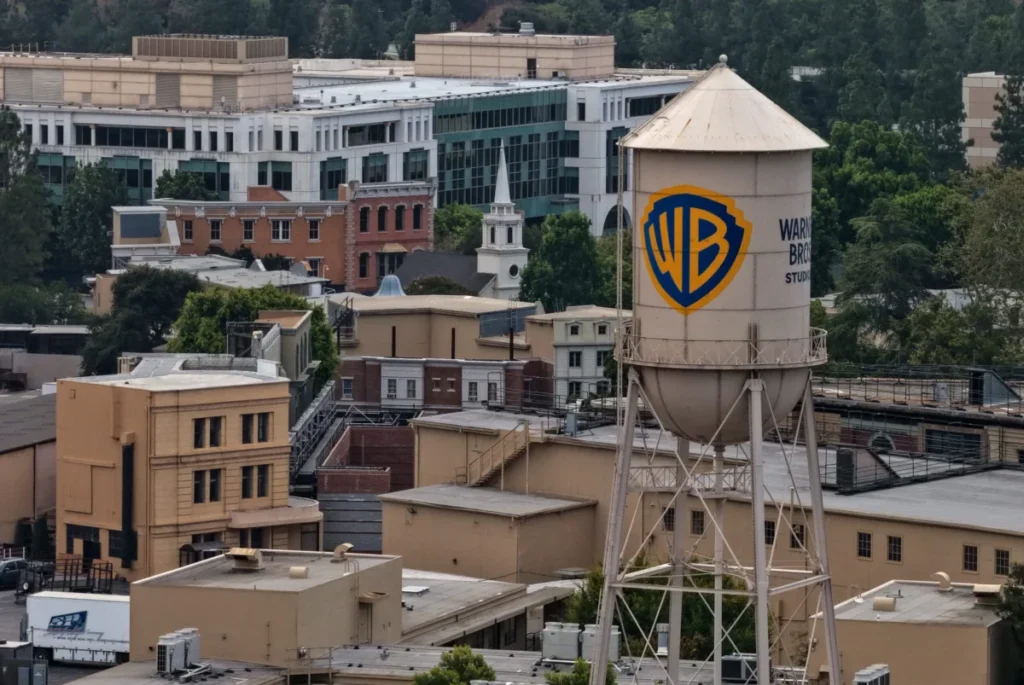


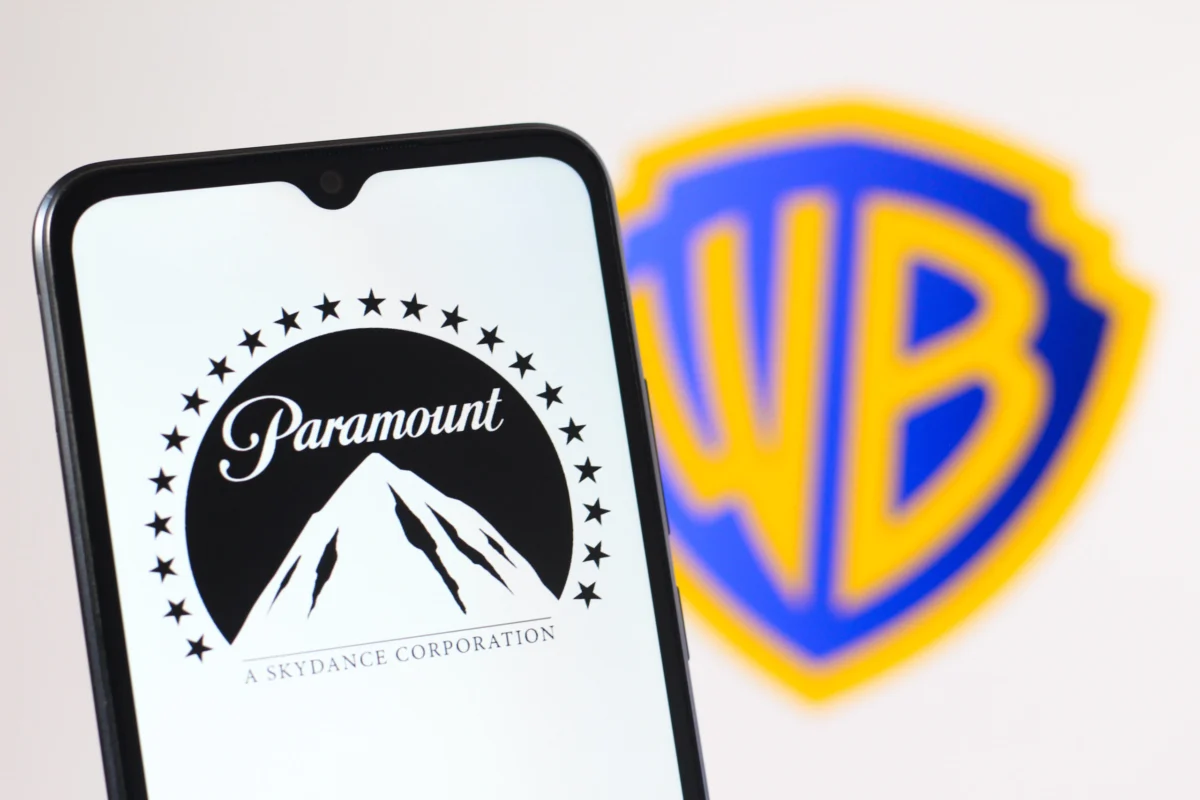
The once-frenetic pace of media and entertainment mergers and acquisitions has ground to a sudden, cautionary halt, as the delayed $110 billion union between Paramount Skydance and Warner Bros. Discovery serves as a sobering case study for the industry. What began as a strategic masterstroke intended to consolidate scale in an era of plummeting pay-TV subscriptions and fragmented streaming audiences has transformed into a high-stakes legal battle. This gridlock has effectively cast a pall over the entire media landscape, forcing executives to reconsider their growth strategies as state-level antitrust intervention rises to prominence in a post-federal-approval environment.
The current standoff, marked by a judicial schedule that pushes potential closure into mid-2027, highlights a paradigm shift in how corporations navigate the regulatory gauntlet. While federal bodies like the U.S. Department of Justice have effectively cleared the transaction, the intervention of a coalition of state attorneys general—led by California’s Rob Bonta—has introduced a new layer of friction. The abrupt collapse of preliminary settlement talks between Paramount and the California Attorney General’s office suggests that the path to completion is no longer a matter of corporate negotiation, but one of prolonged litigation.
A Chronology of a Stalled Megamerger
The trajectory of this deal illustrates the volatility of the current M&A market. After David Ellison’s Skydance successfully navigated its own acquisition of Paramount, the subsequent move to merge with Warner Bros. Discovery was framed as the ultimate consolidation play. However, the timeline of the deal has suffered repeated setbacks:
- July 2026: The deal faces formal antitrust challenges from a group of state attorneys general, casting doubt on the previously anticipated closing date of September 2026.
- July 24, 2026: Paramount officially announces a postponement of the merger, with a new potential closing window extended as far as June 2027.
- August 2026: Preliminary settlement discussions between Paramount and the California Attorney General’s office are initiated, only to be dismantled within days, signaling a hardening of positions.
- September 30, 2026: The activation of a "ticking fee" provision in the merger agreement, which imposes significant financial penalties on Paramount for every quarter the deal remains in limbo.
The economic implications for Paramount are severe. Industry analysts estimate that the ticking fee could cost the company approximately $650 million per quarter. In an effort to mitigate these mounting costs, Paramount has moved to compel the suing states to post a $1.88 billion bond, a move that underscores the desperate need to hedge against legal delays.
The Broader Contagion: A Market in "Wait-and-See" Mode
The "Paramount effect" is currently rippling through the broader media sector, discouraging other companies from initiating large-scale combinations. According to data provider Dealogic, while U.S. companies completed over 7,500 deals through August 20, the momentum for future megadeals is waning. Executives are increasingly wary of the "regulatory timing risk," a term coined by analysts at Bernstein to describe the unpredictable nature of modern deal approvals.

The proposed $22 billion acquisition of Roku by Fox Corp. serves as a prime example of this risk. While the transaction is fundamentally different from the Paramount-WBD deal—lacking the same horizontal and vertical concentration concerns—investors and analysts are nevertheless cooling on its prospects. Even if the antitrust arguments against such a deal are considered weak, the precedent set by the state-led blockade of Paramount suggests that any high-profile media transaction is now susceptible to extensive, costly delays.
Similarly, the broadcast station sector is feeling the tremors. Nexstar Media Group’s $6.2 billion acquisition of Tegna, which was announced in August 2025 and closed in March 2026, is now the subject of a state-led lawsuit attempting to unwind the deal. With a trial set for 2027, the industry is witnessing a new era where deals that have already "closed" are no longer immune to regulatory reversal.
The Strategic Pivot: Comcast, NBCUniversal, and the Rise of the "Lean" Model
The impending separation of Comcast and NBCUniversal, scheduled for the summer of 2027, was initially hailed as a catalyst for a wave of new M&A activity. However, the current climate has forced a pivot. Executives are now signaling a preference for agility over acquisition. As NBCUniversal prepares to operate as a standalone entity—comprising the Universal movie studio, the Peacock streaming platform, and the NBC network—internal strategy has shifted away from large-scale mergers toward modular partnerships.
Under the leadership of incoming CEO Michael Angelakis, Comcast and its offshoots appear to be prioritizing capital efficiency and operational focus. Sources familiar with the internal deliberations indicate that while minor minority-stake investments remain a possibility, the appetite for transformative acquisitions is currently suppressed by the desire to avoid the intense scrutiny now plaguing the Paramount-WBD negotiations.
This strategic retreat is not necessarily an admission of weakness, but a recognition of a new, more difficult environment for capital deployment. Instead of full-scale mergers, media giants are turning toward content-sharing agreements and platform-wide bundles. The recent partnership between Peacock and YouTube, which embeds NBCUniversal’s content into the broader YouTube ecosystem, is being touted by industry experts as the new "gold standard" for growth.
The Shift Toward Bundling and Intellectual Property
With M&A pathways obstructed, media companies are pivoting toward "soft" consolidation: the bundling of streaming services and the aggressive acquisition of intellectual property (IP). This approach aims to replicate the benefits of scale—such as reduced customer churn and lower marketing costs—without triggering the antitrust red flags associated with corporate mergers.

The industry is observing a trend where streaming services are increasingly interconnected. From Disney’s multi-tiered bundles (Disney+, ESPN, and Hulu) to the collaboration between Fox and ESPN, the message to consumers is clear: consolidation is still happening, but it is moving from the boardroom to the user interface.
"The market-definition fight just got a price tag," notes Mike Proulx, vice president and research director at Forrester. "The clean-close scenario is now gone. Even if these deals eventually go through, the cost of the delay changes the underlying economic rationale of the transaction."
Looking Forward: A Transformed Regulatory Landscape
The current environment represents a departure from the relatively permissive regulatory climate of the mid-2020s. The shift is defined by the emergence of state attorneys general as powerful, independent regulators who are willing to challenge the federal government’s assessment of competition. For media companies, this means that clearing the U.S. Department of Justice is no longer the finish line; it is merely the first hurdle in an increasingly long, expensive, and unpredictable race.
As the industry waits for the trial regarding the Paramount-WBD merger to reach a conclusion, the broader impact on the sector is likely to be a prolonged period of consolidation "by partnership." By focusing on intellectual property and cross-platform distribution, media executives hope to navigate a regulatory landscape that has become as complex as the digital ecosystems they aim to dominate.
For the time being, the era of the "mega-deal" is on hiatus. In its place, we are seeing the rise of a more cautious, deliberate, and partnership-heavy model—a reflection of a media industry that has learned the hard way that in today’s regulatory climate, size no longer guarantees speed. The next twelve to eighteen months will prove critical in determining whether this is a temporary pause or a permanent change in the architecture of the modern media business. As the ticking fees accrue and the legal briefs pile up, the industry remains in a state of flux, waiting to see if the Paramount-WBD case will be remembered as the deal that broke the cycle, or the one that redefined how the industry grows.