


Production and Creative Vision
The film is directed by Hiroki Kazama, whose recent work on the evocative drama The Beginning of the Sea garnered significant attention for its nuanced emotional storytelling. Joining him is screenwriter Yoshikazu Okada, recognized for his contribution to the acclaimed series Beyond Goodbye. The synergy between Kazama and Okada suggests a production that prioritizes character-driven narratives, a hallmark of recent Japanese successes on global streaming platforms.
The project is produced by Kasumi Yao and Tsutomu Hirabayashi in collaboration with AOI Pro, a production house known for high-quality technical standards in Japanese cinema. By securing such experienced creative talent, Netflix aims to replicate the success of previous international crossovers, leveraging the emotional weight of Yoshikawa’s source material to reach a diverse global audience.
A Chronology of the Development
The development of One Year to Live, Buy a Man has been a calculated endeavor by Netflix to bolster its East Asian content portfolio. The following timeline outlines the progression of the project from page to screen:
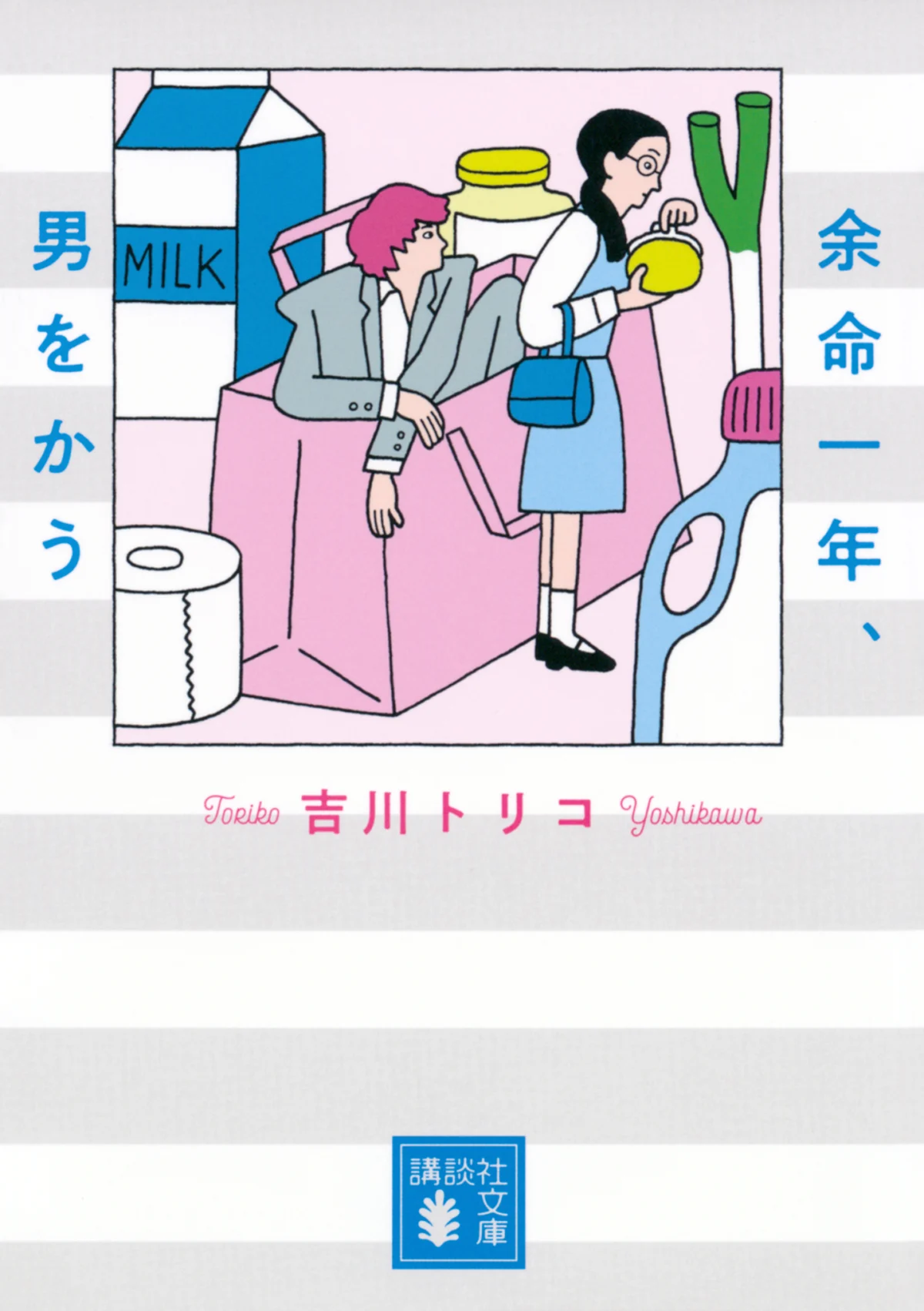
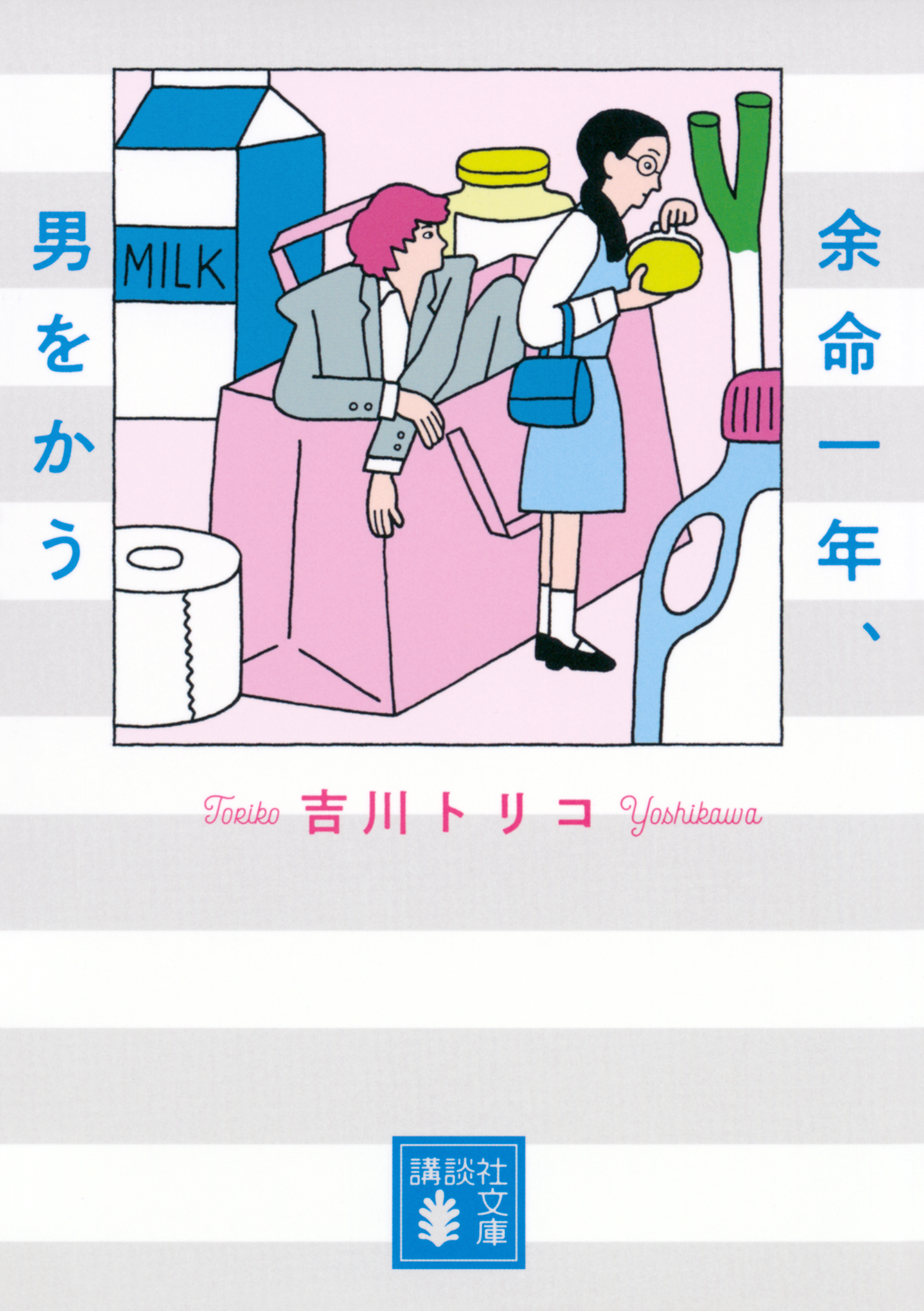
- Pre-2025: The novel by Toriko Yoshikawa establishes a cult following in Japan, praised for its sharp commentary on the obsession with financial stability and the societal pressures surrounding modern life in Tokyo.
- Early 2026: Netflix officially announces the adaptation as part of its 2026 slate, confirming the casting of Ko Shibasaki and Eiji Akaso.
- Mid-2026: Production commences under the guidance of AOI Pro, with location scouting focused on capturing the dichotomy of the city’s sterile financial districts and the neon-lit, high-stakes world of nightclub entertainment.
- November 2026: The global release is set for November 5, following a strategy designed to capitalize on end-of-year award consideration cycles and holiday viewership trends.
Narrative Premise and Character Dynamics
The story centers on Yui Katakura, a 40-year-old woman who has spent her adult life tethered to the principles of extreme austerity. For Yui, financial security was not just a goal but a defining identity, leading her to eschew marriage, romance, and the pursuit of personal fulfillment. Her worldview is shattered during a routine medical examination when she is diagnosed with cancer and informed she has approximately one year to live.

The narrative pivot occurs when Yui, rather than falling into despair, finds an unexpected sense of liberation. With no future to plan for, the necessity of frugality vanishes. This newfound nihilistic freedom brings her into the path of Sena, a struggling nightclub host with distinctive pink hair who finds himself in desperate need of liquidity. Their interaction—a transaction where Yui "buys" the presence of a man for 720,000 yen—serves as the catalyst for the film’s central emotional arc.
The film explores the unconventional bond that forms between two individuals living on the margins of their respective worlds. While Yui faces the literal expiration of her life, Sena navigates the precarious nature of the gig economy and the superficiality of the nightlife industry. Their relationship is framed not as a traditional romance, but as a mutual interrogation of what it means to be truly alive when societal expectations are removed.
Cast Profiles and Industry Context
The casting of Ko Shibasaki and Eiji Akaso represents a strategic choice, blending established prestige with rising international popularity.
Ko Shibasaki, cast as Yui Katakura, brings a career spanning decades of diverse roles. Known for her work in the seminal cult classic Battle Royale and more recent performances in Serpent’s Path and Silent Parade, Shibasaki is widely regarded as one of Japan’s most versatile actresses. Her debut in a Netflix Original project is significant, as it indicates a shift toward top-tier Japanese talent moving into the global streaming space, following the success of actors like Kento Yamazaki and Tao Tsuchiya in recent years.
Eiji Akaso, cast as the enigmatic host Sena, represents the newer generation of Japanese stars who have successfully transitioned to global platforms. Akaso has already established a rapport with Netflix audiences through his lead role in the viral sensation Zom 100: Bucket List of the Dead, as well as his performance in Inheritance Detective. His ability to balance comedic timing with vulnerable, grounded performances makes him an ideal foil for the more stoic, restrained character of Yui.
Market Implications and Global Reach
The release of One Year to Live, Buy a Man arrives at a time when Netflix is aggressively increasing its investment in the Japanese market. Industry analysts have noted that local language content has become a primary driver for subscriber retention in non-English speaking markets, while simultaneously performing well in international territories.
The film’s focus on the "salaryman" culture, the loneliness of urban living, and the fragility of life aligns with universal themes that have historically resonated with global audiences. By tackling these issues through a distinctly Japanese lens—specifically the world of nightclub hosts and the rigid social expectations of the 40-something demographic—the film offers a unique perspective that differentiates it from Western dramas of similar themes.
Furthermore, the involvement of Kodansha—a major publisher—highlights the growing trend of media conglomerates leveraging their intellectual property catalogs to feed the insatiable demand for streaming content. This collaborative ecosystem ensures that the film is backed by both a strong narrative foundation and the logistical support of one of Japan’s most influential media entities.
Socio-Economic Commentary
At its core, the film serves as a critique of the "saving for the future" culture that has defined much of Japan’s post-war economic history. The juxtaposition of Yui’s extreme frugality against the backdrop of a terminal diagnosis provides a platform to discuss the trade-offs between stability and experience.
The character of Sena, representing the transient nature of the modern service industry, adds a layer of economic commentary. His desperation for money and Yui’s willingness to spend it creates a transactional dynamic that evolves into a critique of how relationships are valued in a hyper-capitalist society. Whether the film remains a dark comedy or leans into a more melancholic drama remains to be seen, but the premise provides ample room for both.

Conclusion and Expectations
As November 5, 2026, approaches, anticipation for the film is building within the J-drama community. The combination of a respected director like Hiroki Kazama, the writing of Yoshikazu Okada, and a compelling lead duo ensures that the film will be a focal point of discussion during the fourth quarter of 2026.
The success of this film will likely influence the future trajectory of Netflix’s Japanese content strategy. If it performs well, it will reinforce the viability of adapting contemporary literature rather than relying solely on manga or anime adaptations, potentially opening doors for a wider array of mature, character-focused dramas. For viewers, the film promises an emotionally resonant experience that challenges the viewer to consider the value of time, money, and the unexpected connections that emerge when one has nothing left to lose.