



The video game industry is witnessing what appears to be the final chapter for Build A Rocket Boy, the ambitious development studio founded by industry veteran and former Rockstar North president Leslie Benzies. Following a prolonged period of financial instability, operational restructuring, and critical failure, the company is reportedly in the final stages of winding down its operations. This latest wave of staff departures, confirmed by numerous former employees across professional networking platforms, follows a series of significant workforce reductions that have plagued the Edinburgh-based developer throughout the 2024 calendar year.
The atmosphere surrounding the studio has shifted from one of high-concept ambition to one of survival and, ultimately, dissolution. Principal talent acquisition officer Dan Hawkins recently confirmed the dire state of the firm via a LinkedIn update, stating he is assisting in the final closure of the company’s human resources department while seeking new employment for himself and his departing colleagues. This disclosure serves as one of the most explicit indicators to date that Build A Rocket Boy is not merely undergoing a strategic pivot, but is instead ceasing all development and administrative functions.
A Chronology of Decline
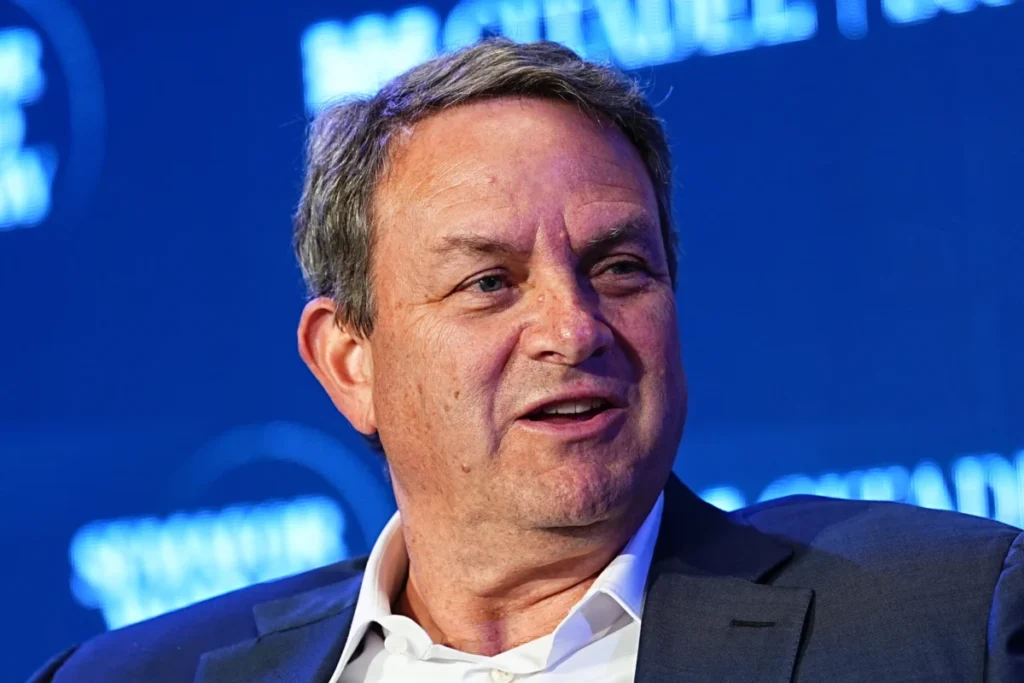
The trajectory of Build A Rocket Boy has been defined by a stark contrast between its lofty initial vision and the reality of its output. When Leslie Benzies announced the formation of the studio, industry observers anticipated a title that could challenge the dominance of Rockstar Games, particularly given Benzies’ central role in the creation of the Grand Theft Auto franchise.
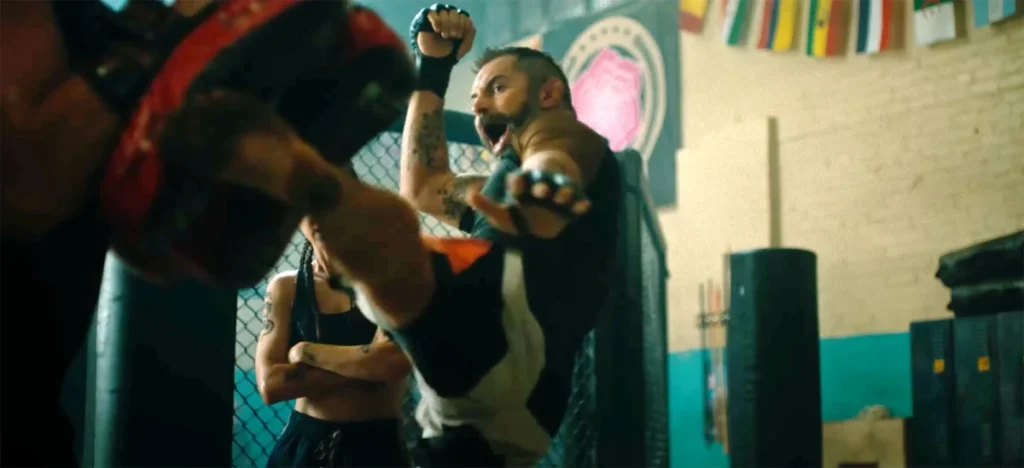
The studio’s flagship project, MindsEye, was initially framed as the centerpiece of a sprawling, user-generated content platform titled EVERYWHERE. The project aimed to bridge the gap between traditional narrative-driven action games and the social, creative sandbox mechanics popularized by platforms like Roblox. However, as development progressed, the scope of the project underwent massive contractions. The grand, interconnected ecosystem originally promised was slowly whittled down, eventually leading to a standalone release of MindsEye that failed to meet expectations.
The timeline of the studio’s decline accelerated rapidly in 2024:
- Early 2024: The studio began to experience significant internal pressure as the launch of MindsEye neared, with mounting reports of development friction and technical challenges.
- Mid-2024: Following a widely panned reception to MindsEye, the studio initiated its first major round of redundancies.
- May 2024: Reports emerged indicating that approximately 170 staff members were laid off in a sweeping effort to cut operational costs.
- Summer 2024: Internal morale reached a nadir when staff staged a protest against management decisions, specifically targeting an "all expenses paid" promotional event for fans, which many employees viewed as tone-deaf in light of the ongoing layoffs.
- Late 2024: The final wave of layoffs commenced, affecting key personnel across audio, level design, and quality assurance, signaling the terminal phase of the studio’s operations.
The Failure of MindsEye
The critical and commercial failure of MindsEye stands as the catalyst for the studio’s current predicament. Upon release, the title was met with universal disapproval from both critics and the gaming community. Reviews highlighted a combination of narrative incoherence, substandard combat mechanics, and pervasive technical issues that hindered the user experience.
Beyond the gameplay itself, the studio’s leadership faced intense scrutiny for their reaction to the poor reception. Rather than engaging in standard industry damage control or acknowledging the design flaws, the company’s executives publicly alleged that the game’s failure was the result of a coordinated sabotage effort by unknown external actors. This defensive posture alienated industry observers and further damaged the studio’s reputation, casting doubt on the leadership’s ability to navigate the challenges of modern game development.
.jpg?width=570&quality=85&format=jpg&dpr=3)
The product was criticized for being an unoptimized, disjointed experience that felt disconnected from the high-fidelity aesthetic promised in initial marketing materials. The failure to deliver on the "make-your-own-game" promise—which had been the primary hook for potential players—left the community feeling misled, further accelerating the decline in the project’s player base and long-term viability.
Financial and Operational Context
The gaming industry has seen a massive contraction in 2024, with thousands of developers losing their jobs across major publishers and independent studios. However, Build A Rocket Boy’s situation is distinct due to the scale of the layoffs relative to the size of the company. Losing 170 staff members in a single round, followed by the complete dissolution of the studio, suggests a catastrophic collapse of funding or an inability to secure the necessary capital to sustain the studio’s burn rate.
The reliance on a single, high-risk project like MindsEye left the company without a safety net. When that project failed to generate the required revenue or critical acclaim, the company found itself without a viable business model. The departure of key personnel, including heads of audio and lead quality assurance analysts, effectively stripped the studio of its capacity to provide post-launch support, patches, or future development, making the decision to shutter the company an inevitable conclusion for stakeholders.
Industry Implications and Broader Trends
The closure of Build A Rocket Boy serves as a cautionary tale regarding the "AAA-independent" model. By attempting to compete with industry giants while maintaining the agility of a smaller studio, Build A Rocket Boy found itself caught in a precarious middle ground. The resources required to build a massive, platform-based experience are significant, and the market for such titles is incredibly saturated.
Furthermore, the events at Build A Rocket Boy underscore a growing trend of labor unrest in the gaming sector. The protest organized by staff members this past summer highlights a widening rift between executive management and the workforce, particularly regarding the allocation of resources. While management focused on external PR events to build hype, the internal reality was one of job insecurity and shrinking project scope. This misalignment often leads to the loss of top-tier talent, which further cripples a studio’s ability to recover from a failed product launch.
As the industry continues to consolidate, the loss of studios like Build A Rocket Boy—even those that fail to deliver—removes a significant player from the ecosystem. It also raises questions about the oversight of venture capital and private investment in gaming startups. Investors, who initially poured significant funds into Leslie Benzies’ vision, have been forced to write off their investments as the reality of the studio’s output failed to align with market demands.
Conclusion
As of this writing, Build A Rocket Boy has not issued a formal press release confirming the total closure, though the internal signals are definitive. The studio, which once held the promise of disrupting the gaming industry, now serves as a case study in the dangers of over-ambition and the volatile nature of the modern software market.
For the former employees—including those in audio, design, and production who have now confirmed their departures—the focus shifts to the broader job market. For the industry at large, the closure of the studio marks the end of a high-profile experiment. As the last of the HR staff finalize the administrative tasks associated with the wind-down, the legacy of Build A Rocket Boy will likely be defined by the cautionary lessons it provides regarding project management, the necessity of realistic scaling, and the critical importance of maintaining transparency with both consumers and staff. Whether any of the studio’s intellectual property will be salvaged or repurposed by other entities remains to be seen, but for now, the machines at Build A Rocket Boy have effectively stopped running.