


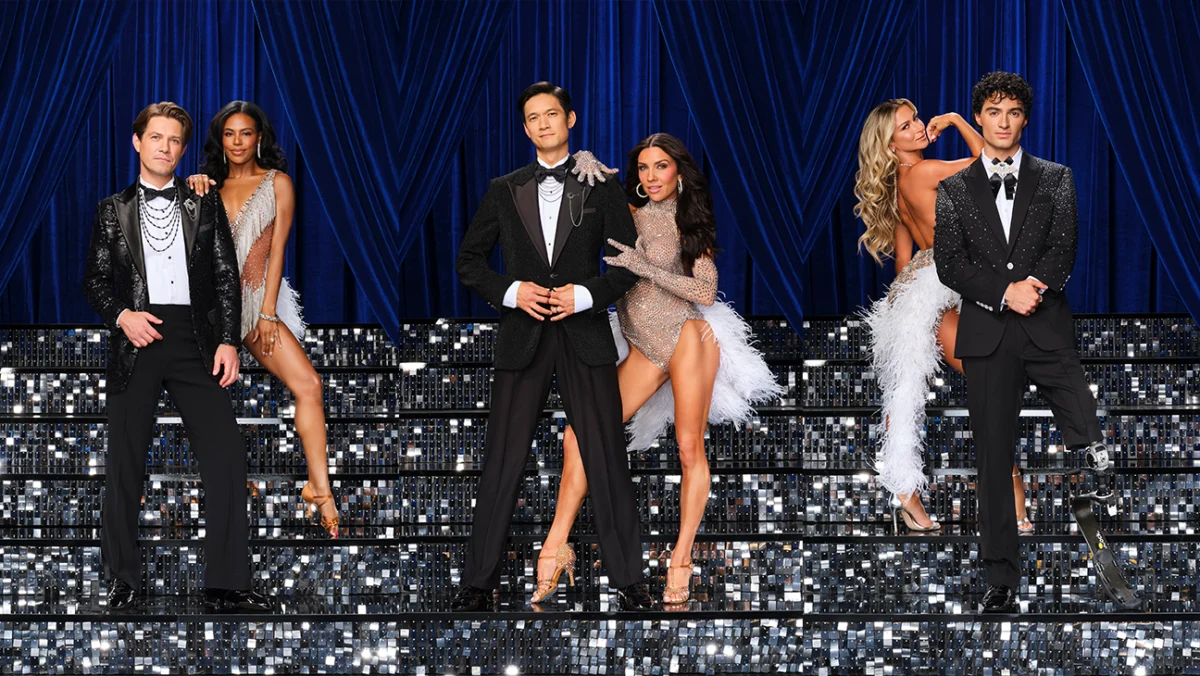
The long-running ballroom competition has officially returned for its landmark 35th season, debuting with a strategic structural change designed to highlight each of the 16 celebrity contestants. In a move aimed at maximizing screen time and allowing the audience to better familiarize themselves with the diverse array of talent, producers have opted for a split-premiere format. The male contestants took to the floor on Tuesday night, while the female celebrities are set to make their series debuts on Wednesday. This high-production approach follows the success of the show’s 34th season, which garnered significant industry attention and an Emmy nomination, reinforcing the franchise’s enduring cultural footprint in the reality television landscape.
A Format Built for Exposure
The decision to divide the premiere by gender serves a specific logistical purpose within the context of such a large cast. With 16 couples competing simultaneously, initial episodes in previous years often felt rushed, leaving little room for judges’ critiques or meaningful introductions. By halving the field for the opening two nights, the production team ensures that each pairing—a mix of seasoned professional dancers and high-profile celebrities—has the opportunity to showcase their chemistry and technical progress.
The theme for the opening week is a nostalgic nod to the participants’ personal histories: each couple is tasked with performing a routine set to a song that hit the number-one spot on the charts during the year of their birth. This creative choice serves as a narrative device, grounding the performances in the personal identity of the stars while providing a consistent musical thread for the audience to follow.
The Men’s Field: A Diverse Roster of Competitors
Tuesday night’s debut featured a eclectic group of men, ranging from professional athletes and reality television staples to accomplished actors and viral influencers. The lineup included:
- Tyler Cameron: The Bachelorette alum, known for his physical fitness and reality background, paired with professional dancer Sharna Burgess.
- Ezra Frech: A Paralympic gold medalist, whose inclusion represents a continued effort by the show to platform athletes with diverse physical experiences. He is partnered with Daniella Karagach.
- Taylor Hanson: The multi-platinum musician from the band Hanson, paired with Britt Stewart.
- Conner Leavitt: Known for his association with the Secret Lives of Mormon Wives franchise, partnered with Adele Zaikman.
- Jackson Olson: A standout from the Savannah Bananas, an exhibition baseball team known for its entertainment-first approach, partnered with Emma Slater.
- Guillermo Rodriguez: The beloved Jimmy Kimmel Live! personality, paired with Witney Carson.
- Harry Shum Jr.: An accomplished actor and dancer best known for his roles in Grey’s Anatomy and Glee, partnered with Jenna Johnson.
- Connor Wood: The digital creator and comedian, paired with Rylee Arnold.
The technical proficiency of this group varied significantly, as is standard for the first week of the competition. However, the presence of performers with professional dance backgrounds, such as Shum Jr., alongside those with no prior formal training, creates the classic "growth arc" that remains the hallmark of the Dancing With the Stars format.
The Upcoming Women’s Showcase
The competition shifts focus on Wednesday night, when the eight female celebrities will perform for the first time. The list includes:
- Tatyana Ali: The Fresh Prince of Bel-Air star, bringing a strong nostalgic following.
- Giada De Laurentiis: The renowned celebrity chef and Food Network host.
- Jenna Dewan: An actress and professional dancer, widely considered a front-runner given her background in dance performance.
- Amber Glenn: The Olympic gold medalist, bringing elite-level athletic discipline to the ballroom.
- Maura Higgins: A reality television veteran known for her appearances on Love Island and The Traitors.
- Ciara Miller: A staple of the Summer House reality universe.
- Sarah Jane Nader: A reality personality appearing from Love Thy Nader.
- Julia Stiles: The celebrated actress, famous for her iconic work in 10 Things I Hate About You.
Voting Mechanics and Elimination Risks
The stakes for the season 35 premiere are elevated by the inclusion of an immediate elimination. In the DWTS format, the couple with the lowest aggregate score—a combination of the judges’ technical evaluations and the live audience vote—will be sent home at the conclusion of each episode.
This presents a challenge for viewers, particularly those on the West Coast. Because voting takes place in real-time during the East Coast broadcast, viewers in Pacific time zones have a significantly condensed window to influence the outcome. To ensure their favorites remain in the competition, West Coast fans must cast their votes between 5 p.m. PT and roughly 7:45 p.m. PT, as the polls close shortly after the final performance of the night concludes. This high-pressure environment underscores the necessity for contestants to build an immediate rapport with the home audience, as technical skill alone may not be sufficient to survive the initial cuts.
The Evolution of the DWTS Ecosystem
The success of Dancing With the Stars in its 35th year is a testament to its ability to adapt to changing media consumption habits. By simulcasting across ABC and Disney+, and providing next-day streaming via Hulu, the show successfully bridges the gap between traditional linear television and the on-demand digital era.
Analysts often point to the show’s "brand-safe" nature and its appeal to a cross-generational demographic as key reasons for its longevity. Unlike more niche reality competitions, DWTS manages to capture a wide swathe of the American public, from the younger, social-media-savvy demographic interested in influencers like Connor Wood to the older, more traditional viewerbase loyal to established actors and television stars.
The Emmy nomination for season 34 further signals that the show has managed to maintain a high level of production quality. The elaborate sets, high-concept musical arrangements, and the involvement of high-tier professional choreographers continue to set a benchmark for prime-time dance competitions.
Broader Implications for Reality Television
The casting choices for season 35 also highlight a broader trend in reality television: the "crossover" star. By incorporating talent from platforms as diverse as the Food Network, professional sports, and digital-first social media platforms, the show is essentially acting as a cultural aggregator. When an audience tunes in to watch a star from The Secret Lives of Mormon Wives or a baseball player from the Savannah Bananas, they are being introduced to segments of the entertainment industry that were previously siloed.
Furthermore, the inclusion of individuals like Ezra Frech serves to normalize inclusivity in prime-time entertainment. When a show with the reach of Dancing With the Stars provides a platform for diverse athletes, it shifts the public perception of what "dancers" look like and what they are capable of achieving. This, in turn, helps maintain the show’s relevance as a progressive voice in the mainstream media landscape.
Looking Ahead: The Path to the Mirrorball Trophy
As the competition progresses beyond the premiere, the focus will inevitably shift from introductory routines to the mastery of specific styles, such as the Viennese waltz, the tango, and the quickstep. The early elimination of one couple will serve as a stark reminder that in the ballroom, momentum is everything.
While the judges—Len Goodman’s legacy and the current panel—look for technical precision, posture, and footwork, the voting public often prioritizes charisma, storytelling, and the "journey" of the celebrity. The couples who manage to balance these two competing interests will likely be the ones to progress to the final stages of the competition.
For the participants, the next few weeks will involve grueling rehearsals, high-stakes live performances, and the constant pressure of public scrutiny. For the production, the challenge remains to keep the format fresh while honoring the traditions that have made it a staple of American television for over two decades. As the lights dim on the premiere nights, the real test of character and skill begins, with 16 stars vying for the coveted Mirrorball Trophy. The audience, meanwhile, remains the ultimate arbiter of who stays and who goes, ensuring that season 35 will be as unpredictable as it is entertaining.