




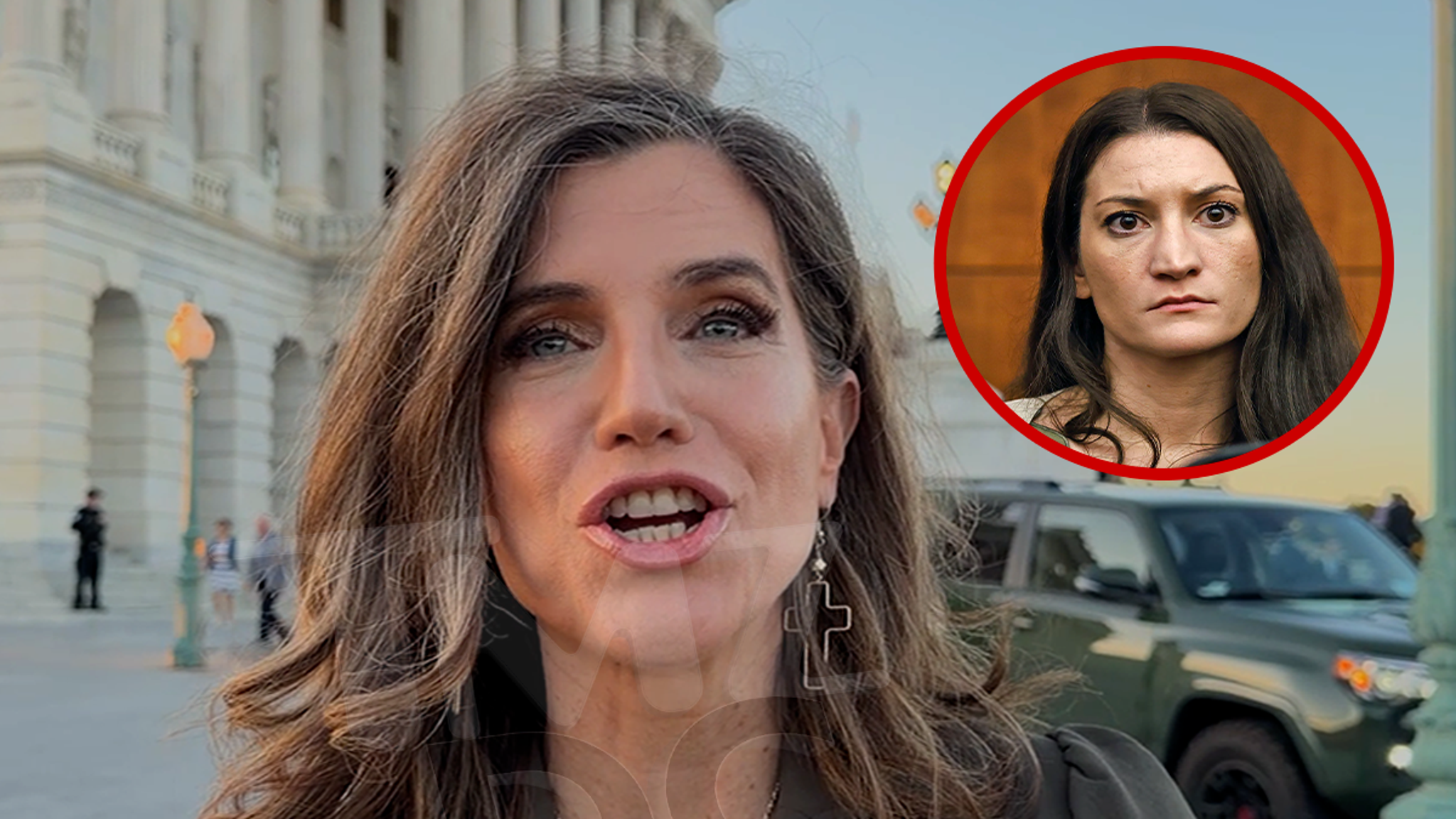
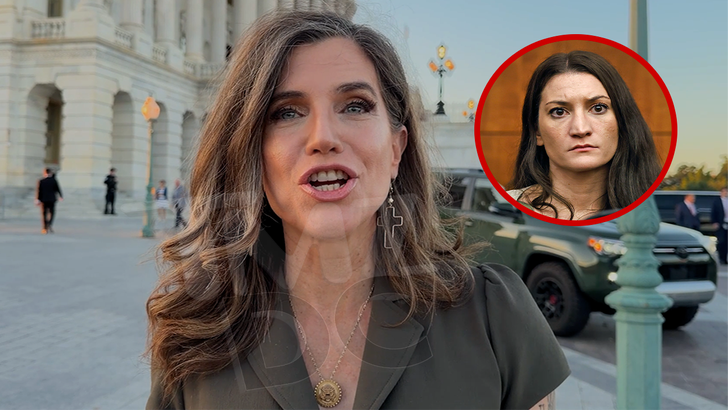
The legal and political controversy surrounding the high-profile Massachusetts murder case of Lindsay Clancy intensified significantly following explosive remarks from South Carolina Representative Nancy Mace. Speaking publicly on the matter, Congresswoman Mace asserted that Clancy, the Massachusetts mother accused of strangling her three young children in January 2023, should face a public execution. The comments arrive in the wake of a highly publicized mistrial and underscore the deeply polarizing nature of a case that intersects severe mental health crises, the limits of the American legal system, and the intersection of crime and national politics.
The remarks from Representative Mace represent some of the most severe rhetoric issued by a federal lawmaker regarding an ongoing state-level criminal proceeding. Discussing the case and the subsequent defense strategies aimed at resolving the charges without a second trial, Mace did not mince words. In an interview with reporter Jacob Wasserman, the South Carolina Republican argued that the gravity of the crime demands the ultimate retribution, stating plainly, "Her children are dead, she should be dead too." Furthermore, Mace criticized ongoing efforts by Clancy’s defense team to secure executive clemency or a presidential pardon, using sharp language to condemn defense attorney Kevin Reddington’s public appeal to the White House.
Background and the 2023 Tragedy
The origins of the case date back to January 24, 2023, in Duxbury, Massachusetts, a quiet suburban community south of Boston. Emergency responders arrived at the Clancy family home following a 911 call placed by Lindsay Clancy’s husband, Patrick Clancy, who discovered his wife had severely injured herself after allegedly harming their three children: 5-year-old Cora, 3-year-old Dawson, and 8-month-old Callan. The children were found unconscious and unresponsive, having been strangled. They were transported to local hospitals, where they tragically succumbed to their injuries over the following days. Lindsay Clancy survived a suicide attempt made during the incident, which left her paralyzed from the waist down.
From the earliest stages of the investigation, the defense team, led by attorney Kevin Reddington, maintained that Clancy was suffering from acute, undiagnosed, and severe postpartum psychosis at the time of the killings. Medical experts and defense psychiatrists have argued that the condition completely detached Clancy from reality, robbing her of the capacity to understand the nature of her actions or conform her behavior to the law. Postpartum psychosis is a rare and severe mental illness that can affect new mothers, often characterized by hallucinations, delusions, and severe mood disturbances. The defense presented extensive medical records, expert testimony, and accounts of Clancy’s rapidly deteriorating mental health—including her interactions with numerous healthcare providers in the weeks leading up to the tragedy—to argue that she was not criminally responsible for the deaths of her children.
Conversely, prosecutors in Plymouth County have maintained that Clancy’s actions were calculated and deliberate. The state pointed to evidence indicating that Clancy meticulously planned the timing of the murders, utilizing a brief window when her husband was out of the house running errands to carry out the acts before attempting to take her own life. The prosecution argued that while Clancy undoubtedly suffered from postpartum depression and anxiety, she did not meet the stringent legal threshold for a lack of criminal responsibility due to insanity at the exact moment the crimes were committed.
The 2026 Mistrial and Legal Impasse
The case culminated in a dramatic trial that gripped public attention nationally. After weeks of emotional testimony, graphic evidence, and intense debate over the nuances of maternal mental health, the case went to the jury in late August 2026. Deliberations extended over several days, highlighting deep divisions among the jurors regarding Clancy’s mental state.
On September 4, 2026, the presiding judge declared a mistrial after the jury announced it was hopelessly deadlocked. Reports emerged that 11 jurors were inclined to find Clancy not criminally responsible by reason of insanity, while a single holdout refused to join the consensus, preventing a unanimous verdict. A mistrial places the case back at square one, leaving prosecutors with the decision of whether to invest the time, resources, and emotional toll of mounting a second full trial, or to seek an alternative resolution.
In the wake of the mistrial, defense attorney Kevin Reddington took an unconventional legal route by publicly appealing to President Donald Trump for a federal pardon or executive intervention. The strategy drew immediate scrutiny from legal scholars and political commentators alike, primarily because the charges against Clancy—first-degree murder—are state-level offenses managed by the Commonwealth of Massachusetts. Under the United States Constitution, presidential pardon power is strictly limited to federal crimes and offenses committed against the United States, meaning the White House has no legal authority to intervene in a state prosecution.
President Trump addressed the matter publicly, acknowledging the horrific nature of the tragedy while clarifying the jurisdictional boundaries. Noting that Clancy committed a "horrible, horrible thing" that warrants a severe price—whether through institutionalization or incarceration—Trump reiterated that the case remains outside the purview of federal executive clemency and indicated that the legal process would likely proceed toward a retrial.
Political Reactions and the Debate Over Executive Clemency
Representative Mace’s vocal condemnation of both Clancy and her defense attorney highlights the ways in which high-profile criminal cases frequently bleed into the national political discourse. Lawmakers wading into active state-level prosecutions—particularly to demand public executions or to deride defense strategies—reflect a broader trend of the politicization of the American justice system.
Legal ethics experts frequently caution that public commentary from elected officials regarding ongoing trials can risk influencing public opinion and, in extreme cases, potential future jurors. However, politicians on both sides of the aisle have increasingly utilized media platforms to voice visceral reactions to violent crimes, tapping into public outrage over child homicides and perceived loopholes in the insanity defense.
Mace’s explicit call for a public execution also places a spotlight on the ongoing debate surrounding capital punishment in the United States. While capital punishment remains legal under federal law and within several individual states, Massachusetts abolished the death penalty for state crimes in 1984. Consequently, even if Clancy were convicted of first-degree murder in a second trial, a sentence of death by any means—let alone a public execution—is legally impossible under current Massachusetts state statute, which mandates a sentence of life imprisonment without the possibility of parole for the crime of first-degree murder.
Implications for the Future of the Prosecution
As the legal teams and the Plymouth County District Attorney’s Office evaluate their next steps following the mistrial, the pressure surrounding the case continues to mount. The defense maintains that putting a severely disabled woman suffering from profound psychiatric trauma through a second trial is an unnecessary and cruel endeavor, advocating instead for a negotiated settlement that would place Clancy in a secure psychiatric facility for the remainder of her life rather than a traditional prison environment.
On the other side, victims’ advocates, community members, and vocal critics such as Representative Mace argue that any outcome short of strict penal accountability fails to honor the lives of the three children who lost their lives. The emotional resonance of the case ensures that whenever prosecutors announce their decision regarding a retrial, it will ignite another wave of intense national debate.
The intersection of severe mental illness, maternal postpartum psychosis, and the administration of criminal justice remains one of the most challenging areas of American jurisprudence. Cases involving postpartum psychosis force the legal system to grapple with the profound limits of human culpability when mental disease entirely fractures the mind. As the Clancy case moves toward its next chapter, the polarized reactions of lawmakers like Representative Mace demonstrate that the road to resolution will remain fraught with profound emotional, political, and legal friction.