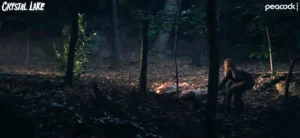
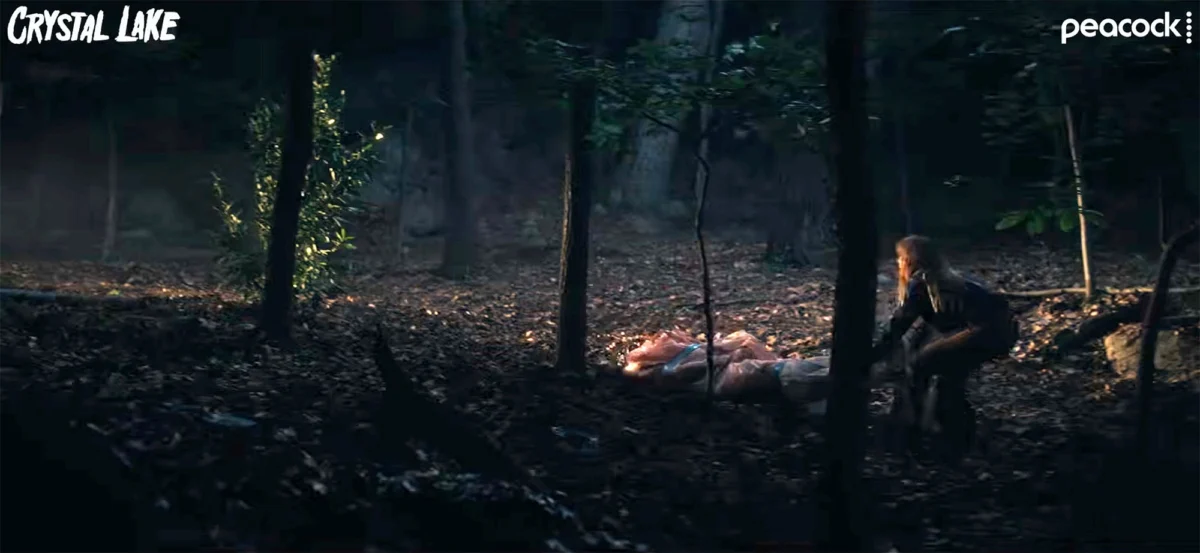
The landscape of modern horror television is set to expand significantly this autumn with the arrival of Crystal Lake, an eight-episode prequel series to the landmark 1980 slasher film Friday the 13th. Developed jointly by studio powerhouse A24 and streaming platform Peacock, the series explores the troubled history of the infamous New Jersey campgrounds and the tragedy that birthed one of cinema’s most recognizable antagonists, Jason Voorhees. Following an extensive development cycle and heightened anticipation among genre enthusiasts, the production has released its official full-length trailer, accompanied by confirmation of a high-profile premiere at the upcoming Toronto International Film Festival (TIFF) before its wider streaming debut on October 15, 2026.
Helmed by creator, writer, and showrunner Brad Caleb Kane—whose previous television credits include Fringe, Black Sails, and It: Welcome to Derry—Crystal Lake aims to ground the supernatural-adjacent slasher mythology in psychological drama and period-accurate suspense. The series stars Linda Cardellini in the central role of Pamela Voorhees, alongside Callum Vinson as a young Jason Voorhees. The principal cast also features William Catlett, Devin Kessler, Cameron Scoggins, Phoenix Parnevik, and Gwendolyn Sundstrom.
Background Context and Production Origins
The genesis of Crystal Lake traces back through years of complex legal battles regarding the intellectual property rights of the original 1980 motion picture. Creator Victor Miller and director Sean S. Cunningham engaged in prolonged litigation concerning the domestic copyright of the screenplay and characters. Once legal clarifications allowed for the expansion of the franchise, producers began exploring avenues to translate the cinematic universe into long-form television. A24 eventually secured the rights, partnering with Peacock to greenlight the straight-to-series project.

Production decisions emphasize authenticity to the cinematic source material. The production team returned directly to Camp No-Be-Bo-Sco in Blairstown, New Jersey—the exact geographic location and operational summer camp utilized during the filming of the original 1980 feature. By utilizing the authentic New Jersey backdrop where the legend of Jason Voorhees was first established on film, the production aims to replicate the atmospheric isolation and rustic dread that defined the original slasher classic.
Chronology of Plot and Narrative Arc
Set prior to the events of the 1980 film, the narrative of Crystal Lake chronicles the life of Pamela Voorhees as a single mother struggling to process her profound grief. Nearly a year has passed since her young, sickly son, Jason, tragically drowned in the town lake under circumstances that left deep emotional scars and lingering community suspicions.
The plot officially sets into motion when two mysterious strangers arrive at Pamela’s residence, actively digging into her past and threatening to unearth long-buried secrets. This intrusion triggers a disturbing chain of events that exposes the dark underbelly of the small, doomed town of Camp Crystal Lake. As paranoia grips the community, townspeople are forced to confront unsettling questions regarding the true nature of Pamela Voorhees and the systemic failures that preceded the campground’s closure.
Series direction is divided among a collective of filmmakers, including Logan George, Celine Held, Michael Lennox, and Quyen Tran. Executive producers on the project comprise Brad Caleb Kane, original writer Victor Miller, Marc Toberoff, Robert M. Barsamian, Robert P. Barsamian, Stuart Manashil, Michael Lennox, and Tyson Bidner. In addition to its domestic distribution on Peacock, the series is slated for international territories via Sky.

Supporting Data and Franchise Legacy
The release of Crystal Lake marks a major milestone for a cinematic franchise that has remained dormant in terms of new screen content for well over a decade. The original Friday the 13th, directed by Sean S. Cunningham and released by Paramount Pictures, became a watershed moment for the horror genre. Produced on a modest budget of approximately $550,000, the film grossed nearly $60 million worldwide at the box office, proving the immense commercial viability of the slasher subgenre during the early 1980s.
Over the subsequent decades, the franchise expanded into a massive pop-culture phenomenon, spawning a total of 11 theatrical sequels, crossover films—such as 2003’s Freddy vs. Jason—and a 2009 cinematic reboot. Despite the vast quantity of sequels, the overarching narrative primarily focused on the adult, hockey-masked incarnation of Jason Voorhees wreaking havoc on successive generations of camp counselors. Crystal Lake diverges from this established chronological path by shifting the focal point backward, exploring the psychological trauma and maternal motivation that predated the supernatural slasher lore.
Industry Implications and Streaming Strategy
The strategic rollout of Crystal Lake highlights broader shifts in how major streaming platforms and independent studios handle prestigious horror intellectual property. By leveraging A24—a studio widely recognized for critically acclaimed, elevated horror projects such as Hereditary, Midsommar, and Talk to Me—Peacock aims to attract both traditional horror completionists and contemporary prestige television audiences.

Furthermore, booking a premiere slot at the Toronto International Film Festival signals confidence in the artistic merit and production values of the series. Traditionally, high-budget genre television series debut exclusively through digital marketing campaigns or fan conventions rather than major international film festivals. By presenting the series to critics and industry professionals at TIFF weeks prior to its public streaming launch, A24 and Peacock are positioning Crystal Lake as a serious dramatic work rather than a standard cash-in on a legacy franchise.
The decision to release the eight-episode series on October 15, 2026, aligns with the lucrative autumn window leading up to Halloween, a peak period for horror consumption across linear and digital platforms. As subscriber acquisition and retention become increasingly competitive among major streaming services, branded prequels and franchise extensions continue to serve as cornerstone assets for platform differentiation.
Critical Reception and Audience Expectations
Initial reactions to the recently released promotional materials—including the official teaser, full-length trailer, and promotional poster art—have been largely favorable across entertainment media outlets. Industry analysts note that the footage successfully balances atmospheric tension with period-appropriate set design, avoiding the overly polished digital aesthetic that occasionally plagues modern streaming television.
Questions regarding the necessity of a prequel within an already extensive 12-film franchise remain a topic of debate among longtime fans. However, early critical consensus suggests that the involvement of creative personnel experienced in complex, serialized storytelling—such as Brad Caleb Kane—provides structural integrity uncommon in traditional slasher revivals. Whether Crystal Lake can successfully bridge the gap between classical 1980s exploitation cinema and prestige television drama will be determined when the series officially debuts on Peacock this October.