


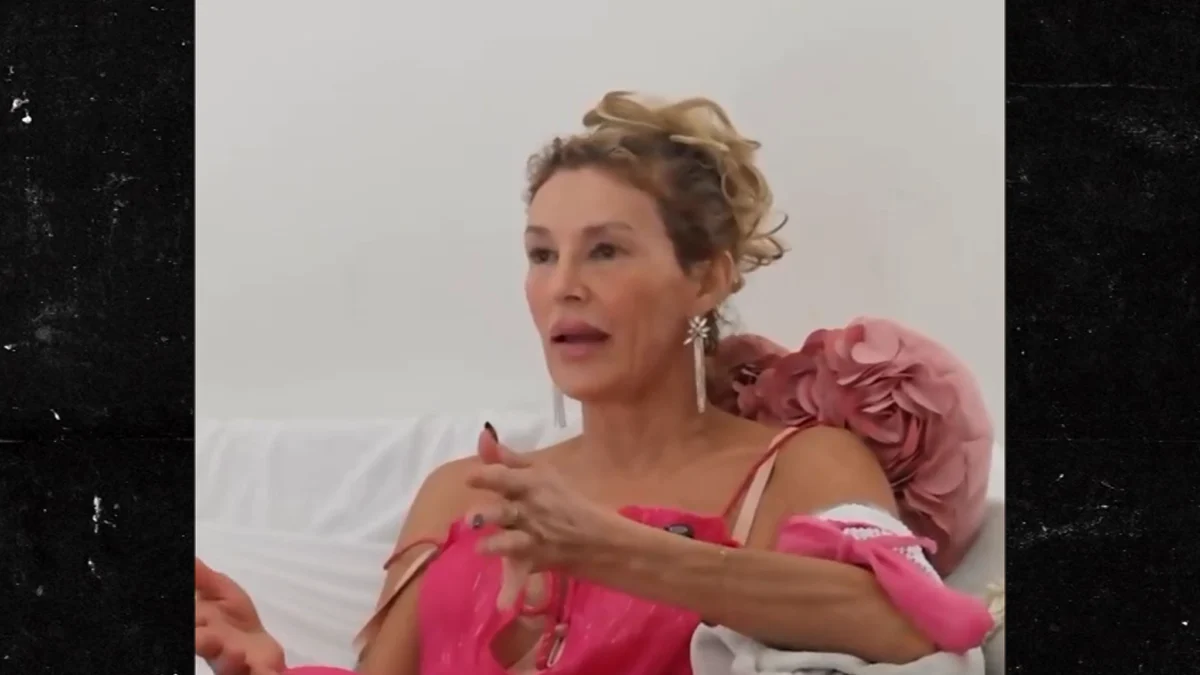
The financial toll of chronic and complex illness can push even public figures to a breaking point, a reality recently laid bare by former reality television star Brandi Glanville. During a candid and tearful conversation on her podcast with co-host James Maas, the former Real Housewives of Beverly Hills cast member opened up about the profound embarrassment and vulnerability she feels over launching a public crowdfunding campaign. Faced with staggering out-of-pocket medical expenses that accumulate to approximately $7,000 every single week—even after accounting for health insurance coverage—Glanville admitted that she felt she had no other viable options left to sustain her ongoing medical treatments.
The emotional confession highlights a growing crisis within the intersection of celebrity wellness, chronic illness, and the prohibitive costs associated with specialized healthcare in the United States. As creditors persistently call and the expenses required to maintain her treatment protocol mount, Glanville’s situation has brought widespread public attention to the systemic financial burdens placed upon individuals battling rare or treatment-resistant medical conditions.
The Anatomy of a Medical Crisis
The roots of Glanville’s current financial distress lie in a complex and debilitating array of health issues that have severely impacted her quality of life over recent months. According to medical disclosures and statements released by the reality star, she is currently battling a multifaceted assortment of severe infections and dermatological conditions.
Among her diagnoses are highly resistant strains of ESBL (Extended-Spectrum Beta-Lactamase-producing) Klebsiella and Enterobacter, both complicated by biofilm formation, which makes eradication notoriously difficult for medical professionals. Additionally, she is coping with Coccidioidomycosis—commonly known as Valley Fever, a fungal infection native to the southwestern United States—alongside Demodex dermatitis and mononucleosis.

The treatment protocol for such an aggressive combination of pathogens requires extensive, specialized interventions. According to details outlined on the official GoFundMe page titled "Standing with Brandi Glanville Through Her Treatment," the funds collected are designated for a comprehensive range of necessary expenditures. These include regular intravenous (IV) treatments, specialized medications, consultations with medical specialists, upcoming surgeries and specialized procedures, necessary dental work, escalating insurance premiums, and basic day-to-day living expenses while she remains unable to work at full capacity.
Glanville explained to her listeners that the financial pressure is unrelenting. Stopping payments, she noted, is simply not an option, as a cessation of treatment would immediately halt her access to critical medications and stall any potential progress in recovering from her myriad health battles. Despite the necessity of the funds, the public nature of the GoFundMe campaign has been a source of deep personal distress for the television personality. She confessed that she often wishes people would not look at the page, torn between her desire for privacy and the stark economic reality of her survival.
A Timeline of Escalating Health and Financial Strain
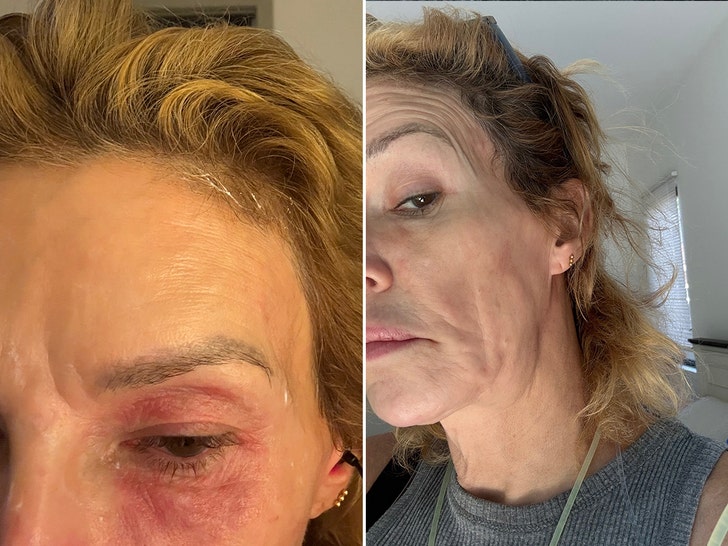
To fully understand Glanville’s current predicament, it is necessary to examine the timeline of events that led to the establishment of the crowdfunding initiative in September 2026. Over the past several years, Glanville has occasionally updated her fanbase regarding various health anomalies, particularly concerning changes in her facial structure and chronic fatigue symptoms. However, the severity of her condition escalated significantly as multi-system infections took hold.
By late summer 2026, the cumulative cost of specialized physicians, compounded pharmaceuticals, and frequent hospital visits began to outstrip her liquid financial resources. Friends and medical advocates encouraged her to turn to public fundraising platforms, recognizing that traditional employment has been severely disrupted by her physical symptoms. On September 8, 2026, details regarding her specific health journey—focusing particularly on the physical and visual toll the illnesses have taken—began circulating widely across entertainment and health news outlets.
Just days later, on September 11, 2026, Glanville addressed the situation directly on her podcast. During the broadcast, she broke down in tears while discussing the reality of receiving constant calls from creditors and facing weekly medical bills totaling $7,000. The episode served as both an emotional release for Glanville and a public acknowledgment of the depths to which chronic illness can compromise an individual’s financial stability, regardless of their past prominence in the entertainment industry.

Co-Host Support and the Broader Healthcare Debate
As Glanville expressed her deep-seated embarrassment over asking the public for financial assistance, podcast co-host James Maas stepped in to offer reassurance and shift the perspective toward broader systemic issues. Maas firmly comforted Glanville, telling her that she bore no personal responsibility for the predicament and emphasizing that she had nothing to be ashamed of.
Furthermore, Maas broadened the discourse by critiquing the wider framework of American healthcare, pointing out that the true embarrassment lies within a national healthcare system that allows necessary, life-preserving treatments to become financially catastrophic for patients. This sentiment resonated strongly with listeners and mirrored a larger societal debate concerning the adequacy of private health insurance and the exorbitant cost of specialized medical care in the United States.
While medical insurance is designed to mitigate catastrophic health costs, many patients with rare, multi-system, or treatment-resistant infections find themselves falling into coverage gaps. High deductibles, out-of-network specialist fees, and exclusions for experimental or specialized IV therapies often leave patients responsible for thousands of dollars in weekly out-of-pocket expenses. For public figures like Glanville, whose income can be sporadic and tied directly to public appearances or reality television contracts, a prolonged illness can rapidly decimate financial reserves.
Implications for Public Figures and Chronic Illness Advocacy
The public response to Glanville’s GoFundMe campaign illuminates a broader shift in how celebrities and public figures navigate personal crises in the digital age. Historically, celebrities often maintained a facade of unwavering affluence, rarely disclosing personal financial hardships for fear of damaging their public image or professional marketability. However, the rise of direct-to-consumer podcasting and social media has fostered a culture of radical transparency, where personalities feel compelled—or are forced by circumstances—to reveal the unvarnished realities of their private lives.
By speaking openly about her debt, her medical bills, and her emotional humiliation, Glanville has unintentionally contributed to a growing movement of public advocacy surrounding chronic and invisible illnesses. Conditions such as Valley Fever and antibiotic-resistant bacterial infections are frequently misunderstood by the general public, leading to social isolation for those affected. When a recognizable television personality attaches her name to the financial realities of treating such illnesses, it brings much-needed visibility to the physical and economic toll borne by thousands of ordinary citizens facing similar diagnoses.
At the same time, the situation underscores the vulnerability of reality television alumni within the entertainment ecosystem. Unlike actors locked into long-term union contracts with residual structures, many reality stars operate as independent contractors whose income ceases the moment they step away from the screen. Without the safety net of traditional corporate benefits packages or long-term disability insurance, a major health crisis can quickly translate into an existential economic threat.
As Glanville continues her rigorous treatment regimen, the spotlight remains fixed not only on her physical recovery but also on the broader conversations sparked by her vulnerability. Whether the crowdfunding campaign successfully meets its financial targets remains to be seen, but the dialogue initiated by her openness has already exposed the fragile economic underpinnings that many individuals navigate when confronted with severe, chronic illness within the modern American healthcare landscape.