

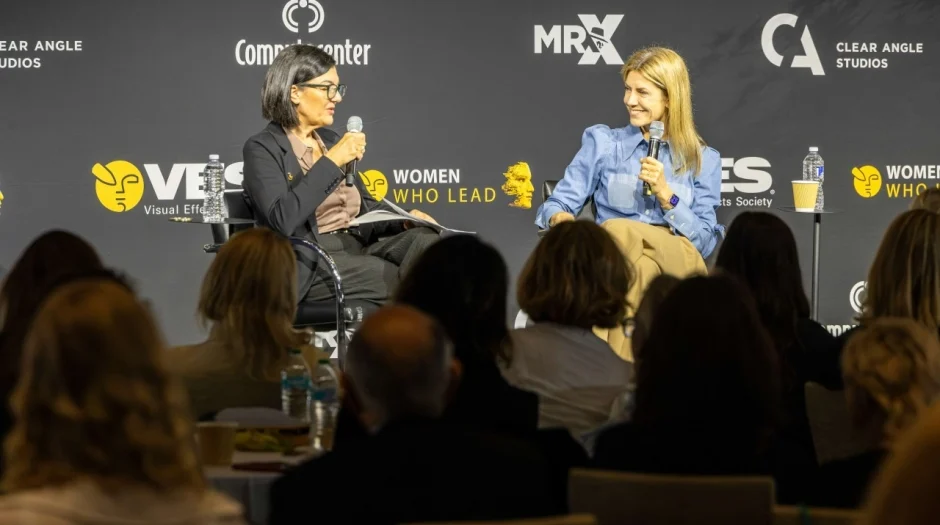
The intersection of creative storytelling, cutting-edge technology, and gender equity took center stage last Friday as the Visual Effects Society (VES) convened its inaugural Women Who Lead Summit at the historic Skirball Cultural Center in Los Angeles. Drawing a sold-out crowd of more than 250 industry professionals, executives, artists, and technicians from around the globe, the half-day event marked a significant milestone for the premier honorary society representing global visual effects practitioners. The summit served as the flagship physical gathering for the broader VES Women Who Lead initiative—a comprehensive program launched earlier this year to combat persistent gender disparities, foster professional development, and champion female leadership within an increasingly technical and competitive entertainment landscape.
Background Context and the Genesis of the Initiative
For decades, the visual effects and animation sectors have grappled with a pronounced gender imbalance, particularly in senior supervisory, technical, and executive roles. While women have historically maintained a robust presence in production management, human resources, and coordination positions, the transition into technical supervision, software engineering, visual effects (VFX) supervision, and high-level studio executive suites has faced systemic hurdles. Recognizing the urgent need for structural change, the Visual Effects Society established the Women Who Lead initiative to move beyond conversational advocacy and implement tangible solutions.
The initiative operates on multiple fronts throughout the year, featuring a dedicated peer mentorship program designed to connect emerging talent with seasoned veterans, a targeted educational video series titled Careers in VFX, regular informative newsletters, and now, high-impact live programming. Friday’s summit at the Skirball Cultural Center was carefully curated to address these exact pain points, structuring the agenda around candid keynote addresses, cross-studio panel discussions, and expansive networking opportunities during breakfast and lunch sessions designed to build lasting professional alliances.
A Chronological Overview of the Summit Agenda
The morning commenced with registration and networking, setting a collaborative tone before transitioning into the day’s opening keynote. Acclaimed producer Bárbara Muschietti—known for her extensive work on major commercial tentpoles including IT, IT: Welcome to Derry, They Will Kill You, and Ride or Die—took the stage for an intimate fireside chat. Moderated by Janet Muswell Hamilton, VES, Senior Vice President of VFX at HBO, the opening discussion dove straight into the realities of modern film production.
Muschietti emphasized the foundational necessity of cross-departmental collaboration, urging attendees to actively create opportunities that align with their professional passions rather than passively waiting for advancement. A central theme of her address focused on the psychological resilience required in high-stakes environments: getting comfortable with being uncomfortable. She noted that innovation and leadership invariably require stepping beyond established safety margins, a principle that resonated deeply with the assembled practitioners.

Following the morning keynote, the summit transitioned into its first major panel discussion, titled "Opening Doors for the Next Generation of Leaders." Also moderated by Muswell Hamilton, the panel assembled a formidable roster of studio executives, including Jennifer Bell of Universal Pictures, Kathy Chasen-Hay of Paramount Pictures, Anne Putnam Kolbe of Netflix, Christine Mansfield of The Walt Disney Studios, and Lori J. Nelson of Warner Bros. Pictures.
This powerhouse panel explored the divergent pathways available for career advancement across major Hollywood studios. The conversation pivoted toward actionable strategies for cultivating and promoting more female visual effects supervisors—a critical bottleneck in the industry pipeline. The executives detailed the specific leadership competencies required to manage multimillion-dollar budgets, oversee complex global pipelines, and command creative respect on demanding film sets.
The second panel of the day, "Storytelling Empowered by Technology," shifted the focus from executive management to technical execution. Moderated by Annie Chang, Vice President of Creative Technologies at NBCUniversal, the session featured Dina Benadon of Super 78, Pavani Boddapati of WetaFX, Emily Hsu of Epic Games, and Connie Wailan Siu of Promise. The panel analyzed the rapid evolution of real-time rendering, virtual production, artificial intelligence, and cloud-based workflows. Furthermore, the speakers addressed the unique social and structural challenges encountered by women operating in heavily male-dominated technical domains, offering practical advice on asserting technical authority and driving innovation.
The formal programming concluded with a closing keynote by Brit MacRae, co-founder of the venture-backed independent film fund KINO. MacRae delivered a sharp critique of Hollywood’s institutional risk-aversion, addressing financial, creative, and hiring practices head-on. She argued that the industry’s pervasive fear of failure frequently stifles bold creative choices and prevents diverse leadership from ascending. By reframing failure as an inevitable and necessary component of creative iteration, MacRae challenged attendees to rethink how capital and trust are distributed within the entertainment ecosystem.
Official Reactions and Stakeholder Perspectives
The resonance of the summit extended far beyond the auditorium walls, drawing enthusiastic praise from VES leadership and participants alike. Neishaw Ali, VES, chair of the VES Women Who Lead Committee and the founding partner, CEO, and executive producer of SPINVFX, reflected on the emotional and professional impact of the gathering.
"I can’t remember the last time I left an event feeling this hopeful and inspired about what lies ahead for our industry," Ali stated following the event’s conclusion. "There was something incredibly powerful about the honesty and openness of our speakers—their willingness to be real, vulnerable, and forthright created a connection that could be felt throughout the room. It reminded me why I fell in love with this industry in the first place and, more importantly, why I still believe so deeply in its future."

Industry analysts and attendees echoed Ali’s sentiments, noting that the transparency displayed by high-profile speakers provided a refreshing departure from standard corporate panels. By addressing burnout, imposter syndrome, and systemic hiring biases directly, the summit fostered an environment of authentic mentorship.
Fact-Based Analysis of Implications and Broader Industry Impact
The timing of the VES Women Who Lead Summit is particularly critical for the global visual effects and post-production sector. The industry has recently navigated unprecedented disruptions, including the lingering economic impacts of the COVID-19 pandemic, dual Hollywood labor strikes, rapid advancements in generative artificial intelligence, and corporate contraction across major streaming platforms and studios.
During periods of financial contraction and technological upheaval, diversity and inclusion initiatives are historically vulnerable to budget cuts. However, data from workforce studies across media and technology sectors consistently demonstrates that diverse leadership teams drive superior innovation, enhanced risk management, and improved project execution. By directly equipping women with executive strategies, technical insights, and high-level networking access, the VES initiative actively addresses the leadership pipeline crisis.
The involvement of major conglomerates—such as Disney, Netflix, Warner Bros. Discovery, Universal, and Paramount—alongside tech giants like Epic Games and WetaFX, signals a broader industry recognition that equity is not merely a social objective, but a business necessity. As visual effects become increasingly central to cinematic and episodic storytelling through virtual production and real-time engines, ensuring that women occupy pivotal decision-making roles will dictate how the medium evolves over the next decade.
Future Outlook and Continued Engagement
The success of the inaugural summit underscores the appetite for sustained, structured dialogue within the visual effects community. While the Skirball Cultural Center event concluded after a single intensive afternoon, the momentum generated by the VES Women Who Lead initiative continues through its ongoing programs, including the peer mentorship cohort and regional outreach efforts.
Industry professionals, aspirants, and allies seeking to participate in upcoming cohorts, access educational resources, or engage with the initiative can find comprehensive details through the official Visual Effects Society portal on the VES Women Who Lead webpage. As the VES looks toward future iterations of the summit, the benchmark set in Los Angeles establishes a high standard for accountability, inclusivity, and progressive leadership in the motion picture arts and sciences.