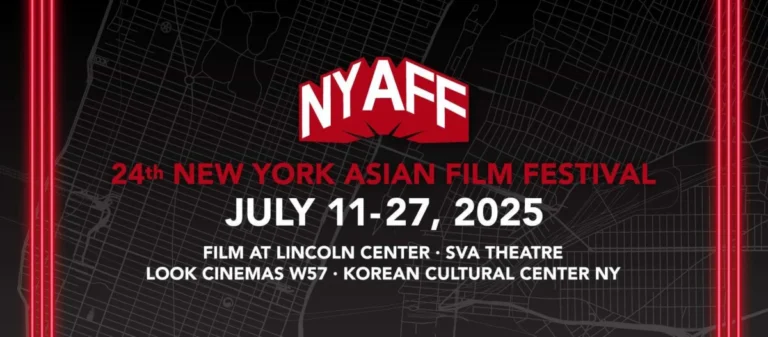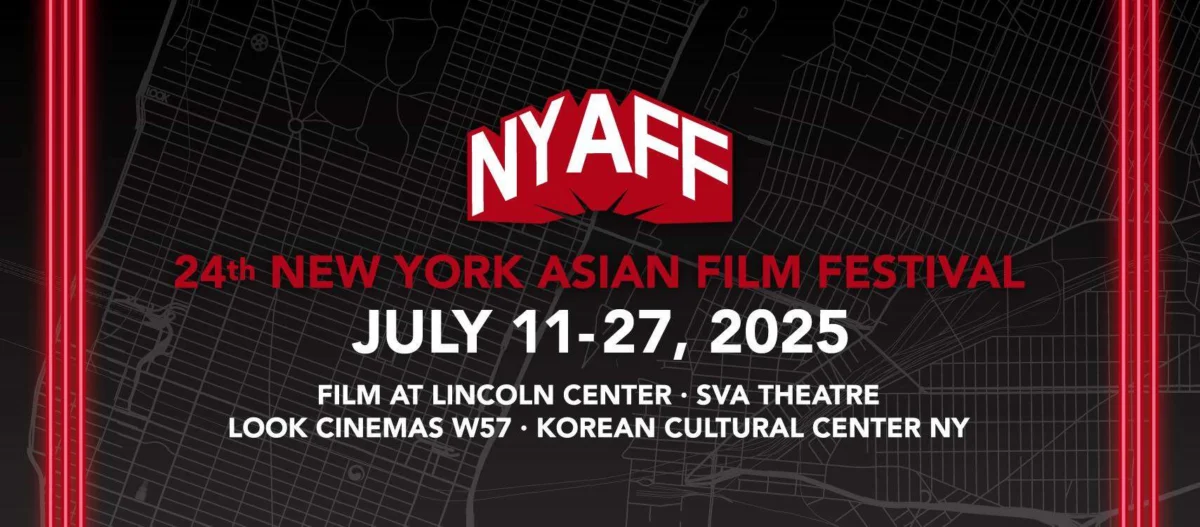
More than two decades after their seminal collaboration on "Iden & Tity," director Tomorowo Taguchi has reunited with his trusted creative team, including screenwriter Kankuro Kudo, composer Yoshihide Otomo, and lead actor Kazunobu Mineta, for a new cinematic exploration of music as a potent force for self-definition. "Street Kingdom: Make Your Own Sound," a film inspired by photographer Yuichi Jibiki’s autobiographical account, was a project that germinated in Taguchi’s mind as early as 2015. However, the path to the screen was a protracted one, marked by significant script revisions and the unforeseen disruptions of the global pandemic, with filming finally commencing in 2024. The film premiered in Japan on March 27, 2026, and is currently making its North American debut at the prestigious New York Asian Film Festival, where it stands as a nominee for the coveted Uncaged Award. This 130-minute production delves into the explosive birth of Tokyo’s underground music scene in the late 1970s and early 1980s.
The Genesis of a Counterculture: Punk’s Echo in Rural Japan
The narrative arc of "Street Kingdom" is firmly rooted in 1978, a pivotal year when a young Yuichi, then a photographer in the Japanese countryside, encountered the raw, untamed energy of the Sex Pistols on the radio. This serendipitous sonic discovery ignited a fascination with the burgeoning punk movement, a genre that offered a radical departure from the prevailing musical norms. This nascent interest soon led Yuichi to connect with Sachi, an individual instrumental in fostering the underground music scene, and subsequently to TOKAGE, a band fronted by the captivating and charismatic Momo. Yuichi’s immediate immersion into the scene following his photographic documentation of TOKAGE’s performance marked the beginning of his journey as an integral observer and participant. He found himself drawn into a vibrant and rapidly expanding ecosystem of musicians, avid fans, insightful writers, and dedicated organizers, all united by a collective yearning for authentic forms of artistic expression that existed far beyond the confines of the established music industry. This period marked a significant departure from the commercially driven, polished sounds that dominated mainstream airwaves, offering a raw and unfiltered alternative.
Roppongi’s Crucible: The Birth of the Tokyo Rockers
The heart of this burgeoning movement, which would eventually be christened the Tokyo Rockers, coalesced in the vibrant district of Roppongi. Here, the S-TORA studio emerged as the central hub, a creative crucible where bands rehearsed, ideas were exchanged, and the foundations of a new cultural force were laid. Yuichi’s role within this scene underwent a profound evolution. He transitioned seamlessly from a mere observer to an active participant, embracing multifaceted responsibilities that included serving as the band’s photographer, manager, driver, and crucial intermediary. As TOKAGE and other affiliated bands embarked on tours, entered recording studios, and began to attract the attention of major record labels, the Tokyo Rockers began to gain significant traction. However, this ascent towards broader recognition brought with it a host of pressures that directly challenged the very DIY ethos upon which the scene was built.
The Erosion of Ideals: Commercialism vs. Artistic Integrity
The growing commercial success of the Tokyo Rockers introduced inherent conflicts, forcing its artists to confront the delicate balance between artistic conviction and the relentless demands of the music industry. Momo, the charismatic frontman of TOKAGE, found himself increasingly torn between his commitment to the raw, authentic sound that defined his music and the commercial expectations imposed by record companies eager to capitalize on his talent. This internal struggle, compounded by personal misfortunes, the pervasive influence of drugs, and the eventual disintegration of TOKAGE, propelled Momo into a devastating downward spiral. This narrative thread underscores a recurring theme in the history of independent music movements: the inherent tension between preserving artistic integrity and navigating the allure and compromises of mainstream success. The story of Momo serves as a poignant cautionary tale, reflecting the experiences of countless artists who have grappled with similar challenges.
A Photographer’s Lens: Direct Testimony and Archival Integration
Director Tomorowo Taguchi masterfully frames the historical narrative through the perspective of Yuichi, the photographer. A distinctive stylistic choice that imbues the film with a unique immediacy is Yuichi’s frequent breaking of the fourth wall, directly addressing the audience. This technique transforms the cinematic experience into a form of personal testimony, allowing the protagonist to act as a guide through a densely populated landscape of musicians, iconic venues, and pivotal turning points in the scene’s development. The integration of actual photographs and archival video footage into the dramatic narrative further enhances the film’s originality and reinforces the profound sense that Yuichi is not merely recounting history but presenting tangible evidence of his lived experiences. This approach allows for a visceral connection to the past, bridging the gap between cinematic representation and historical reality. The use of these authentic artifacts provides a layer of documentary authenticity that enriches the fictionalized narrative.
The Idealized Protagonist: Strengths and Limitations of Yuichi’s Perspective
While Yuichi’s perspective offers a compelling narrative framework, it also presents the film’s most discernible weakness: the occasional idealization of its protagonist. Yuichi is portrayed with an almost unwavering purity, to the extent that it occasionally strains credulity. The absence of any significant negative commentary regarding his character, coupled with the disproportionate respect he commands, particularly during crucial junctures where his interventions seem to effortlessly provide solutions, can be difficult to fully embrace. This near-perfect depiction, while understandable within the context of an adaptation of an autobiographical work and a production aiming to celebrate an often-overlooked cultural figure, could have benefited from greater dramatic friction around its central character. A more nuanced portrayal of Yuichi, acknowledging his flaws and complexities, might have lent greater conviction to both his individual journey and the broader group dynamics depicted. Furthermore, the noticeable age discrepancy between Kazunobu Mineta, who plays Yuichi, and the character’s youthful portrayal can be somewhat distracting, though Mineta’s inherent charisma and natural affinity for the material gradually mitigate this visual incongruity.
Momo’s Descent: A Compelling Dramatic Arc
The most compelling dramatic trajectory within "Street Kingdom" belongs undeniably to Momo. Ryuya Wakaba delivers a powerful performance, adeptly capturing both the magnetic self-belief that positions the singer as a natural leader and the underlying vulnerability that surfaces as the underground movement morphs into a commercial industry. Momo’s decline is not presented as a simplistic narrative of a musician succumbing to the ravages of drugs. Instead, his downfall emerges from the core contradiction that lies at the heart of the film’s narrative: a scene founded on the principles of artistic freedom grappling with the inevitable consequences of incorporating financial gain, major label involvement, and widespread popularity. Wakaba’s portrayal of Momo’s internal conflict and external struggles resonates deeply, offering a poignant exploration of the human cost of artistic compromise.
The Weight of Friendship: Confrontations and Limitations
The interactions between Wakaba’s Momo and Mineta’s Yuichi are particularly effective, showcasing a complex interplay of affection, profound disappointment, and a palpable sense of helplessness that coexist without fundamentally eroding the characters’ enduring bond. Their confrontational scenes, particularly the raw exchange concerning Momo’s escalating drug use and the subsequent poignant meeting in prison, stand out as some of the film’s most emotionally resonant moments. These sequences are impactful precisely because they starkly expose the limitations of Yuichi’s seemingly inexhaustible problem-solving capabilities. They highlight the human element of the story, demonstrating that even the most supportive friendships can be tested by the destructive forces of addiction and despair. These scenes provide a crucial counterpoint to Yuichi’s idealized portrayal, grounding the narrative in a more realistic emotional landscape.
The Ferocious Spirit of Michiwo: A Memorable Presence
Another historical figure who leaves an indelible mark on the film is Michiro Endo, the legendary frontman of The Stalin. His presence is vibrantly recreated through the fictionalized character of Michiwo, the vocalist of the band Anatomical Room. Taiga Nakano delivers an electrifying performance, throwing himself into the role with an almost terrifying physical commitment that masterfully captures the provocative and confrontational stage persona of the real-life artist. Nakano’s renditions of Michiwo’s performances, which famously incorporated elements of nudity, animal remains, and direct audience engagement, embody a far more aggressive and unyielding form of punk rebellion than Momo’s increasingly conflicted idealism. Despite occupying a relatively limited amount of screen time, Nakano transforms Michiwo into one of the film’s most unforgettable presences. The sheer, unadulterated energy emanating from his performance also serves as a crucial reminder that the Tokyo underground was not a monolithic entity but a dynamic meeting point for radically divergent interpretations of musical and personal freedom. His character represents the extreme edge of punk expression, pushing boundaries in ways that challenged societal norms and artistic conventions.
A Tapestry of Personalities: Supporting Performances and Diverse Ideals
Riho Yoshioka brings a vital warmth and driving momentum to her portrayal of Sachi. Her character, through her independent magazine, printing resources, and active involvement in the music scene, emerges as an indispensable pillar of the movement rather than a passive observer. Meanwhile, Taiga Nakano’s embrace of Michiwo’s outrageous physicality provides some of the film’s most explosive and memorable moments. Further enriching the sense of a scene built from a mosaic of radically different personalities, rather than a single, unified ideology, are the contributions of Shotaro Mamiya, Nao Omori, and Shido Nakamura, who each bring distinct and compelling performances to their respective roles. These actors contribute to the film’s overarching theme that the Tokyo underground was a fertile ground for diverse artistic visions and personal expressions.
Visualizing the Scene: Cinematography and Reconstructed Realities
Atsuhiro Nabeshima’s cinematography skillfully navigates between the intimate, often chaotic energy of concert spaces and the more contemplative imagery associated with Yuichi’s photographic endeavors. The meticulously reconstructed versions of iconic venues such as Shinjuku Loft, Shibuya Yaneura, and Kyoto University’s Seibu Auditorium possess a lived-in authenticity, feeling more like genuine spaces of artistic creation than sterile museum exhibits. Simultaneously, the strategic incorporation of original photographs serves to repeatedly collapse the perceived distance between dramatic recreation and historical record. The visual language of the film fluidly oscillates between the documentary and the fictitious, with the latter ultimately achieving a dominant, albeit nuanced, presence. This visual strategy enhances the immersive quality of the film, drawing the audience directly into the historical context.
The Rhythms of Editing: Navigating a Complex Narrative
Soichi Ueno’s editing skillfully manages a large ensemble of characters, bands, and significant incidents with considerable clarity, particularly when integrating archival material into the fictionalized narrative. Despite this adept handling, the episodic accumulation of performances, tours, business negotiations, and personal crises eventually makes the film’s substantial 130-minute running time noticeable. The sheer volume of events and characters, while essential to capturing the scope of the movement, can at times lead to a feeling of narrative density that requires sustained viewer engagement.
The Enduring Power of Music: Raw Performances and Artistic Dedication
Unsurprisingly, music remains an unwavering focal point throughout "Street Kingdom." Original recordings are employed to capture the raw energy of the live sequences. Crucially, the actors underwent rigorous rehearsals to perform the songs themselves for live audiences during filming. This dedication to authentic performance preserves the visceral power of bands such as LIZARD, Friction, ZELDA, The Stalin, and Jagatara, ensuring that the concert scenes transcend mere reenactments and instead convey the genuine spirit and force of these groundbreaking musical acts. The commitment to live performance by the actors amplifies the impact of the music and the historical significance of these bands.
Legacy and Reckoning: "Street Kingdom" as Cultural Inheritance
"Street Kingdom: Make Your Own Sound" serves as both a vibrant celebration of the Tokyo Rockers and a profound meditation on the complexities of cultural inheritance. While the film’s portrait of Yuichi leans towards the reverential, and the sheer breadth of its historical material occasionally dilutes its dramatic focus, Tomorowo Taguchi masterfully communicates the exhilarating spirit of individuals who forged their own creative spaces, produced their own records, and established their own distribution systems out of sheer necessity, driven by the music they were passionate about and for which no existing avenues existed. The result is an energetic and deeply affectionate music drama that speaks to the universal pursuit of finding one’s own voice and the often-challenging journey of continuing to play that music once the wider world begins to listen. The film’s exploration of this theme holds significant implications for understanding the evolution of independent music scenes globally and the enduring tension between artistic autonomy and commercial success. The film ultimately leaves the audience with a profound appreciation for the pioneers of the Tokyo underground and the enduring power of music to define and liberate individuals.