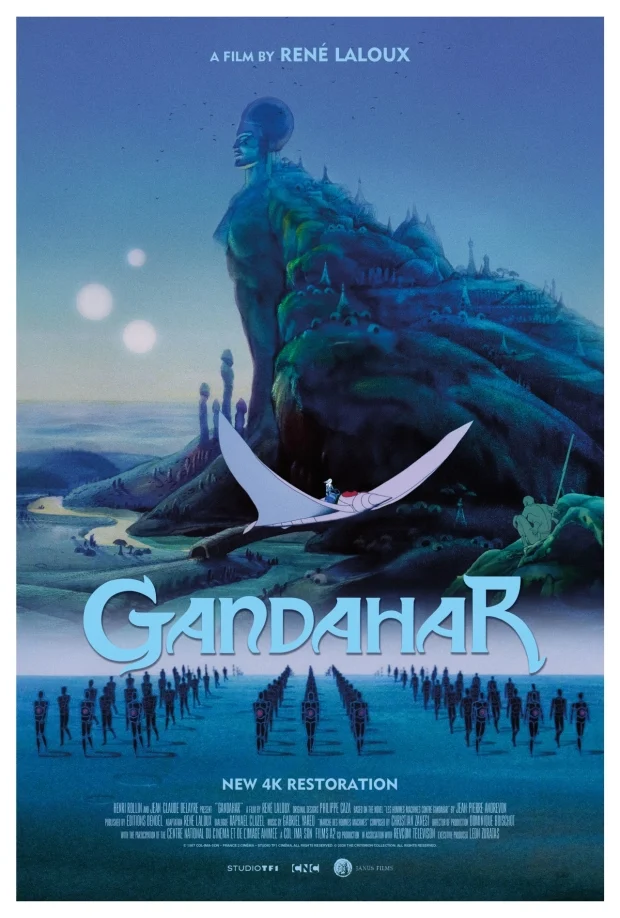
Janus Films is bringing a significant piece of animated science-fiction history back to the screen with a newly restored, uncut French version of René Laloux’s final feature film, Gandahar. This meticulously remastered edition of the 1987 animated masterpiece, renowned for its unique visual style and thematic depth, will premiere on August 28th at the IFC Center in New York City, with a subsequent national rollout planned. The release marks a crucial moment for fans of Laloux, celebrated director of the critically acclaimed Fantastic Planet and Time Masters, offering a chance to experience his culminating cinematic vision in its most authentic form.

A Legacy of Visionary Animation
René Laloux (1929-2024) carved a distinct niche in the landscape of adult animation, celebrated for his innovative approach to storytelling and his willingness to explore complex, often philosophical themes within visually arresting worlds. His career, marked by a consistent engagement with speculative fiction, social allegory, and ambitious collaborations with leading visual artists, cemented his status as a pivotal figure in European animation. Gandahar stands as the culmination of this artistic journey, a film that encapsulates his signature blend of surreal imagery and thought-provoking narrative.
Fantastic Planet (1973), Laloux’s earlier, internationally acclaimed work, co-created with Roland Topor, garnered a special jury prize at the Cannes Film Festival, bringing his distinctive style to a global audience. This was followed by Time Masters (1982), a visually stunning adventure featuring character designs by the legendary Mœbius. Gandahar, adapted from Jean-Pierre Andrevon’s 1969 novel "Les Hommes-machines contre Gandahar," further showcased Laloux’s ability to translate literary concepts into a compelling visual medium. The film’s distinctive aesthetic was significantly shaped by the creature and environment designs of renowned French comics artist Caza, whose contributions are credited with defining the film’s "stunningly surreal creatures and wondrously bizarre environments."
The World of Gandahar: A Tale of Conflict and Transformation
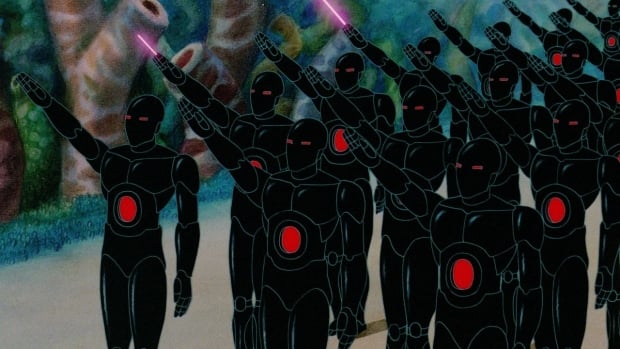
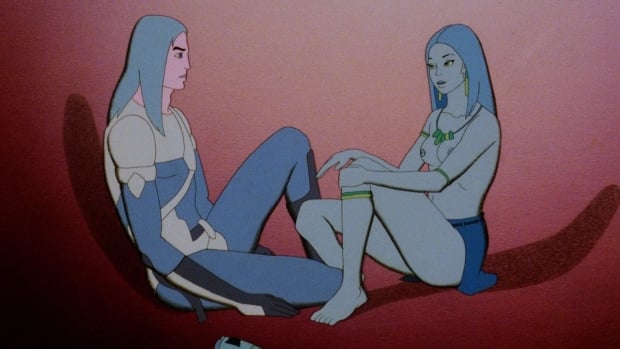
Gandahar transports viewers to a distant world where a seemingly idyllic society faces an existential threat. The narrative centers on the tranquil planet of Gandahar, whose inhabitants are suddenly besieged by a merciless army of automata, the "Men of Metal." These automatons possess the terrifying ability to turn living beings to stone, plunging the peaceful civilization into chaos and despair. In a desperate bid to understand and counter this invasion, a council of matriarchs entrusts the challenging mission to Sylvain, a brave but inexperienced warrior.
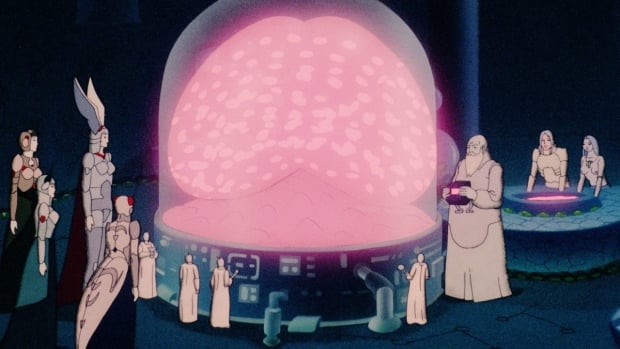
Sylvain’s quest takes him through the planet’s unexplored outer regions, where he encounters the Deformed. This ostracized race, a consequence of failed scientific experiments that rendered them mutants, has been cast out from Gandahar. Their existence, a stark reminder of the potential dangers of unchecked scientific ambition, adds a layer of complexity to Gandahar’s internal social fabric. As Sylvain’s journey progresses, he uncovers a profound truth: the orchestrator of the planet’s suffering is Metamorphis, a gargantuan, sentient brain. This revelation sets the stage for a desperate race against time. Aided by the enigmatic and beautiful Airelle, Sylvain must confront Metamorphis and thwart his destructive plans, risking not only his own life but the very survival of Gandahar.
The Restoration: Preserving Laloux’s Uncut Vision
The significance of Janus Films’ undertaking lies in their commitment to presenting the uncut French version of Gandahar. This is particularly important as the film was previously released in an English-language version titled Light Years, which often involved edits and alterations that diverged from Laloux’s original intent. The 4K restoration aims to rectify this, meticulously returning Laloux’s final feature to its pristine, original form. This focus on the uncut French version ensures that audiences can experience the film’s full artistic integrity, including its nuanced narrative and the full impact of its surreal visual elements.
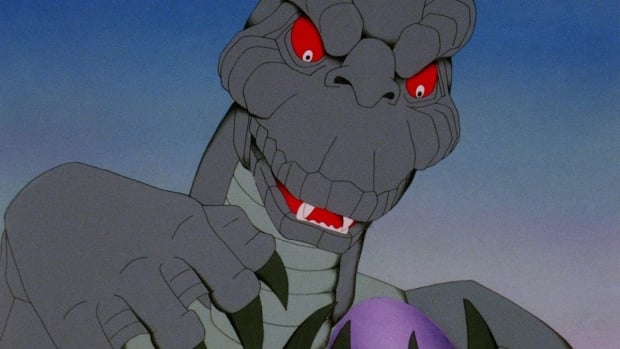
The restoration process itself is a testament to the enduring cultural value of Gandahar. High-definition restorations of classic films are not merely cosmetic enhancements; they are vital efforts to preserve cinematic heritage. For a film like Gandahar, which relies heavily on its intricate visual design and atmospheric qualities, a high-quality restoration can dramatically enhance the viewing experience, revealing details and nuances that may have been lost in previous releases or due to the degradation of original film stock. The 4K restoration by Janus Films promises to bring Caza’s imaginative creature designs and the film’s unique environments to life with unprecedented clarity and vibrancy.
Contextualizing the Release: A Revival of Cult Animation
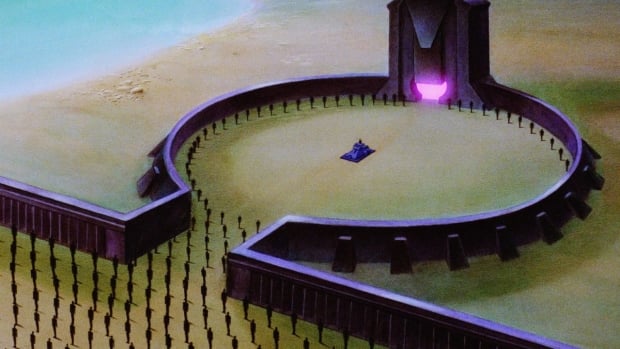
The re-release of Gandahar by Janus Films taps into a growing appreciation for cult animated films and the visionary artists behind them. In an era dominated by mainstream animation, there is a renewed interest in works that pushed boundaries and offered alternative perspectives. Laloux’s film, with its mature themes, complex allegory, and distinctive artistic vision, stands as a prime example of such a work.
Janus Films has a commendable track record of championing and restoring classic and independent cinema, often introducing audiences to films that might otherwise be lost to time. Their involvement with Gandahar suggests a recognition of its status as a cult work of alternative animated science fiction, deserving of a wider audience and critical re-evaluation. The decision to premiere the film in New York at the IFC Center, a venue known for its arthouse programming, further underscores its artistic significance.
A Look at the Film’s Production and Artistic Lineage
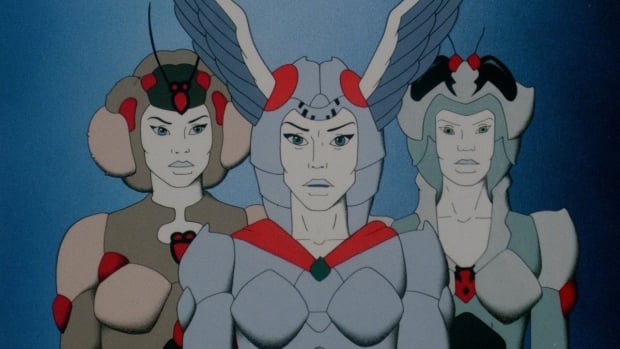
The adaptation of Jean-Pierre Andrevon’s novel was a pivotal step in Laloux’s directorial career. The collaboration with Caza for creature and environment design was particularly instrumental in shaping the film’s visual identity. Caza, a celebrated figure in the Franco-Belgian comic strip tradition, brought a unique sensibility that blended the grotesque with the wondrous, a style that perfectly suited the speculative and often unsettling world of Gandahar. This artistic synergy between director and designer is a hallmark of Laloux’s work, echoing his previous collaborations with Roland Topor on Fantastic Planet and Mœbius on Time Masters. These partnerships highlight Laloux’s consistent vision of animation as a medium capable of profound artistic expression, drawing upon the talents of diverse visual artists to create immersive and thought-provoking cinematic experiences.
The thematic concerns present in Gandahar—the perils of unchecked technological advancement, the societal consequences of scientific hubris, and the nature of utopia—are timeless. The film’s exploration of these issues, presented through a science-fiction lens, offers a compelling allegory that resonates with contemporary concerns about artificial intelligence, genetic engineering, and societal control. By revisiting these themes within Laloux’s unique artistic framework, Gandahar invites audiences to reflect on the trajectory of human progress and its potential pitfalls.
The Broader Impact: Reintroducing a Masterpiece
The re-release of Gandahar is more than just a revival of an animated film; it is an opportunity to reintroduce a significant body of work by a master animator to a new generation of film enthusiasts and critics. For those familiar with Laloux’s oeuvre, this restoration offers a chance to revisit a beloved film with enhanced visual fidelity. For newcomers, it provides an accessible entry point into the world of visionary, adult-oriented animation.
The availability of the uncut French version is crucial for scholarly and critical analysis. It allows for a more accurate understanding of Laloux’s artistic intentions, free from the potential distortions of localization. This meticulous attention to detail is characteristic of Janus Films’ commitment to preserving and promoting cinematic heritage. The accompanying trailer and imagery released by Janus Films serve as tantalizing glimpses into the film’s unique visual world, promising a captivating experience for audiences.
The enduring appeal of Gandahar lies in its ability to transcend conventional genre boundaries. It is a science-fiction film, an adventure story, and a philosophical inquiry, all woven together with a distinctive artistic sensibility. René Laloux’s final film stands as a testament to his enduring legacy, a work that continues to challenge, inspire, and captivate viewers with its bold imagination and profound thematic explorations. The restoration and re-release by Janus Films ensure that this cinematic gem will continue to be discovered and appreciated for years to come.