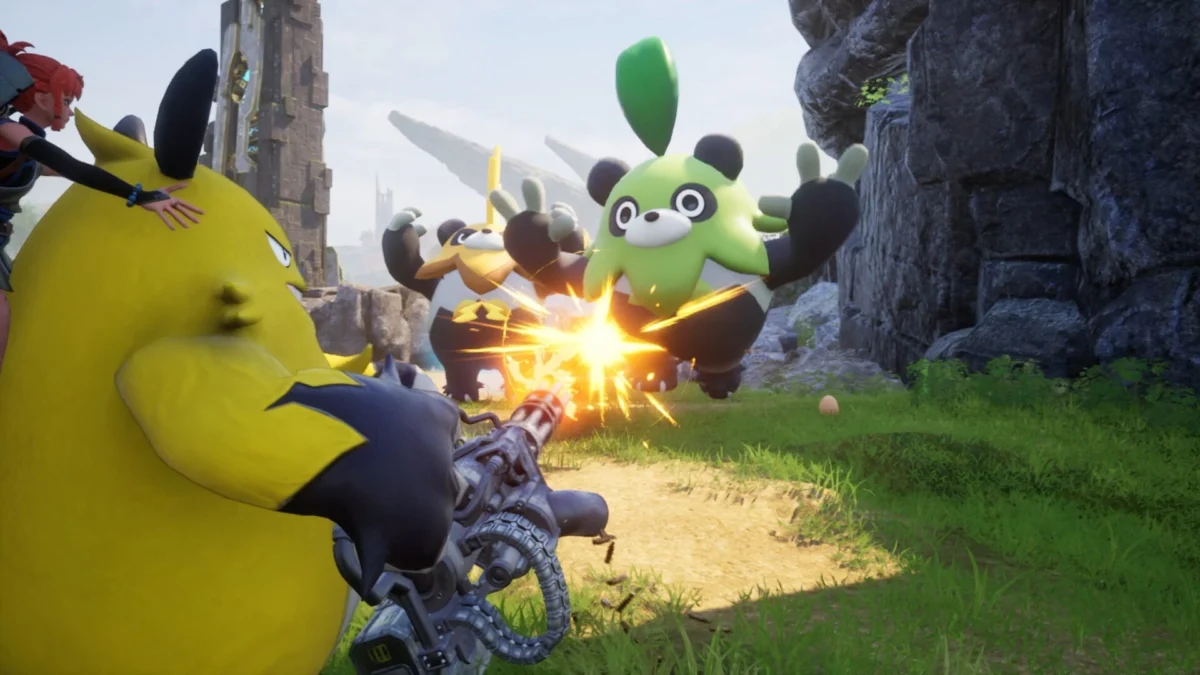
The survival-crafting phenomenon Palworld has once again secured its position as one of the most-played titles on the Steam platform, marking a significant resurgence following its transition out of Early Access. According to the latest data from SteamDB, the title achieved a massive spike in concurrent players over the most recent weekend, nearly topping the global charts and reinforcing its status as a pillar of the modern gaming landscape. While the game has yet to eclipse its historic peak of 2.1 million concurrent users established in early 2024, its recent performance highlights a rare level of staying power for a non-service-based title in a market dominated by free-to-play giants.
As of the second weekend of July, Palworld emerged as the second most-played game on Steam, trailing only Valve’s perennial leader, Counter-Strike 2. In a notable shift for the platform’s hierarchy, the title successfully displaced Dota 2 from its traditional second-place slot for the second consecutive week. This achievement is particularly significant given the competitive nature of the Steam charts, where free-to-play titles with established esports ecosystems typically maintain an iron grip on the top five positions.
A Comparative Analysis of Steam’s Elite Tier
To understand the scale of Palworld’s success, one must examine the historical context of Steam’s concurrent player metrics. Since the platform’s inception, only three titles have ever surpassed the milestone of two million concurrent players: PUBG: Battlegrounds, Black Myth: Wukong, and Palworld. This puts the Pocketpair-developed title in an exclusive bracket of "mega-hits" that have fundamentally shifted player demographics and spending habits.
For further perspective, only five other games in the history of the platform have managed to breach the one-million-player threshold. These include Counter-Strike 2, Monster Hunter Wilds (during its high-profile beta phases and launch windows), Lost Ark, Dota 2, and Cyberpunk 2077. The fact that Palworld—a premium, paid title—is competing directly with free-to-play behemoths like PUBG and Lost Ark underscores the strength of its gameplay loop and the effectiveness of its content updates.
Industry analysts note that Palworld’s ability to draw back players after its initial viral explosion is a testament to the developers’ commitment to expanding the game’s scope. While many "viral" games suffer from a precipitous drop-off once the initial novelty fades, Pocketpair’s strategy of consistent transparency and major content injections appears to have stabilized a massive core audience.
Chronology of Development: From Viral Sensation to Version 1.0
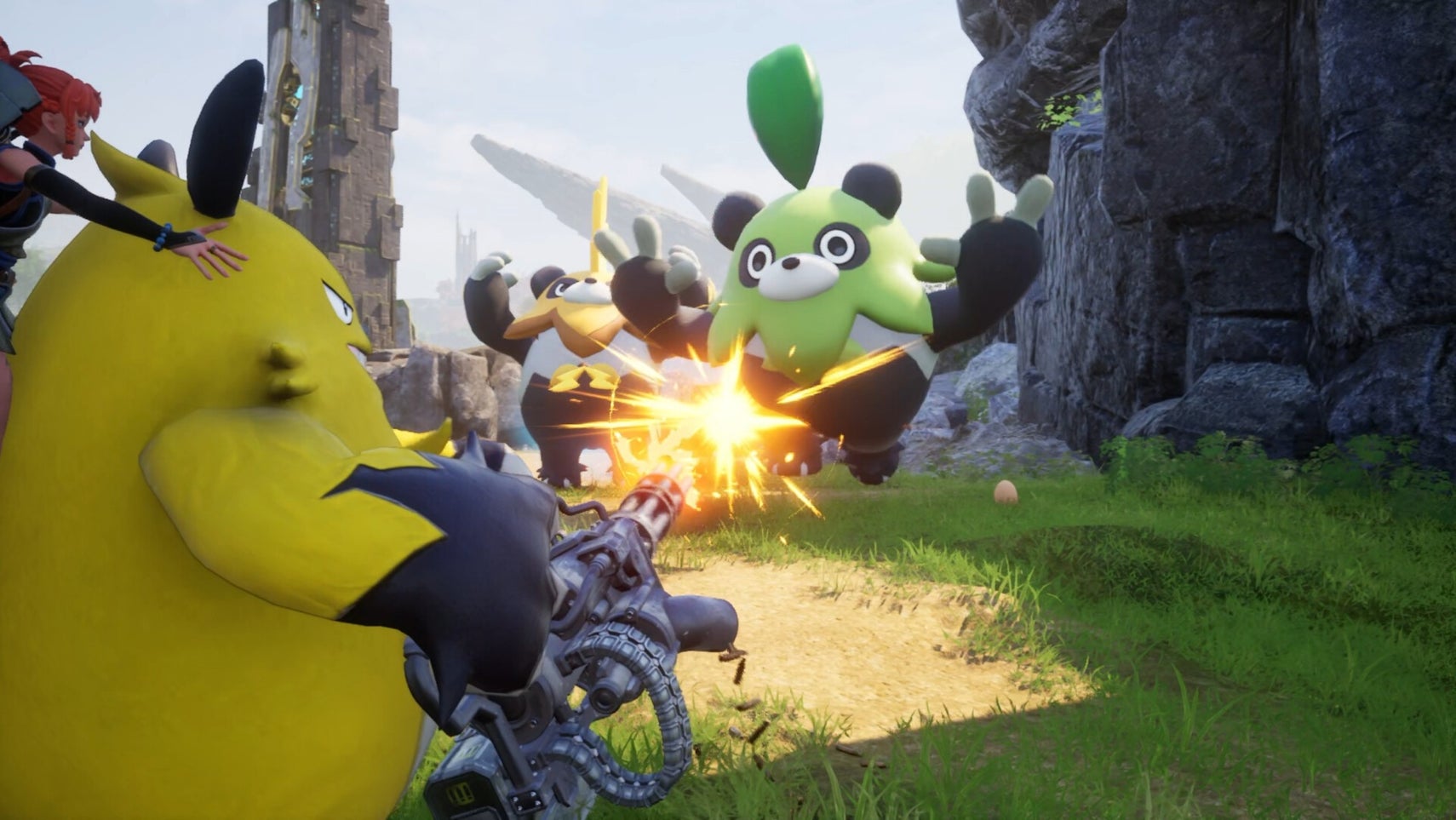
The journey of Palworld has been one of the most closely watched narratives in the interactive entertainment industry. The game first entered the public consciousness in 2021 with trailers that combined creature-collection mechanics with survival elements and firearm-based combat, leading to the colloquial "Pokémon with guns" moniker.
- January 19, 2024: Palworld launches in Early Access on PC and Xbox. It sells over 5 million copies in three days and reaches a peak of 2.1 million concurrent players on Steam, becoming the biggest third-party launch in Xbox Game Pass history.
- June 2024: Pocketpair unveils the "Sakurajima Update," the largest content expansion to date, introducing a new island, new Pal species, and dedicated server improvements.
- July 10, 2024: The game officially exits Early Access and launches as Version 1.0 across PC and consoles. This milestone included a comprehensive rebalancing of the endgame, new raid bosses, and enhanced optimization for lower-end hardware.
- September 2024: Nintendo and The Pokémon Company officially file a lawsuit against Pocketpair in the Tokyo District Court, alleging patent infringement.
- December 2024: Following legal pressures, Pocketpair implements a significant mechanical shift, removing the specific "ball-throwing" summoning animation that was central to the game’s identity.
The Version 1.0 Milestone and Content Expansion
The transition to Version 1.0 on July 10 was more than a symbolic gesture. Pocketpair utilized the full release to address several long-standing community requests and technical hurdles. The 1.0 update introduced the Palworld Arena, a dedicated player-versus-player (PvP) mode that allows trainers to pit their captured creatures against one another in a controlled environment. This addressed a major criticism of the Early Access version, which was largely focused on player-versus-environment (PvE) progression.
Furthermore, the full release expanded the technology tree, allowing for more sophisticated base-building and automation. The introduction of the "Oil Rig" stronghold provided a high-level challenge for veteran players, requiring strategic use of both Pals and weaponry to infiltrate and loot. These additions have been credited with the recent surge in player numbers, as they provide the depth necessary to retain players who had previously "completed" the Early Access content.
The Legal Conflict with Nintendo and The Pokémon Company
Despite its commercial triumphs, Palworld remains embroiled in a high-stakes legal battle that could have profound implications for the industry. In September 2024, Nintendo Co., Ltd., in conjunction with The Pokémon Company, filed a patent infringement lawsuit seeking an injunction against the game and significant damages.
The lawsuit focuses on three specific patents held by Nintendo, primarily concerning the mechanics of capturing creatures in a virtual space. Specifically, Patent No. 7545191, Patent No. 7493117, and Patent No. 7528390 are at the heart of the dispute. These patents describe the process of aiming and throwing an item to capture a character, as well as the transition from a field environment to a battle sequence.
In response to these legal challenges, Pocketpair took proactive steps in December to distance its mechanics from the patented systems. The traditional method of summoning Pals—which involved throwing a "Pal Sphere" that would then pop open—was replaced with a new summoning mechanic designed to avoid infringement. While the core "capture" mechanic remains, the visual and procedural execution has been altered to satisfy legal requirements while maintaining gameplay fluidity.
Pocketpair has issued several statements regarding the litigation, asserting that they will defend their work. "It is truly unfortunate that we will be forced to allocate significant time to matters unrelated to game development due to this lawsuit," a representative for the studio stated. "However, we will do our utmost for our fans and to ensure that indie game developers are not hindered or discouraged from pursuing creative ideas."
Broader Industry Implications and the "Palworld Entertainment" Venture
The success of Palworld has not gone unnoticed by major corporate players. In a move to further solidify the brand’s global footprint, Sony Music Entertainment (Japan) and Aniplex Inc. announced a joint venture with Pocketpair to establish "Palworld Entertainment Inc." This new entity is tasked with expanding the Palworld IP beyond the digital realm, focusing on merchandising, animation, and other multimedia ventures.

This partnership is viewed as a strategic maneuver to protect and grow the brand amidst the ongoing legal pressure from Nintendo. By aligning with Sony—a major competitor to Nintendo in the hardware and entertainment space—Pocketpair has gained significant resources and legal backing.
The rise of Palworld also highlights a shifting trend in player preferences. The "survival-crafting" genre, once considered a niche occupied by titles like Ark: Survival Evolved and Rust, has moved into the mainstream. Palworld’s integration of accessible "creature-collecting" tropes with the complex systems of survival games has created a new blueprint for viral success.
Future Outlook
As Palworld continues its strong performance through the remainder of the year, the focus for Pocketpair remains two-fold: maintaining the live-service cadence of the game and navigating the complexities of the Tokyo District Court. The studio has teased upcoming expansions that will introduce more biomes and "Legendary" Pals, aiming to keep the concurrent player count in the high hundreds of thousands.
The outcome of the Nintendo lawsuit remains the largest variable in the game’s future. Legal experts suggest that if Nintendo is successful in securing an injunction, it could force a radical redesign of the game or, in a worst-case scenario, its removal from sale in certain territories. However, the proactive changes made to the summoning mechanics suggest that Pocketpair is prepared to adapt to survive.
For now, Palworld stands as a testament to the power of hybrid genre design and the unpredictable nature of the modern gaming market. Its ability to challenge the dominance of established free-to-play titles like Dota 2 and Counter-Strike 2 confirms that even in a crowded marketplace, a compelling gameplay hook and a dedicated community can propel an indie-born project to the very top of the charts.