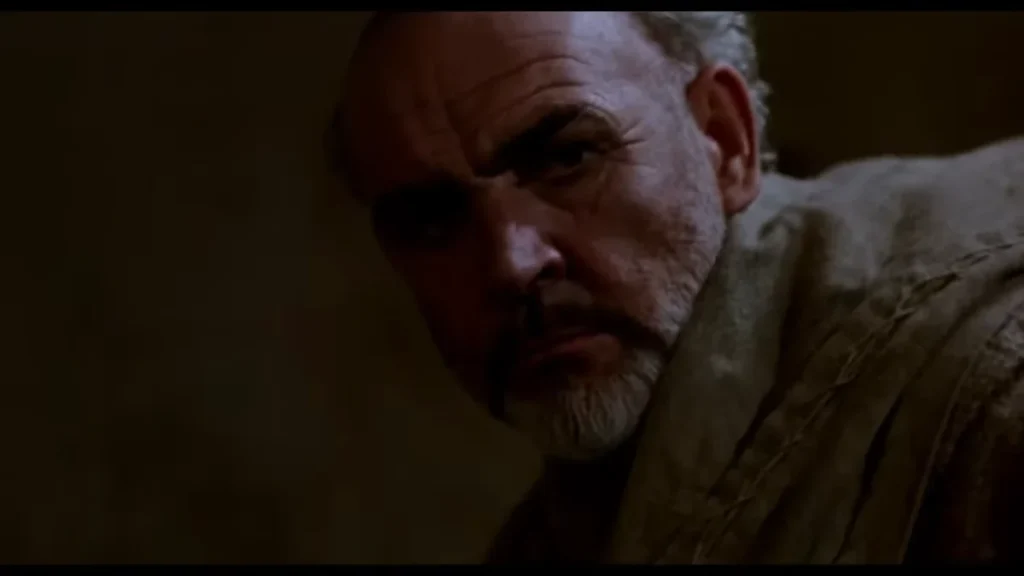

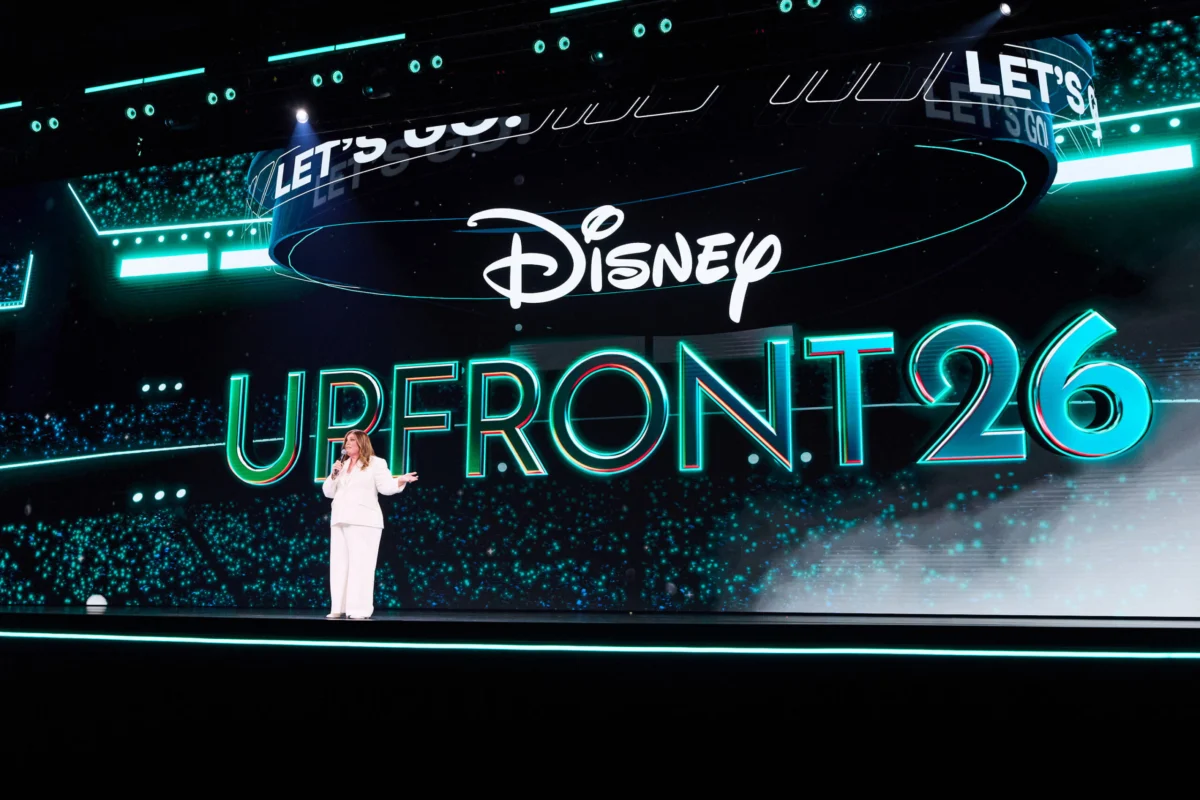
As Rita Ferro, Disney’s President of Global Advertising, prepared to take the stage at the company’s 2026 upfront presentation, the atmosphere within the North Javits Center in New York City was one of calculated transformation. Ferro, a 29-year veteran of the Walt Disney Company, has become the primary architect of a monetization strategy that seeks to bridge the gap between traditional linear television and the data-driven future of streaming. Her appearance, introduced by actor Paul Anthony Kelly—who recently portrayed John F. Kennedy Jr. in the FX series "Love Story"—served as a symbolic marriage of Disney’s storied content machine and its aggressive new commercial direction. Kelly’s introduction of Ferro emphasized a "Disney difference" rooted in trust, innovation, and unrivaled fandom, a sentiment that underpins the company’s broader strategic shift under newly installed CEO Josh D’Amaro.
The 2026 upfront arrives at a critical juncture for the media industry. As traditional cable subscriptions continue to dwindle and the "streaming wars" shift from a battle for subscribers to a battle for profitability, advertising has reclaimed its position as the industry’s lifeblood. Ferro’s role has expanded to meet this challenge, placing her at the helm of a global business that oversees advertising for Disney’s entertainment, news, and sports properties across a sprawling ecosystem of linear TV, digital platforms, and streaming services.
A Legacy of Adaptation: The Professional Journey of Rita Ferro
Ferro’s rise to the top of the world’s most influential media company is a narrative of adaptability and industry foresight. The daughter of Cuban immigrants who arrived in the United States shortly before the Cuban Revolution, Ferro was raised in Miami and educated at Florida International University. Her early career aspirations in creative copywriting and art direction were quickly recalibrated toward the business of production and media sales.
In 1993, Ferro joined MTV in Latin America during the nascent stages of regional cable television. This period, which she describes as an era without a "blueprint," allowed her to develop a foundational understanding of building media markets from the ground up. Her success in the Latin American market eventually led her to Disney in 1997, where she began a nearly three-decade tenure that saw her move through leadership roles at ESPN International, Disney Media Network’s Kids and Family division, and the now-defunct Disney Interactive.
By 2018, Ferro was named President of Advertising Sales for the U.S., and by 2023, her mandate went global. This trajectory has allowed her to witness and influence the industry’s pivot from a "linear-first" model to an integrated, platform-agnostic approach. Colleagues note that Ferro’s non-traditional path—traversing sports, interactive gaming, and international markets—has uniquely prepared her for a media landscape where those once-disparate silos are now converging.
The "One Disney" Strategy Under Josh D’Amaro
The current era of Disney is defined by the "One Disney" philosophy championed by CEO Josh D’Amaro, who took the helm in March 2026 following Bob Iger’s second tenure. D’Amaro’s vision is focused on creating a "connected, personalized, and immersive experience" for consumers, a goal that requires seamless integration between the company’s movie studios, theme parks, and media networks.
Ferro is the linchpin of this integration. Her task is to monetize Disney’s intellectual property (IP) not just through 30-second commercials, but through holistic brand partnerships that can span from a Disney+ series to a physical activation at a theme park. This synergy is intended to increase the "lifetime value" of the consumer, a metric that CFO Hugh Johnston recently highlighted as essential for driving compounding returns for shareholders.
The financial stakes are high. In the most recent quarterly reports, Disney’s entertainment segment noted that streaming revenue has begun to offset the inevitable declines in linear affiliate fees and traditional ad revenue. Disney+ has reported double-digit advertising revenue growth year-over-year, a testament to the success of the ad-supported tier launched in late 2022.
The Technological Frontier: Data and Ad Tech Stack
To compete with digital giants like Google and Meta, Disney has invested heavily in its own proprietary technology. Under Ferro’s leadership, the company has rebuilt its "ad tech stack" to allow for sophisticated audience targeting and measurement. A key component of this is the Disney Audience Graph, an in-house database of first-party viewer data that allows advertisers to reach specific demographics with precision across all Disney platforms.
In 2025, Disney unveiled its ad-supported monthly active user (MAU) methodology, providing a new level of transparency and data granularity to the market. This move was preceded by the 2021 launch of the Disney Tech and Data Showcase at CES, which now serves as the unofficial kickoff to the annual upfront season.
Kevin Krim, CEO of the ad data firm EDO, observes that Disney was an early and aggressive investor in these technologies, while other media conglomerates hesitated. By controlling its own data destiny rather than relying on third-party platforms, Disney has positioned itself as a tech-driven organization capable of delivering the outcomes-based measurement that modern advertisers demand. This infrastructure allows for "clean room" technology, where brands can safely overlap their own customer data with Disney’s viewership data to identify high-value targets without compromising consumer privacy.
Live Sports: The $111 Billion Anchor
While scripted content remains a cornerstone of the Disney portfolio, live sports have become the primary driver of massive, aggregated audiences. ESPN, under the leadership of Chairman Jimmy Pitaro, is currently navigating an era of record-breaking media rights costs. The NFL’s 11-year, $111 billion deal and the NBA’s 11-year, $77 billion deal necessitate a high-volume monetization strategy.
Ferro’s responsibility is to ensure these astronomical rights fees are recouped through innovative sponsorship and ad sales. The launch of the ESPN direct-to-consumer (DTC) streaming app in August 2025 marked a pivotal moment in this effort, allowing fans to access the full suite of ESPN programming without a cable subscription.
The 2026-2027 season will also see the Super Bowl return to ABC and ESPN for the first time in two decades. With 30-second spots reportedly fetching upwards of $10 million, the event represents the pinnacle of Ferro’s sales calendar. CFO Hugh Johnston has noted that live sports are "massively valuable" to advertisers because they provide the last remaining venue for reaching tens of millions of viewers simultaneously in a "live" environment.
International Expansion and the Future of Growth
With the U.S. market reaching a state of maturity, Ferro has identified international growth as the next frontier for Disney’s advertising business. This aligns with D’Amaro’s goal of scaling Disney+ globally and increasing investment in local content.
Ferro’s strategy involves exporting the successful U.S. ad-supported streaming model to international markets, which often present a more varied and complex set of consumer behaviors. Her upcoming participation in VivaTech in Paris—an event often called the "CES of Europe"—signals a commitment to understanding the nuances of the European and global tech landscapes.
The expansion into international advertising is not merely about increasing volume; it is about applying the "One Disney" model to global regions where the company can leverage its local content investments. Ferro believes that the vibrancy of these markets offers an opportunity to make a significant impact on the company’s bottom line, utilizing the same tech-driven approach that has revitalized the domestic business.
Analysis: Implications for the Media Industry
The evolution of Rita Ferro’s role at Disney reflects a broader transformation within the global media economy. The shift from "selling spots" to "managing data-driven ecosystems" represents a fundamental change in how media companies operate. Disney’s decision to build its own tech stack and prioritize first-party data suggests that the company no longer views itself simply as a content creator, but as a data and technology platform.
Furthermore, the integration of parks, studios, and advertising under the "One Disney" banner provides a blueprint for other legacy media companies struggling to find their footing in the digital age. By leveraging "unrivaled fandom"—as Paul Anthony Kelly noted during the upfront—Disney is attempting to insulate itself from the volatility of the ad market. When a brand partners with Disney, they are not just buying an impression; they are buying into a cultural ecosystem that spans from the cinema to the living room to the vacation destination.
As the 2026 negotiations continue, the industry will be watching closely to see if Disney’s bet on premium content, live sports, and proprietary ad tech will provide the sustained profitability required to thrive in the post-cable era. For Rita Ferro, the challenge remains clear: maintaining the "Disney difference" while navigating a global market that is more competitive, data-intensive, and fragmented than ever before.