
Paramount Pictures officially released the inaugural trailer for the highly anticipated dark comedy Bad Apples on July 1, 2026, generating significant interest following its acclaimed run on the international film festival circuit. The film, directed by Swedish filmmaker Jonatan Etzler, captivated audiences and critics alike with its prickly and distinct take on social commentary, particularly concerning community dynamics and the challenges within educational systems. Originally premiering at the 2025 Toronto International Film Festival (TIFF), Bad Apples garnered "rave reviews" before continuing its successful festival tour with stops at prestigious events such as the San Sebastian Film Festival, the BFI London Film Festival, and AFI Fest.
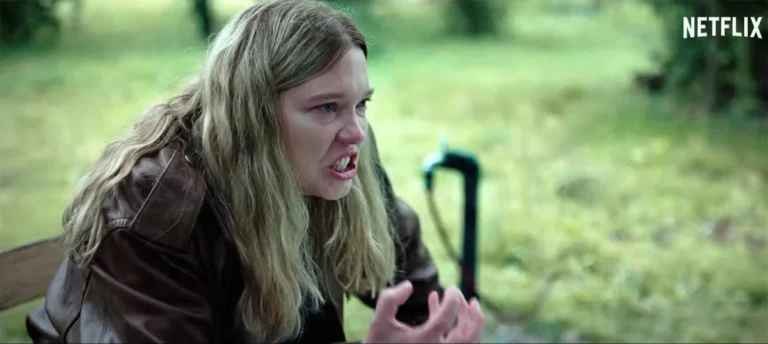
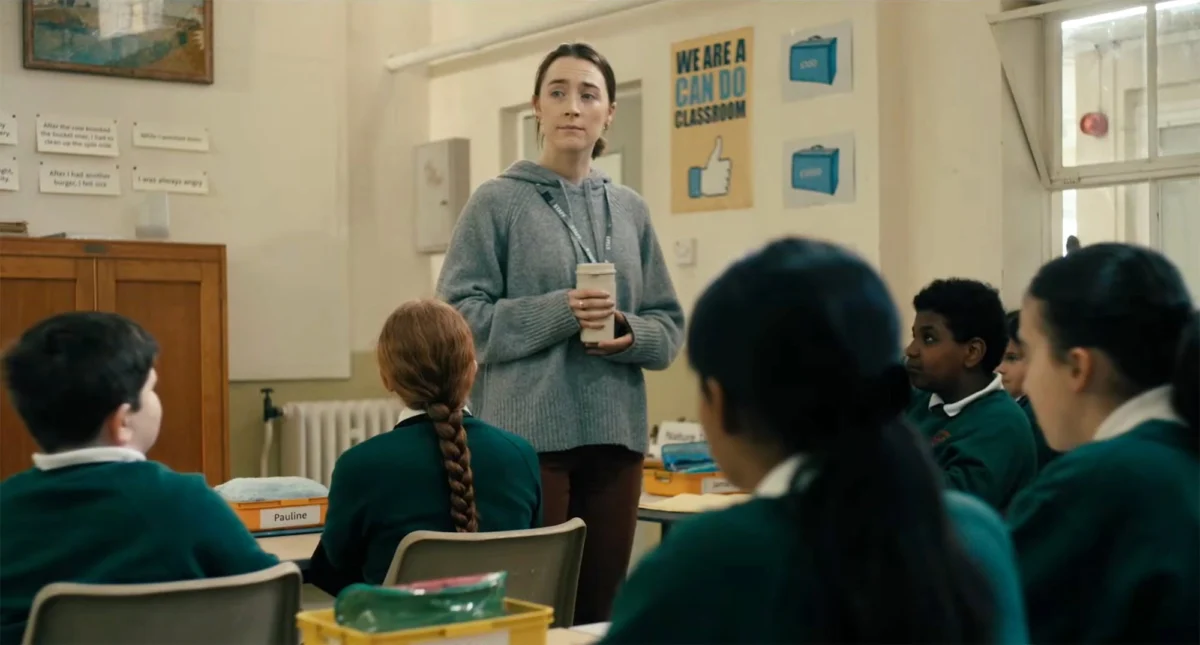
The film stars four-time Academy Award nominee Saoirse Ronan as Maria, a primary school teacher in the United Kingdom whose professional life takes an unexpected and ethically fraught turn. Maria is confronted with the persistent and extreme misbehavior of one particular student, characterized as foul-mouthed and violent. Driven to a breaking point and feeling unsupported by the established systems, Maria takes what she perceives as drastic but necessary action. The narrative unfolds as Maria makes a series of increasingly questionable decisions, culminating in her accidentally detaining and isolating the problematic student, colloquially referred to as a "bad apple." What begins as a desperate attempt to restore order swiftly devolves into a complex ethical dilemma, as the unexpected absence of the disruptive student leads to a marked improvement in classroom dynamics and overall student flourishing. The staff and parents, initially unaware of the true circumstances, are reportedly thrilled with the positive changes, inadvertently trapping Maria in a precarious predicament of her own making. The ensemble cast includes Jacob Anderson, Eddie Waller, Nia Brown, Rakie Ayola, Robert Emms, and Sean Glider, contributing to what critics have described as a sharp and nuanced exploration of a challenging social topic.
A Deeper Look into the Narrative and Thematic Underpinnings
Bad Apples delves into a myriad of intricate themes, most notably the societal inclination to overlook uncomfortable truths in the pursuit of perceived harmony and safety. Maria’s initial struggle highlights the often-overwhelming pressures faced by educators dealing with challenging students and the systemic failures that can leave teachers feeling isolated and disempowered. The film’s central conflict—Maria’s accidental "abduction" of the student and the subsequent positive repercussions—serves as a darkly comedic yet profound commentary on the moral compromises individuals and communities are willing to make. The narrative explores the uncomfortable question of whether a problematic element, once removed, justifies the ethically dubious means employed. This moral ambiguity is central to the film’s appeal, prompting audiences to confront their own perspectives on justice, community responsibility, and the nature of "badness" itself.

The film’s title, Bad Apples, directly references the well-known idiom "one bad apple spoils the bunch," but subverts it by suggesting that the removal of the "bad apple" might, in fact, lead to a flourishing "bunch," raising uncomfortable questions about collective complicity and selective blindness. Critics who saw the film on the festival circuit praised its audacious script and Etzler’s deft direction in navigating such sensitive subject matter without resorting to didacticism or oversimplification. Instead, the film presents a multifaceted view, showcasing both the commendable and less savory aspects of human nature and societal responses to deviance.
The Creative Team and Production Journey
Bad Apples is helmed by Swedish indie filmmaker Jonatan Etzler, known for his distinctive directorial style and previous work, including the film One More Time and a collection of critically acclaimed short films. Etzler’s experience in crafting narratives that blend humor with profound social insight appears to be a perfect fit for the material, which originated as a novel by Rasmus Lindgren. The screenplay, adapted by Jess O’Kane, has been lauded for its sharp wit and ability to translate the novel’s complex themes into a compelling cinematic experience. The production was led by Oskar Pimlott, with Benjamin Greenacre serving as co-producer, bringing the vision to fruition.
Saoirse Ronan’s involvement is a significant draw for the film. Known for her diverse roles and powerful performances in films such as Lady Bird, Little Women, and Brooklyn, Ronan brings a formidable talent for conveying complex emotional states. Her portrayal of Maria is expected to be another standout performance, navigating the character’s descent into a morally ambiguous territory with a blend of desperation, accidental cunning, and underlying humanity. Her choice of this role underscores her continued commitment to projects that are not only challenging but also push the boundaries of conventional storytelling, further cementing her reputation as one of her generation’s most versatile actresses. The supporting cast, featuring established talents like Jacob Anderson and rising stars such as Eddie Waller and Nia Brown, is anticipated to provide robust performances that anchor the film’s satirical yet poignant tone.
Festival Circuit Acclaim and Critical Reception
The journey of Bad Apples through the 2025 film festival circuit was a crucial factor in building its pre-release momentum. Its world premiere at the Toronto International Film Festival, a renowned launchpad for Oscar contenders and independent darlings, immediately positioned it as a film to watch. TIFF’s selection criteria often prioritize films that offer unique perspectives, strong directorial voices, and compelling performances, all of which Bad Apples seemingly delivered. The subsequent showings at San Sebastian, London, and AFI Fest further solidified its critical standing, with reviewers consistently highlighting the film’s originality and fearless approach to controversial themes.

While specific quotes from reviews are not publicly available at the time of the trailer’s release, the consistent mention of "rave reviews" across multiple festivals suggests a consensus among critics regarding the film’s artistic merit and its ability to provoke thought and discussion. Festival buzz is invaluable for independent and character-driven films, often translating into increased audience awareness and, crucially, a more robust distribution strategy. For Bad Apples, this critical endorsement likely played a significant role in Paramount Pictures’ decision to acquire and distribute the film, particularly for a wider European release. The festival screenings allowed the film to establish its credentials, demonstrating its capacity to resonate with diverse international audiences and critics.
The Power of Dark Comedy in Social Commentary
Bad Apples sits squarely within the genre of dark comedy, a cinematic tradition that uses humor to explore serious, often uncomfortable, or taboo subjects. This genre’s appeal lies in its ability to disarm audiences with laughter, making them more receptive to challenging ideas and moral quandaries. By infusing a potentially tragic or horrifying scenario with comedic elements, dark comedies like Bad Apples can offer a fresh perspective on societal failings, human nature, and ethical dilemmas without becoming overly preachy or depressing. The "bad student satire" aspect of the film positions it within a lineage of works that critique institutional structures and societal norms through an irreverent lens.
Historically, dark comedies have proven effective in tackling themes ranging from war (Dr. Strangelove) to death (Arsenic and Old Lace) and corporate greed (Thank You For Smoking). Bad Apples appears to harness this power to shine a light on the often-ignored complexities of the education system, parental responsibility, and the sometimes-unintended consequences of well-meaning but misguided actions. The film’s narrative structure, where Maria’s desperate act leads to a seemingly positive outcome, creates a rich ground for comedic irony and moral examination, forcing viewers to confront their own biases and ethical boundaries.
Release Strategy and Anticipated Impact
Paramount Pictures’ release of the first official trailer on July 1, 2026, marks the beginning of its broader marketing campaign for Bad Apples. While the trailer was briefly pulled offline, indicating potential technical adjustments or a strategic re-release, its initial unveiling signals the studio’s intent to build anticipation. The film is scheduled to open in cinemas across Europe starting in September 2026. This staggered release strategy, common for films with significant festival exposure, allows for targeted marketing campaigns tailored to different regions and capitalizes on word-of-mouth generated by early critical praise.

As of early July 2026, a final US release date for Bad Apples has not yet been set, a common practice for independent films that often adjust their domestic release based on international performance and further festival engagements. The success of the European release will likely influence the timing and scope of its eventual North American debut, potentially positioning it for an awards season run if critical and audience reception continues to be strong. The film’s themes are universally resonant, but its specific setting in a UK primary school adds a layer of cultural specificity that will be interesting to observe in different markets.
The implications of Bad Apples extend beyond its cinematic merits. It has the potential to ignite public discourse on pressing societal issues, particularly in education. The film’s exploration of community complicity and the systemic pressures on teachers could resonate deeply with parents, educators, and policymakers. By presenting a scenario that is both absurd and disturbingly plausible, Bad Apples offers a unique lens through which to examine the challenges of managing problematic individuals within a collective, and the lengths to which people will go to maintain a fragile peace. Its success could encourage more filmmakers to tackle complex social themes through the often-underestimated power of dark comedy. As the film approaches its European theatrical release, industry observers will be keenly watching to see if its box office performance mirrors its critical acclaim, further cementing its place as a significant entry in the contemporary independent film landscape.