



The release of new 911 audio on June 20, 2026, has cast fresh light on the immediate aftermath of the April 2025 stabbing that claimed the life of Austin Metcalf. The chilling recording captures the frantic yet remarkably composed account of a friend of Metcalf, who, moments after the attack, provided a detailed description of assailant Karmelo Anthony to an emergency dispatcher. Crucially, the friend also relayed his belief that the immediate danger had subsided because several coaches had intervened, restraining Anthony and seemingly containing the volatile situation. This newly unveiled audio offers a distinct perspective, contrasting sharply with previously released calls that depicted the desperate struggle of Good Samaritans attempting to save Metcalf’s life through CPR. The audio emerges weeks after Anthony’s conviction for murder and subsequent sentencing to over three decades in prison, providing a critical piece of the tragic puzzle that led to Metcalf’s untimely death.
The Immediate Aftermath: A Friend’s Urgent Call
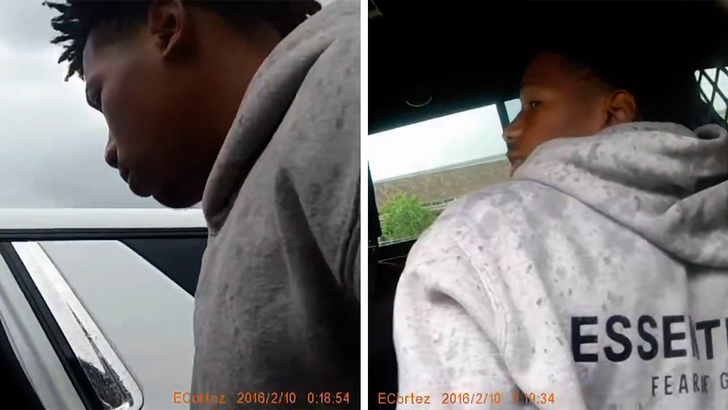
The 911 call, originating from a friend of Austin Metcalf, began with the harrowing declaration that Metcalf had been stabbed in the chest. Amidst the chaos and urgency inherent in such a crisis, the dispatcher calmly but firmly sought vital information. When asked if he could see the assailant, the friend confirmed he could, proceeding to offer a clear and concise description: a Black individual, clad in an "Essentials" brand sweatshirt and blue sweatpants. This description proved critical, as it aligned perfectly with later evidence, including body camera footage from law enforcement officers who apprehended Karmelo Anthony. That footage, which captured Anthony in the described attire while crying and claiming self-defense, would later become a significant component of the prosecution’s case.

A particularly poignant moment in the newly released audio occurs when the dispatcher inquired about the assailant’s current threat level and the presence of the weapon. The friend, exhibiting a surprising degree of situational awareness despite the trauma, stated he wasn’t sure if Anthony still possessed the weapon but was confident he was "no longer a threat." When pressed for the basis of this assertion, the friend explained that "coaches have stopped him and seem to be handling the situation." This detail provides a crucial glimpse into the immediate, on-the-scene intervention by individuals who, in all likelihood, prevented further harm and played a pivotal role in Anthony’s swift apprehension. The presence of coaches suggests the incident likely unfolded in a setting associated with organized sports, an educational institution, or a community center where such personnel would be present and trained, to some extent, in crisis management.
Chronology of a Tragedy and Justice
The sequence of events leading from the brutal stabbing to the recent judicial resolution spans more than a year, marked by investigation, legal proceedings, and profound grief.
- April 2025: The Stabbing: Austin Metcalf is fatally stabbed, an incident that immediately triggers multiple emergency responses.
- Initial 911 Calls and Emergency Response: Following the attack, at least two distinct 911 calls are placed. One, from Metcalf’s friend, focuses on identifying the assailant and confirming his containment. Another, previously released, captures the desperate efforts of Good Samaritans administering CPR, their pleas for Metcalf to "live" painting a vivid picture of the immediate struggle against death.
- Karmelo Anthony’s Apprehension: Law enforcement arrives swiftly. Body camera footage captures Anthony’s arrest, where he is seen wearing the exact clothing described by Metcalf’s friend. During his apprehension, Anthony is visibly distraught and vocalizes a claim of self-defense, setting the stage for his legal battle.
- Investigation and Charges: Authorities launch a comprehensive investigation, gathering forensic evidence, witness testimonies, and the critical 911 audio recordings and bodycam footage. Karmelo Anthony is subsequently charged with murder.
- June 9, 2026: Conviction: After a trial that likely presented a significant amount of compelling evidence, including the very audio and video footage now being discussed, Karmelo Anthony is found guilty of murder. This verdict represents a major milestone in the pursuit of justice for Austin Metcalf.
- June 9, 2026: Sentencing: On the same day as his conviction, Anthony receives his sentence: more than three decades in prison. This substantial term reflects the gravity of the crime and the judicial system’s response to violent offenses.
- June 20, 2026: Release of New 911 Audio: The public release of Austin Metcalf’s friend’s 911 call offers new details and a different perspective on the initial moments following the stabbing, almost certainly providing a clearer understanding of how Anthony was identified and contained.
Contrasting Perspectives: The 911 Calls as Evidence
The two distinct 911 calls now in the public domain offer a stark and compelling contrast, each serving a unique evidentiary and narrative purpose. The previously published audio, described as "haunting," focuses almost entirely on the desperate attempts to preserve Metcalf’s life. It captures the raw urgency, the emotional distress of those performing CPR, and their fervent pleas for the victim to survive. This call underscores the immediate, life-or-death struggle and the selfless actions of those who rushed to Metcalf’s aid. It is a testament to the human instinct to help in a crisis, even when faced with overwhelming odds.
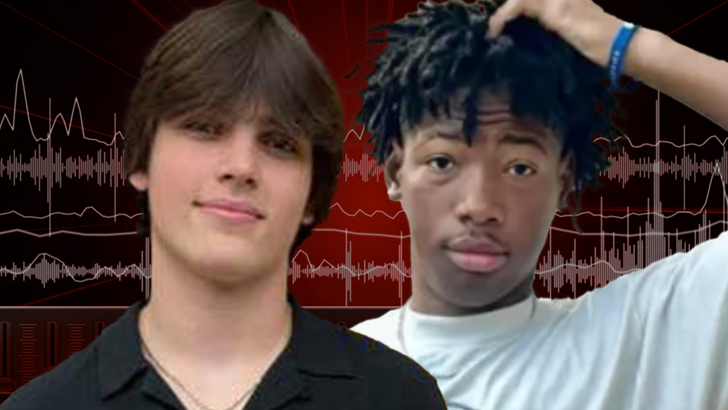
In contrast, the newly released audio from Metcalf’s friend, while undeniably urgent, provides a more observational and descriptive account. The friend’s focus, guided by the dispatcher’s questions, shifts from the victim’s immediate medical needs to the identification and containment of the assailant. His ability to provide a precise description of Anthony’s clothing and his assurance that "coaches have stopped him" were invaluable to the rapid police response and subsequent apprehension. This call highlights the critical role of eyewitness testimony and the importance of clear communication in emergency situations, even under extreme duress. Both recordings, individually and collectively, played a vital role in reconstructing the events of that tragic day and forming the evidentiary backbone of the prosecution’s case against Karmelo Anthony. They demonstrate how different individuals, facing the same horrific event, will prioritize different aspects of the crisis based on their proximity, role, and immediate capacity to act.
Karmelo Anthony’s Apprehension and Defense Strategy
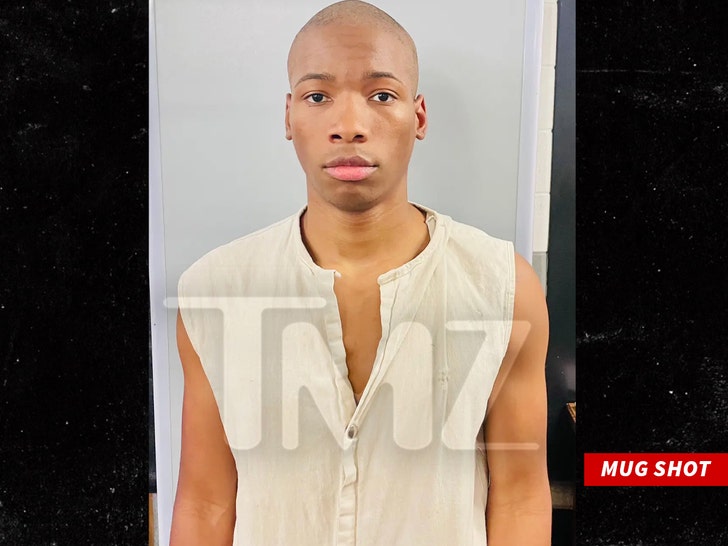
Body camera footage from the scene proved to be a critical piece of evidence, not only confirming the friend’s description of Anthony’s attire but also capturing his immediate reaction to being apprehended. The footage showed Anthony wearing the "Essentials" sweatshirt and blue sweatpants, precisely as described, which significantly strengthened the prosecution’s case regarding his identification. More profoundly, the bodycam video captured Anthony crying and claiming self-defense immediately following the incident. This emotional display and initial statement laid the groundwork for his legal defense, which presumably centered on the argument that his actions were justified to protect himself.
However, the jury’s verdict of murder, rather than a lesser charge such as manslaughter or an acquittal based on self-defense, indicates that the prosecution successfully refuted Anthony’s claims. The specific details of the confrontation, the nature of Metcalf’s injuries, and potentially other evidence such as witness accounts or lack of credible threat to Anthony, must have collectively undermined his self-defense argument. The immediate containment by coaches, as described in the 911 call, also likely played a role in demonstrating that Anthony’s actions were not ongoing or in response to an active, immediate threat that necessitated a fatal response.
The Role of Bystander Intervention and Legal Implications
The intervention by the coaches, as detailed in the newly released 911 audio, stands out as a crucial element in the narrative. Their swift action to "stop" and "handle" Karmelo Anthony likely prevented further harm and ensured that he remained at the scene until law enforcement arrived. This act of bystander intervention, often overlooked in the broader tragedy, underscores the critical importance of individuals stepping forward responsibly in moments of crisis. While not all situations warrant direct physical intervention, the coaches’ actions demonstrate a commitment to safety and order within their environment.
From a legal standpoint, the detailed description provided by Metcalf’s friend, coupled with the immediate containment of Anthony by the coaches, streamlined the identification and apprehension process for law enforcement. This rapid securing of the suspect, along with the consistent descriptive evidence, would have been invaluable in building a strong case. Furthermore, the 911 audio recordings themselves served as primary evidence, capturing raw, unfiltered accounts from the scene. Such recordings are frequently used in criminal trials to establish timelines, confirm details, assess emotional states, and corroborate or contradict witness testimonies. The authenticity and immediacy of 911 calls make them exceptionally powerful tools in the pursuit of justice.
Broader Impact and Implications
The conviction and sentencing of Karmelo Anthony, coupled with the ongoing release of evidentiary details like the 911 audio, bring a measure of closure, albeit a painful one, to Austin Metcalf’s family and the community affected by this tragedy. The case serves as a stark reminder of the devastating consequences of violence and the profound impact it leaves on victims, their loved ones, and the broader societal fabric. For Metcalf’s family, the legal resolution, with Anthony facing decades in prison, represents the culmination of a long and arduous journey through the justice system, seeking accountability for their loss.
Beyond the immediate parties, the case also highlights several broader implications for public safety and the justice system. It underscores the vital role of emergency services, from the dispatchers who guide callers through traumatic events to the first responders who arrive on the scene. It also reinforces the significance of community vigilance and bystander intervention, demonstrating how collective action can mitigate harm and aid in the administration of justice. The meticulous collection of evidence, from 911 calls to body camera footage, illustrates the modern tools available to investigators and prosecutors in building robust cases against alleged perpetrators of violent crimes. While the pain of losing Austin Metcalf will undoubtedly endure, the legal process has ensured that Karmelo Anthony is held accountable for his actions, sending a clear message about the unacceptability of such violence within society. The newly released audio, nearly a year after the event, continues to inform the public about the intricacies of the tragedy, emphasizing that every detail contributes to the full understanding of such complex human events.