


Tom Fontenille’s deeply moving documentary, “A Secret Heart,” offers an intimate and profoundly affecting chronicle of family healing and personal transformation, charting the journey of a father’s transition into womanhood as Lilou, alongside his children’s navigation of grief and evolving familial dynamics. The film, spanning 88 minutes, meticulously documents over four years, presenting a nuanced portrait of a family confronting loss, embracing change, and forging a new sense of belonging. The narrative begins with a poignant visual echo of Lilou’s present: a photograph of her, a vibrant 64-year-old woman with windblown grey hair and a radiant smile, positioned atop a piano. This opening image serves as a potent counterpoint to the earlier footage, which delves into the filmmaker’s father’s struggles with emotional expression and his shared grief with his son and daughter following the recent death of his wife. This dual exploration of late-life transitions—the shift in parent-adult child relationships and the profound impact of loss—forms the emotional bedrock of the film.
The Unfolding of a Transformation
“A Secret Heart” is not solely a film about gender transition; it is a multi-layered exploration of human resilience and the complex processes of self-discovery and familial reconciliation. The film captures a pivotal period where the patriarch, initially identified in the early stages of the narrative as the filmmaker’s father, grapples with profound internal and external shifts. The death of his wife, a central figure in the family’s life, acts as a catalyst, prompting a re-evaluation of life, mortality, and the unexpressed aspects of his identity. This period of mourning, as depicted in the film, becomes a crucible for both personal revelation and familial reckoning.
The film’s strength lies in its unflinching yet sensitive portrayal of these delicate moments. Fontenille, as both director and writer, grants the audience unparalleled access to highly personal and often emotionally charged events. However, this access is wielded with remarkable skill, ensuring that the documentary remains engaging and accessible to a broad audience rather than becoming an insular exploration of private catharsis. The filmmaker’s ability to maintain a sense of perspective, while immersed in the intimate details of his own family’s story, is a testament to his directorial acumen. He consistently employs filmmaking techniques to orient the viewer, grounding the emotional arc in relatable human experiences.
Navigating Grief and Shifting Dynamics
The family dynamic is rendered with palpable authenticity. The documentary doesn’t shy away from the difficult conversations that arise between the adult children and their parent regarding a historical reticence to express emotions. The outward manifestations of change, particularly Lilou’s transition, are shown to both mask and, in some instances, reveal deeper emotional truths that have remained unspoken. These interwoven threads of courage, vulnerability, and lingering emotional complexities create a compelling tension. While Lilou’s decision to transition is a powerful act of self-realization, the film acknowledges that this courage also brings disruption and necessitates a recalibration of established familial roles and expectations. The power of “A Secret Heart” stems from its gentle yet insightful weaving of these contradictory elements, demonstrating that profound change often occurs amidst a landscape of both celebration and uncertainty.
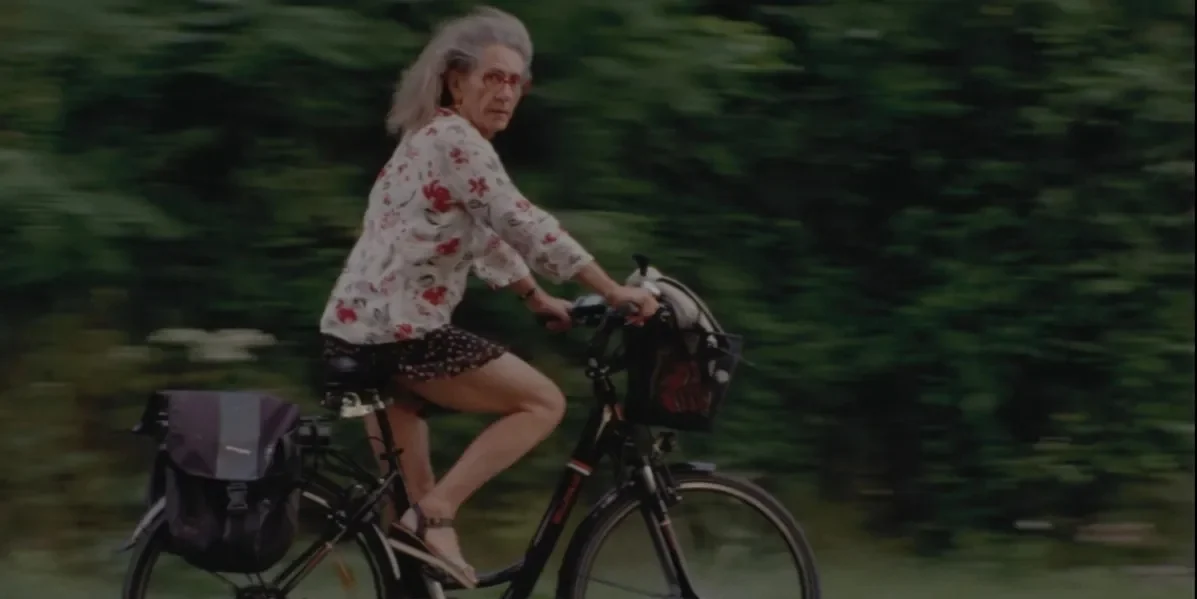
The narrative unfolds at a deliberate pace, mirroring the unhurried rhythm of Lilou’s own life and the serene, almost dreamlike, bucolic setting of the French countryside where much of the film is situated. Shots of sunlit bike rides through picturesque landscapes and tranquil gardening sessions contribute to this idyllic atmosphere, yet they stand in stark contrast to the potent emotional currents running beneath the surface. This juxtaposition highlights the film’s ability to capture the profound internal shifts against a backdrop of external peace. The film functions as an unvarnished testament to years of change, guiding the audience on a journey that feels as organic and meandering as the bike rides depicted. It navigates emotional pitfalls with grace, showcasing a steady progression forward.
Unearthing and Holding onto Secrets
Lilou’s journey of self-discovery and “unmasking” is undeniably powerful. However, as the film’s title suggests, the process of revelation is not absolute. There remain layers of personal history and emotional nuance that are held close, contributing to the film’s enduring intrigue. The documentary probes these remaining veiled aspects, not in a sensationalist manner, but with a keen eye for the enduring complexities of identity and familial relationships.
The conversations captured within “A Secret Heart” are remarkably candid. Fontenille’s camera, described as insistent yet never intrusive, observes these unvarnished exchanges, preserving a sense of genuine interaction. The authenticity of these moments is paramount; there is no indication of staged scenarios or over-rehearsed dialogue, which further amplifies the film’s impact. However, there are moments where the parent gently chides the child for probing too deeply into questions that, due to a mixture of stubbornness and emotional reserve, they prefer to keep unexplored. This dynamic underscores the ongoing negotiation of boundaries and the delicate balance between openness and the need for personal space within families undergoing significant transformation.
The Broader Resonance of a Personal Story
With its unique precision and delicate stylistic approach, “A Secret Heart” achieves a remarkable feat: it presents a narrative of intimate scope with a profound, far-reaching impact. While the circumstances depicted are deeply personal to the Fontenille family, the film transcends its specific context to resonate with universal themes that are likely to strike a chord with viewers from diverse backgrounds. The film articulates the broader questions that emerge within almost every family—questions about identity, acceptance, the evolution of love, and the courage required to live authentically.
The implausible yet undeniable connection forged between the intensely personal subject matter and the larger human experience is what elevates “A Secret Heart.” It is this shared humanity, this common heartbeat of vulnerability and resilience at the core of the story, that renders the film truly memorable and worthy of widespread contemplation. The film’s exploration of Lilou’s journey, from a father struggling with his identity to a 64-year-old woman embracing DIY, gardening, cycling, and the joys of her grandchildren, serves as a powerful testament to the fact that transformation and self-actualization are not confined by age or societal expectations.
Context and Supporting Data
The film’s release and subject matter arrive at a time when conversations around gender identity and LGBTQ+ rights are increasingly prominent in public discourse. While “A Secret Heart” predates the peak of some of these discussions, its personal narrative provides a crucial human dimension to broader societal trends. Data from organizations like the Williams Institute at UCLA School of Law consistently show an increase in the number of transgender individuals openly identifying and living as their authentic selves. For instance, reports indicate a significant rise in individuals identifying as transgender across various age demographics, underscoring the growing visibility and acceptance of transgender identities.
The film’s portrayal of Lilou’s transition at an older age is particularly significant. Historically, transgender narratives often focused on younger individuals, but there is a growing recognition and understanding of transgender experiences across the lifespan. Research from organizations like AARP, while not specifically focused on transgender individuals, highlights the importance of late-life transitions and reinvention for overall well-being and happiness. Lilou’s embrace of new hobbies and active engagement with her grandchildren exemplifies this pursuit of fulfillment and joy in later years, irrespective of personal identity shifts.
Chronological Framework of the Film’s Narrative
The narrative arc of “A Secret Heart” can be broadly understood through a series of significant phases, as captured by Fontenille over the four-year period:
- Initial Grief and Emotional Reticence: The film opens with the immediate aftermath of the matriarch’s death. The father, still in the process of grappling with his identity, is shown struggling to articulate his grief and emotions alongside his children. This period is characterized by a sense of shared loss and unspoken tensions.
- Emergence of Identity Exploration: As the family navigates their grief, the father’s internal journey towards his authentic gender identity begins to become more pronounced. This may involve private introspection, tentative steps towards self-expression, and potentially early conversations with trusted individuals, though the film focuses on the family’s direct experience.
- The Decision and Commencement of Transition: A pivotal moment in the film is the decision to embark on a gender transition. This decision is likely met with a complex mix of support, apprehension, and adjustment from the children and the wider family unit. The documentary captures the initial stages of this outward transition.
- Navigating Familial Adjustment: The subsequent years are dedicated to the family’s collective adjustment to Lilou’s new identity. This involves ongoing conversations, the recalibration of roles and expectations, and the process of building a new familial equilibrium. The film highlights the challenges and triumphs of this period.
- Embracing a New Chapter: The final phase of the film, depicted in the present day of the documentary, showcases Lilou, now fully embracing her identity as a 64-year-old woman. Her engagement in activities like DIY, gardening, and cycling, alongside her role as a doting grandmother, signifies a life lived with newfound authenticity and joy. This is the culmination of the family’s healing and reinvention.
Potential Implications and Broader Impact
The implications of “A Secret Heart” extend beyond the personal sphere. By presenting a transgender narrative within the context of a loving, albeit complex, family unit, the film contributes to destigmatizing transgender identities. It offers a powerful counter-narrative to the often-sensationalized or politicized portrayals of transgender individuals in media. The film’s emphasis on family healing and adaptation suggests that understanding and acceptance can foster positive outcomes for all involved.
Furthermore, the documentary’s success in engaging audiences with a deeply personal story underscores the universal human desire for connection, authenticity, and belonging. In an era where societal divisions can often feel pronounced, films like “A Secret Heart” serve as vital bridges, fostering empathy and encouraging a more compassionate understanding of diverse life experiences. The film’s success in the festival circuit or critical reception, if any were documented, would further underscore its resonance. While specific data on the film’s reception is not provided in the original text, its description suggests a strong potential for critical acclaim and audience engagement due to its subject matter and sensitive filmmaking.
In conclusion, “A Secret Heart” is a testament to the enduring power of love, the courage of self-discovery, and the profound capacity of families to heal and reinvent themselves. Tom Fontenille’s documentary offers a rare and invaluable glimpse into a journey of transformation, reminding viewers that the heart’s deepest desires, when embraced with courage and love, can lead to a life of profound fulfillment and authentic connection. The film’s lasting impact lies in its ability to weave a tapestry of deeply personal experience with universal truths, leaving an indelible mark on the viewer’s understanding of family, identity, and the human spirit.