



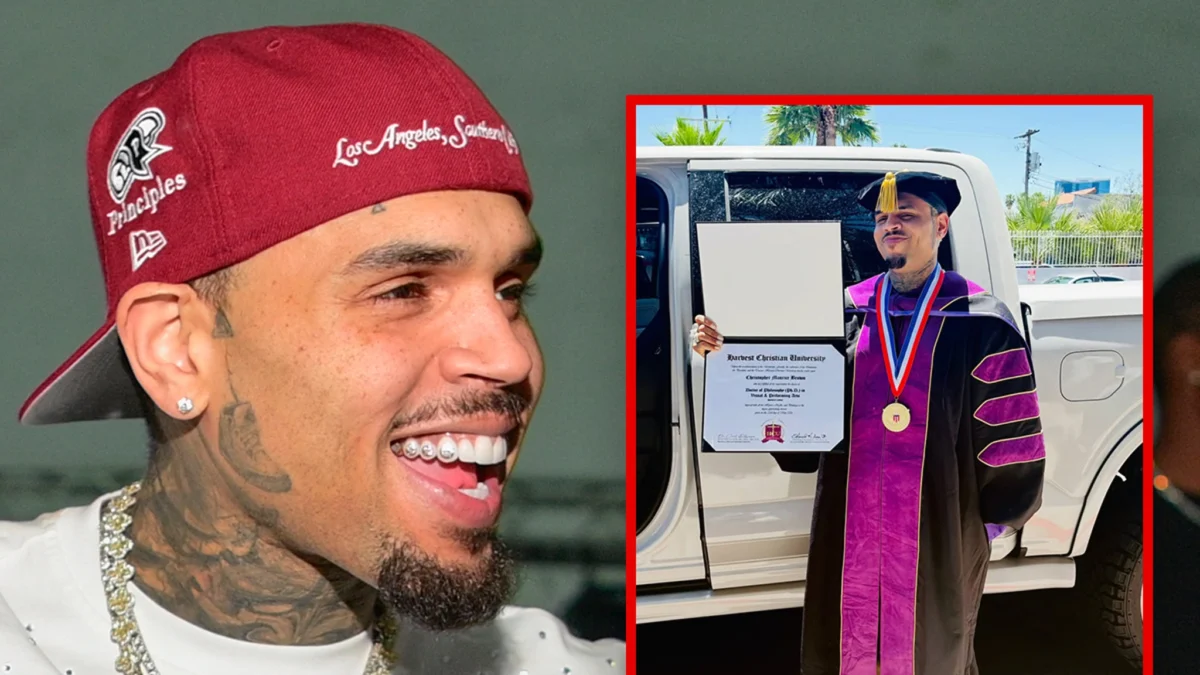
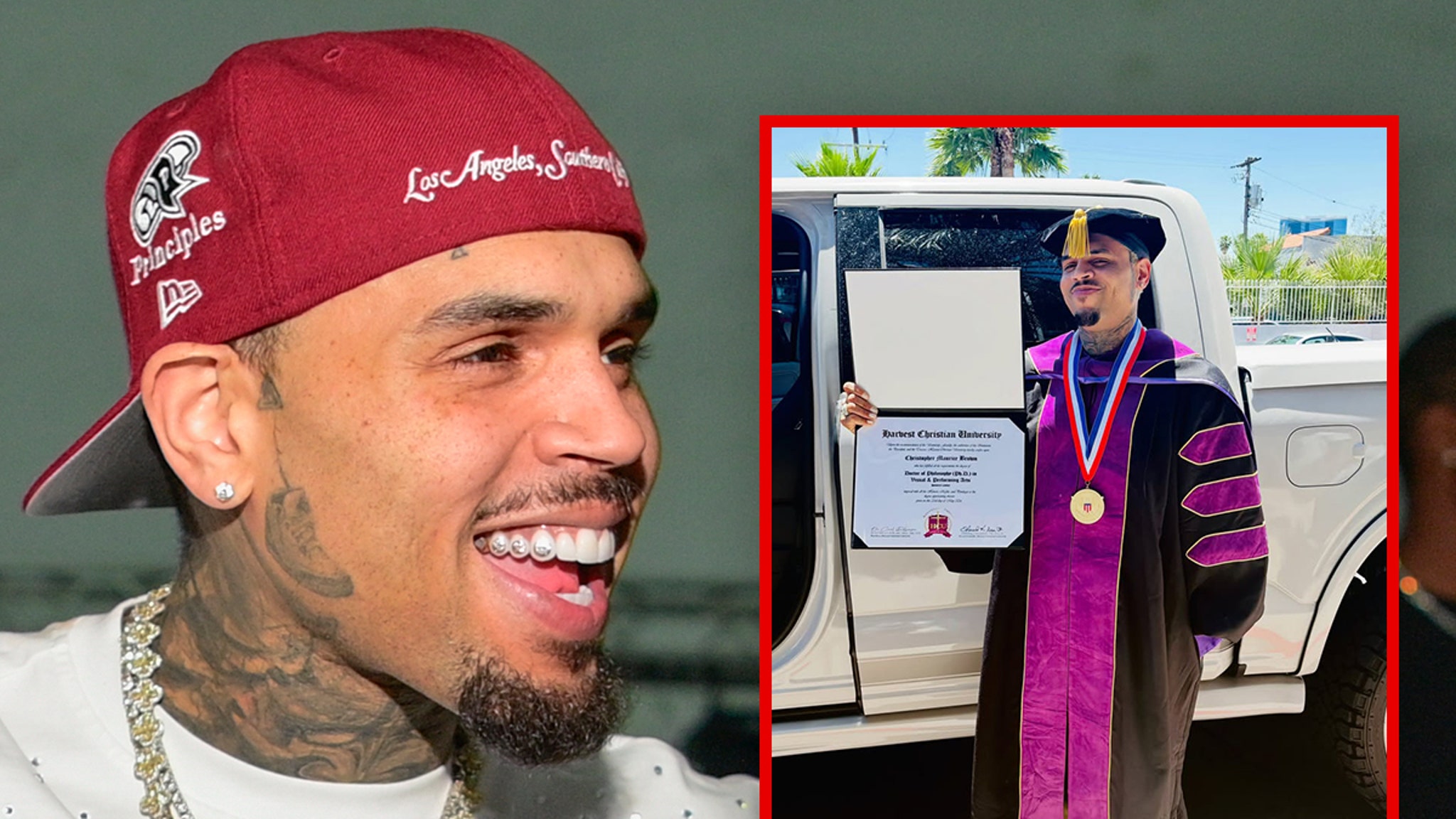
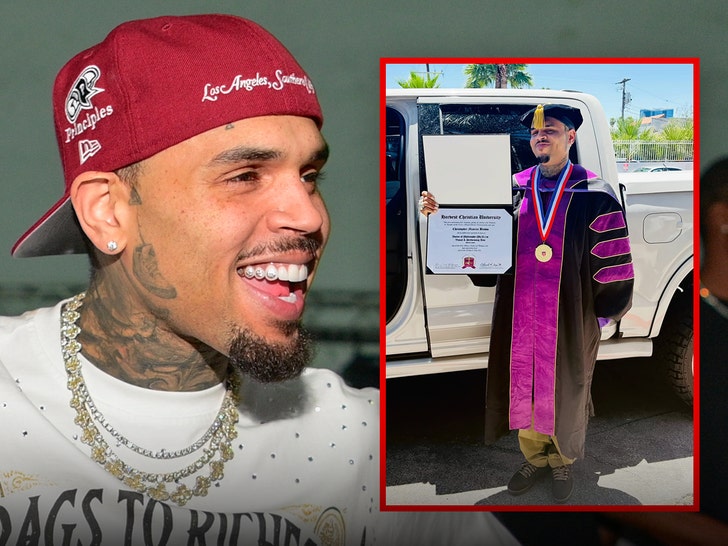
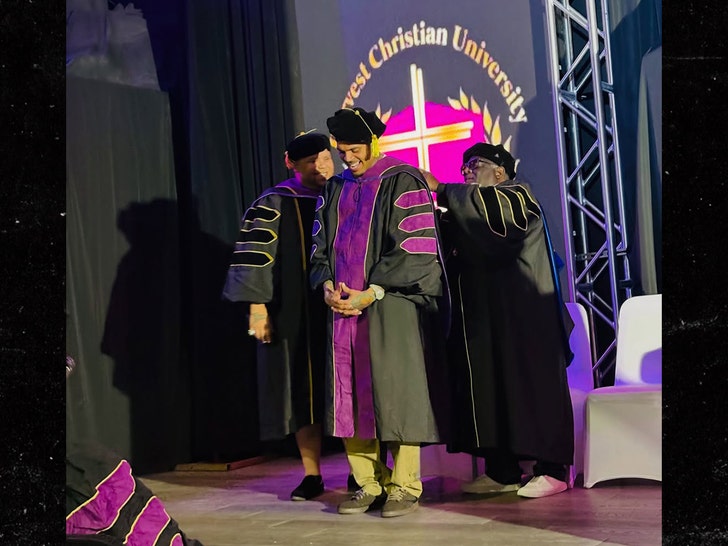
Dallas, Texas – In a significant acknowledgment of his prolific and impactful career in the entertainment industry, acclaimed recording artist Chris Brown was awarded an honorary Doctor of Philosophy degree in Visual & Performing Arts by Harvest Christian University in Dallas, Texas. The prestigious recognition was conferred on Friday, May 23, 2026, marking a notable milestone in the multifaceted journey of the artist. Brown, whose career spans over two decades, celebrated the honor by posing in full academic regalia, a wide smile reflecting the gravity of the occasion as he proudly displayed his newly acquired title.
The announcement, which quickly circulated across social media platforms following Brown’s own post declaring, "I DID A THING," underscores a pivotal moment for the artist. While the phrase itself might be an understatement given the academic weight of a doctorate, it encapsulates the personal pride and public validation associated with such an esteemed award. Honorary degrees are typically bestowed upon individuals who have made extraordinary contributions to their fields or to society at large, without requiring traditional academic coursework. For Brown, this degree specifically acknowledges his profound influence and enduring legacy within the visual and performing arts, encompassing his groundbreaking music, iconic dance, and compelling stage presence.
The Significance of an Honorary Doctorate
An honorary doctorate, often referred to as honoris causa (for the sake of honor), is an academic degree for which a university has waived the usual requirements, such as matriculation, attendance, and the passing of examinations. These degrees are granted as a means of recognizing an individual’s outstanding contributions to a particular field, philanthropy, or public service. In Brown’s case, the Doctor of Philosophy in Visual & Performing Arts directly correlates with his professional endeavors and the substantial impact he has had on music, dance, and popular culture since his debut in the mid-2000s.
Harvest Christian University, a private faith-based institution located in Dallas, Texas, has a mission rooted in Christian values and often seeks to recognize individuals who exemplify excellence and leadership, not only within their faith but also in broader societal contexts. While the university’s primary focus is theological and vocational training, its decision to honor Brown highlights a broader trend among academic institutions to acknowledge the cultural and artistic achievements of figures who have significantly shaped public discourse and creative expression. This particular award from a faith-based university also carries a symbolic weight, potentially signifying recognition of Brown’s personal growth and resilience alongside his artistic prowess.
A Career Defined by Innovation and Influence
Chris Brown’s journey in the visual and performing arts began at a remarkably young age, with his self-titled debut album released in 2005 when he was just 16. The album spawned the hit single "Run It!" and quickly established him as a formidable force in R&B, pop, and hip-hop. Over the subsequent two decades, Brown has released numerous studio albums, including "Exclusive" (2007), "F.A.M.E." (2011), "Fortune" (2012), "Royalty" (2015), "Indigo" (2019), and "Breezy" (2022). His discography boasts an impressive array of chart-topping singles, platinum certifications, and critical acclaim.
His artistic contributions extend far beyond vocal performance. Brown is widely regarded as one of the most dynamic and influential dancers of his generation, often drawing comparisons to legends like Michael Jackson. His intricate choreography, seamless integration of various dance styles, and captivating stage presence have set a high bar for contemporary performers. Music videos for songs such as "Kiss Kiss," "Forever," and "Fine China" are not merely visual accompaniments but intricate short films that showcase his visionary approach to visual storytelling and performance art. These elements—his vocal talent, songwriting ability, dance proficiency, and directorial input in his visual media—collectively paint a comprehensive picture of an artist deeply immersed in and profoundly shaping the visual and performing arts.
Throughout his career, Brown has accumulated a vast collection of awards, including a Grammy Award for Best R&B Album ("F.A.M.E."), numerous BET Awards, American Music Awards, and MTV Video Music Awards, underscoring both peer recognition and popular appeal. His ability to consistently reinvent his sound, adapt to evolving musical landscapes, and maintain a strong connection with his global fanbase speaks to his artistic endurance and undeniable impact. The honorary doctorate serves as an institutional affirmation of this extensive and impactful body of work, recognizing his role as an innovator and a significant cultural figure.
A Month of Contrasts: Highs, Lows, and Recognition
The honorary doctorate comes at a particularly eventful time for Chris Brown, capping off a month characterized by both personal celebrations and significant challenges. May 2026 has been a period of stark contrasts, providing a backdrop against which this academic honor stands out as a definitive "win," as noted by various media outlets.
The month began with Brown celebrating his 37th birthday. Reports indicated a private, intimate gathering in Las Vegas, marking another year in his life and career. Such personal milestones often provide moments for reflection and gratitude, but for public figures like Brown, they are frequently intertwined with professional developments and public scrutiny.
Shortly after his birthday, Brown released a new album, the title of which was not immediately disclosed in the initial reports. The album’s reception, however, was described as "so-so reviews," indicating a mixed critical response rather than universal acclaim. In the contemporary music industry, where album releases are scrutinized by critics, fans, and industry analysts alike, varied reception is not uncommon. However, for an artist with Brown’s extensive track record, such responses contribute to the ongoing narrative of his artistic evolution and public perception. Navigating the subjective landscape of music criticism is a continuous challenge for any artist, and this particular release added another layer to his professional narrative in May.
Adding to the complexities of the month, Brown also faced unsettling personal security issues. He reportedly had to deal with a trespasser who showed up at his home on multiple occasions. Such incidents not only pose a direct threat to personal safety but also create significant psychological stress and logistical challenges, requiring increased security measures and police intervention. The repeated nature of the trespassing events highlighted the unique vulnerabilities faced by high-profile individuals and the constant need for vigilance. These events often bring unwanted media attention and disrupt personal peace, making the celebratory nature of the honorary degree even more poignant as a counterbalance to these external pressures.
Against this backdrop of personal joy, professional evaluation, and security concerns, the conferral of the honorary doctorate emerges as a powerful symbol of positive affirmation. It provides a moment of undeniable prestige and academic recognition, distinct from the commercial performance of an album or the anxieties of personal security breaches. This convergence of events in May 2026 paints a vivid picture of the dynamic and often tumultuous life of a prominent public figure, where moments of triumph are often interspersed with challenges.
Broader Implications and Public Discourse
The awarding of an honorary doctorate to a figure as prominent and, at times, controversial as Chris Brown inevitably sparks broader conversations within academic circles and public discourse. While the recognition of artistic merit is clear, the concept of honorary degrees itself sometimes generates debate. Critics occasionally argue that such honors dilute the academic rigor associated with traditional doctorates, especially when bestowed upon celebrities whose achievements lie outside conventional scholarly pursuits. However, proponents emphasize that honorary degrees serve a vital function in acknowledging societal contributions, inspiring future generations, and bridging the gap between academia and diverse fields of human endeavor.
For Chris Brown, this honor could signify a shift or evolution in public perception. Despite his immense artistic success, his career has been punctuated by various controversies that have often overshadowed his musical achievements. While an honorary degree does not erase past issues, it does offer a formal recognition of his professional contributions by an academic institution, potentially fostering a more holistic view of his legacy. It highlights the institution’s focus on his artistic output and impact on culture, rather than his personal conduct, which is typically the domain of legal and ethical scrutiny.
Furthermore, this degree underscores the increasing importance of popular culture figures in shaping global narratives and influencing millions. Universities are progressively recognizing that significant cultural impact, innovative artistry, and sustained influence within fields like music and entertainment are legitimate forms of achievement worthy of academic acknowledgment. This trend reflects a broadening definition of what constitutes "scholarship" or "contribution" in the 21st century, moving beyond traditional academic paradigms to embrace creative and cultural entrepreneurship.
Looking Ahead: The "Doctor" in the Room
The title of "Doctor" now officially precedes Chris Brown’s name, at least in an honorary capacity. While it doesn’t signify a career change to medicine or scientific research, it symbolically elevates his standing within the arts. It’s a reminder of his enduring influence and the depth of his contributions to the visual and performing arts landscape.
For Brown, this honorary doctorate could serve as a powerful impetus for future endeavors. It may encourage him to engage more directly with educational initiatives, mentorship programs, or artistic development projects that align with the spirit of the award. Such a recognition might also empower him to further explore experimental avenues in his art, knowing that his foundational contributions have been formally acknowledged at the highest level.
In a career marked by both extraordinary highs and significant challenges, the conferral of an honorary Doctor of Philosophy degree in Visual & Performing Arts stands as a testament to Chris Brown’s undeniable talent, resilience, and profound impact on the global entertainment industry. It is a moment of academic validation that not only celebrates his past achievements but also potentially signals a new chapter for an artist who continues to shape the sounds and sights of contemporary culture. The world may indeed "Look At Me Now," as "Dr. Chris Brown" continues his journey.