




The survival horror genre has undergone numerous transformations since its inception, but few franchises have maintained the cultural relevancy and commercial dominance of Capcom’s Resident Evil. As the series marks its 30th anniversary, the release of Resident Evil Requiem has served as both a commercial juggernaut and a creative milestone. The title, which has sold over seven million units within its first eight weeks of release, represents the culmination of three decades of iterative design, oscillating between claustrophobic terror and high-octane action. In a recent post-mortem discussion, game director Koshi Nakanishi and producer Masato Kumazawa detailed the internal philosophies that guided the development of Requiem, a project that was not originally conceived as an anniversary celebration but eventually became the definitive tribute to the series’ enduring legacy.
The Strategic Return to Raccoon City
Resident Evil Requiem distinguishes itself by returning to the series’ most iconic setting: Raccoon City. However, unlike the remakes of the second and third entries, Requiem approaches the location through a contemporary lens, blending the nostalgia of the 1998 incident with a modern narrative structure. Producer Masato Kumazawa noted that the development team remained "tight-lipped" regarding the return to the Raccoon City Police Department (RPD) to preserve the emotional impact for long-time players.
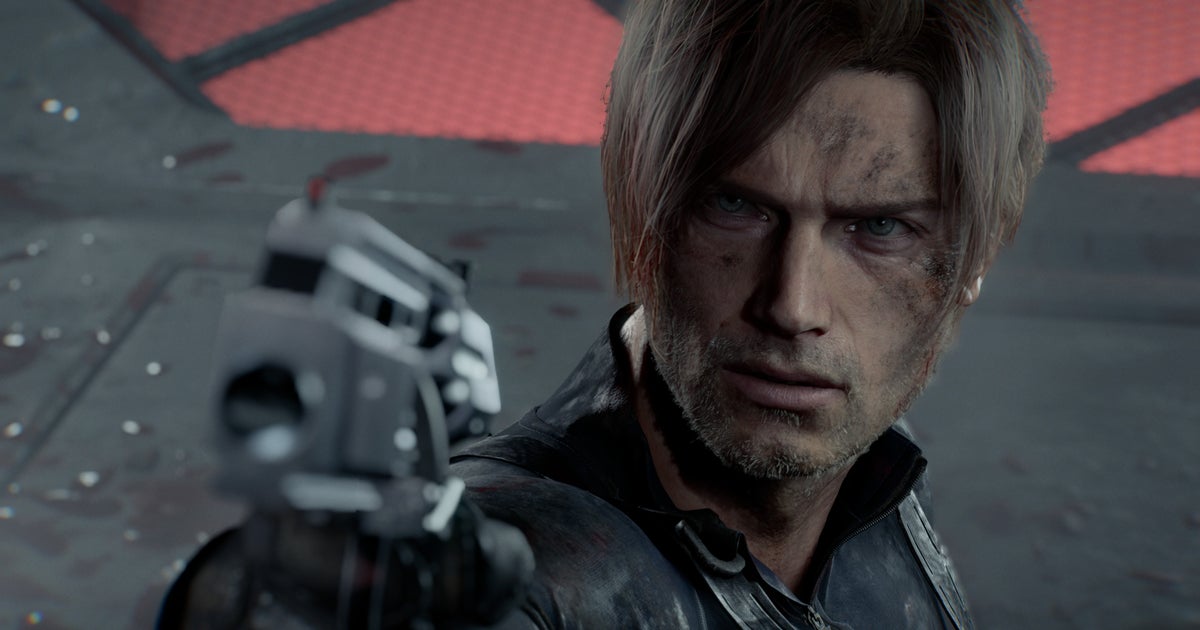
The decision to return to the series’ roots was driven by a desire to explore the "legacy and history" of the franchise. By revisiting the site of the original T-Virus outbreak, the developers were able to provide closure for legacy characters while introducing new stakes for the next generation. This narrative duality is mirrored in the gameplay, which alternates between the harrowing survival experience of newcomer Grace Ashcroft and the seasoned, tactical combat of Leon S. Kennedy.
The Philosophy of Fear: Balancing Horror and Catharsis
At the heart of Resident Evil’s success is a specific formula that Nakanishi describes as the balance between "intense pressure" and "catharsis." According to the director, a Resident Evil title must provide the player with the tools to fight back, distinguishing it from "helpless" horror games where the player can only hide.
"I think Resident Evil’s essence is the balance between the feeling of intense pressure from handling horror situations and the catharsis you get from being able to survive them," Nakanishi explained. This philosophy guided the pacing of Requiem, ensuring that the horror remained "addictive" rather than "unbearable." To achieve this, the team utilized Leon S. Kennedy’s segments as a "pressure valve." While Grace’s chapters focus on psychological tension and resource scarcity, Leon’s sections allow players to "blow off steam" through cinematic action sequences, including a widely discussed motorcycle chase up the side of a skyscraper.

Redefining the Undead: The Uncanny Valley of Requiem’s Zombies
One of the most significant technical and creative departures in Requiem is the depiction of its zombies. Moving away from the mindless shamblers of previous iterations, the development team focused on the concept of "uncanniness." The zombies in Requiem often mimic human routines—orderlies flicking light switches, starlets attempting to sing, or cleaners scrubbing floors.
Nakanishi posits that the horror of a zombie stems from the realization that the creature was once human. By having the undead repeat mundane tasks, the game heightens the "unsettlingness" of their transformation. This design choice serves a dual purpose: it refreshes a monster archetype that has become predictable in modern media and reinforces the tragic history of Raccoon City’s citizens. The goal was to create a threat that felt "almost human, but not quite," forcing the player to confront the person behind the monster before pulling the trigger.
A Chronology of Innovation: 1996 to the Present
To understand the impact of Resident Evil Requiem, one must examine the 30-year timeline that preceded it. The franchise has survived by refusing to remain stagnant:

- 1996–2002 (The Classic Era): Defined by fixed camera angles, tank controls, and the "Metroidvania" style of puzzle-solving within the Spencer Mansion and RPD.
- 2005–2012 (The Action Pivot): Resident Evil 4 revolutionized the industry with the over-the-shoulder camera, leading to a period of increased action that culminated in the divisive Resident Evil 6.
- 2017–Present (The Renaissance): Resident Evil 7: Biohazard shifted the series to a first-person perspective and returned to "pure horror." This era also saw the successful reimagining of classic titles through the RE Engine, setting the stage for Requiem.
Requiem acts as a bridge between these eras, utilizing the over-the-shoulder perspective popularized by Resident Evil 4 while maintaining the atmospheric dread and environmental storytelling characteristic of the 1996 original.
Commercial Performance and Market Comparison
The commercial success of Resident Evil Requiem comes at a time when other long-running Japanese franchises are struggling to capture younger demographics. While Square Enix’s Final Fantasy series has recently faced challenges in attracting new players, Resident Evil has seen a surge in popularity.
The seven million copies sold in two months place Requiem on a trajectory to surpass Resident Evil Village and the Resident Evil 2 Remake, which have sold 10 million and 13 million units respectively over several years. Analysts attribute this growth to Capcom’s ability to cater to two distinct audiences: the "established fan base" that values lore and continuity, and "new players" who are drawn to the series’ high production values and refined gameplay loops. Nakanishi credited the series’ fans for this organic growth, noting that word-of-mouth remains Capcom’s greatest marketing asset.

The Grace Ashcroft Phenomenon and the DLSS 5 Controversy
A central pillar of Requiem’s success is Grace Ashcroft, a character who has quickly become a fan favorite. Unlike the "stoic" veterans of the series, Grace is depicted as "emotionally expressive," providing a relatable surrogate for the player’s own fear.
However, her popularity also made her the center of a technological controversy involving Nvidia’s DLSS 5 (Deep Learning Super Sampling) technology. An AI-powered "glamour" redesign of Grace, showcased by Nvidia, was met with significant backlash from the community, who argued that the polished, AI-altered appearance undermined her characterization as a survivor.
Producer Masato Kumazawa viewed the controversy through a positive lens, suggesting that the passionate defense of Grace’s original design proved the team had "got the design right." The incident highlighted a growing tension in the industry between high-fidelity AI enhancements and the artistic integrity of character design.

Future Implications: The Aging Cast and the Next 30 Years
As the franchise enters its fourth decade, Capcom faces a unique narrative challenge: the aging of its core cast. Characters like Leon S. Kennedy and Chris Redfield, who debuted in the late 1990s, are now approaching middle age in the series’ real-time chronology.
Nakanishi addressed these concerns by stating that Capcom does not feel an immediate pressure to replace these icons with younger protagonists. "I think Leon is really appealing in his current form," Nakanishi remarked, suggesting that the series might eventually feature a protagonist in their 70s. This approach signals Capcom’s confidence in the "longevity" of its characters, treating them as cinematic icons rather than disposable avatars.
Conclusion: A Benchmark for Survival Horror
Resident Evil Requiem stands as a testament to Capcom’s mastery of the survival horror genre. By synthesizing thirty years of mechanical evolution with a deep respect for its narrative roots, the title has achieved a rare feat: satisfying a demanding legacy audience while setting new sales records.

The game’s focus on "uncanny" horror, emotional relatability through characters like Grace Ashcroft, and the strategic use of nostalgia ensures that Resident Evil remains the gold standard for the industry. As the series moves forward, the success of Requiem suggests that Resident Evil is not merely surviving its three-decade milestone—it is entering a new golden age of relevance. With a robust engine, a clear creative vision, and a global community of players, the franchise appears well-positioned to navigate the next thirty years of horror.