


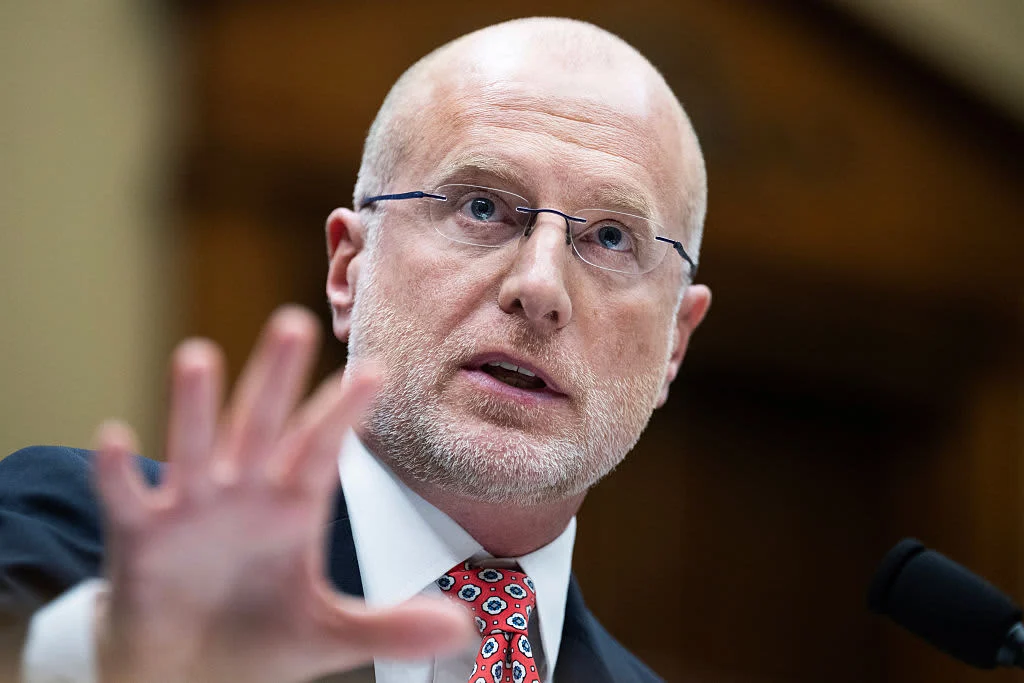
Brendan Carr, Chairman of the Federal Communications Commission (FCC), has indicated that the proposed acquisition of Warner Bros. Discovery (WBD) by Paramount Global is likely to face a significantly smoother regulatory path than the recently abandoned bid by Netflix. Speaking on the sidelines of the Mobile World Congress in Barcelona, Spain, Carr characterized the Paramount-Skydance offer as "cleaner" and suggested that the commission, along with other federal regulators, could grant approval "pretty quickly." The endorsement from the nation’s top communications regulator marks a pivotal moment in what has become one of the most consequential bidding wars in the history of the American media landscape.
The comments come after a turbulent period of negotiation for Warner Bros. Discovery, which had previously been in deep discussions with Netflix. However, the WBD board recently pivoted, deeming a revised offer from Paramount Skydance—valued at $31 per share—as superior to Netflix’s $27.75 per share proposal. Carr’s assessment echoed the sentiment of many industry analysts who argued that a Netflix-WBD combination would have created an unprecedented streaming monopoly, whereas the Paramount deal represents a more traditional horizontal consolidation of legacy media assets.
The Regulatory Calculus: Why Paramount Prevails
The primary distinction between the two bids, according to Carr, lies in the nature of the competition they would impact. Netflix’s attempt to acquire WBD’s studio and streaming divisions raised immediate red flags regarding market dominance in the digital space. "There’s a lot of concerns when Netflix was the potential buyer there," Carr told CNBC. "That particular combination raised a lot of competition concerns."
From a regulatory standpoint, the Netflix deal would have merged the world’s largest streaming platform with HBO Max, a service that holds a massive library of "prestige" content and a significant subscriber base. Regulators feared this would lead to a reduction in consumer choice and give Netflix outsized leverage over content creators and advertisers. In contrast, Carr noted that the Paramount-WBD merger "does not raise at all the same types of concerns."
Carr further suggested that the Paramount deal might actually offer "real consumer benefits." By combining two legacy media giants that already operate within the traditional pay-TV and theatrical ecosystems, the merger could provide the scale necessary to compete more effectively against "Big Tech" entities like Amazon and Apple, who have increasingly encroached on the entertainment sector.
Financial Terms and the Exit of Netflix
The shift in momentum toward Paramount was solidified last week when Paramount Skydance submitted a revised offer to buy the entirety of Warner Bros. Discovery. The $31-per-share bid was a strategic increase from a previous $30-per-share offer, effectively pricing Netflix out of the market. Netflix, which had initially sought to acquire only the studio and streaming assets of WBD, officially withdrew from the process, stating that the transaction was "no longer financially attractive" in light of the higher valuation and the broader scope of Paramount’s bid.
The financial commitment from Paramount is substantial. Unlike the Netflix proposal, which was more surgical in its acquisition targets, Paramount’s bid encompasses the entirety of WBD’s portfolio, including its troubled but still lucrative linear pay-TV networks such as CNN, TBS, and TNT. To demonstrate its confidence in the deal’s success, Paramount has offered a $7 billion breakup fee—a massive insurance policy should regulators ultimately block the deal. Furthermore, Paramount has already covered the $2.8 billion breakup fee that WBD owed to Netflix following the termination of their previous agreement.
A New Strategic Vision: The Merger of HBO Max and Paramount+
Central to the Paramount-WBD proposal is a comprehensive plan to restructure the combined company’s streaming and theatrical output. Executives have announced that once the transaction is finalized, Paramount+ and HBO Max will be integrated into a single, unified streaming service. This move is designed to create a "must-have" platform that can rival the sheer volume of content offered by Netflix and Disney+.
In a bid to appease critics concerned about the decline of the American theatrical industry, Paramount has also committed to a robust release schedule. The company plans to release at least 30 films annually—approximately 15 from each of the two major studios. This commitment is seen as a direct response to concerns raised by Hollywood guilds and theater owners, who feared that a merger would lead to "smaller film slates" and the prioritization of direct-to-streaming content.
Political Headwinds and Antitrust Criticism
Despite Carr’s optimistic outlook, the deal is not without its detractors. The political landscape surrounding the merger is complex, involving high-ranking officials from both sides of the aisle. U.S. President Donald Trump had previously voiced concerns regarding Netflix’s market share, suggesting in December that a Netflix-WBD deal "could be a problem." While he later moderated his stance, stating the Department of Justice (DOJ) would handle the review, his administration’s focus on antitrust enforcement remains a critical factor.

On the other side of the political spectrum, Democratic Senator Elizabeth Warren of Massachusetts has been a vocal opponent of the Paramount-WBD merger. In a scathing statement, Warren called the deal "an antitrust disaster threatening higher prices and fewer choices for American families." Her concerns center on the "horizontal consolidation" of news, sports, and cable networks, which she argues gives the new entity too much power over the information and entertainment consumed by the public.
Analysts at Raymond James, however, remain bullish on the Paramount path. They noted that the Paramount-WBD deal is "meaningfully easier" to pass through the current regulatory environment than the Netflix deal. They highlighted that Paramount’s political standing with the current administration appears stronger, particularly following the negative public and political reaction to the initial Netflix-WBD agreement.
The Role of the FCC and Broadcast Licenses
The FCC’s role in this merger is specifically tied to the transfer of broadcast licenses. Because Paramount owns CBS, one of the nation’s major broadcast networks, any change in ownership or significant merger involving its parent company requires FCC oversight. Carr indicated that if the FCC plays a role, it will likely be "minimal," given that the commission already backed Paramount’s merger with Skydance last year.
"If there’s any FCC role at all, it’ll be a pretty minimal role," Carr added. "And I think this is a good deal, and I think it should get through pretty quickly."
This "minimalist" approach suggests that the primary regulatory hurdles will likely lie with the Department of Justice’s Antitrust Division, rather than the FCC. The DOJ will be tasked with examining whether the combination of CNN, CBS News, and various sports broadcasting rights (including the NFL, NBA, and March Madness) creates a monopsony or monopoly that could harm advertisers or consumers.
Foreign Investment and National Security Reviews
A complicating factor in the Paramount bid is the source of its funding. The offer includes approximately $24 billion in capital from Gulf state sovereign wealth funds. This involvement has raised the possibility of a review by the Committee on Foreign Investment in the United States (CFIUS).
CFIUS is an interagency committee authorized to review transactions that could result in control of a U.S. business by a foreign person, in order to determine the effect of such transactions on the national security of the United States. While sovereign wealth funds from the Middle East have frequently invested in American media and sports, the sheer scale of this investment and the inclusion of major news organizations like CNN and CBS News could trigger a more rigorous scrutiny of foreign influence over American "soft power" and information infrastructure.
Industry Implications: The End of an Era?
The potential merger of Paramount and Warner Bros. Discovery represents a definitive chapter in the consolidation of "Old Hollywood." For decades, these two entities operated as fierce rivals, defining the golden age of cinema and the rise of cable television. Their union would create a media behemoth with an unparalleled library of intellectual property, ranging from the DC Universe and Harry Potter to Star Trek and Mission: Impossible.
However, the "horizontal consolidation" mentioned by experts like Paren Knadjian of EisnerAmper suggests a more nuanced path forward. "I think the biggest thing we’re going to focus on is the concentration of intellectual property under one roof," Knadjian told CNBC. He warned that while the deal may be "cleaner" than the Netflix proposal, it still grants the new entity significant power to charge more for content, which could lead to "significant concessions" being required by regulators before final approval is granted.
As the industry awaits the formal filing of the merger documents, the comments from Chairman Carr provide a clear signal: the regulatory winds are currently blowing in Paramount’s favor. If his predictions hold true, the American media landscape is on the verge of a transformation that will redefine how content is produced, distributed, and consumed for the next generation.