


The video game industry is reeling following the unauthorized release of the full source code and a massive repository of internal assets for Metal Gear Solid 2: Sons of Liberty. In a security breach that has sent shockwaves through the preservation and modding communities, a comprehensive data dump appeared on the anonymous imageboard 4chan, purportedly containing the foundational programming for one of the most influential stealth-action titles in history. The leak, which surfaced on April 30, includes the raw, uncompressed source code for nearly every iteration of the game released to date, extending through the PlayStation Vita version. Initial reports suggest the cache exceeds 30 gigabytes, encompassing not only the logic and engine data but also a significant volume of unused assets, developmental artifacts, and high-fidelity resources that have never been seen by the public.
The Scope and Scale of the Data Breach
The magnitude of the Metal Gear Solid 2 leak is difficult to overstate. Unlike typical "cracks" or "rips" of retail software, a source code leak provides a transparent view of the game’s architecture. The files currently circulating reportedly include the C++ source files, script headers, and the proprietary engine data used to build the game’s complex AI and physics systems. Most notably, the leak contains "raw uncompressed assets," which includes original high-resolution textures, uncompressed audio files, and 3D models that were likely downscaled for the hardware limitations of the PlayStation 2 and later the PlayStation Vita.
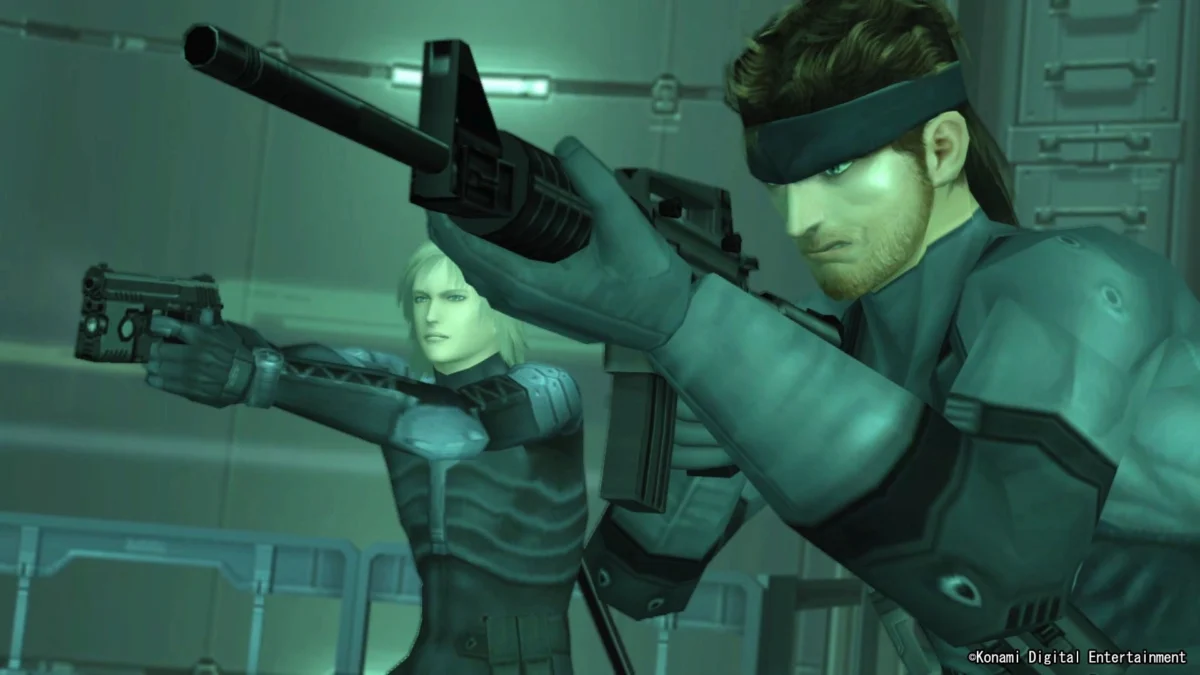
According to technical analysts within the community, the code appears to be primarily derived from the "HD Edition" of the game. This version was part of the Metal Gear Solid HD Collection, which updated the 2001 original for modern displays and hardware. The inclusion of the PlayStation Vita source code is particularly significant for software historians, as it provides insight into how developer Bluepoint Games optimized the complex Kojima Productions engine for handheld architecture.
A Calculated Date: The April 30 Significance
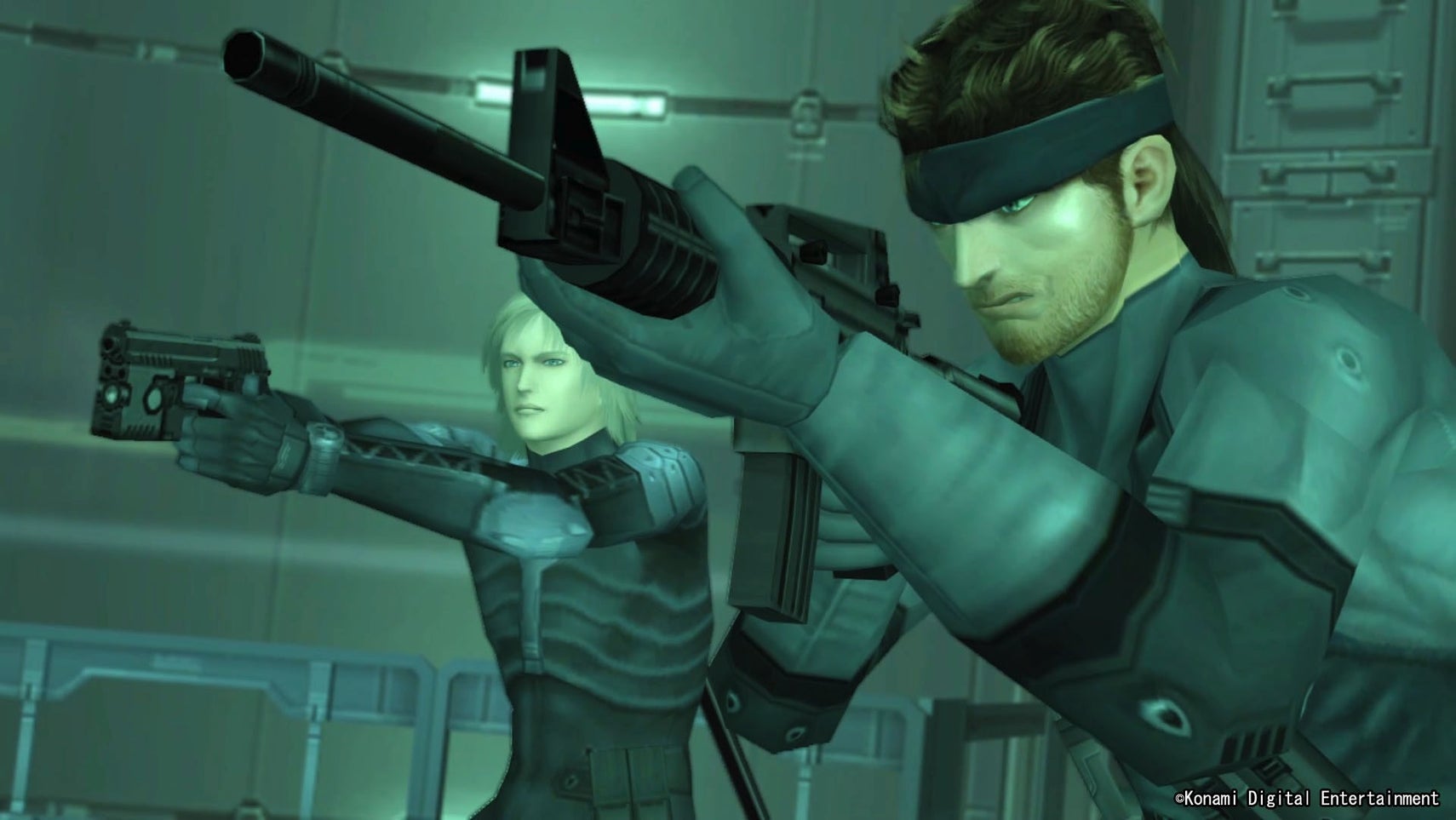
The timing of the leak has not gone unnoticed by the Metal Gear Solid fanbase, many of whom believe the date was chosen with meticulous intent. In the narrative of Metal Gear Solid 2: Sons of Liberty, April 30 is the date on which the "Big Shell Incident" begins—the day the protagonist Raiden is deployed to the offshore decontamination facility. This date is a recurring motif within the game’s meta-narrative, often used to blur the lines between the player’s reality and the digital simulation depicted on screen.
The "bizarre coincidence" of the leak’s timing was further amplified by the series’ creator, Hideo Kojima. Just days prior to the breach, Kojima posted a social media update referencing the date alongside an image of the character Solid Snake. While there is no evidence suggesting Kojima or any official entity was involved in the leak, the synchronicity has fueled intense discussion regarding the "memetic" nature of the Metal Gear franchise, which famously predicted the rise of digital misinformation and the loss of control over information in the internet age.
The Bluepoint Connection and Speculative Origins
A focal point of the current discourse surrounds the origin of the leaked files. The source code for the HD version of Metal Gear Solid 2 was managed by Bluepoint Games, a studio renowned for its technical prowess in remastering and remaking classic titles. The leak follows reports of a turbulent period for the studio; internal documents suggest that Sony, which acquired Bluepoint in 2021, shuttered the studio in March of this year.
This timeline has led to widespread speculation regarding the motive behind the leak. Some industry analysts suggest the data may have been released by a disgruntled former employee in retaliation for the studio’s closure. Others posit a more mundane, though equally damaging, scenario: the improper disposal of hardware. It is not uncommon in the tech industry for "sanitized" hard drives from closed offices to appear on the secondary market, occasionally containing sensitive data that was not properly wiped. Regardless of the method, the breach represents a catastrophic failure in data security protocols for both Konami, the intellectual property holder, and Sony.
Technical Potential: The Modding Frontier
For the modding community, the availability of source code is the "Holy Grail" of game development. While modders have spent decades reverse-engineering Metal Gear Solid 2 to fix bugs or add minor features, having the original code allows for a level of modification previously thought impossible.
A wishlist of potential projects has already begun to circulate among prominent community members. Key areas of interest include:
- Native Virtual Reality (VR) Support: With access to the camera logic and player-perspective code, modders could potentially build a full VR conversion of the game.
- Raytracing Integration: Access to the rendering pipeline would allow for the implementation of modern lighting techniques, such as path tracing, which could transform the game’s iconic rain-slicked Tanker and Big Shell environments.
- Cooperative Multiplayer: By modifying the game’s internal state-handling, ambitious programmers might attempt to introduce a co-op mode, allowing two players to tackle the game’s stealth challenges together.
- Restoration of Cut Content: The 30GB asset dump reportedly contains "unused stuff." This could include deleted cutscenes, alternative dialogue tracks, or gameplay mechanics that were excised during the game’s famously difficult development cycle following the September 11 attacks.
However, experts caution that the code’s origin as the "HD version" may complicate efforts to restore content specific to the 2001 original, as some legacy assets may have been discarded or altered during the remastering process.
Historical Context of Major Industry Leaks
The Metal Gear Solid 2 leak joins a growing list of high-profile source code breaches that have occurred over the last several years. The industry remains haunted by the 2020 Nintendo "Giga-leak," which exposed decades of internal development data for franchises like Mario and Zelda. More recently, the source code for Rockstar Games’ Grand Theft Auto V and Ubisoft’s Far Cry were leaked online, leading to significant legal battles and concerns over game security.

The industry’s reaction to these leaks varies. While companies like Konami are historically protective of their intellectual property—often issuing DMCA takedowns for fan-made projects—other developers have taken a more open approach. Valve Corporation famously released the source code for Team Fortress 2 to the public, fostering a robust community of creators. Similarly, Electronic Arts and Petroglyph Games released the source code for the Command & Conquer Remastered Collection to encourage modding. Given Konami’s recent efforts to revitalize the Metal Gear brand through the "Master Collection" and the upcoming "Metal Gear Solid Delta: Snake Eater," it is highly likely the company will take aggressive legal action to suppress the distribution of the leaked files.
Legal and Ethical Implications
The legal ramifications of possessing or distributing leaked source code are severe. Source code is considered a trade secret and is protected under copyright and intellectual property laws. For developers, the leak of such code can expose vulnerabilities in anti-cheat software and digital rights management (DRM). Furthermore, any mod or project built using the leaked code is legally "poisoned," meaning it cannot be legally distributed or monetized, and the creators could face lawsuits from Konami.
From a preservationist standpoint, however, the leak is viewed through a different lens. As digital media ages and hardware becomes obsolete, original source code is often the only way to ensure a game can be ported to future systems without the need for imperfect emulation. While the ethics of the leak are debated, the historical value of the data is undeniable.
Impact on the Metal Gear Legacy
Metal Gear Solid 2: Sons of Liberty is a game fundamentally about the control of information, the curation of history, and the legacy we leave for future generations. There is a profound irony in its internal secrets being laid bare on the internet in such an uncontrolled fashion. As the data continues to spread across mirror sites and private servers, the industry is left to grapple with the reality of digital permanence.
Konami has yet to issue an official statement regarding the breach. In the interim, security experts recommend that fans exercise caution, as files distributed via 4chan and other unverified sources often carry the risk of malware. For now, the "Big Shell" has been breached once again—this time, not by a fictional soldier, but by the very digital forces the game once warned against. The long-term effects on the franchise and the modding community will likely unfold over the coming months, as programmers begin to sift through the millions of lines of code that defined a generation of gaming.