

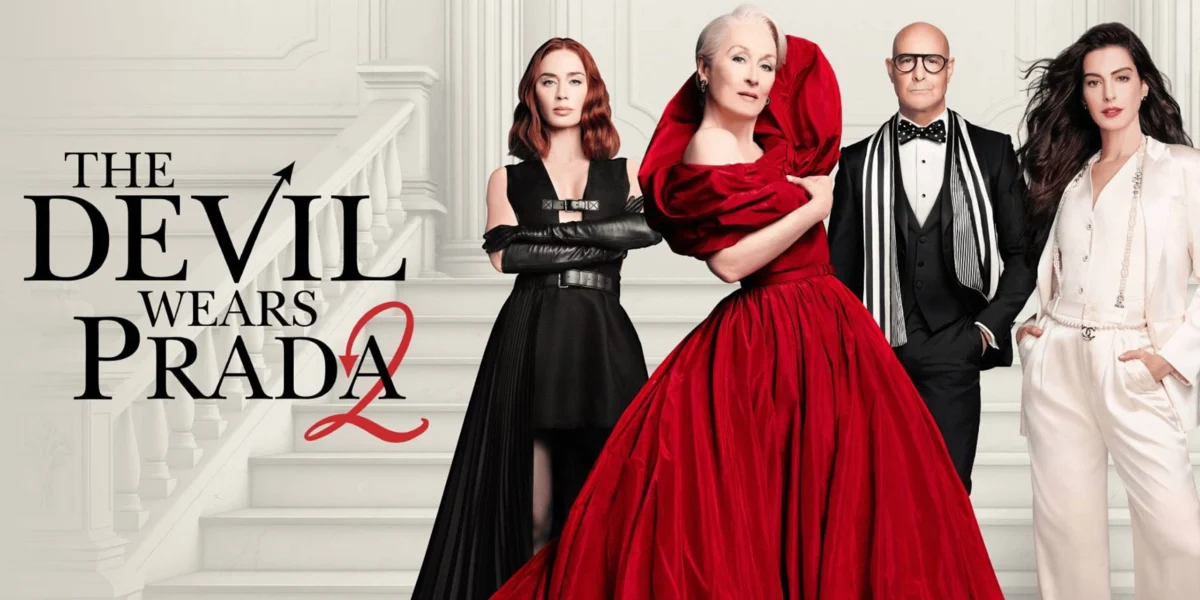
The highly anticipated sequel to the iconic 2006 film, The Devil Wears Prada 2, has generated significant buzz within the film industry and among dedicated fans. This week, the Next Best Picture Podcast convened a special review session featuring esteemed film critics Josh Parham, Dan Bayer, and Cody Dericks, alongside host Matt Neglia, to dissect and discuss this latest installment. The discussion delved into the narrative, the stellar performances, the acclaimed costume design, and the film’s potential awards season trajectory, all within a spoiler-filled analysis.
A Glimpse into the Sequel’s Premise
The Devil Wears Prada 2 revisits the formidable world of Runway Magazine, placing it in a contemporary context where the landscape of journalism, particularly fashion publishing, faces unprecedented challenges. The film reportedly brings back the beloved original cast, including Meryl Streep as the formidable Miranda Priestly, Anne Hathaway as Andrea Sachs, Emily Blunt as Emily Charlton, Justin Theroux, Kenneth Branagh, and Stanley Tucci. The core conflict of the sequel centers on Runway Magazine‘s struggle for survival in an era of digital disruption and evolving media consumption habits. This thematic focus immediately positions the film as a relevant commentary on the current state of the publishing industry, a stark contrast to the world depicted nearly two decades prior.
The Legacy of the Original and the Weight of Expectation
The original The Devil Wears Prada, released in 2006, was a critical and commercial success, earning over $326 million worldwide against a production budget of $35 million. Its cultural impact was profound, resonating with audiences for its sharp wit, memorable characters, and insightful portrayal of the demanding world of high fashion journalism. Meryl Streep’s performance as Miranda Priestly earned her an Academy Award nomination for Best Actress, solidifying the film’s place in cinematic history. The sequel, therefore, carries the considerable weight of these expectations, aiming to recapture the magic of the original while navigating the complexities of a modern entertainment landscape. The decision to reunite the original cast and crew, including director David Frankel and screenwriters Aline Brosh McKenna and Paul Rudnick (though specific writer credits for the sequel are not yet detailed in the provided content), suggests a deliberate effort to honor the established tone and character dynamics.
Podcast Review: A Deep Dive into the Sequel
The podcast review, as detailed by the Next Best Picture team, promises an exhaustive examination of The Devil Wears Prada 2. Host Matt Neglia, along with critics Josh Parham, Dan Bayer, and Cody Dericks, likely addressed several key aspects of the film:
- The Story and Narrative Arc: The central premise of Runway Magazine fighting for survival in the digital age offers a fertile ground for storytelling. The reviewers would have analyzed how effectively the sequel translated the original’s themes of ambition, mentorship, and the price of success into a contemporary setting. Questions likely arose regarding the evolution of Andrea Sachs’s career, the enduring power of Miranda Priestly, and the dynamic between the characters as they navigate new industry pressures. The article hints at a "hotly anticipated sequel, twenty years removed from the original’s release," suggesting that the passage of time and its impact on the characters and their world were a significant point of discussion.
- Performances: The return of Meryl Streep, Anne Hathaway, and Emily Blunt is a major draw. The podcast discussion would have undoubtedly focused on how these actors embody their established characters while also portraying their growth and adaptation to new circumstances. The inclusion of established actors like Justin Theroux, Kenneth Branagh, and Stanley Tucci further elevates the ensemble cast. Critiques would likely have assessed the chemistry between the actors, the depth of their portrayals, and whether their performances lived up to the high standards set by the original film.
- Costume Design: Given the film’s setting and the legacy of the original, the costume design would have been a critical element of the review. The original film was lauded for its impeccable and trend-setting fashion. The podcast would have explored whether the sequel maintained this high standard, reflecting current fashion trends while staying true to the characters’ individual styles and the overall aesthetic of Runway Magazine. The evolution of fashion over two decades, and how this is visually represented on screen, would have been a key point of analysis.
- Awards Season Prospects: The inclusion of awards season analysis suggests that the filmmakers aimed for critical acclaim as well as commercial success. The reviewers likely debated the film’s potential to garner nominations and wins in categories such as Best Actress (for Streep), Best Supporting Actress (for Blunt or Hathaway), Best Costume Design, and potentially even Best Picture, depending on the film’s overall quality and critical reception. The competitive nature of awards season, especially in the current climate, would have informed their projections.
Supporting Data and Industry Context
The film’s narrative premise directly reflects the seismic shifts in the media industry over the past two decades. The decline of print media, the rise of digital platforms, and the increasing reliance on social media for content dissemination have fundamentally altered how publications operate. Data from industry reports consistently highlights these challenges:

- Print Circulation Decline: According to the Alliance for Audited Media, print newspaper circulation in the U.S. has seen a significant decline over the past two decades. While specific figures for fashion magazines might vary, the general trend indicates a contraction in the traditional print market.
- Digital Dominance: Conversely, digital advertising revenue for news and magazine publishers has surged. However, the profitability of digital models, particularly in the face of free online content and the dominance of social media giants, remains a complex issue.
- Social Media Influence: Fashion brands and publications now heavily rely on social media platforms like Instagram, TikTok, and X (formerly Twitter) to reach audiences, market products, and build brand identity. This has necessitated a shift in content creation and distribution strategies.
The Devil Wears Prada 2‘s exploration of these themes positions it not just as a sequel but as a timely reflection of industry evolution. The film’s narrative likely hinges on how Runway Magazine adapts to these digital imperatives, whether through embracing new technologies, pivoting its content strategy, or facing obsolescence.
Timeline and Chronology
- 2006: Release of the original The Devil Wears Prada. The film becomes a cultural phenomenon, establishing its iconic characters and setting.
- Post-2006: The original cast members achieve significant career milestones, solidifying their positions as leading figures in Hollywood. Anne Hathaway, in particular, has spoken in the past about her personal growth and how the role in The Devil Wears Prada shaped her early career.
- Circa 2016-2021: Discussions and rumors surrounding a potential sequel begin to surface intermittently over the years, fueled by fan demand and the enduring popularity of the original film.
- Recent Years (Specific dates not provided in original content): Official confirmation of The Devil Wears Prada 2 is announced, generating widespread excitement. Production details, including cast and crew confirmations, are gradually revealed.
- Present: The podcast review signifies a crucial point in the film’s release cycle, offering early critical analysis and public discourse around its reception.
Potential Reactions and Inferred Statements
While direct quotes from the cast or crew regarding the sequel are not available in the provided text, one can infer potential sentiments based on industry trends and previous interviews. Meryl Streep, known for her meticulous approach to character, would likely have sought a compelling narrative for Miranda Priestly’s return, ensuring the character’s continued relevance and impact. Anne Hathaway has often expressed her fondness for the original film and her character, Andrea Sachs, suggesting an eagerness to revisit that world with a mature perspective. Emily Blunt, whose portrayal of Emily Charlton garnered significant praise, might have focused on the comedic and dramatic evolution of her character.
Producers and studio executives would have undoubtedly aimed for a sequel that capitalizes on the original’s brand recognition while offering a fresh and relevant story. Their primary objective would be to attract both long-time fans and a new generation of viewers, ensuring commercial viability and critical success. The strategic timing of the release, particularly if positioned for awards season, indicates a strong belief in the film’s artistic merit and market appeal.
Broader Impact and Implications
The success or failure of The Devil Wears Prada 2 could have several implications:
- Revitalization of Nostalgia-Driven Sequels: A successful sequel could further encourage Hollywood studios to revisit beloved franchises with a strong fan base, particularly those with a significant cultural legacy. This trend has already seen a resurgence in recent years.
- Commentary on the Media Landscape: If the film effectively tackles the challenges facing journalism and publishing, it could spark broader conversations about the future of media consumption and the value of professional journalism in the digital age.
- Awards Season Contention: A strong showing in awards season would not only bolster the film’s prestige but also reaffirm the enduring appeal of character-driven dramas and strong performances from established actors. It could also highlight the industry’s willingness to recognize films that blend entertainment with social commentary.
- Franchise Potential: Depending on its reception, The Devil Wears Prada 2 could potentially lay the groundwork for further installments, exploring the evolving careers of its characters and the ever-changing world of fashion and media.
Conclusion
The Next Best Picture Podcast’s review of The Devil Wears Prada 2 serves as a crucial early indicator of the film’s reception. The sequel’s success hinges on its ability to balance nostalgic appeal with a relevant and engaging narrative, compelling performances from its iconic cast, and a visually stunning aesthetic. As the film navigates the contemporary media landscape, its commentary on the industry’s challenges and the personal journeys of its characters will undoubtedly be under intense scrutiny. The coming weeks and months will reveal whether this long-awaited return to the world of Runway Magazine can live up to the formidable legacy of its predecessor.
The Next Best Picture Podcast is proudly part of the Evergreen Podcasts Network. Listeners can subscribe on any podcast platform or utilize the embedded player. Reviews on Apple Podcasts are encouraged, and support can be provided via Patreon for exclusive content and ad-free listening. The podcast team, including Matt Neglia, Josh Parham, Dan Bayer, and Cody Dericks, can be followed on X at @NextBestPicture, @JRParham, @dancindanonfilm, and @codymonster91, respectively.