
The video game industry in early May has seen a diverse intersection of high-fidelity indie debuts, the enduring legacy of classic role-playing games, and the continued dominance of long-term live-service titles. As the second quarter of the year progresses, player engagement patterns reveal a significant split between the pursuit of modern visual innovation and the comfort of established gameplay loops from the early 2000s. This period is characterized by a "retro-revival" movement, where titles like Pokémon Leaf Green and Old School RuneScape continue to command significant playtime alongside cutting-edge releases such as Sad Cat Studios’ Replaced. The following report details the current state of player interaction, the development of upcoming indie projects showcased in international hubs like Paris, and the psychological drivers behind modern gaming’s "grind" culture.
The Aesthetic Evolution of Indie Development: The Case of Replaced
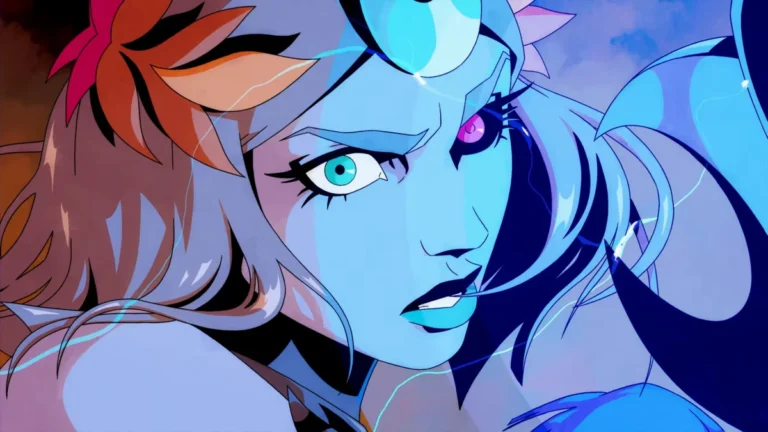
One of the most significant developments in the independent gaming sector is the emergence of Replaced, the debut title from Sad Cat Studios. The game has garnered substantial attention for its unique "2.5D" visual style, which marries traditional pixel art with modern 3D rendering techniques and volumetric lighting. This stylistic choice represents a growing trend in the industry where developers utilize nostalgic art forms to deliver high-fidelity, atmospheric experiences.
Industry analysts note that while the visual fidelity of Replaced is a primary draw, the title faces the common challenge of balancing cinematic pacing with mechanical responsiveness. Early reports indicate that while the world-building of Phoenix City is meticulously crafted, some users have noted a disparity between the "sluggish" movement of the protagonist, Reach, and the fast-paced nature of cyberpunk combat. Despite these critiques, Replaced is being hailed as a technical milestone for a debut studio. The game’s melancholic synth-heavy soundtrack further emphasizes the industry’s current preoccupation with 1980s-inspired "retrofuturism," a trend that shows no signs of waning in the mid-2020s.
The Parisian Showcase: Focus Home, Dotemu, and Devolver Digital
The first week of May served as a pivotal moment for European game publishing, with major events held in Paris. Publishers such as Focus Entertainment (formerly Focus Home Interactive) and Dotemu hosted exclusive previews for upcoming projects. While many of these titles remain under strict non-disclosure agreements (NDAs), the presence of Devolver Digital at local venues highlighted the continued strength of the "party game" and "action-platformer" genres.
Two titles emerged as notable entries in the upcoming release calendar:
- Heave Ho 2: A sequel to the physics-based co-op hit, this title emphasizes the "chaotic multiplayer" niche. The addition of online multiplayer is a strategic move by the developers to address the limitations of the first game’s local-only focus. Data suggests that physics-based games with high "emergent comedy" potential perform exceptionally well on streaming platforms like Twitch and YouTube, ensuring a built-in marketing loop upon release.
- Dark Scrolls: Described as a fast-paced, side-scrolling action platformer with a roguelike structure, this title draws heavy inspiration from the Capcom classic Ghosts ‘n Goblins. The integration of roguelike elements—randomized levels and permanent progression—reflects a broader industry shift toward maximizing replayability in smaller-budget indie titles.
The Persistence of the "Forever Game": Old School RuneScape and Slayer Optimization
In the realm of Massively Multiplayer Online Role-Playing Games (MMORPGs), Old School RuneScape (OSRS) continues to maintain a remarkably stable player base. The game’s appeal lies in its "Collection Log," a comprehensive tracker of rare items and achievements that fuels the completionist drive of its community. A primary focus for high-level players this month has been the optimization of the "Slayer" skill and the pursuit of rare "big fish" drops.
The statistical probability of obtaining a "Big Shark"—a rare collectible that can be displayed in a player’s in-game house—is currently set at 1 in 5,000. This low drop rate exemplifies the "grind" culture inherent in OSRS. Players often dedicate hundreds of hours to repetitive tasks, such as fishing in the Fishing Guild, to achieve 100% completion of the game’s log. This behavior underscores the psychological impact of long-term progression systems, which provide a sense of stability and achievement that many modern, high-intensity shooters lack.
Nostalgia as a Driver for Platform Longevity
The enduring popularity of the Pokémon franchise is currently manifesting through a resurgence in interest for the Game Boy Advance (GBA) era, specifically Pokémon Leaf Green and Fire Red. Twenty years after their initial release, these titles are being revisited for their intricate dungeon design and the strategic limitations imposed by "Hidden Machines" (HMs).
The recent player data suggests several key factors for this "retro" resurgence:
- Mechanical Complexity: Unlike newer entries in the series, older Pokémon games require more rigorous team planning and resource management.
- Economy Exploitation: Experienced players continue to find "secret rhythms" in mini-games, such as the Game Corner casino, to acquire powerful late-game creatures like Dratini much earlier than intended.
- Pacing: The deliberate, slower pace of GBA-era RPGs offers a counterpoint to the rapid-fire content cycles of modern mobile and live-service games.
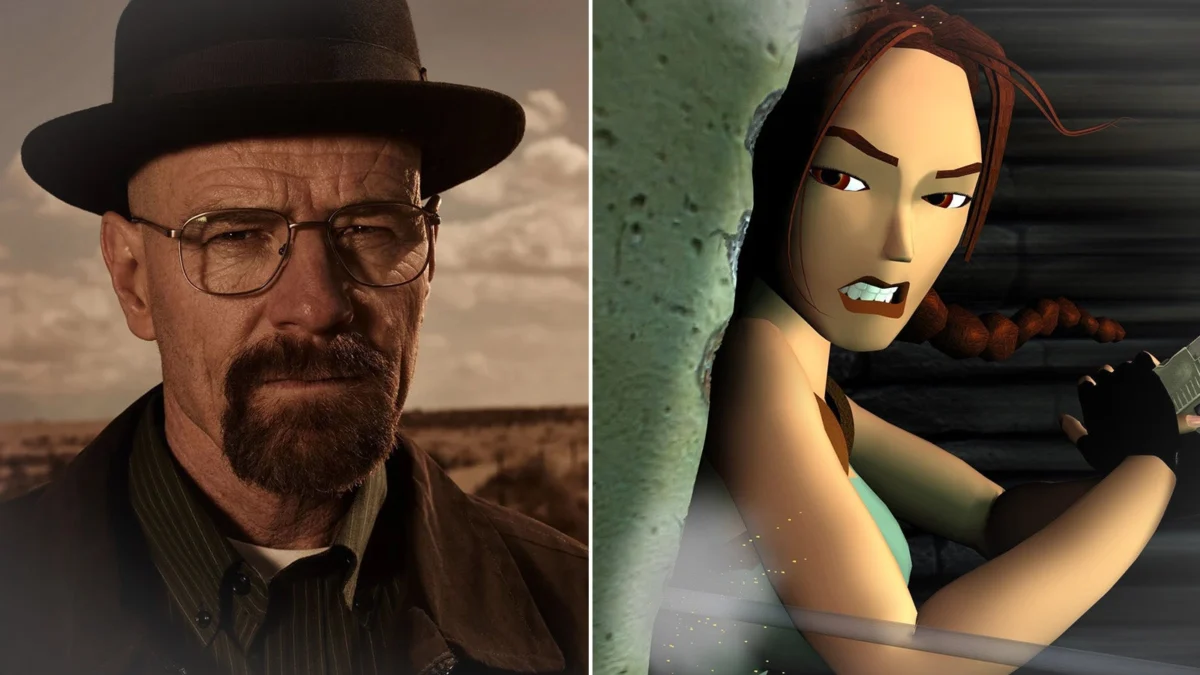
Furthermore, life-simulation titles like Tomodachi Life continue to see active play. The game’s reliance on Mii characters—Nintendo’s customizable avatars—allows for a level of personalized, often absurd, storytelling that remains unique in the genre. The "emergent gameplay" found in Tomodachi Life, where historical or fictional characters (such as Walter White or Lara Croft) interact in domestic settings, highlights the value of player-driven narratives over scripted experiences.
Competitive Meta Shifts: The Rise of Deadlock
In the competitive PC gaming space, Valve’s rumored and leaked project, Deadlock, is already seeing significant internal balancing. One of the most discussed changes in the current build is the adjustment of the "Trophy Collector" item, which has been revalued as a 1,600-soul item. In hero shooters and MOBA-style games, soul or gold economy adjustments are critical to the "meta"—the most effective tactics available.
While Valve has yet to officially unveil Deadlock to the public, the leaks and internal feedback suggest a game that blends high-speed movement with complex economic management. The community reaction to these minor item tweaks indicates a high level of anticipation and a sophisticated understanding of the game’s underlying mechanics, even in its pre-release state.
Broader Industry Impact and Implications
The current gaming trends of May point toward several broader implications for the industry at large:
- Hardware Transition Periods: The frequent mention of "Switch 2" in community circles, despite no official hardware release, indicates a market that is primed for next-generation portable technology. Consumers are increasingly looking for devices that can bridge the gap between retro emulation and modern indie performance.
- Sustainability of Indie Aesthetics: The success of visually striking games like Replaced suggests that "art style" is becoming as much of a selling point as "gameplay." For small studios, investing in a distinct visual identity is a viable strategy to compete with AAA titles that have much larger marketing budgets.
- The "Cozy" Grind: There is a visible convergence between "cozy gaming" (Tomodachi Life, fishing in OSRS) and traditional RPG mechanics. Players are increasingly seeking games that allow for "second-screen" engagement—activities that can be performed while listening to podcasts or watching other media.
- Live-Service Fatigue vs. Familiarity: While many new live-service games struggle to find an audience, established titles like Elden Ring and OSRS benefit from a "New Game Plus" or "Seasonal" culture. The ability to return to a familiar world with a new character build (e.g., a new Elden Ring magic build) provides more value to the average player than starting a completely unknown title.
In conclusion, the first week of May has demonstrated that the modern gamer is not defined by a single genre or era. Instead, the market is defined by a fluid movement between the cutting edge of indie visual design, the deep-rooted nostalgia of 20-year-old RPGs, and the social chaos of physics-based party games. As the industry moves toward the major "Summer Game Fest" reveals in June, this period of diverse engagement serves as a reminder of the medium’s vast and varied appeal.