



The global technology sector is facing a sustained period of volatility as the cost of Random Access Memory (RAM) continues to surge, driven by an unprecedented shift in manufacturing priorities and the massive infrastructure requirements of artificial intelligence. During Apple’s most recent quarterly earnings call, Chief Executive Officer Tim Cook confirmed that the company is beginning to feel the pressure of these supply constraints, signaling that the era of low-cost memory may be over for the foreseeable future. This development comes as multiple industry leaders, including Microsoft, Meta, and Valve, report similar challenges in securing the essential components needed for everything from consumer laptops to high-end data centers.
The crisis has reached a point where the traditional retail model for computer components is breaking down. Reports from late last year indicated that some hardware retailers have ceased printing permanent price labels for RAM modules, opting instead to list them at "market price." This practice, more common in the commodities or luxury seafood markets, allows stores to adjust prices daily in response to the rapid fluctuations in wholesale costs. For consumers and enterprise buyers alike, the lack of price stability marks a significant departure from the predictable hardware cycles of the last decade.
Apple Forecasts Significant Impact on Mac Production
Despite a strong fiscal second quarter, during which Apple reported a 17 percent increase in revenue, Tim Cook was candid about the looming challenges regarding component availability. While the impact of supply constraints was described as "minimal" during the early months of the year, the outlook for the quarter ending in June is considerably more cautious. Cook informed analysts and investors that the company expects memory costs to drive an increasing impact on the business, specifically targeting the Mac lineup.
"We believe memory costs will drive an increasing impact on our business," Cook stated, noting that the company will "continue to evaluate" its options as the market evolves. The CEO attributed the squeeze to "continued high levels of demand," particularly as the industry pivots toward AI-capable hardware. Apple’s admission is particularly noteworthy given the company’s reputation for having the most sophisticated and resilient supply chain management in the world. If Apple, with its massive purchasing power and long-term supplier contracts, is warning of a "memory crunch," it serves as a bellwether for the rest of the consumer electronics industry.
Financial analysts have reacted to Cook’s statements with concern. Jake Behan, head of capital markets at Direxion, noted that Apple’s forecast is a clear indicator that even the most efficient operators cannot remain immune to the current market dynamics. Behan suggested that the warning of "significantly higher" costs in the coming quarters is definitive evidence of how the AI-driven supply crunch has become a systemic issue for the entire technology landscape.
The AI Catalyst: Data Centers vs. Consumer Hardware
The primary driver behind the current RAM shortage is not a lack of raw materials, but a fundamental shift in what semiconductor fabrication plants are choosing to produce. The explosion of generative artificial intelligence has created a voracious demand for High Bandwidth Memory (HBM) and enterprise-grade DDR5 modules. Tech giants like Meta and Microsoft have significantly increased their capital expenditure forecasts for the year, with much of that capital being directed toward building out AI data centers.
These data centers require vast amounts of specialized memory to train Large Language Models (LLMs) and run complex inference tasks. Because the profit margins on enterprise AI memory are substantially higher than those on consumer-grade RAM for laptops or gaming consoles, manufacturers such as Samsung, SK Hynix, and Micron have shifted their production lines to favor the AI sector. This reallocation of resources has left a vacuum in the consumer market, leading to the "perfect storm" of high demand and low supply.
The financial reports from Meta and Microsoft, released just prior to Apple’s earnings call, echoed these sentiments. Both companies noted that higher memory prices contributed to their elevated forecasts for capital expenditures. As these giants compete for the same limited pool of high-end silicon, the price floor for all memory products continues to rise, creating a "squeeze" that trickles down to the average consumer.
Repercussions Across the Gaming and Hardware Sector
The impact of the memory shortage is perhaps most visible in the gaming industry, where hardware margins are often razor-thin. Asha Sharma, head of Xbox, recently admitted that the rising cost of memory could lead to price adjustments or limited availability for upcoming hardware projects. Specifically, the next-generation console currently known as "Project Helix" may face a higher-than-expected retail price or delayed launch windows if the cost of its internal components cannot be stabilized. Internal reports suggest that dev kits for this next-gen hardware may not reach the hands of many developers until 2027, partly due to the logistical challenges of securing components in a crowded market.
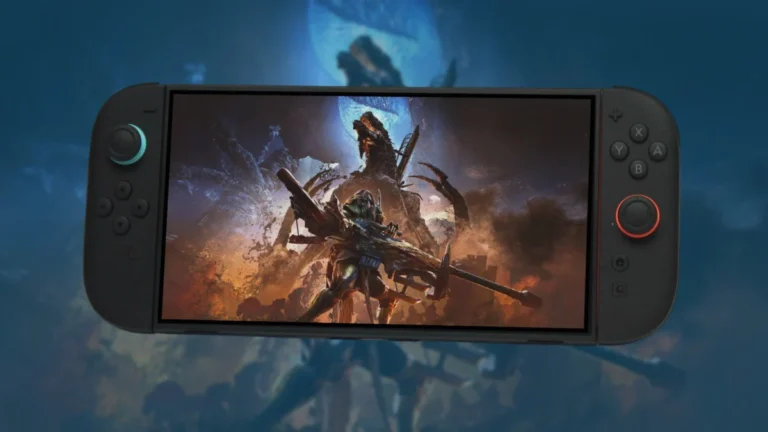
Similarly, Valve has been forced to recalibrate its hardware strategy. The company’s planned "Steam Machine" and "Steam Frame" initiatives have faced significant delays. Valve admitted that the surges in both RAM and storage prices necessitated a revision of their hardware specifications and pricing models. For a company that prides itself on delivering high-performance hardware at competitive price points, the current volatility represents a major hurdle to its ecosystem expansion.
The gaming sector is particularly vulnerable because modern titles require increasingly large amounts of fast RAM and VRAM to operate. As the "Bill of Materials" (BOM) for a console or a gaming PC increases, manufacturers are faced with a difficult choice: absorb the costs and take a loss on every unit sold, or pass those costs on to a consumer base that is already grappling with inflation.
Chronology of the Memory Crisis
The current crisis did not emerge overnight but is the result of a series of compounding events over the past several months:
- November: Retailers begin reporting extreme volatility in wholesale RAM pricing. In response, several major hardware outlets stop printing price labels for individual RAM sticks, moving to a "market price" model to avoid constant manual updates.
- February: Valve officially announces delays for its Steam Machine and Steam Frame hardware. The company cites "global memory and storage shortages" caused by the aggressive procurement strategies of AI-focused tech firms.
- April: Xbox leadership addresses the "memory crunch," warning that Project Helix could see price bumps. The company indicates that stock may be limited upon release to manage the high cost of production.
- May: Apple, Meta, and Microsoft release their quarterly earnings reports. All three companies highlight the rising cost of memory as a significant factor in their future financial guidance and capital expenditure plans. Tim Cook specifically warns of an impact on the Mac product line for the June quarter.
Broader Industry Implications and Future Outlook
The current memory crunch is more than a temporary supply chain hiccup; it represents a structural shift in the semiconductor industry. As AI becomes integrated into every facet of computing—from "AI PCs" to smartphones with on-device processing—the demand for high-performance memory will only grow. This suggests that the "super expensive" RAM environment could persist for several years.
For consumers, the implications are clear. The price of entry-level laptops and desktops is likely to rise, or conversely, the amount of base RAM included in these devices may remain stagnant to keep prices down. In the professional market, where 32GB or 64GB of RAM is standard, the price increases will be even more pronounced.
The industry is also bracing for a potential "panic buying" phase. Just as the GPU shortage of previous years led to hoarding and scalping, there is a risk that enterprise buyers will over-order RAM to secure their own supply chains, further exacerbating the shortage for smaller players.
While manufacturers are working to expand capacity, building new semiconductor fabrication plants is a multi-year process involving billions of dollars in investment. Until new capacity comes online, or until the initial gold rush for AI infrastructure cools, the tech industry must navigate a landscape where memory is no longer a cheap, commodity component, but a premium asset. Tim Cook’s warning serves as a reminder that in the modern tech economy, even the giants are at the mercy of the silicon cycle.