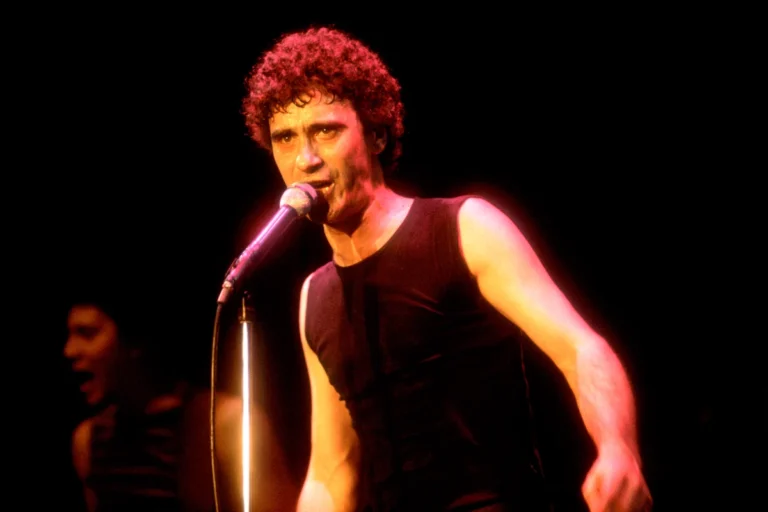

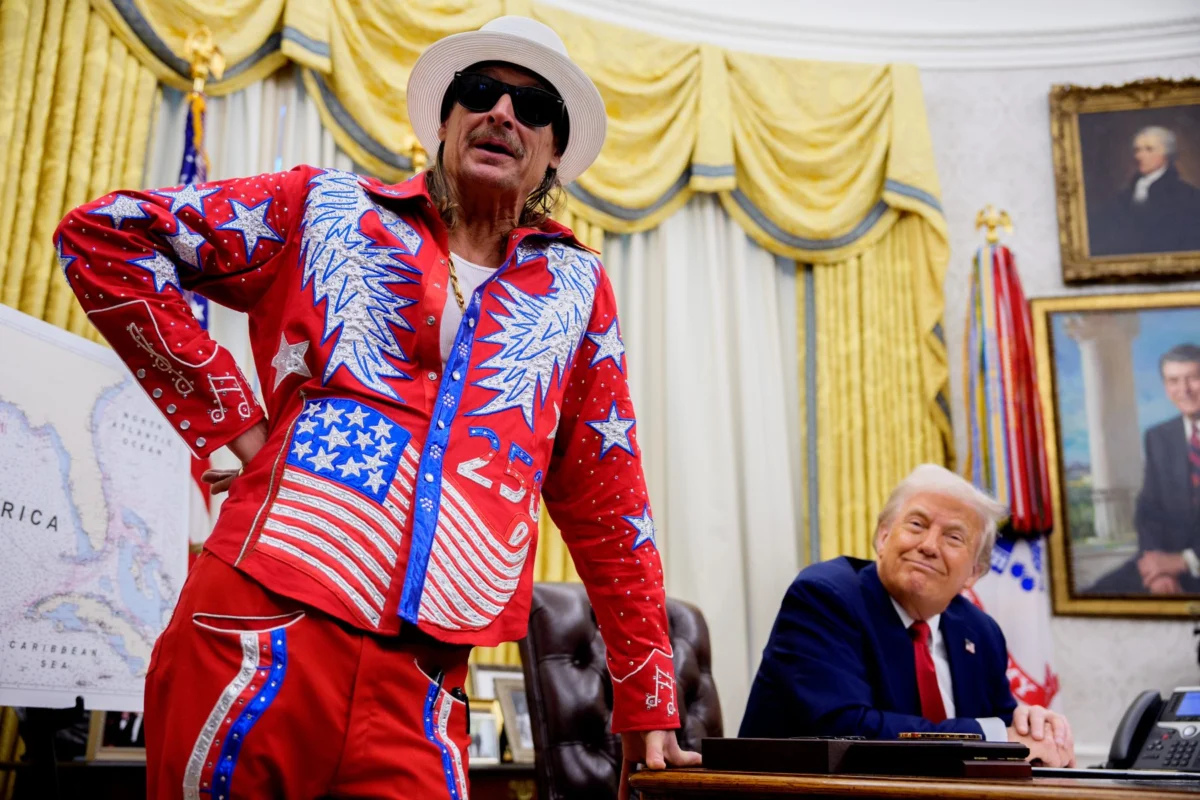
Weeks after an investigation was launched and subsequently shut down into Army aviators performing a fly-by of his Nashville estate, entertainer Kid Rock found himself in the gunner’s seat of a U.S. Army Apache helicopter for a promotional flight. The excursion, which took place on Monday, April 28, was highlighted on social media by Defense Secretary Pete Hegseth, raising further questions about the use of military assets for public relations events and celebrity endorsements. This incident follows a similar, albeit more controversial, event in March where Army pilots flew over Kid Rock’s property.
Military Aircraft Use Under Scrutiny
The flight, documented by Secretary Hegseth via posts on X (formerly Twitter), featured Kid Rock, whose birth name is Robert Ritchie, and Hegseth posing with troops on the tarmac. Hegseth lauded Rock as a "patriot and huge supporter of our troops," framing the event as a celebration of America’s 250th anniversary and a nod to the "home of the free because of the brave." While the social media posts included images of the participants, they did not feature direct footage or photographs from the helicopter flight itself.
However, the nature of the flight quickly drew scrutiny from the public and online commentators. Several users pointed to Army Regulation 95-1 and Department of Defense (DoD) Directive 4515.3, which govern the use of Army aircraft. These regulations stipulate that Army aircraft are to be utilized for "authorized purposes only" and generally restricted to transporting Army personnel, government property, or other authorized passengers, with air travel being the most economical mode of transportation consistent with a military mission. The regulations also outline provisions for space-available passenger transportation, primarily for uniformed service members, their dependents, and retired personnel, with limited allowances for "invited travelers" by the concerned DoD Component head.
Financial and Regulatory Concerns
The cost associated with operating an AH-64 Apache helicopter, a sophisticated combat aircraft, has also become a point of contention. Reports indicate that such flights can cost upwards of $7,000 per hour. This expenditure comes at a time when the nation is grappling with increased fuel prices, exacerbated by President Trump’s ongoing military operations in Iran and the subsequent disruption of travel through the Strait of Hormuz. Jet fuel prices have reportedly surged by over 55%, impacting both military operations and civilian travel.

Critics, including California Governor Gavin Newsom, publicly questioned the expenditure, with Newsom posting on X, "why are taxpayers paying to fly Kid Rock around on $100 million helicopters?" The operational configuration of Apache helicopters, which typically require a two-person crew (pilot and co-pilot/weapons systems operator), also raises questions about how a civilian passenger would be accommodated without impacting essential crew functions.
Chronology of Events
The recent Apache flight adds another layer to the ongoing narrative surrounding Kid Rock and his interactions with the military.
- March 2026: Army aviators from the 101st Airborne Division conduct a fly-by over Kid Rock’s Nashville estate. The fly-by occurred on the same day as a "No Kings" protest against President Trump in Nashville, leading to an initial investigation into the pilots’ motives.
- Late March 2026: Secretary Pete Hegseth initially supports an investigation into the fly-by incident and the pilots involved.
- Early April 2026: Hegseth intervenes and orders the probe into the fly-by to be shut down, stating it was an authorized public affairs operation.
- April 28, 2026: Kid Rock participates in an Apache helicopter flight with Secretary Hegseth, promoted on social media as a community relations event tied to the White House’s "Freedom 250" initiative.
Official Statements and Context
Pentagon spokesperson Sean Parnell clarified that Kid Rock’s flight was in support of a "community relations event" linked to the "Freedom 250" initiative, celebrating America’s 250th anniversary. Parnell stated that Ritchie participated in "multiple troop touches with service members and filmed videos for Memorial Day, America’s 250th birthday, and for his Freedom 250 tour." This suggests an effort to frame the event as a legitimate public outreach and patriotic endeavor, rather than an unauthorized joyride.
The DoD’s rules do permit public affairs flights under specific conditions, requiring "high-level approval." It is understood that Secretary Hegseth, as a high-ranking official, would have possessed the authority to grant such approval. However, the utilization of combat helicopters for such purposes, especially when alternatives might be more cost-effective and less logistically complex, continues to be a subject of debate.
Broader Implications and Analysis
The incident involving Kid Rock and the Apache helicopter flight raises broader questions about the intersection of celebrity, military public relations, and taxpayer-funded resources. While promoting patriotism and supporting troops are commendable objectives, the means employed can draw public scrutiny, particularly when they appear to blur the lines between official duties and personal endorsements.

The timing of the flight, amidst heightened geopolitical tensions and economic pressures, amplifies concerns about the judicious use of military assets. The cost of operating advanced military hardware, coupled with rising fuel expenses, necessitates careful consideration of every deployment, regardless of its public relations value.
Furthermore, the precedent set by the shutdown of the investigation into the earlier fly-by over Kid Rock’s property might embolden further requests for similar high-profile interactions with military assets. This could lead to a perception of preferential treatment for certain individuals or groups, potentially undermining public trust in the impartiality of military operations.
The involvement of a prominent entertainer like Kid Rock, who has previously been embroiled in controversies such as a shirtless workout video with Robert F. Kennedy Jr. promoting a health agenda, adds a layer of complexity to the narrative. While his supporters view him as a staunch patriot, critics often point to his public persona as divisive and at times, incongruous with the image of a disciplined military.
As the nation navigates a period of economic challenges and international instability, the responsible and transparent utilization of military resources remains paramount. The incident serves as a reminder of the need for clear guidelines and consistent enforcement regarding the use of government assets, ensuring that they serve legitimate national interests and public good, rather than perceived celebrity endorsements or politically motivated gestures. The debate surrounding these flights underscores the ongoing public interest in how taxpayer money is allocated and how military assets are employed in the public sphere.