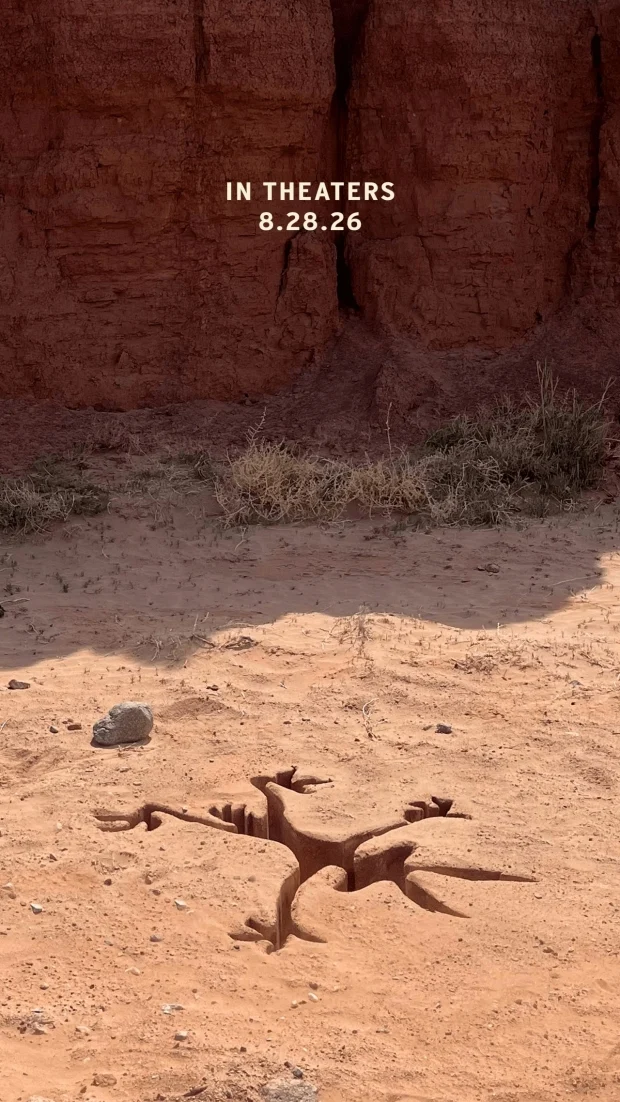
The long-delayed "Coyote vs Acme," a live-action and animated hybrid film that faced an uncertain future after being shelved by Warner Bros. Discovery, is set to finally reach audiences in theaters on August 28. The film, starring John Cena and Will Forte, centers on the iconic Looney Tunes character Wile E. Coyote’s legal battle against the ACME Corporation. This release marks a significant victory for the production and its supporters, who rallied against its initial cancellation.
A Contentious History and Unexpected Rescue
The journey of "Coyote vs Acme" to the big screen has been anything but smooth. Originally slated for release, the film was infamously scrapped by Warner Bros. Discovery in 2023 as part of a strategic decision to utilize it for a tax write-off. This move sparked considerable backlash from the film’s cast, crew, and fans of the beloved Looney Tunes characters, who viewed it as a waste of creative effort and a disappointing precedent for the industry. The decision was reportedly part of a broader cost-saving initiative by the studio.

Sources indicate that Ketchup Entertainment stepped in to acquire the film, reportedly for a sum close to $50 million, effectively rescuing it from oblivion. While the precise terms of the acquisition were not publicly disclosed, the deal allowed for the film’s eventual release, much to the relief of those involved and the anticipation of audiences. The decision by Warner Bros. Discovery to cancel films for tax purposes had previously affected other projects, drawing criticism for devaluing creative work. This instance, however, saw a more positive outcome due to Ketchup Entertainment’s intervention.
The Premise: A Lawsuit for the Ages
"Coyote vs Acme" plunges viewers into a courtroom drama where Wile E. Coyote, voiced by a to-be-announced actor, takes center stage as the plaintiff. After enduring decades of relentless pursuit and catastrophic failures at the hands of the ACME Corporation’s faulty products, the perpetually unsuccessful coyote decides to sue. His legal team is led by a determined, albeit accident-prone, billboard lawyer named Kevin Avery, portrayed by Will Forte. Their adversary in court is the formidable corporate counsel Buddy Crane, played by John Cena, representing the profit-driven conglomerate ACME, Inc.
The film promises to blend live-action elements with 3DCG animation, a technique that has become increasingly prevalent in modern filmmaking. This approach allows for the seamless integration of the animated Coyote into a live-action world, a visual style that has defined many successful cinematic adaptations of cartoon characters. The narrative is rooted in the long-standing comedic rivalry that has captivated audiences for generations, where Wile E. Coyote’s elaborate, yet always futile, schemes to catch the Road Runner invariably end in his own spectacular misfortune, courtesy of ACME’s unreliable merchandise.

The film’s premise taps into a rich vein of comedic history, drawing inspiration from the character’s enduring appeal and the universally understood frustrations of dealing with faulty products. The legal battle provides a fresh narrative framework to explore the classic Wile E. Coyote and Road Runner dynamic, offering a satirical commentary on corporate responsibility and consumer rights, all wrapped in the signature slapstick humor of the Looney Tunes universe.
A Creative Pedigree and Influential Roots
The film is directed by Dave Green, known for his work on "Teenage Mutant Ninja Turtles: Out of the Shadows." The screenplay is credited to Samy Burch, who also contributed to the story along with acclaimed filmmakers James Gunn and Jeremy Slater. This collaboration brings a wealth of creative talent to the project, suggesting a thoughtful and potentially innovative approach to adapting the beloved characters for a modern audience.
The narrative itself is directly inspired by Ian Frazier’s 1990 humor article "Coyote v. Acme," published in The New Yorker. Frazier’s piece humorously dissects the potential legal arguments and implications of Wile E. Coyote’s perpetual failures, imagining a scenario where the coyote might actually have a case against the ACME Corporation for its consistently defective products. The adaptation for the big screen by Samy Burch promises to translate this satirical concept into a visually engaging and entertaining cinematic experience.

The production is helmed by producers Chris DeFaria and James Gunn, both of whom have extensive experience in the film industry, particularly in the realm of genre filmmaking and animation. Gunn, known for his work on the "Guardians of the Galaxy" franchise and "The Suicide Squad," brings a distinct comedic sensibility and a proven track record of success with beloved characters.
A Star-Studded Ensemble Cast
Beyond the central performances of John Cena and Will Forte, "Coyote vs Acme" features a notable supporting cast. Lana Condor, known for her role in the "To All the Boys I’ve Loved Before" film series, joins the ensemble, as does P.J. Byrne, who has appeared in popular projects like "Gen V" and "The Boys." The inclusion of these actors suggests a well-rounded cast capable of delivering both comedic and dramatic performances, essential for a hybrid live-action and animated film.
The visual effects for the film were a significant undertaking, involving a consortium of acclaimed VFX studios. These include BUF, DNEG, Double Negative, Firebrand VFX, Framestore, and Jellyfish Pictures. Overseeing this complex visual tapestry is visual effects supervisor George Murphy, who has been instrumental in bringing the animated characters and their chaotic world to life. The caliber of these studios indicates a high level of technical ambition and a commitment to delivering a visually stunning film.

Industry Reactions and Broader Implications
The initial decision by Warner Bros. Discovery to shelve "Coyote vs Acme" and other films like "Batgirl" for tax write-offs sparked widespread debate within Hollywood regarding the value placed on completed creative works and the potential impact on artists and studios. This practice, while a legitimate accounting maneuver, was seen by many as a disservice to the creative teams who poured their talent and effort into these projects.
The subsequent rescue and release of "Coyote vs Acme" by Ketchup Entertainment can be viewed as a positive development, demonstrating that even films deemed non-strategic by major studios can find a second life. This scenario offers a glimmer of hope for other shelved projects and highlights the importance of independent distributors and financiers in supporting diverse cinematic endeavors.
The film’s release also raises questions about the future of hybrid live-action/animated films and the evolving landscape of theatrical distribution versus streaming. While many films have shifted to streaming-first releases, the decision to bring "Coyote vs Acme" to cinemas suggests a belief in its potential to draw audiences to movie theaters. The success of this film could influence future acquisition and release strategies for similar projects.

Furthermore, the film’s connection to Ian Frazier’s satirical essay offers an opportunity to explore themes of corporate accountability and consumer advocacy within a comedic framework. In an era of increasing scrutiny of large corporations, the story of Wile E. Coyote’s legal battle against ACME could resonate with contemporary audiences, providing both entertainment and a subtle, humorous commentary on modern-day issues. The anticipation for the film is palpable, with fans eager to see how the iconic characters and the comedic premise will translate to the big screen. The "Beep Beep" that has echoed through generations is set to be heard once more, this time in a courtroom, promising a unique blend of classic cartoon chaos and legal hijinks.