


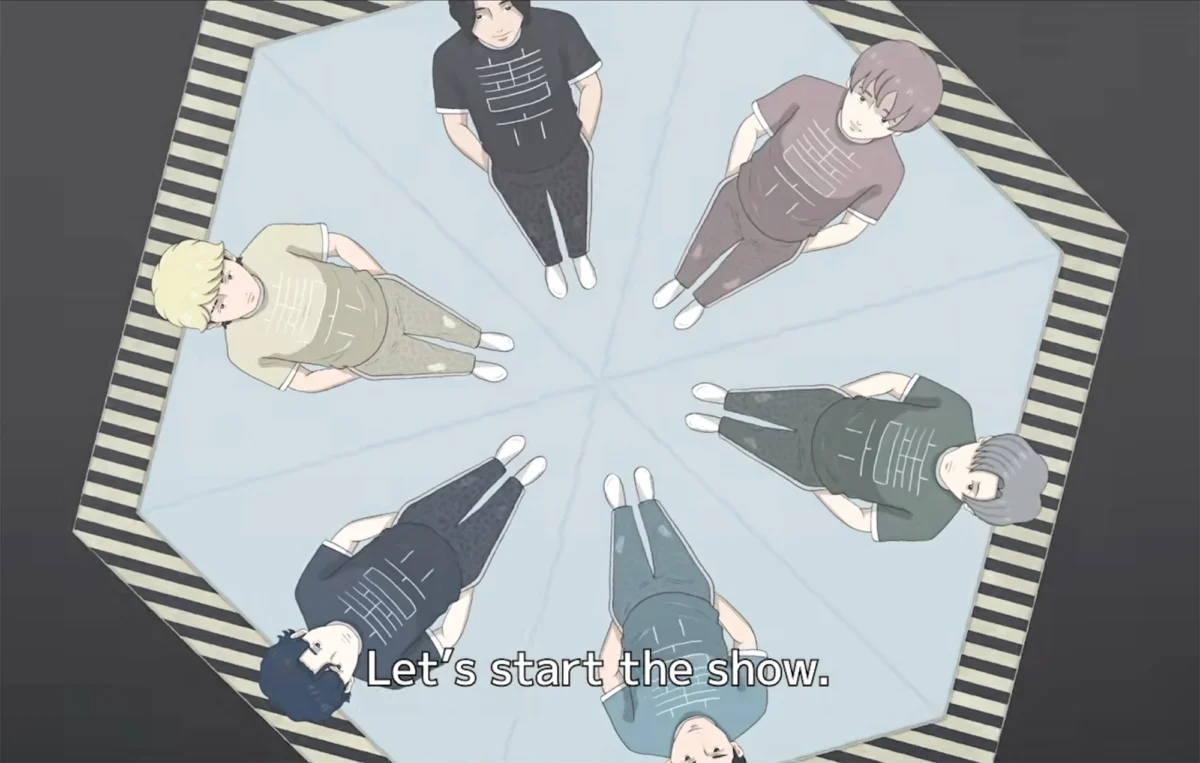
Greenwich Entertainment has officially unveiled the US trailer for Jinsei, a groundbreaking independent animated feature from Japan, set to captivate American audiences with its unique artistic vision and profound narrative. Translated directly as "life" in Japanese, Jinsei distinguishes itself from conventional anime productions through its singular origin: it was entirely hand-drawn, written, directed, edited, and scored by one individual, Ryuya Suzuki, over an intensive period of 18 months. This monumental undertaking culminates in a cinematic journey tracing a man’s tumultuous 100-year life, marked by shifting identities and societal labels, as he navigates personal struggles and confronts contemporary social issues en route to an unexpected form of success. The film is slated for a limited US theatrical release starting June 5th, 2026, with a wider release planned later that month, promising to introduce a bold new voice to the global animation landscape.
The Genesis of a Singular Vision: Ryuya Suzuki’s Creative Marathon
The creation of Jinsei stands as a testament to the extraordinary dedication and artistic tenacity of Ryuya Suzuki. In an era dominated by large animation studios and complex digital pipelines, Suzuki’s decision to hand-draw every frame of a feature-length film by himself represents a profound commitment to a traditional, labor-intensive craft. This meticulous process, spanning 18 months, involved not only the artistic execution but also the comprehensive oversight of every creative and technical facet of filmmaking, from script development to final score composition. Such a solo endeavor is exceedingly rare in the modern film industry, particularly for a feature film, and immediately positions Jinsei as a remarkable achievement in independent cinema.
The stylistic choice of hand-drawn animation is not merely a technical constraint but an integral part of Jinsei‘s aesthetic and thematic identity. This traditional animation technique imbues the film with a unique texture and warmth, allowing for a direct translation of Suzuki’s artistic sensibilities onto the screen. It evokes a sense of intimacy and authenticity, potentially drawing viewers closer to the protagonist’s deeply personal and often challenging journey. The visible artistry in each frame is expected to resonate with connoisseurs of animation and film enthusiasts who appreciate the craft and soul poured into every detail.
"Jinsei": An Existential Exploration of Identity and Society
At its core, Jinsei is an ambitious philosophical inquiry into the nature of existence and identity. The film’s central premise, as described by the Tokyo Film Festival, follows "the man who was never called by his real name," embarking on an "epic feature animation that follows the tumultuous 100-year life." This narrative device immediately establishes a thematic focus on how external appellations, whether nicknames, societal roles, or even derogatory labels, shape an individual’s perception of self and their place in the world. The protagonist’s journey through various chapters of life sees him assume diverse identities – from a J-pop idol to an outcast, a leader, and ultimately an oracle – symbolizing the multifaceted roles people adopt throughout their lives.

The title itself, "Jinsei" (life), serves as a direct invitation to contemplate universal human experiences. The film is poised to delve into existential questions: What defines a person beyond their given name? How do our interactions and the names others assign us contribute to our self-understanding? The narrative spans a century, moving across past, present, and future, suggesting a timeless exploration of humanity’s evolving relationship with identity, success, and societal pressures. Through a chance encounter with a transfer student, the hero begins his training to become an idol, catalyzing a profound search for self-identity and a journey toward greatness that transcends mere superstardom. This arc suggests a commentary on the superficiality of fame versus the deeper pursuit of self-actualization.
Voice Talent and Cultural Nuance
Adding another layer of authenticity and contemporary relevance to Jinsei is the casting of Japanese rapper ACE COOL as the voice of the main character. This choice is significant for several reasons. Firstly, it brings a distinctive vocal texture and performance style that can imbue the protagonist with a unique persona, potentially reflecting the character’s journey through diverse societal roles and personal challenges. Rappers often possess a strong sense of rhythm, timing, and emotional delivery, which can translate effectively into voice acting, particularly for a character undergoing significant transformations.
Secondly, ACE COOL’s involvement bridges the film with contemporary Japanese youth culture, lending an edgy, modern sensibility to a narrative that is inherently timeless. His presence may attract audiences familiar with his music, expanding the film’s reach beyond traditional animation enthusiasts. The blend of a traditional hand-drawn aesthetic with a modern voice talent underscores the film’s ambition to be both deeply rooted in artistic heritage and keenly aware of contemporary cultural dynamics. This fusion helps position Jinsei not just as an art-house film but also as a work that resonates with broader societal discussions in Japan and globally.
International Acclaim and Festival Circuit Journey
Before its impending US debut, Jinsei garnered significant attention on the international film festival circuit, a crucial step for independent productions seeking global recognition. The film notably premiered at the 2025 Annecy International Animation Film Festival, one of the world’s most prestigious events dedicated to animation. A premiere at Annecy is a strong indicator of a film’s artistic merit and innovation, often serving as a launching pad for critically acclaimed animated works. Its selection signifies that Jinsei was recognized by industry experts for its exceptional storytelling and visual artistry.
Following its Annecy debut, Jinsei also screened at the Tokyo Film Festival, where it was described with "awe" and praised as an "epic feature animation." This dual recognition from both international and domestic film festivals underscores the film’s universal appeal and its ability to resonate with diverse audiences and critics. Such festival exposure builds critical momentum, generating buzz and attracting distributors like Greenwich Entertainment. These early accolades are vital for independent films, as they provide the necessary validation and visibility to secure distribution deals and reach wider audiences.

Greenwich Entertainment’s Role in US Distribution
The acquisition of Jinsei by Greenwich Entertainment for US distribution is a significant development, highlighting the film’s potential to succeed in the competitive American market. Greenwich Entertainment has established a reputation for distributing high-quality independent and foreign films, often those that are critically acclaimed and possess a distinct artistic voice. Their portfolio includes a range of documentaries and narrative features that have garnered awards and resonated with discerning audiences.
Greenwich Entertainment’s decision to distribute Jinsei signals their confidence in Ryuya Suzuki’s work and the film’s capacity to engage American viewers. The distributor’s strategy of an initial limited release on June 5th, 2026, followed by a wider release later that month, is a common approach for independent films. This allows for targeted marketing, builds critical word-of-mouth, and creates anticipation before expanding to more screens. It suggests that Greenwich believes Jinsei has the artistic depth and unique narrative to attract a dedicated audience, particularly among those who appreciate animation as a serious art form and seek out films that offer profound existential reflections.
The Broader Landscape of Independent Animation and Japanese Cinema
Jinsei emerges at a fascinating juncture for independent animation and Japanese cinema. Globally, there is a growing appreciation for diverse animation styles beyond the mainstream productions of major studios. Films like Jinsei, with their distinctive artistic vision and personal narratives, contribute to this expanding landscape, demonstrating the breadth and depth of the medium. The success of independent animated features often hinges on their ability to offer something truly unique, whether through groundbreaking visual techniques, unconventional storytelling, or a deeply personal artistic voice. Ryuya Suzuki’s solo creation fits perfectly into this niche, potentially inspiring a new wave of animators to pursue highly individualized projects.
Furthermore, Jinsei contributes to the rich tapestry of Japanese animation, extending beyond the internationally renowned works of Studio Ghibli or popular shonen and shojo anime series. While these forms of anime are celebrated worldwide, Jinsei represents a different facet of Japanese animation—one that is highly experimental, auteur-driven, and philosophically dense. It underscores the fact that Japanese animation is a diverse art form capable of producing a wide array of narratives and visual styles, from commercial blockbusters to introspective art-house features. This film’s international release provides a valuable opportunity for global audiences to experience the nuanced artistic expressions emanating from Japan’s independent animation scene.
Implications for the Future of Filmmaking
The arrival of Jinsei carries several significant implications for the future of filmmaking. Firstly, it champions the power of the individual filmmaker in an increasingly collaborative and technologically complex industry. Suzuki’s achievement demonstrates that compelling, feature-length narratives can still be brought to life through sheer personal will and artistic dedication, even with limited resources. This can serve as an inspiring precedent for aspiring animators and filmmakers worldwide, encouraging them to pursue their unique visions regardless of conventional production models.

Secondly, the film’s exploration of identity, societal labels, and the human condition resonates deeply in a globalized world grappling with similar issues. Its narrative approach to how names and roles shape one’s existence offers a potent commentary on modern society, making it culturally relevant and thought-provoking. The film’s philosophical depth, combined with its unique visual style, positions it as a work that could foster cross-cultural dialogue and understanding.
Finally, Jinsei reinforces the enduring appeal of hand-drawn animation. In an age where CGI often dominates, the tactile, handcrafted quality of Suzuki’s work reminds audiences of the timeless beauty and expressive potential of traditional animation techniques. This could contribute to a renewed appreciation for these methods and encourage their continued use alongside digital innovations. As Ryuya Suzuki makes his feature directorial debut with Jinsei, he announces himself as a bold new talent in independent animation, poised to leave a lasting impact on the art form and challenge preconceived notions of what animation can achieve.