



The cinematic landscape of 2025 is set to be profoundly impacted by the release of "I Swear," a compelling British biographical drama helmed by director, writer, and producer Kirk Jones. This deeply personal film delves into the extraordinary life of John Davidson, a Scottish man whose journey with severe Tourette syndrome was first brought to public attention in the groundbreaking 1989 television documentary, "John’s Not Mad." The film’s critical success at the 2025 Toronto International Film Festival and subsequent accolades at the 79th British Academy Film Awards underscore its significance and the powerful resonance of Davidson’s story.
A Deep Dive into John Davidson’s Life and "I Swear"
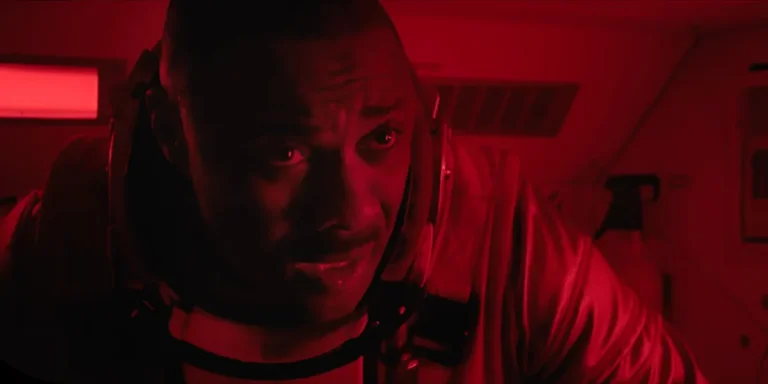
At the heart of "I Swear" is Robert Aramayo’s critically lauded portrayal of John Davidson. Aramayo, who has garnered widespread praise for his nuanced and empathetic performance, takes on the challenging role of a man who navigated a world often unequipped to understand his condition. The film meticulously chronicles Davidson’s life, offering an intimate look at his experiences, his struggles, and his remarkable resilience. The supporting cast, featuring established talents such as Maxine Peake, Shirley Henderson, and Peter Mullan, further bolsters the film’s narrative depth, providing a rich tapestry of characters who interact with and shape Davidson’s journey. A notable inclusion is Scott Ellis Watson, who makes his acting debut as a younger iteration of Davidson, offering a poignant contrast and continuity to Aramayo’s performance.
The film’s genesis lies in the aforementioned 1989 documentary, "John’s Not Mad." This documentary served as a crucial early exploration of Tourette syndrome in the UK, aiming to destigmatize the condition and foster greater public understanding. By revisiting Davidson’s story, Kirk Jones and his team have sought to expand upon this foundational work, offering a more comprehensive and emotionally resonant cinematic interpretation of his life. The decision to adapt Davidson’s story into a feature film reflects a growing trend in cinema towards exploring complex personal narratives and shedding light on underrepresented experiences.
Critical Acclaim and Awards Recognition
"I Swear" made its indelible mark at the 2025 Toronto International Film Festival (TIFF), a prestigious event known for launching award-season contenders. The film received universal acclaim from critics, with particular praise directed at the performances of Robert Aramayo and Peter Mullan. The festival’s discerning audience and critics recognized the film’s sensitive handling of its subject matter and its powerful emotional impact.
This critical success translated into significant recognition at the 79th British Academy Film Awards (BAFTAs). The film secured five nominations, a testament to its overall quality and impact. The most significant wins came in two pivotal categories: Best Actor in a Leading Role for Robert Aramayo, acknowledging his transformative performance, and Best Casting, highlighting the exceptional ensemble assembled for the film. These accolades not only celebrate the individual achievements of the cast and crew but also amplify the importance of the story being told.
The BAFTA win for Best Actor in a Leading Role for Aramayo is particularly noteworthy. Tourette syndrome presents unique challenges for an actor portraying such a condition, requiring a delicate balance of authenticity, empathy, and dramatic integrity. Critics have lauded Aramayo for his ability to convey the complexities of Davidson’s internal experience, his frustrations, his joys, and his unwavering spirit, without resorting to caricature or sensationalism.
A Conversation with Robert Aramayo
The success of "I Swear" has been further amplified by an insightful interview with Robert Aramayo, conducted by Next Best Picture. In this exclusive conversation, Aramayo discusses his immersive process in preparing for the role of John Davidson. He shares the research undertaken, the collaboration with Davidson himself (if applicable, or with those who knew him well), and the emotional toll and rewards of embodying such a significant figure. The interview, available in both video and audio formats, offers a rare glimpse into the actor’s dedication and artistic approach, providing valuable context for his BAFTA-winning performance.
Aramayo’s willingness to engage deeply with the material and his open discussion about the nuances of portraying Tourette syndrome are crucial elements in demystifying the condition for a wider audience. His insights likely shed light on the challenges of capturing the involuntary vocalizations and motor tics associated with Tourette syndrome, while also emphasizing the person behind the condition – his aspirations, relationships, and inner life.

Release and Distribution
"I Swear" is poised for a significant theatrical release in the United States on April 24th, distributed by Sony Pictures Classics. This distribution choice is strategic, as Sony Pictures Classics is renowned for its commitment to showcasing critically acclaimed independent films, often those with artistic merit and compelling subject matter. Their involvement suggests confidence in the film’s ability to connect with audiences and its potential to be a strong contender during awards season. The film’s earlier premiere at TIFF and subsequent BAFTA success have undoubtedly generated considerable anticipation for its wider release.
Context: Tourette Syndrome and Public Perception
The film’s focus on John Davidson and Tourette syndrome arrives at a time when understanding and acceptance of neurological differences are increasingly prioritized. Tourette syndrome is a neurological disorder characterized by repetitive, involuntary movements and vocalizations called tics. These tics can range from simple twitches and eye-blinking to more complex movements and sounds, including coprolalia (involuntary swearing), which is often inaccurately equated with the entirety of the condition.
The 1989 documentary "John’s Not Mad" was a pivotal moment in challenging public misconceptions. At a time when individuals with Tourette syndrome were often misunderstood, stigmatized, or even institutionalized, the documentary provided a humanizing portrait. It aimed to educate viewers, demonstrating that individuals with Tourette syndrome were not "mad" but rather living with a complex neurological condition.
"I Swear" has the potential to build upon this legacy, offering a contemporary perspective on Davidson’s life and the ongoing evolution of societal understanding of Tourette syndrome. The film’s critical and awards success suggests it has effectively conveyed the nuances of the condition and the strength of the individual, contributing to a broader dialogue about neurodiversity.
Supporting Data and Broader Impact
The impact of films that explore complex human experiences can extend beyond the realm of entertainment. By bringing John Davidson’s story to a global audience, "I Swear" can:
- Increase Awareness and Reduce Stigma: Films that humanize individuals with disabilities or neurological conditions play a vital role in fostering empathy and challenging prejudice. The success of "I Swear" can lead to greater public awareness and understanding of Tourette syndrome, encouraging more compassionate and inclusive attitudes.
- Inspire Advocacy: The film’s narrative of resilience and overcoming adversity can inspire individuals with Tourette syndrome and their families, providing a sense of validation and empowerment. It may also encourage advocacy efforts aimed at improving support systems and resources for those affected by the condition.
- Inform Public Discourse: The critical acclaim and awards recognition for "I Swear" ensure that the film will be a topic of discussion in various forums, from film reviews to public conversations about neurodiversity. This increased discourse can contribute to a more informed public understanding of Tourette syndrome.
- Highlight the Power of Biographical Storytelling: The success of films like "I Swear" underscores the enduring appeal of biographical dramas that offer profound insights into the human condition. These stories have the power to educate, inspire, and provoke reflection, making them valuable contributions to the cultural landscape.
The film’s journey from a groundbreaking documentary to a BAFTA-winning feature film represents a significant evolution in how stories of individuals with Tourette syndrome are presented and received. It signifies a societal shift towards greater empathy and a deeper appreciation for the complexities of human experience.
The Next Best Picture Podcast, as a platform supporting this film and its creators, plays a crucial role in amplifying these narratives. Their affiliation with the Evergreen Podcasts Network ensures a wide reach for their content, allowing audiences to engage with the film’s themes and the stories behind its creation through interviews and discussions. The call for reviews on platforms like Apple Podcasts and support through Patreon further solidifies the podcast’s role in building a community around thoughtful cinematic engagement.
As "I Swear" prepares for its wider release, its impact is expected to extend far beyond the box office. It stands as a powerful testament to the enduring strength of the human spirit and the transformative power of cinema to illuminate and connect us. The film not only celebrates the life of John Davidson but also contributes to a more compassionate and informed understanding of Tourette syndrome, marking a significant moment in both cinematic history and the ongoing journey towards societal acceptance.