


The film "Daughter’s Daughter," directed by Xi Huang, unfolds as a deeply resonant exploration of intergenerational relationships, maternal legacies, and the profound complexities of familial love. Opening with a stark image of a character on a hospital bed, the narrative immediately establishes a fragile and intimate space between a mother and her daughters, hinting at the emotional currents that will define the ensuing story. The film centers on Ai, whose strained relationship with her two daughters, Emma and Zuer, forms the emotional core of the narrative. Emma, adopted and later reunited with the family, and Zuer, an emotionally distant and frequently misunderstood individual, each represent a different facet of Ai’s maternal experience and the challenges inherent in bridging generational and emotional divides.
The initial interactions within the family are characterized by a palpable tentativeness, particularly concerning Zuer. Her perceived unconventionality, reflected in her appearance and lifestyle, contributes to a cautious approach to engagement. Her same-sex relationship is alluded to with the term "colleague," a subtle indication of the lack of open communication, and her ongoing IVF treatments are discussed in practical, almost detached, terms. This pattern of communication suggests a pervasive inability for those around Zuer—her partner, her sister, and most significantly, her mother—to fully meet her emotional needs or understand her lived experience. A recurring undercurrent in the film is the sense that Zuer’s deepest feelings remain just beyond reach, creating a quiet but persistent chasm.
The narrative takes a dramatic and disorienting turn with the sudden arrival of tragedy. Ai is left grappling not only with profound grief but also with the substantial burden of unspoken words and unresolved issues. Compounding this emotional turmoil is a critical decision that must be made: the fate of Zuer’s fertilised embryo. The options presented—to freeze, donate, or terminate the embryo, or to seek a surrogate—are framed in clinical, procedural language. However, the immediacy of grief has a transformative effect on language, imbuing these medical terms with immense emotional weight. For Ai, this decision is inextricably linked to her own fractured history of motherhood. She carries the burden of having previously relinquished a daughter, believing it to be an act of ultimate care, and the ongoing struggle to love another daughter imperfectly, navigating the often-difficult terrain between her own expectations and the reality of acceptance.
A Fractured Tapestry of Motherhood
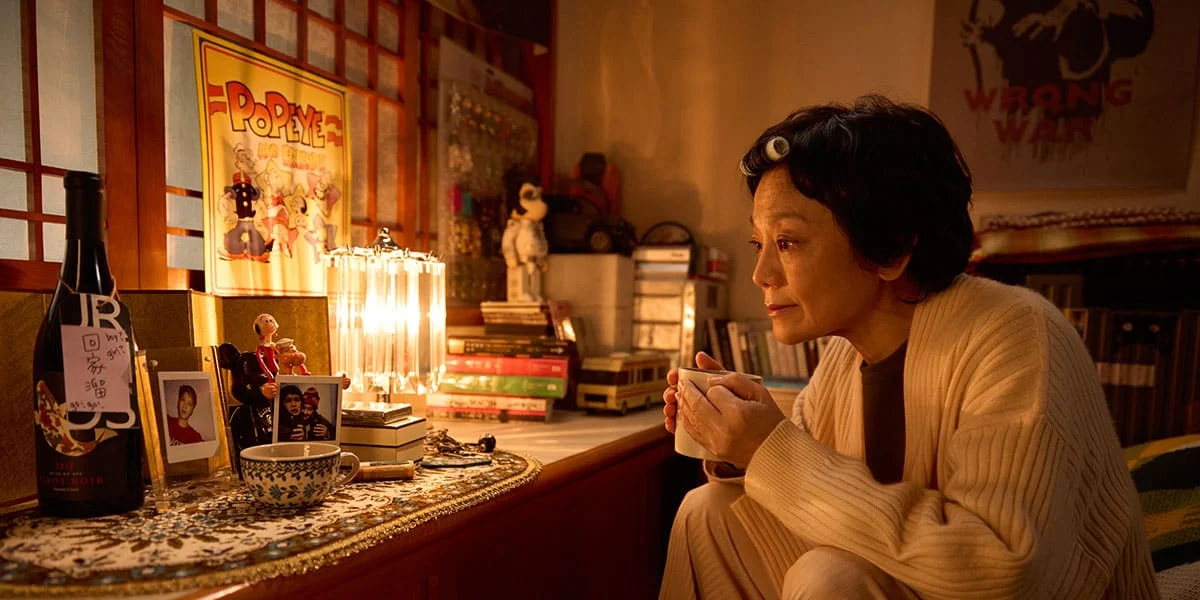
"Daughter’s Daughter" transcends its initial premise by delving into the multifaceted and often fractured nature of Ai’s relationship with motherhood. The film excels in its quiet, observational scenes, which powerfully convey the lingering ache of regret. These moments include Ai recording and listening to voice notes, navigating the airport with her daughter’s ashes, and staring at unclaimed socks in a laundrette. Through these intimate glimpses, the film articulates the profound emotional landscape of motherhood, demonstrating that it is not a static identity but a continuously negotiated experience, shaped by a complex interplay of fear, pride, and deeply ingrained expectations.
The film’s nuanced portrayal of maternal journeys is particularly striking. While societal narratives often idealize mothers as paragons of sacrifice or unwavering virtue, "Daughter’s Daughter" resists such simplistic categorizations. It acknowledges the inherent imperfections, the difficult choices, and the emotional toll that can accompany raising children. The film suggests that motherhood is a continuous process of learning and adaptation, marked by both profound joys and significant challenges.
The Weight of Unresolved Legacies
The decision Ai eventually makes regarding the embryo does not signify a definitive resolution but rather a continuation of her journey, an attempt to mend past fractures and navigate the ongoing consequences of her maternal history. This cyclical aspect of the narrative underscores the enduring impact of parental choices on subsequent generations. The film’s poignancy lies in its unflinching honesty about these complexities, presenting a realistic and relatable depiction of the challenges faced by mothers and daughters alike.
The broader implications of "Daughter’s Daughter" extend to a societal understanding of family structures and the evolving definition of motherhood in contemporary times. The film touches upon themes of adoption, same-sex relationships, and assisted reproductive technologies, reflecting the diverse realities of modern family formation. By exploring these themes with sensitivity and depth, the film encourages a more inclusive and compassionate perspective on the myriad ways in which families are created and nurtured.
Contextualizing the Maternal Narrative
The themes explored in "Daughter’s Daughter" resonate within a broader cultural discourse surrounding familial relationships and the pressures placed upon women in their roles as mothers. Historically, societal expectations for mothers have been rigid, often demanding a singular archetype of nurturing and self-sacrifice. However, contemporary society is increasingly recognizing the diversity of maternal experiences and the validity of non-traditional family structures. Films like "Daughter’s Daughter" contribute to this evolving understanding by presenting complex characters who navigate these evolving norms.
The film’s setting and cultural context, while not explicitly detailed in the provided synopsis, likely play a significant role in shaping the characters’ interactions and the societal pressures they face. Understanding the cultural nuances of family expectations, particularly in relation to gender roles and familial obligations, can provide deeper insight into the characters’ motivations and the specific challenges they encounter. The film’s quiet contemplation of regret and the search for repair suggests a universal human desire for connection and understanding, regardless of cultural background.
The Chronology of Grief and Decision-Making
The film’s narrative structure, which fluidly moves between past and present, allows for a comprehensive exploration of Ai’s maternal history and its impact on her present circumstances. The initial hospital scene serves as a temporal anchor, from which the audience is invited to piece together the fragments of Ai’s life and relationships. The sudden tragedy acts as a catalyst, accelerating the emotional and narrative trajectory.
The period immediately following the tragedy is characterized by a profound sense of disorientation and the urgent need for a decision regarding Zuer’s embryo. This timeline highlights the acute pressure placed upon Ai to act decisively in the midst of overwhelming grief. The film meticulously depicts the internal conflict and the weighing of past experiences against present realities that inform this crucial choice. The process of decision-making itself becomes a narrative arc, demonstrating how grief can reshape priorities and force a re-evaluation of deeply held beliefs and past actions.
Supporting Data and Societal Trends
The themes of assisted reproductive technologies and the complexities of embryo disposition are increasingly relevant in contemporary society. According to data from the World Health Organization (WHO), rates of infertility have been rising globally, leading to a greater reliance on assisted reproductive technologies like IVF. This trend has brought forth new ethical and emotional considerations for individuals and families, including the disposition of unused embryos. The film’s engagement with these issues reflects a growing societal awareness of these challenges.
Furthermore, the film’s exploration of strained parent-child relationships, particularly between mothers and daughters, is a persistent theme in psychological and sociological research. Studies have indicated that the mother-daughter dynamic can be particularly complex, influenced by factors such as generational differences, differing life experiences, and evolving societal expectations for women. The film’s portrayal of Zuer’s emotional distance and Ai’s struggle to connect with her can be seen as a reflection of these common relational dynamics. The film’s sensitive handling of adoption and reunion also speaks to the enduring impact of such experiences on family bonds.
Inferring Reactions and Implications
While the original article does not include direct quotes from related parties, the narrative structure and thematic development allow for the logical inference of potential reactions and broader implications. One can infer that Emma, as the other daughter, might experience a range of emotions, from sympathy for her mother and sister to her own personal grief and the complexities of navigating a fractured family. Her perspective, though perhaps less central than Ai’s, would undoubtedly be influenced by the unfolding events.
The implications of "Daughter’s Daughter" are far-reaching. The film challenges conventional notions of motherhood, highlighting its inherent messiness and the continuous effort required to maintain familial bonds. It suggests that forgiveness, both for oneself and for others, is a crucial element in healing and moving forward. The film’s conclusion, which posits motherhood as both a burden and a grace passed down imperfectly, offers a realistic and ultimately hopeful perspective on the enduring strength of familial love. It implies that acceptance of imperfection, both in oneself and in others, is key to navigating the complex tapestry of family relationships. The decision regarding the embryo, rather than being a finality, serves as a testament to the ongoing nature of maternal responsibility and the continuous effort to foster connection and repair past ruptures.
Broader Impact and Future Considerations
The MINT Emerging Critics Scheme, as mentioned in the article’s closing, underscores the growing importance of diverse voices and perspectives in film criticism and the promotion of international cinema. The partnership with Asian Movie Pulse further highlights a commitment to broadening the reach and understanding of films from various cultural contexts. "Daughter’s Daughter" contributes to a rich landscape of cinematic narratives that explore the intricacies of family, identity, and the enduring impact of maternal legacies.
The film’s success in navigating sensitive themes with nuance and emotional honesty suggests a growing audience appetite for stories that reflect the complexities of modern life. As societal understanding of family structures and personal identities continues to evolve, films like "Daughter’s Daughter" will play an increasingly vital role in fostering empathy, encouraging dialogue, and celebrating the multifaceted nature of human connection. The film’s legacy will likely be its ability to spark conversations about the unspoken, the unresolved, and the enduring, imperfect grace of motherhood.