


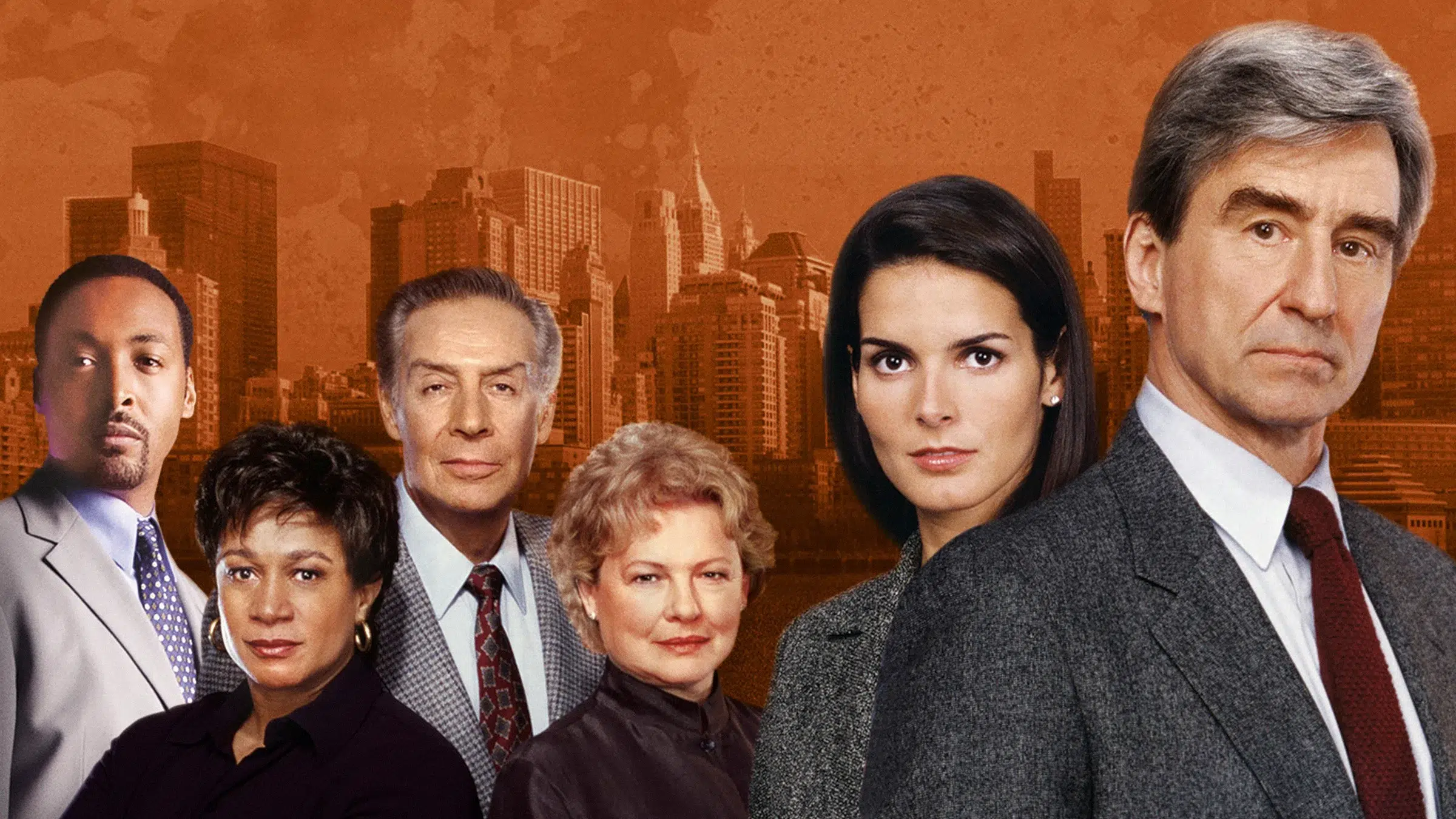
In a significant development for streaming audiences and a strategic move in the ongoing content wars, the original, iconic Law & Order series is officially set to make its debut on Netflix in the United States. The groundbreaking procedural, a cornerstone of television history and the progenitor of a vast universe of spin-offs, will begin streaming on Monday, April 20th, marking its first appearance on the global streaming giant. This unexpected, last-minute addition to Netflix’s April 2026 release schedule comes via a licensing agreement with NBCUniversal, promising a substantial collection of episodes to subscribers. While the exact number of seasons remains partially under wraps, early indications suggest a generous offering, potentially encompassing a "massive batch" of the show’s legendary run.
This acquisition is exclusively for Netflix US subscribers at present, a point of distinction as international viewers previously had access to the popular spin-off, Law & Order: Special Victims Unit (SVU), on the platform before its eventual removal. The return of a major Dick Wolf-produced title to Netflix underscores a shifting dynamic in the competitive streaming landscape, where flagship licensed content continues to play a pivotal role alongside original programming.
The Enduring Legacy of a Television Institution
Law & Order is far more than just a television show; it is a cultural phenomenon that redefined the procedural drama genre. Created by Dick Wolf, the series premiered in 1990 and ran for an astonishing 20 consecutive seasons in its original iteration, concluding in 2010 before being revived in 2022. Its distinctive format, split equally between police investigation and legal prosecution, became a blueprint for countless shows that followed. This innovative structure allowed viewers to experience the criminal justice system from both sides: the initial hunt for suspects by the New York Police Department’s homicide detectives, followed by the meticulous work of the District Attorney’s office to secure a conviction in the courtroom.
The show’s brilliance lay not only in its narrative structure but also in its commitment to telling stories "ripped from the headlines," often drawing inspiration from real-life cases and societal issues, albeit with fictionalized outcomes. This approach lent the series a sense of immediacy and relevance, making it a powerful mirror reflecting contemporary American society. Over its multi-decade run, Law & Order introduced audiences to a pantheon of memorable characters who became synonymous with the series. Among the most beloved are Jerry Orbach’s world-weary yet witty Detective Lennie Briscoe, whose dry humor often cut through the grim realities of crime, and Sam Waterston’s fiercely principled Executive Assistant District Attorney, and later District Attorney, Jack McCoy, a man consistently grappling with the ethical complexities of justice. Other notable figures like Detective Ed Green (Jesse L. Martin), Captain Donald Cragen (Dann Florek), and Assistant District Attorneys Ben Stone (Michael Moriarty) and Claire Kincaid (Jill Hennessy) contributed to the show’s rich tapestry, creating a universe that felt both expansive and deeply personal.
The series garnered critical acclaim throughout its run, earning numerous awards and nominations, including multiple Emmy Awards for Outstanding Drama Series. Its signature "DUN DUN" sound effect, officially known as "The Clang," became instantly recognizable and ingrained in popular culture, serving as an auditory shorthand for dramatic tension and the transition between scenes. This commitment to realism, coupled with compelling storytelling and a revolving yet consistently strong ensemble cast, solidified Law & Order‘s status as a television institution, influencing generations of viewers and creators alike.
Navigating the Streaming Wars: A Strategic Acquisition
The decision by Netflix to license Law & Order underscores the complex and ever-evolving dynamics of the streaming industry. In recent years, major media conglomerates like NBCUniversal have aggressively "clawed back" their proprietary content from third-party platforms to bolster their own streaming services, primarily Peacock in this instance. This strategy led to the departure of several beloved shows, including Law & Order: SVU, from Netflix and other services, leaving fans to subscribe to multiple platforms to access their favorite content.
The return of a core Law & Order series to Netflix, even if initially in a limited capacity, represents a significant victory for the platform’s licensed library. It signals a potential willingness from content owners to re-engage in licensing deals, particularly for highly sought-after, evergreen titles that can attract and retain subscribers. For Netflix, which has heavily invested in original content, the addition of a proven, comfort-binge classic like Law & Order offers a powerful draw. Such shows appeal to a broad demographic, including nostalgic viewers eager to revisit old favorites and a new generation discovering the series for the first time. The financial implications of such a deal are substantial for both parties: NBCUniversal gains additional revenue from its vast content catalog, while Netflix enhances its offering without the prohibitive costs of producing new high-budget originals.
The competitive landscape for Law & Order content remains varied. While Netflix is now entering the fray, Peacock, NBCUniversal’s in-house platform, surprisingly only offers a selection of nine seasons of the flagship show. In contrast, Hulu currently stands as the most comprehensive destination, hosting the complete 20-season classic run. This fragmented availability means that fans often have to navigate different platforms to access the entirety of the series or its various spin-offs. Netflix’s move, therefore, intensifies the competition for legacy content viewership, potentially drawing subscribers who might otherwise turn to Hulu for their Law & Order fix.
Unpacking the "Massive Batch": Seasons and Speculation
While the official announcement from Netflix indicated a "batch of different seasons," the exact scope of the acquisition has been a subject of keen interest and some speculation. Through diligent digging, evidence has surfaced within Netflix’s servers, revealing specific title artwork corresponding to Season 8 and Season 19 of the original series. This discovery provides the first concrete clues regarding which parts of the vast Law & Order catalog will be available.
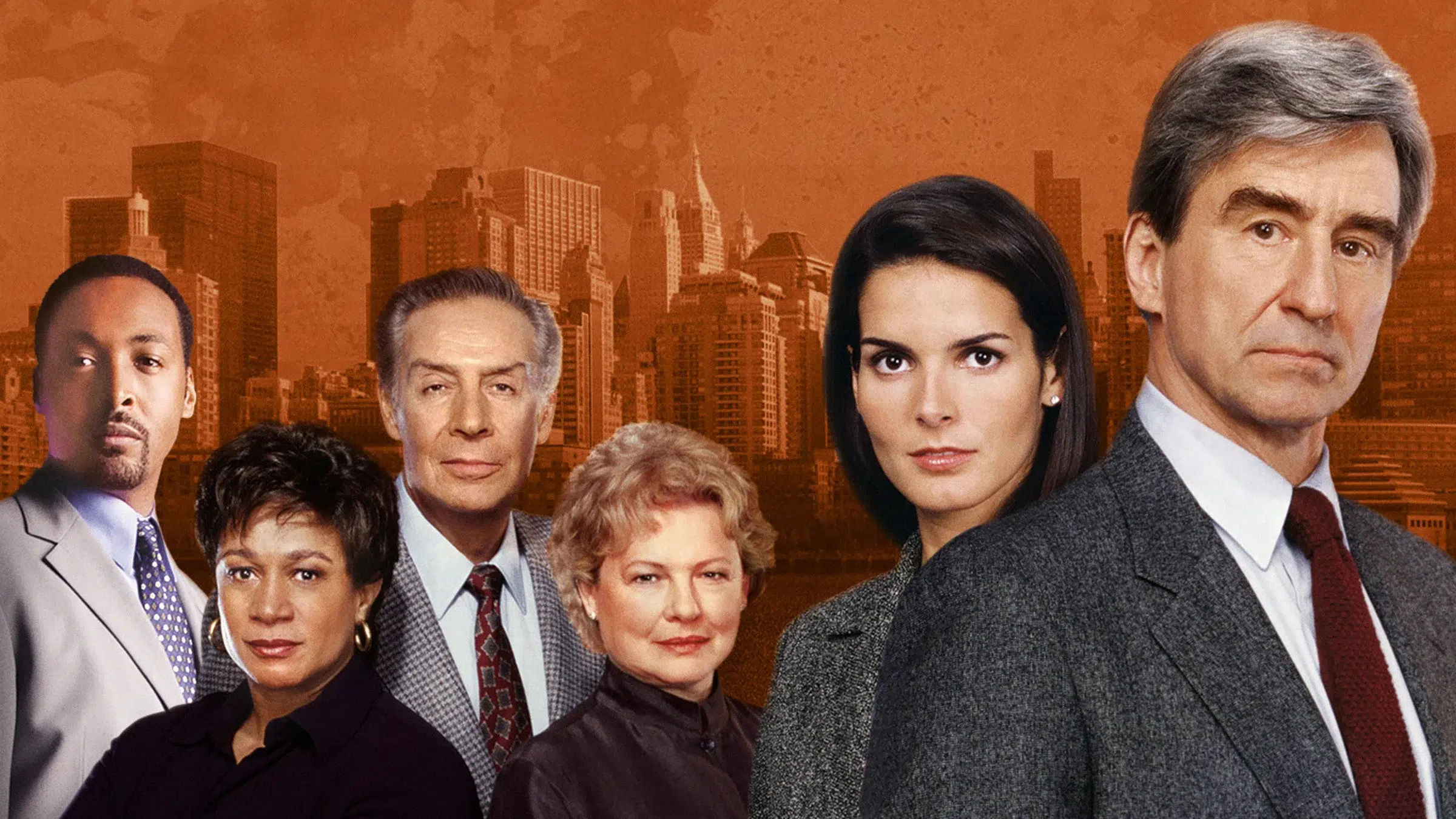
The inclusion of Season 8 suggests a mid-run entry point, a period generally considered to be a peak for the series, featuring a strong ensemble cast including Jerry Orbach as Briscoe, Jesse L. Martin as Green, Sam Waterston as McCoy, and Angie Harmon as Assistant District Attorney Abbie Carmichael. Season 19, on the other hand, represents a much later stage in the original run, showcasing the series’ enduring quality and its ability to adapt with cast changes while maintaining its core identity. This particular season would feature characters like McCoy (now District Attorney), Detective Cyrus Lupo (Jeremy Sisto), and Detective Kevin Bernard (Anthony Anderson).
The strategy behind licensing non-consecutive or partial seasons is not uncommon in the streaming world. Content owners may opt to hold back certain seasons for their own platforms or for future licensing deals. For viewers, this can be both a blessing and a curse. While any access to Law & Order on Netflix is welcome, the absence of a complete, chronological run might frustrate some ardent fans. However, for casual viewers or those looking for a "comfort binge" with standalone episodes, a curated selection might suffice. The sheer volume of episodes in Law & Order‘s original 20-season run (over 450 episodes) makes a full catalog acquisition a substantial undertaking. If Netflix’s deal indeed brings over a dozen seasons, as inferred by the "massive batch" description, it would represent a significant investment and a competitive advantage in attracting viewers. The upcoming April 20th release will clarify the precise number and selection of seasons, providing a definitive answer to fan anticipation.
A Franchise’s Journey: From Netflix Staple to Streaming Nomad
The Law & Order franchise has a storied history on Netflix, particularly concerning its most popular spin-off, Law & Order: Special Victims Unit (SVU). For many years, SVU was a heavily binged staple of the Netflix US library, contributing significantly to its reputation for robust licensed content. Its enduring popularity, coupled with its often gritty and topical storylines, made it a go-to for countless subscribers. However, as NBCUniversal initiated its aggressive content consolidation strategy in the lead-up to Peacock’s launch, SVU seasons were progressively removed from Netflix, beginning around January 2019 for specific seasons (e.g., seasons 15-17) and eventually leading to its complete departure from the service in the US.
This move was part of a broader industry trend where major studios sought to bring their most valuable intellectual property under their direct control, aiming to drive subscriptions to their proprietary platforms. The absence of SVU left a noticeable void for many Netflix subscribers who had grown accustomed to its constant availability. The current acquisition of the original Law & Order series therefore represents a partial reversal of this trend, at least for a segment of the expansive Dick Wolf universe.
The "Wolf Entertainment" empire extends far beyond just Law & Order and SVU, encompassing Law & Order: Criminal Intent, Law & Order: Trial by Jury, Law & Order: Los Angeles, Law & Order True Crime, and the more recent Law & Order: Organized Crime. Additionally, Wolf is the mastermind behind the hugely successful "One Chicago" franchise (Chicago Fire, Chicago P.D., Chicago Med) and the "FBI" franchise (FBI, FBI: Most Wanted, FBI: International). These shows collectively represent a significant portion of broadcast television’s procedural landscape. The re-establishment of a relationship, even a limited one, between Netflix and NBCUniversal for a flagship Wolf title could hint at future possibilities for other parts of this vast content library, depending on the success and terms of this initial deal. It underscores the continued value of proven, long-running procedural dramas in the streaming era.
Broader Implications and Future Outlook
The arrival of Law & Order on Netflix US is more than just a new entry in a content catalog; it carries broader implications for both the streaming service and the industry at large. For Netflix, it signals a strategic reinforcement of its licensed content strategy, acknowledging that while original programming is crucial, a robust library of popular third-party titles remains vital for subscriber acquisition and retention. It caters to the "comfort viewing" trend, where audiences seek familiar, reliable shows for relaxation and re-watching. This move could also serve to attract a demographic of viewers who might have drifted to other platforms following the departure of SVU and other licensed favorites.
For NBCUniversal, the licensing deal represents a pragmatic approach to content monetization. While the primary goal remains to build Peacock, selective licensing of older seasons to other platforms can generate significant revenue, especially for a series with such an extensive catalog as Law & Order. It allows them to capitalize on the enduring popularity of their intellectual property without necessarily giving away their most current or exclusive content.
The timing of this announcement, just days before its release, suggests either a rapidly finalized deal or a deliberate marketing strategy to generate immediate buzz. As the streaming market continues to mature, and subscriber growth becomes increasingly challenging, the strategic exchange of licensed content is likely to remain a critical factor. The return of Law & Order to a major third-party platform highlights the ongoing negotiation between content owners and distributors, perpetually balancing the desire for exclusive content with the financial benefits of broader distribution.
Fans and industry observers alike will be closely watching the impact of this release. The full list of seasons arriving on April 20th will be the next crucial piece of information. Regardless of the exact number, the iconic "DUN DUN" sound will soon resonate once again through Netflix households, bringing a piece of television history to a new and eager audience.