
Samuel Goldwyn Films has officially announced the impending release of The Wolf and the Lamb, an independent film poised to blend the atmospheric tension of a Western mystery with the visceral dread of supernatural horror, culminating in what early viewers describe as a full-throttle vampire thriller. Directed by newcomer Michael Schilf, the film is slated for a hybrid release in select U.S. theaters and across Video-On-Demand (VOD) platforms starting April 24th, 2026. This strategic distribution approach bypasses the traditional film festival circuit, indicating a direct-to-market strategy for a project that promises a unique genre-bending experience.
A Haunting Vision Emerges: The Premise of The Wolf and the Lamb
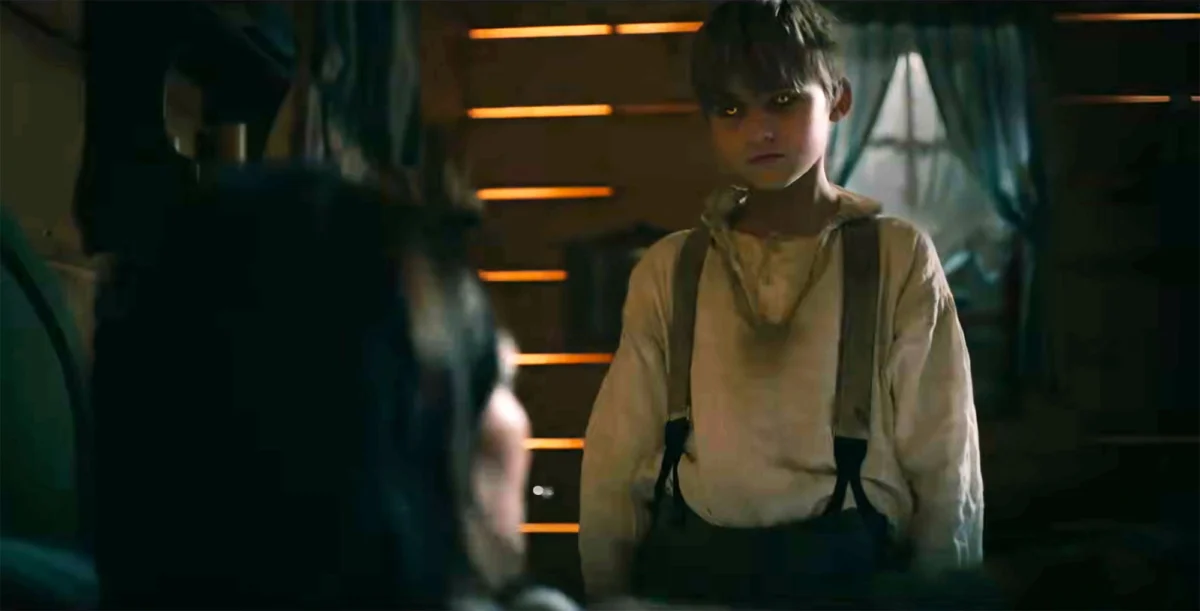
At its core, The Wolf and the Lamb delves into the harrowing ordeal of Jo Beckett, a dedicated schoolteacher whose life is irrevocably shattered by the inexplicable disappearance of her young son, Henry. The narrative quickly escalates beyond a simple missing persons case, as Henry’s return is marked by increasingly eerie and unsettling behavior. This strange transformation in the boy becomes the catalyst for a wave of paranoia and escalating violence that grips their isolated rural community. Jo’s desperate quest to understand and save her son propels her into a labyrinthine journey, forcing her to confront deep-seated local folklore, the suffocating grip of communal paranoia, and the very foundations of her own faith. As she battles the hostility of distrustful neighbors, the ambiguous menace of local authority figures, and her own fragmenting perception of reality, Jo must ultimately face terrifying, otherworldly forces that challenge every belief she holds dear. The film, as hinted by its trailer, takes a dramatic turn from a slow-burn Western mystery into an outright "teeth-y vampire thriller," promising a shocking escalation of horror.
The Narrative Core: A Mother’s Desperate Search in a Bleak Landscape
The film’s strength appears to lie in its commitment to exploring the psychological torment of a mother pushed to her absolute limits. Jo Beckett, portrayed by Cassandra Scerbo, is not merely searching for her son; she is fighting against the erosion of her world, both internal and external. The rural setting plays a crucial role, often serving as a crucible for human fear and suspicion in horror narratives. In The Wolf and the Lamb, this isolation amplifies the sense of dread, transforming familiar landscapes into menacing backdrops. The spread of paranoia and violence through the town suggests a community susceptible to fear-mongering and perhaps ancient superstitions, where the unknown is quickly branded as evil or a threat. This creates a fertile ground for the "terrifying forces" to manifest, blurring the lines between psychological breakdown and genuine supernatural invasion. The interplay of folklore and faith further complicates Jo’s journey, suggesting that the solutions, or perhaps the threats, lie beyond conventional understanding, steeped in forgotten histories or suppressed beliefs. The trailer’s revealing twist, indicating a descent into vampire lore, suggests that these folkloric elements are not merely metaphorical but literal, manifesting as a tangible, bloodthirsty menace.
From Western Mystery to Visceral Horror: Unpacking the Trailer’s Revelation

The trailer for The Wolf and the Lamb serves as a powerful testament to the film’s genre fluidity and its audacious shift in tone. Initially presenting itself as a brooding Western mystery, replete with dusty landscapes, isolated homesteads, and the slow burn of communal suspicion, it gradually introduces supernatural undertones. The phrase "Something is amiss…" perfectly encapsulates this initial phase, building suspense through suggestion and eerie atmosphere. However, the latter portion of the trailer detonates this carefully constructed ambiguity, revealing a dramatic pivot into explicit vampire horror. The description "full-on teethy vampire thriller" is particularly evocative, promising a departure from more subdued or romanticized portrayals of vampires. This suggests a return to a more primal, monstrous depiction, focusing on the visceral horror and predatory nature of these creatures. This genre-bending approach is a calculated risk that could significantly differentiate The Wolf and the Lamb from its contemporaries. By initially lulling the audience into a specific narrative expectation before pulling the rug out with a shocking supernatural revelation, the film aims to deliver a heightened sense of surprise and dread, effectively maximizing its horror impact. This strategic unveiling of a core plot element in the marketing materials is a bold move, designed to intrigue and attract audiences seeking a fresh take on established horror tropes.
A New Voice in Filmmaking: Michael Schilf’s Feature Debut
The Wolf and the Lamb marks a significant milestone for Michael Schilf, representing his feature directorial debut. The transition from concept to a full-length cinematic production is a formidable undertaking for any filmmaker, let alone for a first-timer venturing into complex genre territory. While specific details about Schilf’s prior professional background are not widely disseminated, his ability to helm a project with a recognizable ensemble cast and a distinct vision speaks to a strong foundational understanding of cinematic storytelling. Often, debut directors bring a fresh perspective and an unburdened creative energy, eager to experiment and push boundaries, which aligns with the film’s ambitious genre fusion. Schilf is credited with writing the film, based on a story he developed with Miah Smith, indicating a deep personal investment in the narrative’s conception. The role of a director in shaping the tone, performances, and overall aesthetic of such a genre-hybrid film is paramount, requiring a delicate balance between the gritty realism of a Western and the heightened terror of supernatural horror. The production team, including Nicholas Adam Clark, Chase Kuker, Jordan Kuker, Miah Smith, and Jordan Wagner, played a crucial role in bringing Schilf’s vision to fruition, navigating the inherent challenges of independent filmmaking, from securing funding to managing logistics in potentially remote filming locations. Their collective effort underscores the collaborative spirit essential for independent projects, particularly those that dare to defy conventional genre classifications.
Assembling the Ensemble: A Blend of Experience and Rising Talent
The cast of The Wolf and the Lamb features a compelling mix of seasoned actors and emerging talents, each bringing a distinct presence to the film’s intricate narrative. Leading the ensemble is Cassandra Scerbo as Jo Beckett. Scerbo, widely recognized for her roles in the Sharknado franchise and other genre productions, has consistently demonstrated an ability to navigate intense, high-stakes scenarios. Her casting in The Wolf and the Lamb suggests a deeper, more dramatic turn, allowing her to portray the raw emotional intensity of a mother facing unimaginable terror and unraveling sanity. Her experience in action and horror genres will undoubtedly lend credibility to her character’s desperate fight for survival.
Playing the pivotal role of Jo’s son, Henry, is Jaydon Clark. The character of Henry is central to the film’s horror elements, as his "eerie behavior" is the catalyst for the town’s descent into paranoia and violence. Portraying such a complex and unsettling transformation requires a nuanced performance, capable of conveying both vulnerability and a growing malevolence. Clark’s ability to embody this duality will be critical in establishing the film’s chilling atmosphere.
The supporting cast further strengthens the film’s appeal. Angus Macfadyen, known for his powerful performances in films like Braveheart and the Saw franchise, brings a commanding presence and an inherent gravitas. His involvement often signals a project with significant dramatic weight, and he could easily embody a figure of authority, a mysterious elder, or even an antagonist within the isolated community. Q’orianka Kilcher, acclaimed for her role in The New World and her commitment to culturally rich narratives, adds a layer of depth. Her presence might suggest the inclusion of indigenous folklore or spiritual elements that could inform the supernatural threats within the story, grounding the horror in ancient traditions.

Rounding out the ensemble are familiar faces such as Sammi Rotibi, Adrianne Palicki, Zach McGowan, and James Landry Hébert. Rotibi, with his extensive work in thrillers and action films, often brings intensity and a formidable presence. Palicki, recognized for her roles in Friday Night Lights and The Orville, provides a recognizable talent that can draw in wider audiences, potentially portraying a skeptical neighbor or a supportive ally. McGowan, frequently cast in antagonistic roles across various television series and films, could easily fit the description of "dangerous local authority figures" or another ominous character who adds to Jo’s challenges. Hébert, known for his roles in genre films and Westerns, brings authenticity to the rural setting and could embody a range of characters from suspicious townsfolk to potential victims. The collective experience of this diverse cast in navigating intense narratives and genre-specific demands undoubtedly elevates the production value and promises a compelling range of performances.
Genre Innovation: The Enduring Appeal of Western Horror and Vampire Lore
The Wolf and the Lamb positions itself within the fascinating, albeit niche, subgenre of Western horror. This fusion of the iconic American frontier narrative with elements of the supernatural and terrifying has a rich, if sometimes understated, history. Films like Bone Tomahawk (2015), with its brutal depiction of cannibalistic horrors in the Old West, or Near Dark (1987), which seamlessly blended vampire lore with a nomadic Western aesthetic, have demonstrated the potent narrative possibilities when these two distinct genres collide. The isolation of the frontier, the harsh realities of survival, and the inherent darkness lurking beyond civilization provide a perfect canvas for supernatural threats to emerge, unburdened by modern amenities or easy explanations. The Wolf and the Lamb appears to lean into this tradition, using the rural Western backdrop to amplify the sense of vulnerability and communal dread before unleashing its more overt horror elements.
Furthermore, the film’s eventual reveal as a "vampire thriller" places it within a cinematic lineage that stretches back to the very beginnings of film. Vampire lore has been endlessly reinterpreted, from the aristocratic terror of Bram Stoker’s Dracula to the tragic romanticism of Interview with the Vampire, the gritty realism of 30 Days of Night, and the self-aware humor of What We Do in the Shadows. Each iteration reflects the cultural anxieties and storytelling trends of its time. The Wolf and the Lamb‘s "teeth-y" description suggests a return to a more monstrous, less humanized depiction of vampires, aligning with a trend in horror to make its creatures genuinely terrifying rather than sympathetic. This approach could resonate with audiences seeking a visceral, primal horror experience, divorcing the vampire from its more recent romantic or metaphorical connotations and re-establishing it as a force of pure, destructive evil. By marrying the desolate beauty of the Western with the ancient terror of the vampire, Michael Schilf’s debut aims to create a unique and memorable contribution to both genres.
Strategic Release: Samuel Goldwyn Films’ Approach to Independent Cinema
The distribution strategy for The Wolf and the Lamb is noteworthy, with Samuel Goldwyn Films opting for a direct-to-market release in select theaters and across VOD platforms starting April 24th, 2026, bypassing major film festivals. This approach is increasingly common for independent films, particularly within the horror and genre space. While festival premieres can generate significant buzz and critical acclaim, they also involve considerable time and financial investment, with no guarantee of acquisition or widespread distribution. For an independent film like The Wolf and the Lamb, a direct release allows for greater control over the marketing narrative and a faster path to reaching its target audience.
Samuel Goldwyn Films has a long-standing reputation for championing independent and international cinema, often acquiring unique projects that might not fit neatly into mainstream studio molds. Their history includes distributing critically acclaimed dramas, compelling documentaries, and distinctive genre films, demonstrating a commitment to diverse storytelling. This distribution partnership lends a degree of credibility and reach to The Wolf and the Lamb, ensuring it will be accessible to a broad audience despite its indie origins. The hybrid theatrical and VOD release model further acknowledges contemporary viewing habits, offering flexibility for audiences who prefer to experience films in cinemas and those who opt for the convenience of home viewing. This simultaneous availability helps to maximize audience engagement and revenue potential, particularly for films with a dedicated, niche following. For a debut director and a genre-bending film, this strategy allows for immediate exposure and the opportunity to build a fanbase organically, relying on the strength of its premise and the impact of its trailer to draw viewers in.

Anticipation and Potential Impact: A Unique Entry into the Horror Landscape
The announcement and trailer for The Wolf and the Lamb have already begun to cultivate anticipation among horror enthusiasts and fans of genre-bending cinema. The film’s unique blend of Western, mystery, and vampire horror elements positions it as a distinctive entry in the crowded horror landscape. Its marketing strategy, centered around the shocking genre pivot revealed in the trailer, is designed to pique curiosity and promise a fresh take on established tropes. The film is likely to attract audiences drawn to psychological thrillers, creature features, and narratives that explore the darker aspects of human nature when confronted with the unknown.
For independent cinema, The Wolf and the Lamb represents the continued vitality and creative freedom found outside the major studio system. Such projects often serve as incubators for new directorial talent and provide opportunities for actors to explore challenging roles. If successful, the film could garner a cult following, a common trajectory for indie horror films that push boundaries and offer unique perspectives. Its reception could also influence future investment in genre-hybrid projects, demonstrating that audiences are eager for innovative storytelling that defies easy categorization. The film’s ability to balance its diverse influences—the desolate beauty of the Western, the slow-burn tension of a mystery, and the visceral terror of vampires—will ultimately determine its critical and commercial impact, but the initial indications point to a bold and intriguing cinematic offering.
Conclusion: A Date with Destiny in the Dark Frontier
As April 24th, 2026, approaches, The Wolf and the Lamb stands poised to deliver a chilling and unique cinematic experience. With its compelling narrative of a mother’s desperate search, its audacious genre fusion, and a promising ensemble cast under the direction of a debut filmmaker, the film promises to be more than just another horror entry. It is an exploration of fear, faith, and the monstrous forces that lurk not only in the shadows but also within the very fabric of an isolated community. Audiences are encouraged to prepare for a journey that begins in the dusty plains of a Western mystery and descends into the terrifying, teeth-y heart of a vampire nightmare, challenging perceptions and delivering a fresh jolt of terror to the horror genre.