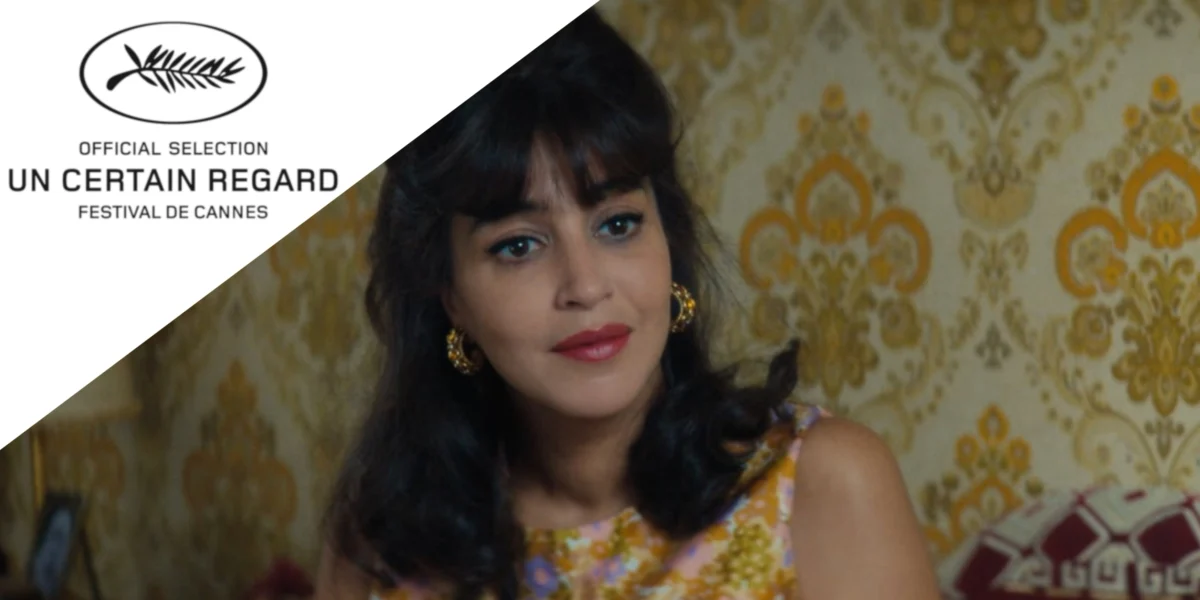
The prestigious 79th Festival de Cannes has announced that acclaimed French actress Lïla Bekhti will preside over the esteemed Un Certain Regard jury. This significant appointment marks a pivotal moment for Bekhti, who will follow in the footsteps of last year’s jury president, British filmmaker Molly Manning Walker. The Un Certain Regard section, renowned for its commitment to discovering and championing emerging auteur-driven cinema and fresh cinematic voices, will have its winning films selected by Bekhti and her distinguished panel of four jury members.
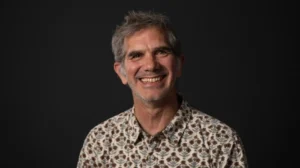
Joining Bekhti on the jury are a diverse and accomplished group of international film professionals. From Senegal, producer and director Angèle Diabang brings a wealth of experience in social issue filmmaking and a deep understanding of African cinema. Representing Lebanon, composer Khaled Mouzanar, celebrated for his evocative film scores, adds a crucial sonic dimension to the jury’s expertise. Italy’s directorial talent will be represented by Laura Samani, a filmmaker whose debut feature garnered significant critical acclaim. Rounding out the panel is French director Thomas Cailley, whose recent film opened the Un Certain Regard section itself, providing him with an intimate understanding of the selection’s ethos. Together, this jury will undertake the critical task of identifying the most compelling films within this vital strand of the Cannes Film Festival.
The Un Certain Regard prize is a highly coveted accolade, recognizing films that offer innovative perspectives and bold artistic statements. Last year, the Un Certain Regard Prize was awarded to Chilean filmmaker Diego Céspedes for his highly acclaimed debut feature, "The Mysterious Gaze of the Flamingo." This win underscored the section’s commitment to showcasing groundbreaking work from emerging talent on the global stage.
Bekhti expressed her profound honor and anticipation for the role, stating, "For my first time as Jury President, I will find myself in the unique position of watching, listening, sharing, and celebrating. Working in cinema has taught me that movies are places of encounter with others, with oneself, with the world. Discovering them alongside a jury, living this timeless experience, is both a responsibility and a joy. I look forward to the exchanged perspectives, the dialogues, and the doubts as well, which make up the richness of this living art. And, ultimately, I will be there in the most precious seat of all: that of the audience." Her words encapsulate the spirit of collaborative discovery that defines the Un Certain Regard jury’s mission.
A Legacy of Cinematic Excellence: Lïla Bekhti, Jury President
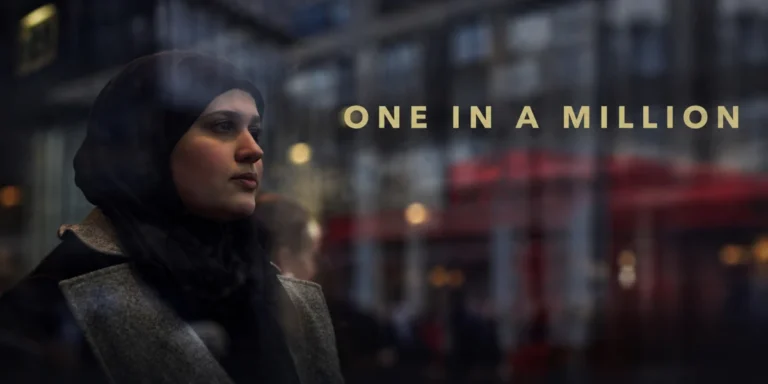
Lïla Bekhti, a celebrated actress from France, brings a luminous presence and a distinguished career to her role as President of the Un Certain Regard Jury. Her breakthrough performance in Jacques Audiard’s "A Prophet" (2009), a recipient of the Festival de Cannes’ Grand Prix, immediately established her as an actress of extraordinary intensity and captivating screen presence. This early success was swiftly followed by critical recognition, including the César Award for Most Promising Actress in 2011 for her role in Hervé Mimran and Géraldine Nakache’s "All That Glitters" (2010).
Bekhti has since cultivated a career marked by its daring choices and genre fluidity. Her filmography demonstrates a remarkable ability to traverse a spectrum of cinematic styles, from poignant dramas to sharp comedies and gripping thrillers. She has been a familiar and welcome face at the Festival de Cannes, having featured in a number of significant films presented on the Croisette. These include "Paris, je t’aime" (2006), Radu Mihaileanu’s "The Source" (2011), Gilles Lellouche’s "Sink or Swim" (2018), and Joachim Lafosse’s "The Restless" (2021). Her talent for embodying deeply human and relatable characters shines through in films such as Kheiron’s "All Three of Us" (2015), Lucie Borleteau’s "Perfect Nanny" (2019), Jeanne Herry’s "All Your Faces" (2023), and Ken Scott’s "Once Upon My Mother" (2025). Looking ahead, audiences anticipate her appearance in Jean-Pierre Jeunet’s forthcoming film, "Changer l’eau des fleurs." Bekhti’s extensive experience and profound understanding of cinematic storytelling make her an ideal leader for the Un Certain Regard jury, a section dedicated to showcasing the future of filmmaking.
A Global Tapestry of Talent: The Un Certain Regard Jury
The 79th Festival de Cannes has assembled a jury that reflects the international and diverse nature of the Un Certain Regard selection. Each member brings a unique perspective shaped by their individual artistic journeys and cultural backgrounds.
Angèle Diabang (Producer & Director, Senegal)
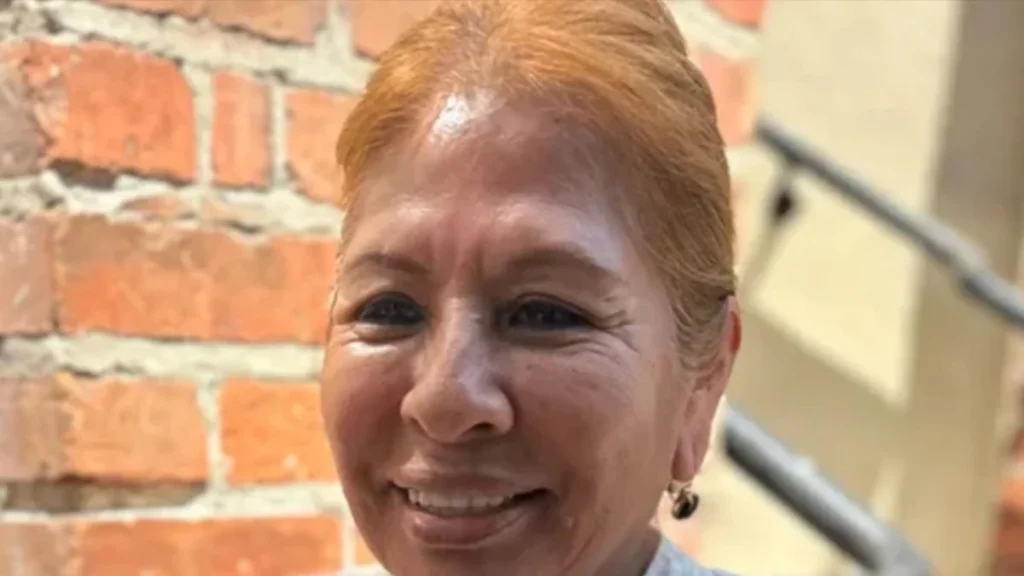
Angèle Diabang stands as a prominent figure within Africa’s cultural and audiovisual landscape. For over two decades, she has dedicated her work to addressing pressing social issues, exploring the narratives of women, and advocating for human rights through her production company, Karoninka, which she founded in 2006. Her directorial efforts are characterized by a commitment to socially conscious documentaries. Notably, she directed "Congo, a Doctor Who Saves Women," a powerful film focusing on Dr. Denis Mukwege, the 2018 Nobel Peace Prize laureate. Diabang’s short film, "Un air de kora" ("A Tune of Kora"), garnered critical acclaim, winning the Bronze Foal at FESPACO 2019, where she also received the ECOWAS Best Director Award. Her adaptation of Mariama Bâ’s seminal novel "So Long a Letter" achieved unprecedented success in West Africa in 2025, setting a new box office record. Her extensive experience in producing and directing impactful films provides invaluable insight into the potential of emerging storytellers.
Laura Samani (Director & Screenwriter, Italy)
Italian director and screenwriter Laura Samani has earned significant international recognition for her debut feature film, "Small Body." This critically acclaimed work was selected for the prestigious Semaine de la Critique at Cannes in 2021, and subsequently garnered the David di Donatello for Best Directorial Debut and the European Film Award for Discovery of the Year. Samani’s cinematic journey began at the Festival de Cannes in 2016 with her short film "The Sleeping Saint," which was presented in the Cinéfondation section and went on to win numerous awards at international festivals. Her latest film, "A Year of School," a compelling narrative loosely based on Giani Stuparich’s novel, competed in the Orizzonti section of the Venice Film Festival in 2025, where its lead actor received the Best Actor Award. Samani’s directorial style consistently delves into the exploration of female characters who assert their identity, independence, and personal freedom, often challenging established social norms. Her nuanced approach to character development and thematic depth will be a significant asset to the jury.
Thomas Cailley (Director & Screenwriter, France)
Thomas Cailley, a graduate of the esteemed La Fémis film school, made a significant impact on the French and international film scene with his debut feature, "Love at First Fight." This film, screened at Cannes, was honored with the FIPRESCI Prize and went on to win the César Award for Best First Feature in 2015, alongside numerous other accolades. His subsequent work, the notable science-fiction series "Ad Vitam" (2018), explored themes of youth confronting a world obsessed with immortality. In 2023, Cailley’s film "The Animal Kingdom" had the distinct honor of opening the Un Certain Regard section at the Festival de Cannes. This fantasy drama, lauded for its exploration of otherness and humanity’s connection to nature, achieved critical acclaim and significant box office success in France, drawing over a million viewers. The film was a major winner at the 2024 César Awards, securing five trophies. Cailley is currently engaged in co-writing Michel Hazanavicius’s next directorial project and is developing his own third feature film. His recent experience with opening the Un Certain Regard section provides him with a unique perspective on the types of films that resonate within this program.
Khaled Mouzanar (Composer, Lebanon)
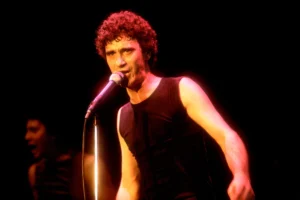
Since the early 2000s, Khaled Mouzanar has cemented his reputation as a preeminent figure in the Lebanese art scene, particularly renowned for his innovative musical compositions. Following the release of his debut album, "Les Champs arides" (2007), he composed the evocative soundtrack for Nadine Labaki’s widely successful film "Caramel" (2007). He continued this fruitful collaboration by scoring Labaki’s film "Where Do We Go Now?," which was presented in the Un Certain Regard section at the Festival de Cannes in 2011. Their most significant international collaboration came with "Capharnaüm" (2018), a film for which Mouzanar served as co-writer, producer, and composer. "Capharnaüm," a winner of the Jury Prize at Cannes, achieved global recognition, earning nominations for César Awards, Golden Globes, and Academy Awards. Beyond his classical compositions, Mouzanar is known for developing hybrid artistic projects, including "Le monde va à la guerre et moi j’en reviens," which was showcased at the Lyon Biennale of Contemporary Art. In 2025, he created "18:08 – When Gravity Was No More," an immersive installation that powerfully blended documentary and poetic abstraction as a tribute to the Port of Beirut in the aftermath of its devastating explosion. His deep engagement with cinematic sound and emotional resonance offers a unique perspective on film as an art form.
The Significance of Un Certain Regard
The Un Certain Regard section, established in 1978, serves as a vital platform at the Cannes Film Festival for films that deviate from traditional narrative structures and embrace bold artistic visions. Unlike the main competition, which often features established auteurs, Un Certain Regard is dedicated to showcasing emerging talent and films that challenge conventional cinematic boundaries. The selection typically comprises around 20 films, chosen for their originality, daring themes, and the fresh perspectives they offer. These films often represent the avant-garde of contemporary cinema, providing a glimpse into the future of filmmaking and a space for cinematic experimentation.
The festival’s commitment to this section is underscored by its consistent ability to launch the careers of emerging directors and bring their work to international attention. Past winners and selections from Un Certain Regard have gone on to achieve significant critical and commercial success, solidifying its reputation as a launchpad for cinematic innovation. The jury’s role is therefore not only to award prizes but also to identify and celebrate films that push the envelope and contribute to the ongoing evolution of cinematic language.
A Tradition of Discovery: Cannes and Un Certain Regard
The Festival de Cannes, held annually in the French Riviera, is one of the world’s oldest and most prestigious film festivals. Founded in 1946, it has long been a crucible for cinematic excellence, attracting filmmakers, industry professionals, and cinephiles from across the globe. The festival serves as a crucial marketplace for film distribution, a platform for artistic debate, and a celebration of the art form in its myriad expressions.
The Un Certain Regard section, in particular, has played a pivotal role in the festival’s mission to foster new talent. Over the years, it has introduced audiences to groundbreaking works from directors who have since become household names in the international film community. The section’s emphasis on "new discoveries" and "young, auteur-driven cinema" ensures that it remains a vibrant and essential component of the Cannes experience, consistently offering a window into the most exciting and innovative trends in global filmmaking. The jury’s composition, with its diverse international representation, further reinforces the section’s global reach and its dedication to celebrating cinematic diversity.
Looking Ahead: The 2026 Festival de Cannes
The 79th edition of the Festival de Cannes is scheduled to run from May 12th to May 23rd, 2026. This period will see the cinematic world converge on the Côte d’Azur, with premieres, industry events, and critical discussions shaping the discourse around contemporary cinema. The selection of films for Un Certain Regard, and the subsequent deliberation by Bekhti’s jury, will undoubtedly be a focal point for many attending the festival. The anticipation for the films that will comprise this year’s Un Certain Regard lineup, and the subsequent announcement of the award winners, is already palpable within the industry.
The presence of Next Best Picture representatives Cody Dericks, Nadia Dalimonte, and the author of this article at the festival further highlights the global interest and engagement with Cannes and its various programs. Their on-the-ground reporting will offer valuable insights into the films and the overall atmosphere of the 2026 festival. The announcement of Lïla Bekhti as Jury President, surrounded by such a distinguished panel, promises a compelling and insightful selection process for the Un Certain Regard section, reinforcing Cannes’ enduring commitment to discovering and celebrating the future of cinema.