

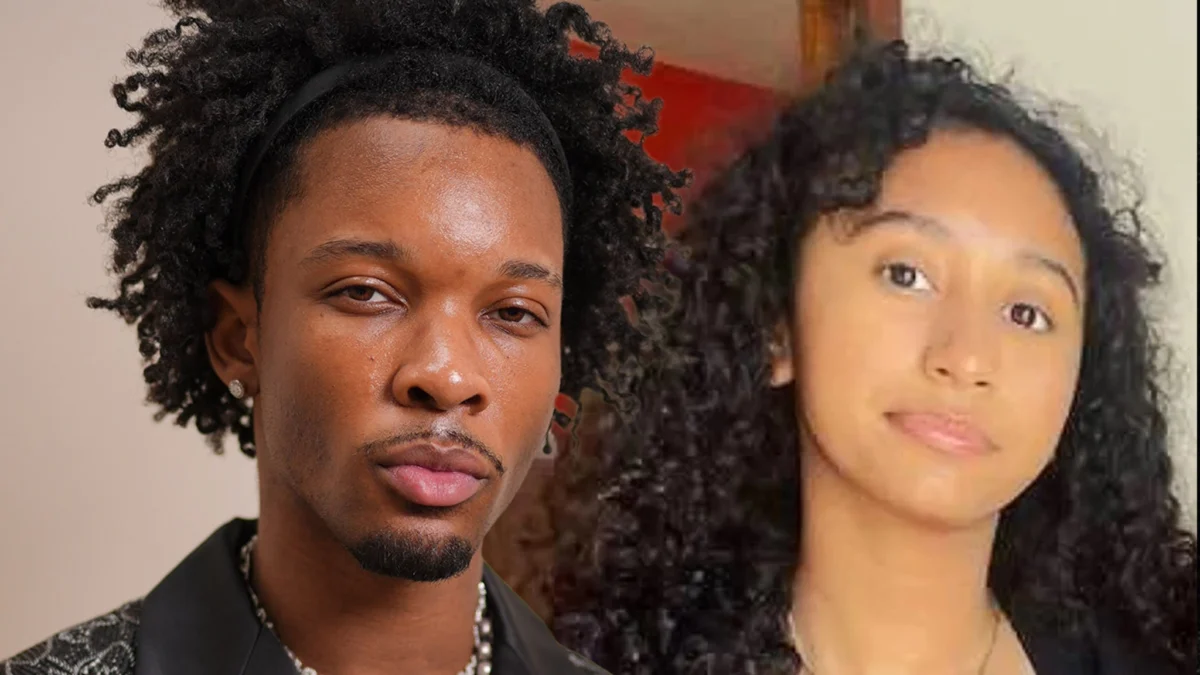
The family of Celeste Rivas, the 14-year-old whose decomposing body was discovered in the trunk of musician D4vd’s Tesla seven months ago, is preparing to issue a public statement through their attorney on Monday, April 20, 2026, contingent on whether Los Angeles County prosecutors file criminal charges against the artist. This potential statement marks the first time Celeste’s loved ones would address the public since D4vd, whose real name is David Burke, was arrested on Thursday, April 16, 2026, in Los Angeles. The impending Monday deadline is critical, as prosecutors must either formally charge Burke with a crime or release him from police custody.
Awaiting a Pivotal Decision from the District Attorney
The legal proceedings surrounding Celeste Rivas’s tragic death have reached a pivotal juncture. According to reports from ABC7, an attorney representing Celeste’s family has indicated that if the Los Angeles County District Attorney’s office decides to hold a press conference to announce charges, Celeste’s parents and sister will be present. Furthermore, the family lawyer confirmed that Celeste’s relatives intend to attend D4vd’s arraignment, which would likely take place next week, should criminal charges indeed be filed. This demonstrates the family’s unwavering commitment to seeking justice and maintaining a public presence throughout what is expected to be a complex legal battle. The anticipation surrounding Monday’s decision highlights the intense public and legal scrutiny surrounding this high-profile case, which involves a young victim and a prominent figure in the music industry.
The Discovery and Initial Investigation
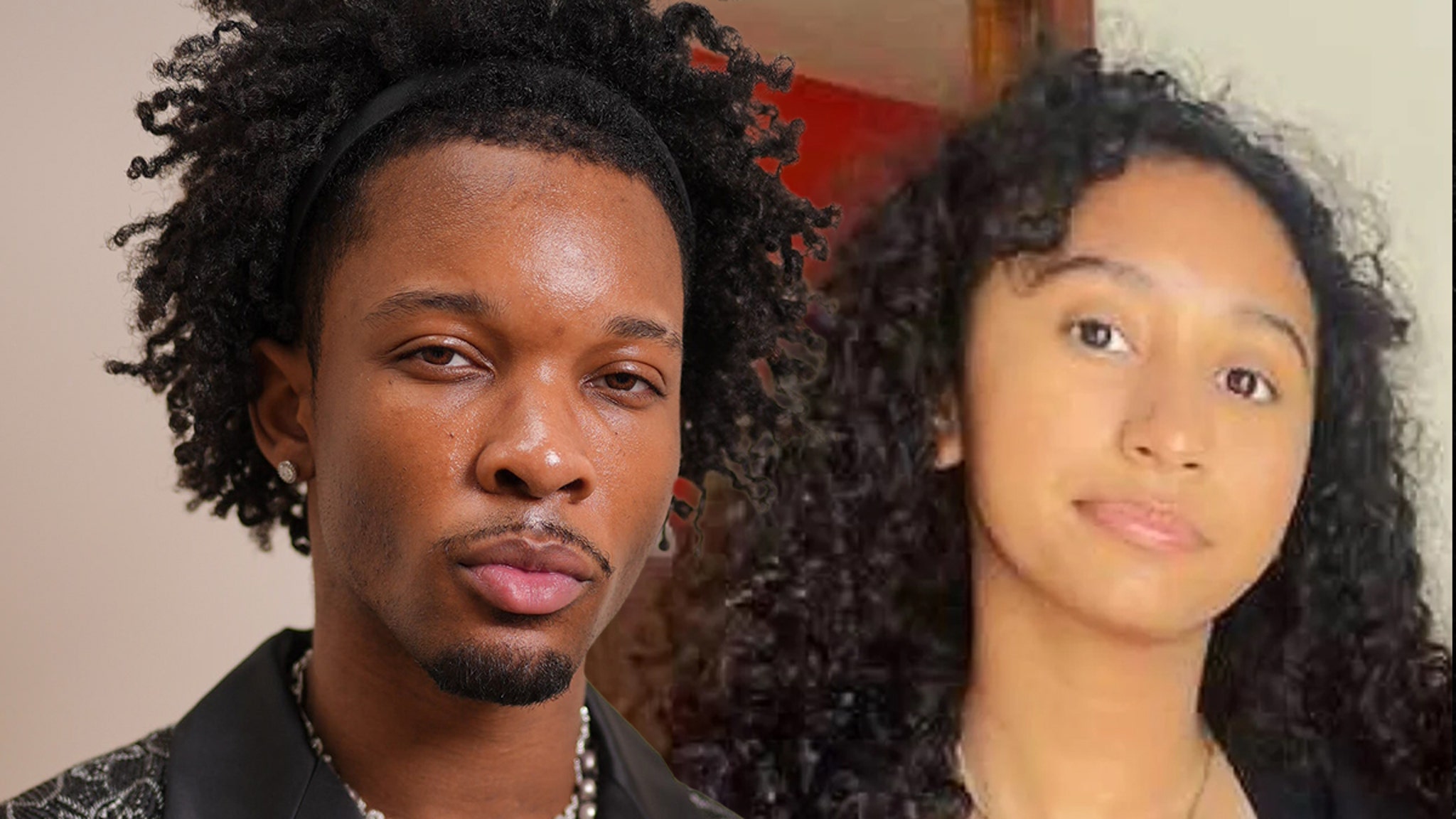
The grim discovery of Celeste Rivas’s body unfolded approximately seven months prior to D4vd’s arrest, placing the initial incident around September 2025. The 14-year-old’s remains were found in the trunk of David Burke’s Tesla, a detail that immediately drew significant attention to the musician. The finding initiated a comprehensive investigation by the Los Angeles Police Department (LAPD), which has since been working to piece together the circumstances leading to Celeste’s death and her presence in the vehicle. For months, the investigation progressed largely out of the public eye, with authorities carefully gathering forensic evidence and interviewing potential witnesses. The family, during this period, maintained a private vigil, grappling with their devastating loss while awaiting concrete developments from law enforcement. The silence from Celeste’s loved ones underscored the profound grief and the delicate nature of the ongoing investigation, which required discretion to ensure its integrity.
Homicide Ruling and the Path to Arrest
A significant breakthrough in the case came with the official ruling from the Los Angeles County Medical Examiner, which determined the manner of Celeste Rivas’s death to be homicide. This crucial declaration provided the necessary legal predicate for law enforcement to proceed with more definitive actions. A high-ranking LAPD source revealed that the police had been awaiting this official determination before making their move, suggesting that the medical examiner’s findings were integral to building a strong enough case for an arrest. The confirmation of homicide transformed the investigation from a missing person/suspicious death inquiry into a full-fledged murder investigation, significantly escalating the stakes for all parties involved.
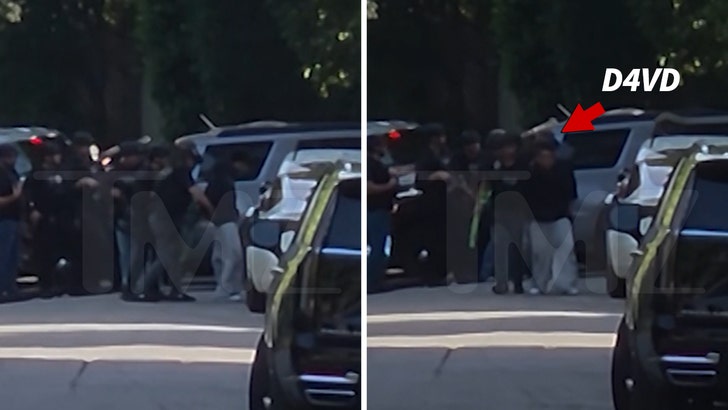
Following this ruling, LAPD detectives swiftly moved to apprehend D4vd. His arrest on Thursday, April 16, 2026, sent shockwaves through both the entertainment industry and the broader public. The seven-month interval between the discovery of Celeste’s body and Burke’s arrest suggests a meticulous and likely challenging investigative process, involving forensic analysis, evidence collection, and careful legal consultation. The timing also indicates that authorities felt they had accumulated sufficient evidence to justify an arrest, particularly in light of the homicide ruling.
The Legal Landscape: Arrest, Charges, and Due Process

Upon arrest, an individual is typically held for a limited period, during which prosecutors must decide whether to formally file charges. In California, this period is generally 48 to 72 hours, excluding weekends and holidays, which explains the Monday deadline for the Los Angeles County District Attorney’s office. This legal framework is designed to protect individual liberties, preventing indefinite detention without formal accusation. If the District Attorney decides to file charges, D4vd would then proceed to an arraignment, where he would be formally read the charges against him and asked to enter a plea. Bail would also be addressed at this stage.
The defense, represented by D4vd’s attorneys, has already issued a forceful denial of guilt. In a statement to TMZ, they declared, "Let us be clear – the actual evidence in this case will show that David Burke did not murder Celeste Rivas Hernandez and he was not the cause of her death." This unequivocal stance sets the stage for what is likely to be a highly contentious legal battle, with the defense preparing to challenge the prosecution’s evidence and narrative vigorously. Such a statement is standard practice for defense counsel, asserting the presumption of innocence and signaling their intent to mount a robust defense.
Pressure on Prosecutors and Law Enforcement Dynamics
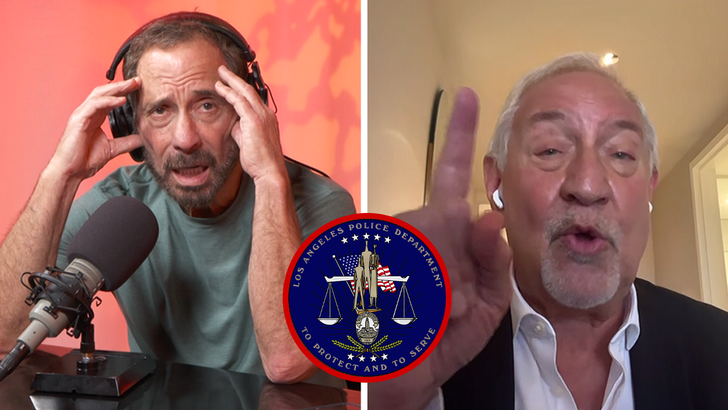
The public comments by prominent attorney Mark Geragos on the "2 Angry Men" podcast added another layer of intrigue to the case, suggesting a perceived tension between law enforcement and the prosecuting agency. Geragos claimed that LAPD "took the law into their own hands" because they were "tired of waiting for the D.A. to file charges." While the specifics of this alleged internal dynamic remain unconfirmed by official sources, such sentiments often emerge in complex, high-profile cases where investigative bodies and prosecuting offices may have different thresholds for what constitutes sufficient evidence to proceed with an arrest or charges. Law enforcement agencies typically prioritize making an arrest when they believe they have probable cause, while prosecutors must be confident they have enough evidence to secure a conviction beyond a reasonable doubt. This can sometimes lead to perceived delays or disagreements over strategy.
The LAPD source’s confirmation that police were waiting for the medical examiner’s homicide ruling underscores the methodical approach taken by investigators. It also indirectly counters any notion of arbitrary action, suggesting that the arrest was made based on a critical legal determination rather than impatience. The interplay between these entities – the police, the medical examiner, and the District Attorney – is a cornerstone of the criminal justice system, each playing a distinct yet interconnected role in bringing cases to trial.
Celeste Rivas: A Life Cut Short
Celeste Rivas was just 14 years old when her life was tragically cut short. While the initial news focused on the shocking discovery and the identity of the alleged perpetrator, it is imperative to remember the victim at the heart of this case. Celeste was a young individual with a future ahead of her, a daughter and sister whose absence has left an irreparable void in her family’s lives. The family’s decision to potentially speak publicly on Monday is not merely a reaction to legal developments but also a profound expression of their grief and their determination to ensure Celeste’s story is heard and that justice is served. In cases involving minors, the focus often shifts to protecting the victim’s memory and ensuring their legacy is not overshadowed by the criminal aspects of the case.
The long wait for an arrest and a potential charging decision has undoubtedly been agonizing for Celeste’s family. Their planned public appearance and attendance at future court proceedings highlight their commitment to seeing the legal process through, serving as advocates for their lost loved one. This visible presence can also galvanize public support and maintain pressure on the legal system to handle the case with utmost diligence and fairness.
Broader Implications and Public Scrutiny
The case of Celeste Rivas and D4vd resonates beyond the immediate legal proceedings, touching upon broader societal issues. The involvement of a figure from the music industry, particularly one with a public following, automatically elevates the case’s profile, attracting intense media coverage and public discussion. This increased scrutiny places additional pressure on both the prosecution and the defense to ensure transparency and adherence to due process.
The incident also serves as a stark reminder of the vulnerability of young people and the devastating impact of violent crime. The fact that Celeste was only 14 years old amplifies the tragedy and evokes widespread sympathy and calls for accountability. As the legal process unfolds, it will test the capacity of the justice system to navigate complex evidence, high-profile personalities, and profound emotional stakes. The outcome of Monday’s decision by the District Attorney will set the trajectory for what promises to be one of the most closely watched legal cases in Los Angeles, with significant implications for all involved parties and a community awaiting answers and justice. The ongoing nature of the investigation means that even if D4vd is released on Monday without charges, the inquiry into Celeste Rivas’s death will undoubtedly continue, as authorities rarely abandon homicide investigations. However, a decision not to charge would certainly alter the immediate legal landscape for David Burke.