Warner Bros. Discovery (WBD) announced on Tuesday that it has officially reopened deal negotiations with Paramount Skydance (PSKY) following a strategic seven-day waiver granted by Netflix, the company’s current primary merger partner. This unexpected development marks a critical turning point in a high-stakes corporate battle for control of one of Hollywood’s most storied media empires. Under the terms of the waiver, Warner Bros. Discovery has until February 23, 2026, to engage in discussions with the Paramount Skydance consortium to seek clarity on outstanding "deficiencies" in their rival bid and to provide Paramount the opportunity to present its "best and final offer" to WBD stockholders.
The move comes as the media industry watches a complex three-way struggle for consolidation. Warner Bros. Discovery, led by CEO David Zaslav, had previously entered into a definitive merger agreement with Netflix for its streaming and studio business—a deal that would effectively reshape the global entertainment landscape. However, Paramount Skydance, backed by David Ellison and a consortium of international investors, launched a hostile tender offer directly to WBD shareholders at $30 per share after its initial attempts to outbid Netflix were rebuffed by the WBD board.
The Strategic Seven-Day Window
The limited waiver provided by Netflix is a tactical maneuver designed to resolve what Netflix executives described as "confusion" in the marketplace. While Netflix maintains its position as the preferred suitor, the waiver allows WBD’s board to fulfill its fiduciary duties by exploring whether the Paramount Skydance offer can be transformed into a superior, binding proposal.
"Netflix has provided WBD a limited waiver under the terms of WBD’s merger agreement with Netflix, permitting WBD to engage in discussions with Paramount Skydance for a seven-day period," Warner Bros. Discovery stated in an official release. The company clarified that the primary objective of this window is to address "unresolved deficiencies" in the PSKY proposal. These deficiencies are believed to center on closing certainty, regulatory risk, and the specifics of the financing structure.
Despite the reopening of talks, the Warner Bros. Discovery board continues to unanimously recommend the Netflix merger to its shareholders. The company has scheduled a special meeting of stockholders for March 20, 2026, where the fate of the Netflix transaction will be decided.
A Tale of Two Bids: Valuation and Structure
The competing offers for Warner Bros. Discovery present two fundamentally different visions for the company’s future. The Netflix offer, currently valued at approximately $27.75 per share in an all-cash transaction, focuses on the acquisition of WBD’s premium content assets, including the Warner Bros. Film and TV studios and the Max streaming platform. This deal would essentially integrate WBD’s massive library into the Netflix ecosystem, creating an undisputed leader in the global streaming wars.

In contrast, Paramount Skydance’s hostile bid is broader in scope and higher in nominal price. PSKY has offered $30 per share in cash for the entirety of Warner Bros. Discovery. During the lead-up to the waiver announcement, a senior Paramount representative reportedly informed a WBD board member that the consortium was prepared to increase the offer to $31 per share if formal negotiations were reopened.
David Zaslav, CEO of Warner Bros. Discovery, emphasized that the board’s priority remains maximizing value. "Every step of the way, we have provided PSKY with clear direction on the deficiencies in their offers and opportunities to address them," Zaslav said. "We are engaging with PSKY now to determine whether they can deliver an actionable, binding proposal that provides superior value and certainty."
Chronology of a Media Mega-Merger Battle
The current impasse is the result of a multi-month escalation in the M&A market:
- December 5, 2025: Warner Bros. Discovery and Netflix announce a definitive agreement for Netflix to acquire WBD’s studio and streaming assets. The announcement sends shockwaves through the industry, signaling a massive consolidation of content.
- December 8, 2025: Paramount Skydance, having lost the initial private bidding war, bypasses the WBD board and launches a hostile tender offer directly to shareholders at $30 per share.
- January 20, 2026: Netflix provides further details on its all-cash offer of $27.75, emphasizing the speed of regulatory approval and the lack of foreign investment complications.
- February 10, 2026: Paramount Skydance "sweetens" its offer with additional "enhancements" regarding governance and employee retention but stops short of raising the $30 per share price.
- February 17, 2026: Netflix grants WBD a seven-day waiver to seek a "best and final" offer from PSKY. WBD announces the March 20 shareholder meeting date.
Netflix’s Defensive Posture and Matching Rights
Netflix’s decision to grant the waiver is viewed by analysts as a display of confidence rather than a sign of retreat. By allowing WBD to talk to Paramount Skydance, Netflix aims to force the consortium to "put its cards on the table," potentially exposing flaws in the rival bid that could sway undecided shareholders.
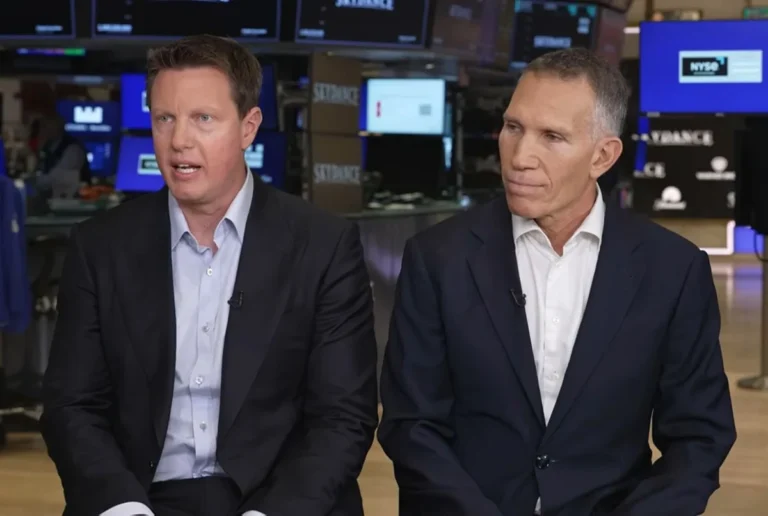
Netflix co-CEO Ted Sarandos addressed the situation on Tuesday, criticizing Paramount’s tactics. "Paramount had been making a ton of noise, flooding the zone with confusion for shareholders," Sarandos said. He noted that the waiver was intended to provide "complete clarity and certainty" to WBD investors.
Crucially, Netflix retains its "matching rights" under the original merger agreement. If Paramount Skydance delivers a proposal that the WBD board deems "superior," Netflix has the contractual right to match the terms of that offer to maintain its position. When asked how high Netflix was willing to go to counter a $31 per share bid, Sarandos declined to speculate, stating, "Let them make a move, and then we’ll see where the next step takes us."
The Regulatory Minefield: Antitrust vs. National Security
Regardless of which bidder prevails, the acquisition of Warner Bros. Discovery faces a grueling regulatory path. The two proposals offer different sets of legal and political challenges.

The Netflix-WBD merger raises significant antitrust concerns. Critics argue that combining the world’s largest streaming service with a major Hollywood studio and a secondary streaming giant (Max) would lead to a monopoly-like concentration of power. This could potentially result in higher subscription prices for consumers and reduced bargaining power for creators. Netflix has countered these concerns by arguing that the merger would preserve jobs in a volatile media economy and ensure the survival of legacy content in the digital age.
The Paramount Skydance bid faces a different hurdle: foreign investment and national security. The PSKY deal is partially financed by sovereign wealth funds from Saudi Arabia, Abu Dhabi, and Qatar. While Paramount asserts that these entities would be purely passive investors with no governance rights, the deal is expected to undergo intense scrutiny by the Committee on Foreign Investment in the United States (CFIUS).
Netflix has been vocal in pointing out these risks. In a statement released Tuesday, Netflix suggested that European regulators would also be skeptical of Middle Eastern involvement in the PSKY consortium. "PSKY does not have a faster regulatory path," Sarandos told CNBC. "I don’t know why the Ellisons would insinuate they have some inside track… but I can assure you they don’t."
Market Reaction and Shareholder Sentiment
The financial markets responded positively to the news of reopened talks. Shares of Warner Bros. Discovery rose nearly 3% on Tuesday, reflecting investor optimism that a bidding war could drive the final sale price higher. Paramount’s stock gained 5%, as the market weighed the possibility of the consortium finally securing a deal that has eluded them for months.
Institutional investors are now focused on the March 20 special meeting. The gap between the current Netflix offer ($27.75) and the potential Paramount offer ($31.00) is substantial, but shareholders must weigh that premium against the risk of the deal being blocked by regulators. A deal with Netflix is seen as having higher "closing certainty" despite the lower price, whereas the Paramount deal offers more cash but carries the risk of a years-long legal battle or a CFIUS veto.
Broader Implications for the Media Industry
The outcome of this battle will likely define the next decade of the entertainment industry. If Netflix succeeds, it transitions from being a tech-led distributor to a traditional-style studio powerhouse with a massive library of intellectual property, including the DC Universe, Harry Potter, and HBO. If Paramount Skydance wins, it creates a consolidated "New Paramount" that combines the assets of CBS, Paramount Pictures, and Warner Bros., creating a legacy media titan capable of competing with Disney.
As the February 23 deadline approaches, the pressure is on Paramount Skydance to deliver a "binding and actionable" proposal that addresses the WBD board’s concerns. For now, the industry remains in a state of suspense, waiting to see if the seven-day waiver will lead to a definitive conclusion or merely the next chapter in an increasingly contentious corporate saga.