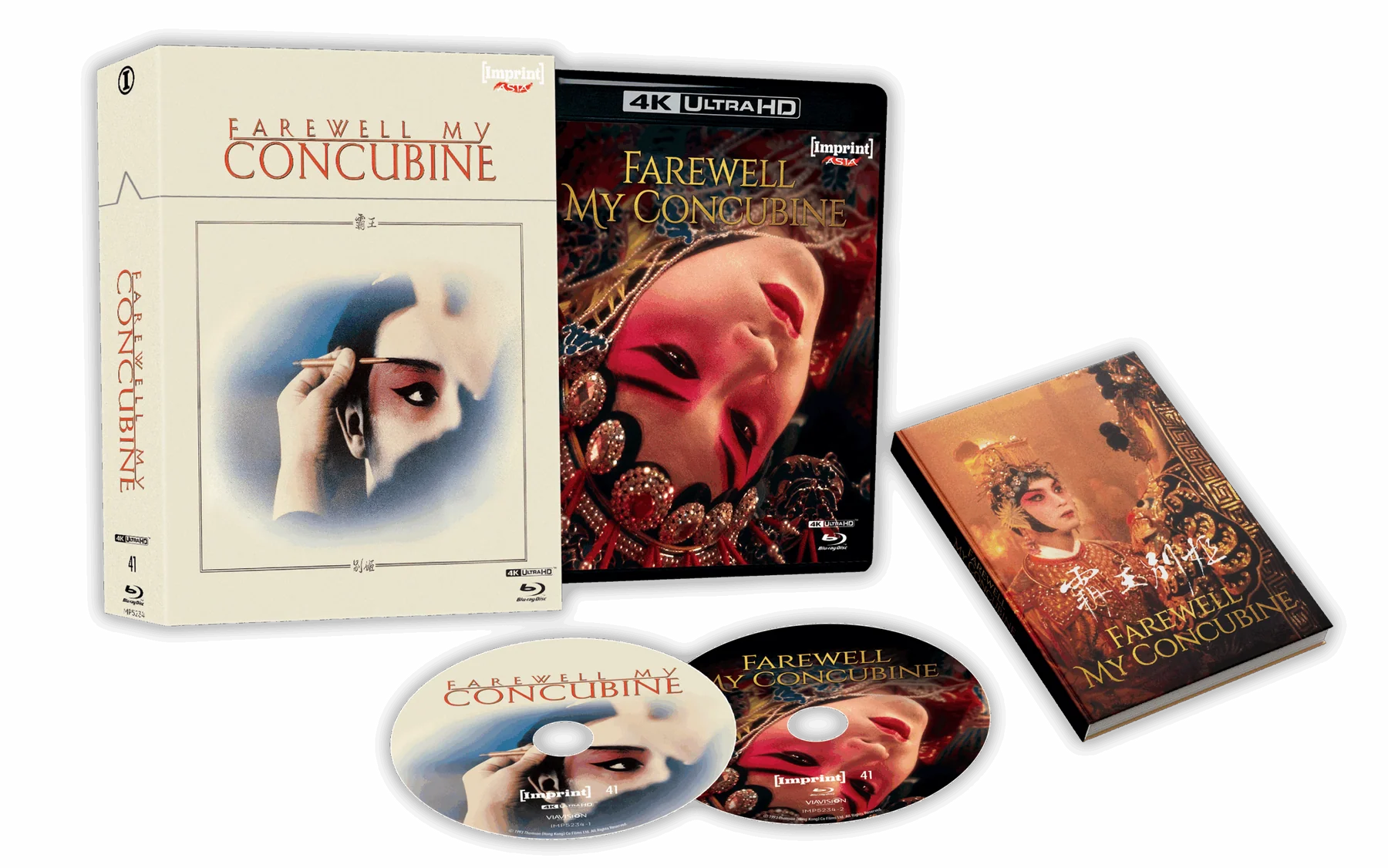
Farewell My Concubine stands as a monumental achievement in cinematic history, a film whose profound artistic merit is inextricably linked to its significant historical value. Directed by Chen Kaige, a leading figure of China’s seminal Fifth Generation of filmmakers, this epic drama was instrumental in bringing Chinese cinema to global prominence. Its enduring legacy is further cemented by its unique status as the sole Chinese-language film to have garnered the prestigious Palme d’Or at the Cannes Film Festival, and in 2005, it was overwhelmingly voted Hong Kong’s favorite Chinese-language film of the 20th century. This critical and popular acclaim underscores the film’s multifaceted importance, bridging cultural divides and resonating deeply with audiences across the world.
The narrative of Farewell My Concubine, adapted from Lilian Lee’s acclaimed novel, chronicles the intertwined lives of two protagonists, Douzi and Shitou, against the tumultuous backdrop of Chinese history spanning from 1924 to the end of the Cultural Revolution in 1977. Their personal journeys are intimately woven with the evolution of Peking Opera, serving as a microcosm for the broader societal and political transformations that reshaped China throughout this period. The film masterfully uses the art form of opera as a lens through which to examine the nation’s complex past, from its imperial roots to its revolutionary fervor and its subsequent struggles for identity.
A Traumatic Beginning and an Unlikely Bond
The story’s origins are steeped in hardship. Douzi’s early life is marked by abandonment and poverty; his mother, a prostitute, leaves him at an opera school in Beijing when he is too young to remain in the brothel. Under the tutelage of the severe Master Guan, the opera school is a place of brutal discipline and grueling training, particularly challenging for the sensitive and delicate Douzi. It is here that he finds an unlikely protector and friend in Shitou. Their initial bond, forged through shared suffering and the rigors of their artistic education, gradually deepens into an unbreakable connection that will define their lives. This early depiction of resilience in the face of adversity sets a somber yet compelling tone for the years that follow.
As Douzi and Shitou mature into celebrated opera performers, their relationship undergoes a profound transformation. Douzi, who adopts the stage name Cheng Dieyi, develops deep romantic feelings for Shitou, a love that remains tragically unrequited. This complex emotional dynamic is further tested by the arrival of Juxian, a shrewd and assertive former prostitute whom Shitou, now known as Duan Xiaolou, chooses to marry. Juxian’s presence introduces a volatile element into the protagonists’ lives, exacerbating the existing tensions and foreshadowing future conflicts. The film expertly portrays the intricate web of desire, loyalty, and betrayal that binds these three individuals, highlighting the personal costs of their intertwined destinies.
Cinematic Structure and Thematic Depth
Chen Kaige employs a structural approach that mirrors the very art form it celebrates. The narrative is meticulously organized into distinct acts, each corresponding to a pivotal era in Chinese history. This deliberate staging, reminiscent of Peking Opera’s own theatrical conventions, allows Kaige to explore a rich tapestry of themes. The film delves into the sociopolitical conditions that defined each epoch, examining the crucial role of patronage in the arts, and the often blurred lines between an actor’s on-stage persona and their lived reality. Friendship, homosexuality, addiction, and the pervasive nature of discrimination are all brought to the fore, imbuing the film with layers of meaning and historical context.
The film’s engagement with communism, and particularly the Cultural Revolution, is unflinching. The era saw Peking Opera, a symbol of traditional Chinese culture, denounced as feudalistic and bourgeois. It was systematically replaced by a new operatic form focused on propaganda and ideological indoctrination. While some of these drastic changes were later reversed, the art form never fully regained its former glory, its popularity experiencing a steady decline. This trajectory is powerfully mirrored in the fates of the film’s characters, whose personal downfalls coincide with and are profoundly shaped by this period of immense upheaval. The destruction of artistic traditions and the suppression of individual expression during the Cultural Revolution serve as a stark backdrop to the personal tragedies unfolding on screen.
A Masterclass in Pacing and Realism
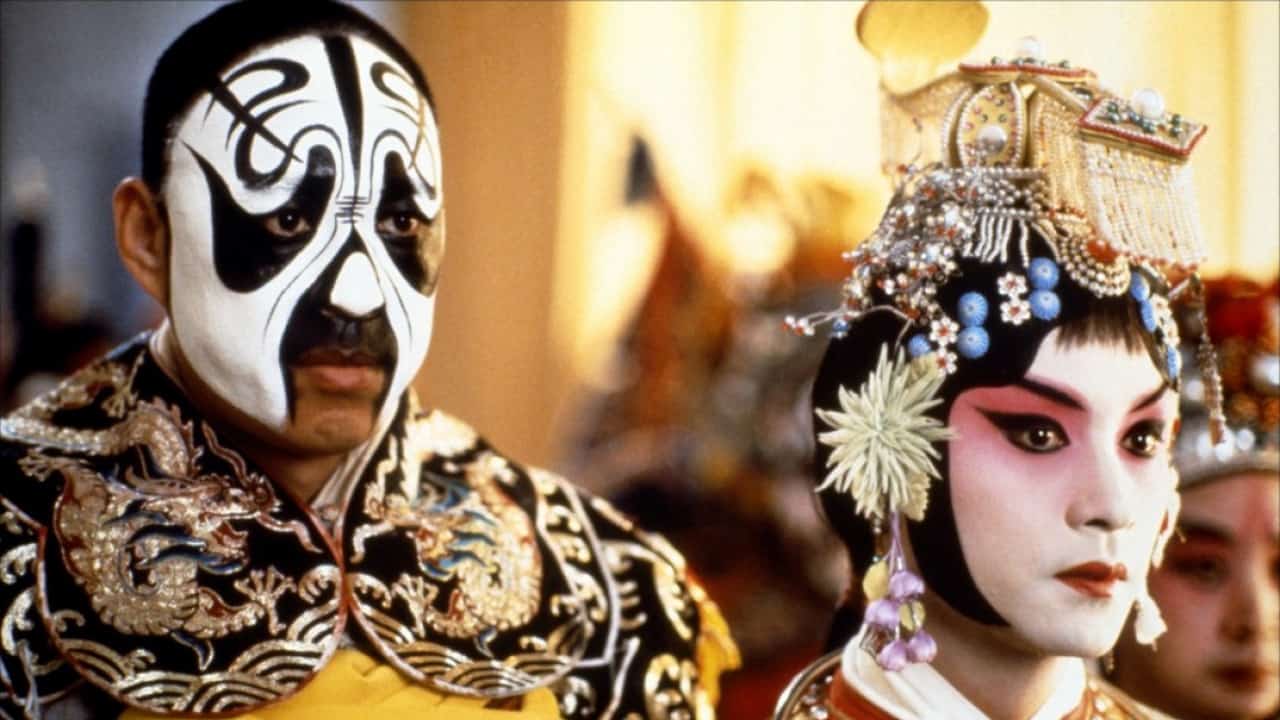
One of the most striking aspects of Chen Kaige’s direction is the film’s masterful pacing. Despite its substantial runtime of nearly three hours, the narrative moves with a compelling urgency, ensuring that every detail, no matter how small, is both meticulously depicted and thoroughly explored. Kaige skillfully avoids the protracted pacing that can sometimes characterize similar Chinese productions, instead crafting an engaging and immersive cinematic spectacle. This remarkable feat is also a testament to the skill of editor Pei Xiaonan, whose precise work maintains narrative coherence through numerous shifts in time and circumstance, ensuring the film never feels sluggish or disjointed.
The film’s commitment to realism is equally impressive. Each historical period is rendered with a remarkable degree of authenticity, from the harsh, unforgiving conditions of the opera school to the opulent and elaborate stage performances. The distinctive singing, intricate choreography, vibrant costumes, and dramatic makeup all contribute to a vivid and believable portrayal of the world of Peking Opera. Furthermore, the film captures the sweeping sociopolitical transformations brought about by communism with a palpable sense of lived experience. The technical departments, including cinematography, sound design, costume design, and makeup artistry, all play a crucial role in creating this deeply immersive quality, transporting the audience directly into the heart of each era.
Exceptional Performances Illuminate the Narrative
The film’s emotional core is powerfully conveyed through its exceptional cast. Leslie Cheung delivers a tour-de-force performance as Cheng Dieyi. His portrayal of a character whose identity is shaped from a young age by playing female roles, both on and off stage, is nuanced and deeply affecting. Cheung masterfully embodies the performer’s gradual detachment from reality, channeling traits associated with the femme fatale archetype—vanity, vulnerability, and a simmering resentment—with remarkable skill. His reactions to Shitou’s relationship with Juxian, in particular, are charged with an intense emotional vulnerability, cementing this as one of the most iconic roles of his illustrious career.
Gong Li shines as Juxian, a character of formidable strength and complex motivations. Li navigates Juxian’s transformation with remarkable dexterity, seamlessly shifting between elegant composure and unwavering resilience. Whether exuding calculated cunning in her finely tailored mandarin dresses or adopting a more subdued demeanor amidst changing political tides, she imbues Juxian with a compelling depth, portraying a woman caught between the primal drive for survival and the pursuit of personal desire. Her adversarial dynamic with Cheng Dieyi over Duan Xiaolou’s affections provides some of the narrative’s most electrifying and engaging moments.
Zhang Fengyi provides a strong performance as Duan Xiaolou, effectively capturing the internal conflict of a man torn between his enduring loyalty to his childhood friend and his commitment to his wife. His portrayal conveys a growing sense of frustration and temper, exacerbated by the mounting external pressures of a rapidly changing society.
The ensemble cast, including the young actors who portray the protagonists in their formative years, contributes significantly to the film’s overall impact. Ma Mingwei, as the young Douzi, is particularly memorable in a scene of shocking brutality: his mother severs an extra finger to ensure his acceptance into the opera school, a harrowing moment that foreshadows the profound hardships and sacrifices that will define his life.
A Lasting Legacy and Enduring Significance
Farewell My Concubine is more than just a film; it is a sweeping historical epic, a profound character study, and a poignant exploration of art, love, and identity against the backdrop of a nation in flux. Its enduring appeal lies in its ability to connect universal human emotions with the specific historical context of 20th-century China. The film’s critical acclaim, its Palme d’Or win, and its continued recognition as a cinematic masterpiece underscore its lasting significance. It remains an essential viewing experience for anyone seeking to understand the intersection of personal destiny and historical forces, and a testament to the power of cinema to illuminate the human condition. The film’s intricate narrative, coupled with its breathtaking visuals and powerful performances, ensures its place among the definitive masterpieces of world cinema, a work that continues to resonate with audiences and critics alike decades after its initial release. The film’s complex portrayal of gender roles, sexual identity, and the devastating impact of political upheaval on individual lives offers a rich ground for ongoing academic and cultural discussion, further solidifying its importance as a seminal work of art.