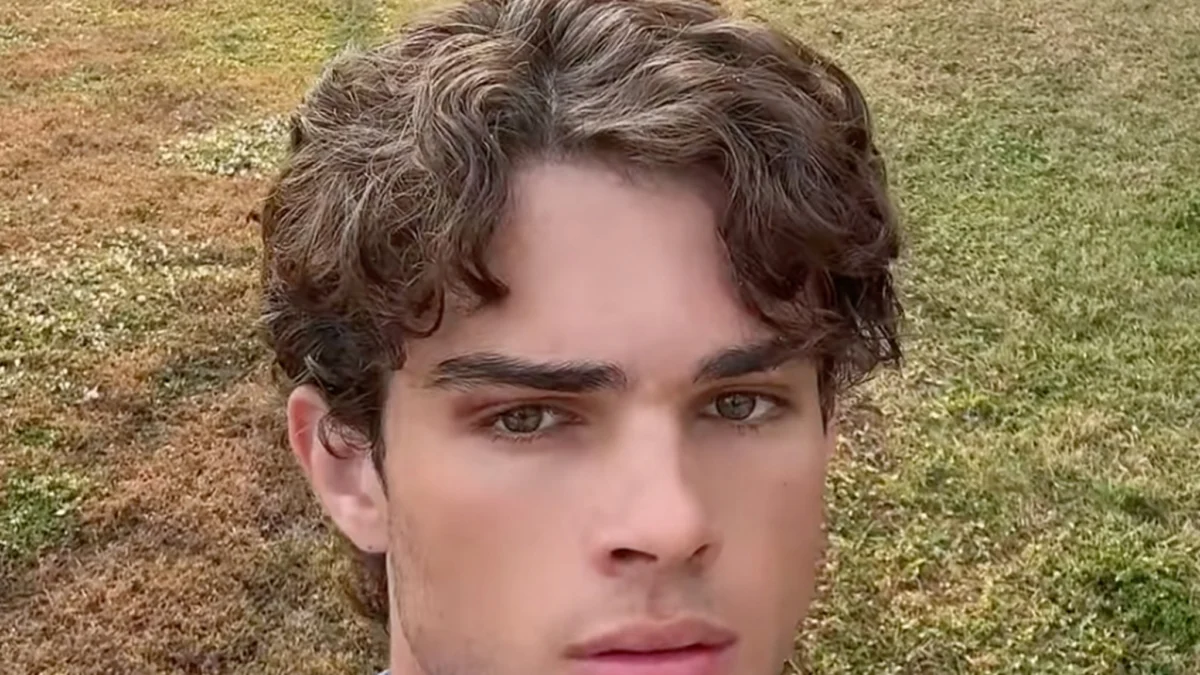
Prominent online streamer known as Clavicular was rushed to a Miami-Dade hospital on Tuesday evening, April 14, 2026, following a suspected overdose that occurred during a live broadcast. The incident unfolded as thousands of viewers watched, leading to an abrupt termination of the stream and immediate widespread concern across social media platforms. Emergency services were dispatched to the location where Clavicular and his companions were livestreaming, with official 911 dispatch audio confirming a report of a "20-year-old male overdose" at approximately 5:46 PM local time.
The alarming event quickly circulated online, with clips of the streamer’s deteriorating condition being shared extensively before platforms could intervene. Sources familiar with the situation, who requested anonymity due to the sensitive nature of the incident, indicated that Clavicular’s condition necessitated urgent medical intervention. As of the latest update at 7:44 PM PDT, his exact medical status remains unconfirmed, and no official statements have been released by his representatives or the hospital.
The Unfolding Incident: A Live Broadcast Interrupted
The evening began like many others for Clavicular, a streamer who has cultivated a significant following through his engaging and often unscripted "IRL" (In Real Life) content. On Tuesday, April 14, 2026, he was broadcasting live from a location in Miami-Dade, interacting with his audience and friends. However, as the broadcast progressed, viewers began to notice a concerning shift in his demeanor. Social media posts and captured clips from the stream depict Clavicular exhibiting signs of distress, including what appeared to be disorientation and unresponsiveness.
Eyewitness accounts from viewers watching the live feed described the streamer’s rapid decline. Initially, he was seen putting his hands behind his back and over his head, a gesture some interpreted as discomfort or confusion. Friends present with him on the stream were heard asking if he needed water, suggesting they too recognized something was amiss. The situation escalated quickly, culminating in the stream abruptly cutting off, leaving thousands of viewers in a state of alarm and uncertainty regarding his well-being. This sudden cessation of the broadcast fueled immediate speculation and frantic posts across platforms like Twitter, where "Clavicular" quickly became a trending topic.
Emergency Response and Official Confirmation
In the aftermath of the stream’s abrupt end, official details began to emerge, corroborating the severity of the situation. TMZ obtained the 911 dispatch audio from the incident, which painted a clearer picture of the emergency response. The recording distinctly features a Miami-Dade EMS dispatcher calling in a "20-year-old male overdose" around 5:46 PM local time. This timestamp aligns closely with the period when Clavicular’s stream abruptly ceased, suggesting a direct link between the live event and the emergency call.
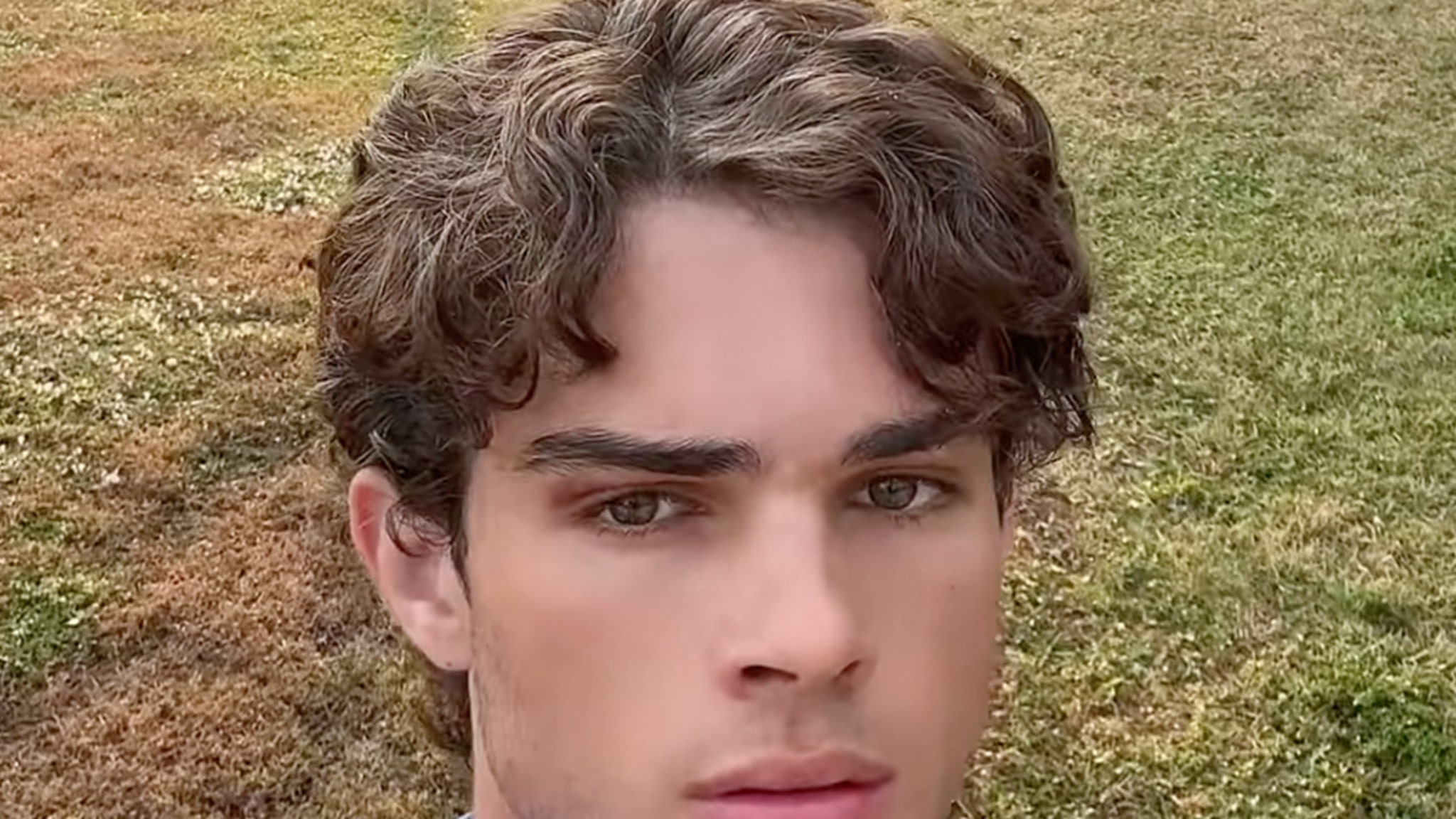
Emergency medical personnel swiftly responded to the reported location. While specific details of the on-scene intervention are not publicly available, the confirmed dispatch for an overdose underscores the critical nature of the situation Clavicular was facing. His subsequent hospitalization indicates that medical professionals deemed his condition serious enough to warrant immediate and ongoing care. The prompt response by EMS is often crucial in overdose cases, where minutes can significantly impact the outcome.
The Pressures of Livestreaming and Content Creation
Clavicular’s incident casts a stark light on the often-unseen pressures and vulnerabilities faced by online content creators, particularly those engaged in "IRL" streaming. This genre, characterized by unscripted, real-time broadcasts of daily life, blurs the lines between public performance and private existence. Streamers like Clavicular often feel compelled to constantly engage their audience, maintain high energy, and push boundaries to sustain viewership and growth. This relentless demand for content can lead to significant stress, mental health challenges, and, in some cases, unhealthy coping mechanisms.
The competitive landscape of platforms such as Kick, Twitch, and YouTube creates an environment where creators are under immense pressure to deliver engaging, often sensational, content. The immediacy of live streaming means that every action, every decision, and every interaction is scrutinized by thousands, if not millions, of viewers. This constant surveillance, combined with the financial incentives tied to viewership and subscriptions, can foster an environment where personal well-being may be compromised in pursuit of online success. Mental health experts frequently highlight the psychological toll of this lifestyle, noting increased risks of anxiety, depression, and burnout among streamers. The boundaries between a streamer’s personal life and their online persona often dissolve, leaving them exposed and vulnerable.
Broader Implications for Streaming Platforms and Creator Safety
This incident inevitably raises questions about the responsibility of streaming platforms and the efficacy of their content moderation policies. While platforms like Kick have guidelines against harmful content, including drug use, the real-time nature of live streaming makes enforcement challenging. The delay between an incident occurring live and platform moderators being able to intervene can be critical. This event highlights the need for more robust, proactive measures, potentially including AI-driven detection systems or more rapid human intervention protocols for emergent situations.
The case of Clavicular could serve as a catalyst for discussions within the streaming industry regarding creator welfare and the promotion of safer online environments. Platforms might need to explore enhanced support systems for streamers, including mental health resources and clear protocols for handling emergencies that unfold during live broadcasts. Furthermore, it prompts a broader conversation about the role of viewers in encouraging or discouraging risky behaviors, and the potential for a collective responsibility in fostering a healthier streaming culture.
The Shadow of Substance Use in Digital Culture
Overdoses, particularly among young adults, remain a pressing public health crisis. According to data from the Centers for Disease Control and Prevention (CDC), drug overdose deaths have continued to rise, with fentanyl and other synthetic opioids being major contributors. The age demographic of 18-34 years old is particularly vulnerable. While the specific substance involved in Clavicular’s suspected overdose has not been confirmed, his age of 20 places him squarely within this high-risk group.
The intersection of substance use with online culture presents unique challenges. The anonymity and perceived detachment of the internet can sometimes lower inhibitions, and the quest for viral moments or increased engagement can lead individuals to partake in risky behaviors, sometimes under the influence. The public nature of Clavicular’s incident, witnessed by thousands, serves as a stark reminder of the dangers associated with substance use, especially when combined with the pressures of public performance. It underscores the importance of public awareness campaigns and accessible resources for addiction and mental health support.
Community Reaction and Calls for Support
Following the incident, the online community reacted with a mixture of shock, concern, and calls for support. Many viewers expressed genuine worry for Clavicular’s health, urging others to avoid spreading speculative or insensitive comments. Hashtags promoting prayers and well-wishes for the streamer quickly gained traction. This outpouring of concern highlights the strong parasocial relationships that viewers often develop with their favorite creators, viewing them as more than just entertainers.
However, the incident also sparked debates about the role of viewers and the potential for enabling risky behavior. Some argued that the constant pressure for "content" from audiences can inadvertently push streamers towards more extreme or dangerous actions. This duality in viewer reaction—support mixed with critical reflection—is characteristic of how online communities grapple with the complex realities of content creation.
Looking Ahead: Recovery and Reflection
As Clavicular remains hospitalized, the immediate focus is on his recovery. Medical professionals will be working to stabilize his condition and address any complications arising from the suspected overdose. Recovery from such an event can be a long and challenging process, often requiring not only physical healing but also significant mental health support.
The incident is likely to prompt a period of reflection for Clavicular, his team, and the wider streaming community. It may lead to a reevaluation of personal boundaries, content strategies, and the overall approach to creator well-being within the industry. While details remain limited and an official statement is still pending, this event serves as a sobering reminder of the serious consequences that can arise from the intense pressures and inherent risks within the dynamic world of online live streaming. The situation remains developing, with further updates anticipated as Clavicular’s condition becomes clearer and official information is released.