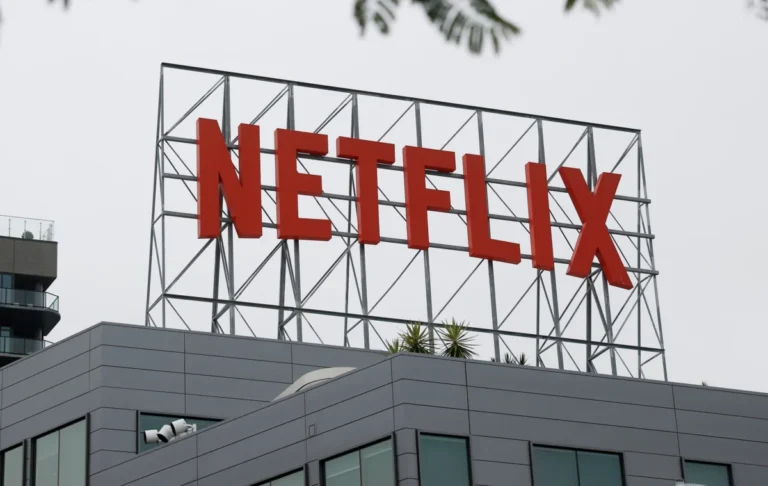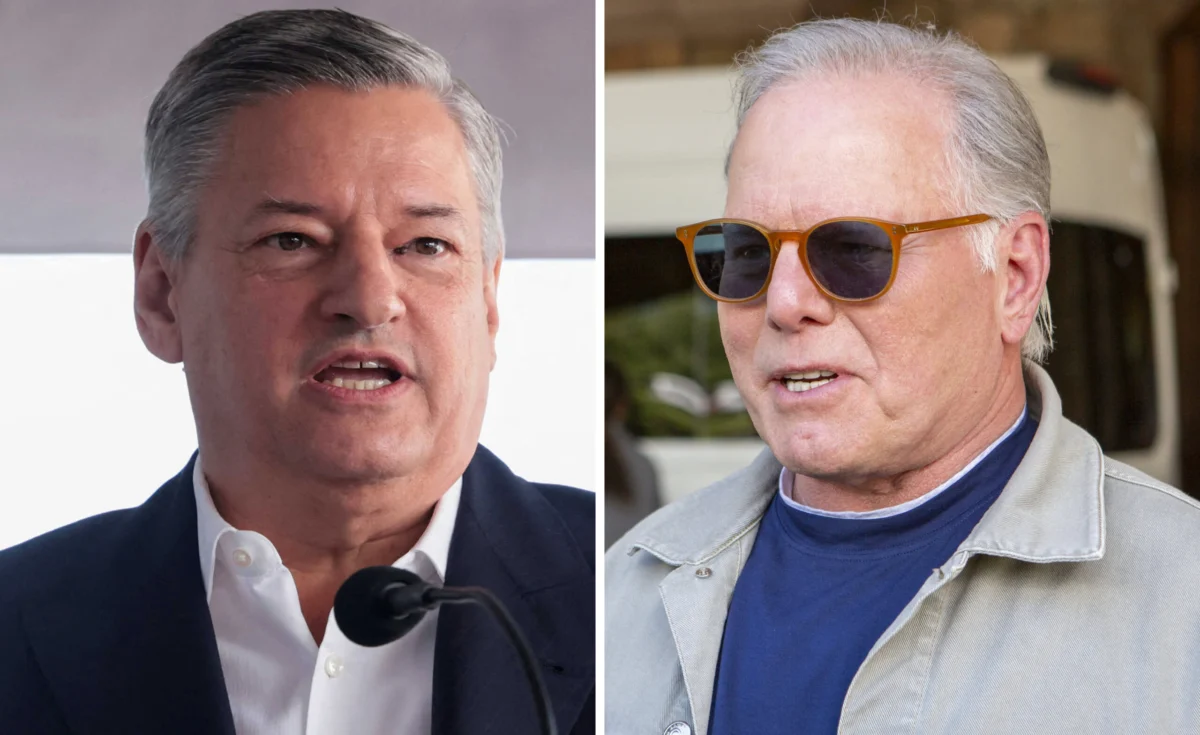
The landscape of American media shifted fundamentally on Thursday as Netflix officially withdrew from its pursuit of Warner Bros. Discovery’s (WBD) premier studio and streaming assets. The decision follows a determination by the Warner Bros. Discovery board of directors that a revised, all-cash offer from Paramount Skydance represented a "superior proposal." This pivot marks the conclusion of a high-stakes bidding war that has captivated Wall Street and Hollywood for months, signaling a massive consolidation of legacy media power under the Paramount Skydance banner.
The winning bid from Paramount Skydance values Warner Bros. Discovery at $31 per share in an all-cash transaction for the entirety of the company. This final offer unseated a competing proposal from Netflix, which had sought to acquire only WBD’s studio and streaming divisions—including the historic Warner Bros. Pictures and the Max streaming platform—for $27.75 per share. By opting for the Paramount Skydance deal, the WBD board has chosen a path that includes the sale of its entire portfolio, encompassing its challenged but still cash-generative linear cable networks such as CNN, TBS, and TNT.
The Final Gambit: Terms of the Paramount Skydance Victory
The resolution of this corporate saga came rapidly after Paramount Skydance amended its offer earlier this week. Previously, Paramount had floated bids in the $30 per share range, but the escalation to $31 per share—combined with significant contractual protections—proved too compelling for the WBD board to ignore.
A critical component of the Paramount Skydance victory was the inclusion of a $7 billion breakup fee. This massive financial guarantee is intended to protect WBD shareholders in the event that federal regulators, such as the Department of Justice (DOJ) or the Federal Trade Commission (FTC), block the merger on antitrust grounds. Furthermore, Paramount Skydance agreed to cover the $2.8 billion breakup fee that Warner Bros. Discovery would have owed Netflix for terminating their previous preliminary agreement.
In a statement released late Thursday, WBD CEO David Zaslav expressed optimism regarding the merger. "Once our Board votes to adopt the Paramount merger agreement, it will create tremendous value for our shareholders," Zaslav said. "We are excited about the potential of a combined Paramount Skydance and Warner Bros. Discovery and can’t wait to get started working together telling the stories that move the world." Zaslav also offered praise for Netflix executives, including co-CEOs Ted Sarandos and Greg Peters, characterizing them as "extraordinary partners" throughout the negotiation process.

Netflix’s Strategic Retreat: A Focus on Financial Discipline
For Netflix, the decision to walk away reflects a long-standing commitment to financial discipline over growth at any cost. While the acquisition of the Warner Bros. library—which includes iconic franchises like Harry Potter, DC Comics, and Game of Thrones—would have solidified Netflix’s content dominance, the price tag and the complexity of the deal eventually outweighed the benefits.
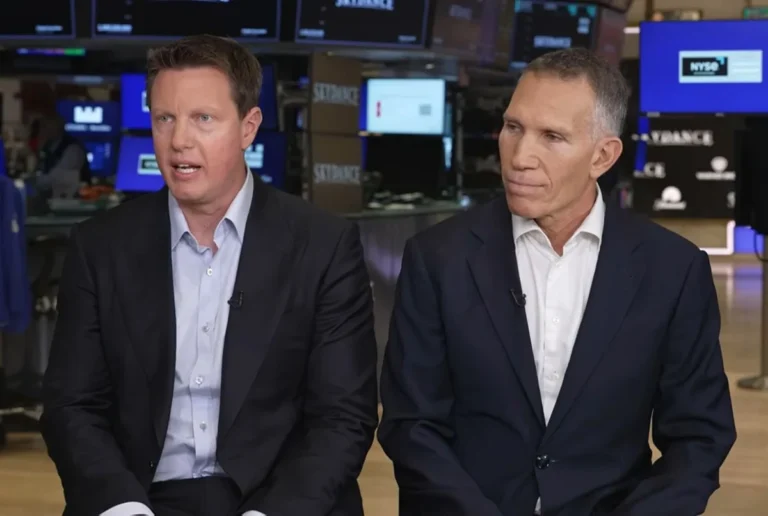
In a joint statement, Netflix co-CEOs Ted Sarandos and Greg Peters emphasized that while the deal was attractive, it was not essential for the company’s long-term health. "The transaction we negotiated would have created shareholder value with a clear path to regulatory approval," the statement read. "However, we’ve always been disciplined, and at the price required to match Paramount Skydance’s latest offer, the deal is no longer financially attractive, so we are declining to match the Paramount Skydance bid."
The executives further clarified that the acquisition was viewed as a "nice to have" at the right price, rather than a "must-have" at any price. This sentiment resonated with investors, as Netflix stock surged 10% in extended trading following the announcement. Analysts suggest that the market is relieved Netflix will not be taking on the operational complexities or the potential debt associated with a massive studio integration, choosing instead to focus on its existing content pipeline and growing advertising tier.
Chronology of a High-Stakes Media Battle
The path to Thursday’s announcement was characterized by hostile maneuvers and complex legal waivers. The timeline of the acquisition battle highlights the volatility of the current media environment:
- December 2025: Paramount Skydance launches a hostile bid to acquire Warner Bros. Discovery, bypassing the board to speak directly with major shareholders.
- January 2026: Netflix enters the fray, proposing a "carve-out" deal to buy only the studio and streaming assets, avoiding the declining linear television business.
- February 17, 2026: In a surprising move, Netflix grants WBD a seven-day waiver. This legal window allows WBD to re-engage in formal talks with Paramount Skydance to seek a higher offer, providing shareholders with what Ted Sarandos called "complete clarity and certainty."
- February 24, 2026: Paramount Skydance raises its bid to $31 per share, all cash, for the whole company.
- February 26, 2026: The WBD board declares the Paramount bid "superior." Netflix declines to exercise its four-day right to match the offer and officially withdraws.
During the final hours of the negotiations, Ted Sarandos was reportedly seen at the White House for meetings. While the specific nature of these discussions was not disclosed, industry insiders speculate they involved the regulatory climate surrounding media consolidation, which has become a focal point for the current administration.
Market Performance and Investor Sentiment
The financial markets reacted swiftly to the news of the deal’s conclusion. The 10% jump in Netflix shares suggests that shareholders feared the company might overpay or become "distracted" by the integration of a legacy studio. By walking away, Netflix maintains its fortress balance sheet.

Paramount stock also saw a boost, gaining 5%. Investors in Paramount Skydance appear to be betting on the "scale" argument—the idea that by combining Paramount’s assets with WBD’s massive library and news/sports reach, the new entity can finally compete on equal footing with Disney and Netflix.
Conversely, Warner Bros. Discovery shares fell 2%. While the $31 per share offer represents a premium over recent trading prices, the decline may reflect investor concerns regarding the long-term regulatory hurdles the Paramount merger faces, or disappointment that the "cleaner" Netflix deal—which would have shed the linear assets—did not come to fruition.
The Regulatory Landscape and the Seven-Billion-Dollar Guarantee
The most significant hurdle remaining for the Paramount Skydance and WBD merger is the federal government. The Biden administration’s regulatory bodies have been historically skeptical of large-scale media mergers, citing concerns over reduced competition and the impact on production jobs.
The $7 billion breakup fee is one of the largest in the history of the entertainment industry. It serves as a "confidence signal" from Paramount Skydance, suggesting they have received legal counsel indicating the deal can pass regulatory muster. Unlike the Netflix bid, which sought to separate the studio from the networks, the Paramount deal keeps the company whole. This may actually simplify some aspects of the merger from a corporate structure perspective, but it increases the total market share of the combined company in areas like sports broadcasting (combining CBS Sports with TNT/TBS Sports) and cable news (CNN).
The combined entity will control a massive portion of the American media landscape, including:
- Film Studios: Paramount Pictures and Warner Bros. Pictures.
- Streaming: Max and Paramount+.
- Broadcast: The CBS Television Network.
- Cable: CNN, TNT, TBS, MTV, Nickelodeon, and HGTV.
The Future of the Combined Paramount-Skydance-WBD Entity
As the dust settles on the bidding war, the focus shifts to how David Ellison’s Skydance and the existing Paramount leadership will integrate the sprawling WBD empire. David Zaslav has signaled his readiness to work with the new partners, but the cultural integration of these two legacy giants will be a monumental task.

The merger is expected to result in significant "synergies"—a corporate term often synonymous with layoffs and department consolidations. With two major film studios and two major streaming platforms under one roof, redundancies in marketing, distribution, and administrative functions are inevitable.
Furthermore, the future of Max and Paramount+ remains a primary question for consumers. Industry analysts expect the two services to eventually merge into a single "super-streamer," combining the prestige HBO content and Warner library with Paramount’s NFL rights, Star Trek franchise, and deep library of procedural dramas.
Broader Implications for the Global Entertainment Industry
The conclusion of this battle marks the end of the "independent" era for Warner Bros. Discovery, a company that has undergone multiple ownership changes in the last decade, from Time Warner to AT&T and finally to its merger with Discovery.
This deal reinforces the trend of "re-consolidation." After a decade of tech companies like Netflix and Apple disrupting the space, legacy players are finding that the only way to survive the high costs of the streaming wars is to achieve massive scale. By combining forces, Paramount and WBD hope to create an ecosystem that is "too big to fail" in the eyes of advertisers and cable providers.
For Netflix, the withdrawal confirms its status as the "pure-play" leader of the industry. By declining to buy WBD, Netflix has signaled that it does not believe it needs to own the "pipes" of linear television or even a century-old physical studio lot to maintain its lead. Netflix will continue to rely on its ability to produce original global hits and its sophisticated recommendation algorithms, leaving the complexities of traditional media mergers to its competitors.
As the legal teams for Paramount Skydance and Warner Bros. Discovery begin the arduous task of filing for regulatory approval, the rest of the industry will be watching closely. This merger doesn’t just change two companies; it redraws the map of the entire American entertainment business for the decades to come.