


The political landscape surrounding former Congressman Eric Swalwell has been rocked by a fresh wave of explosive allegations, as two women, Annika Albrecht and Ally Sammarco, publicly shared their accounts of alleged sexual misconduct during a bombshell interview with CBS News broadcast on Tuesday, April 14, 2026. Their testimonies, buttressed by photographic and textual "receipts," detail a rapid escalation from professional interactions to highly explicit digital communications, painting a stark picture of alleged abuse of power. These revelations come just days after Swalwell’s abrupt resignation from Capitol Hill on April 13, 2026, and his suspension of a nascent campaign for California Governor on April 12, 2026, both precipitated by an escalating series of sexual assault accusations.
A Congressman’s Downfall: The Mounting Allegations
Eric Swalwell, once a prominent figure within the Democratic Party and a former presidential hopeful, had carved a reputation as a vocal critic and a rising star from California’s 15th congressional district. However, his political trajectory took a precipitous dive in early April 2026, as multiple allegations of sexual impropriety began to surface. The initial claims, which emerged just days before his resignation, were sufficient to derail his political ambitions and force a withdrawal from public office. While the specific details of these initial allegations were not fully disclosed to the public at the time of his resignation, they were grave enough to necessitate his departure from Congress and the immediate cessation of his gubernatorial bid. The prevailing sentiment across political circles was that the mounting pressure and the potential for further damaging revelations made his continued presence in office untenable. Swalwell’s decision to step down was widely interpreted as an attempt to mitigate further scandal and perhaps preserve some semblance of personal dignity amidst a rapidly deteriorating public image.
The CBS News Interview: Unveiling Explicit Details
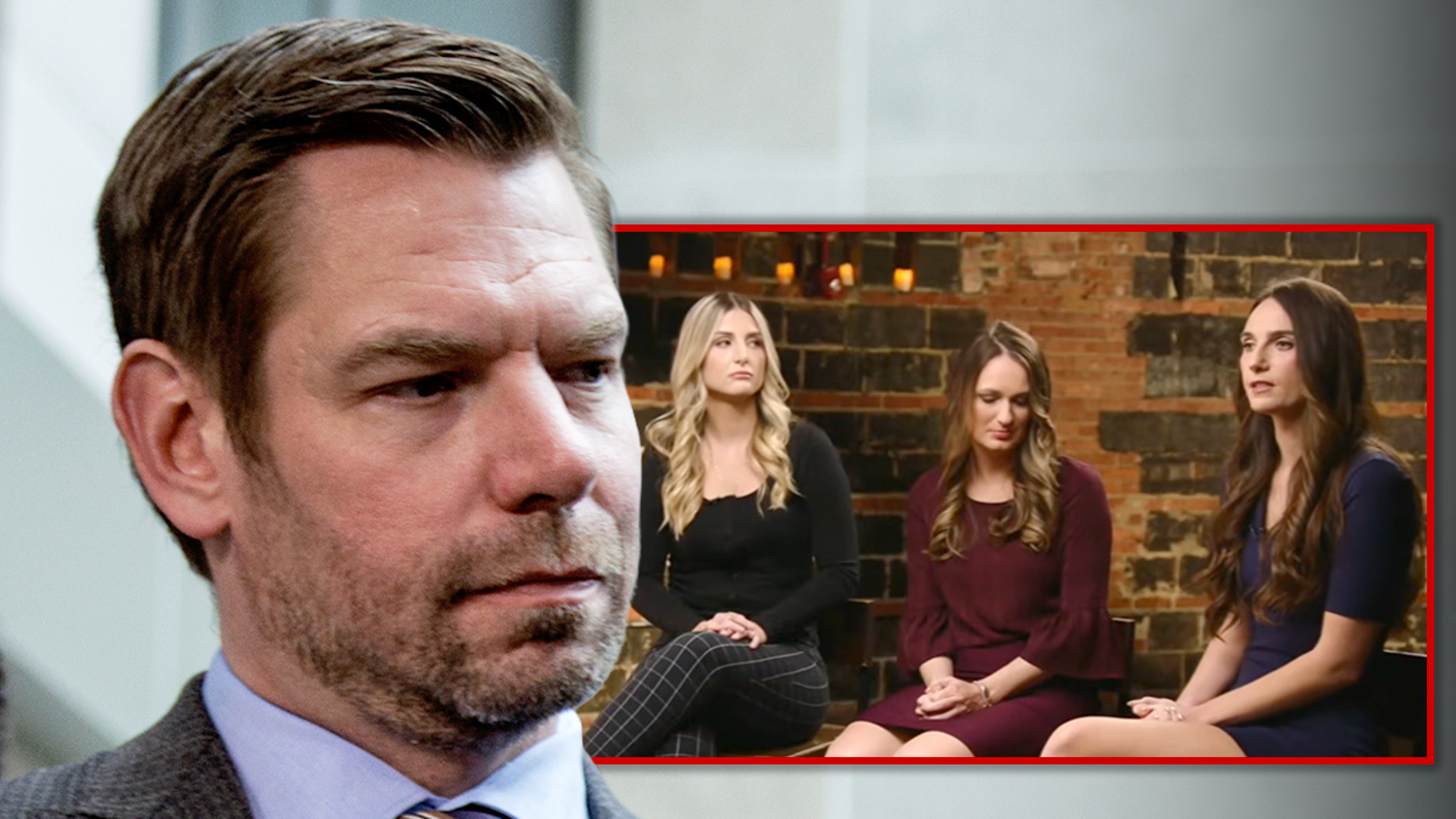
The Tuesday, April 14, 2026, interview with CBS News, featuring Annika Albrecht and Ally Sammarco, brought to light new, deeply personal, and highly explicit details that underscore the severity of the allegations against Swalwell. Both women described experiences that, according to their accounts, rapidly transitioned from seemingly professional interactions to sexually charged overtures.
Ally Sammarco, who initially believed her relationship with Swalwell was "platonic and professional," recounted a disturbing shift in their communications. She detailed how messages from the then-Congressman began to delve into increasingly personal and suggestive territory. "Asking me what I was wearing," Sammarco stated, illustrating the intrusive nature of the inquiries. The situation escalated dramatically, she explained, during one of Swalwell’s trips: "Then one night he was on a trip, and he was laying in his hotel room bed — and then he sent me a photo of his penis." This unsolicited explicit image, Sammarco asserted, was a clear and shocking breach of professional boundaries. To corroborate her account, Sammarco provided "receipts" in the form of contemporaneous text messages she sent to friends at the time. These messages, shown during the interview, detailed Swalwell’s persistent attempts to communicate with her via Snapchat – a platform known for its ephemeral messaging – and his repeated "pushing to meet up," despite her discomfort. The presentation of these digital communications lends significant weight to her testimony, providing tangible evidence of the alleged misconduct.
Annika Albrecht’s testimony echoed themes of fear and professional vulnerability. Albrecht, who was building her career within Democratic Party politics, explained that her apprehension kept her silent for years. She recounted receiving "sexually inappropriate" Snapchat messages from Swalwell and being invited to his hotel room on one occasion. The power imbalance inherent in their relationship, with Swalwell as a prominent political figure, instilled a deep-seated fear in Albrecht about the repercussions of speaking out. "I was terrified that if I spoke out against him, then people would think that I was a loose cannon, that I couldn’t be trusted, that maybe I’m making it up," Albrecht bravely shared during the interview. This fear, she articulated, is a common barrier for victims of harassment, particularly in high-stakes professional environments where careers can be easily jeopardized. Her decision to finally come forward, she explained, was spurred by Swalwell’s announcement of his gubernatorial campaign for California. The prospect of him gaining "even more power" and potentially harming "even more women made my whole body sick," she revealed, highlighting her motivation to protect others and seek accountability. Her testimony underscores the profound moral conflict many accusers face, balancing personal safety and professional aspirations against the imperative to expose alleged wrongdoing.
The Growing Chorus: Lonna Drewes’s Allegations and Legal Intent
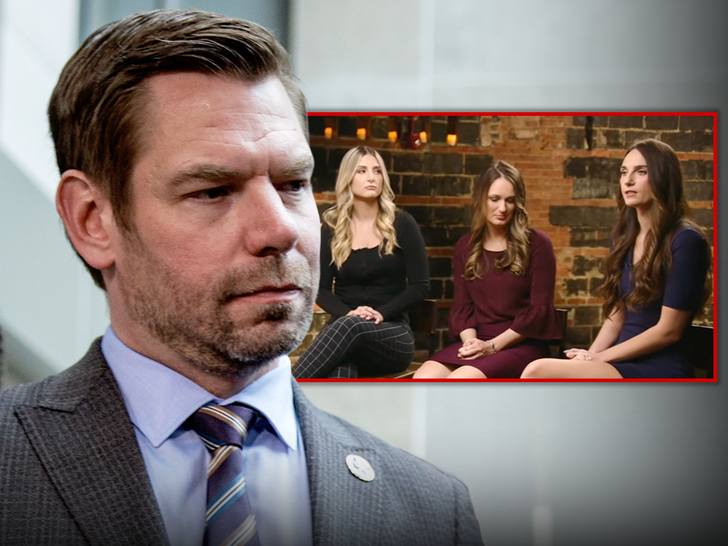
The CBS interview was not the only significant development on April 14, 2026. Concurrently, another accuser, Lonna Drewes, held a press conference in Beverly Hills, California, where she presented her own harrowing account. Drewes alleged that Eric Swalwell drugged and raped her in 2018. Her public statement adds a critical layer to the unfolding scandal, as she announced her intention to file a police report regarding the alleged incident. This move signifies a potential escalation from public accusation to formal criminal investigation, introducing a new dimension of legal jeopardy for Swalwell. Drewes’s willingness to pursue legal avenues reflects a broader shift in the landscape of accountability, where accusers are increasingly empowered to seek justice through formal channels, not just public platforms. Her claims, alongside those of Albrecht and Sammarco, solidify the narrative of a "growing chorus of allegations" against the former Congressman, indicating a pattern of alleged behavior rather than isolated incidents. The specific detail of an alleged drugging and rape, if corroborated, would represent the most severe criminal accusation leveled against Swalwell to date.
Official Responses and Denials
In the face of these escalating and increasingly detailed accusations, Eric Swalwell has consistently denied the allegations. A statement released by his representatives following the initial wave of accusations, and reiterated in the wake of the CBS interview and Drewes’s press conference, maintained his innocence. While the denials have been steadfast, they have largely been general, not specifically addressing each individual claim or the evidence presented by the accusers. This blanket denial strategy, while common in such high-profile cases, has done little to quell the public outcry or mitigate the damage to his reputation. The absence of detailed counter-arguments or explanations from Swalwell or his legal team in response to the explicit claims and "receipts" presented by Sammarco and Albrecht has left a vacuum that public opinion is rapidly filling. Observers note that in the digital age, where evidence such as text messages and social media interactions can be easily preserved and presented, general denials often struggle to hold sway against specific, documented claims.
Timeline of Unraveling: A Chronology of Crisis
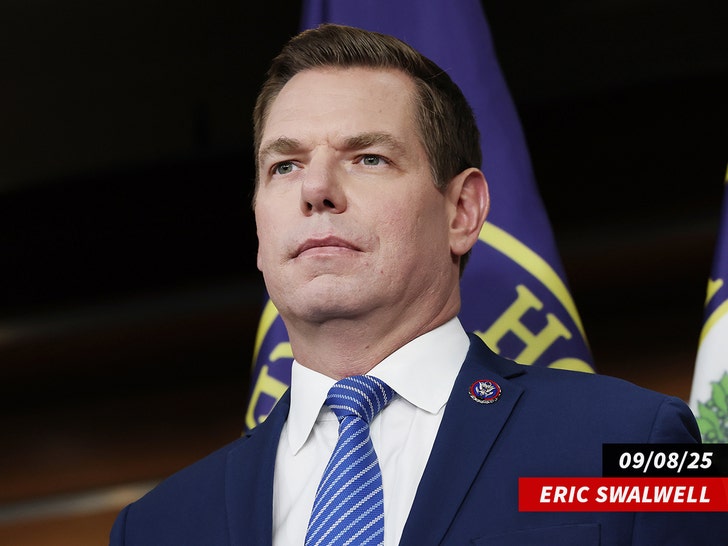
The rapid unraveling of Eric Swalwell’s political career can be traced through a condensed yet impactful timeline:
- Prior to April 2026: Eric Swalwell serves as a U.S. Congressman, a rising star in the Democratic Party, and a former presidential candidate, known for his vocal political stances.
- Early April 2026: Unspecified multiple allegations of sexual misconduct begin to surface, creating significant political pressure.
- April 10, 2026: Reports emerge about a "growing chorus of allegations," including a former staffer accusing him of rape. Swalwell issues an initial denial.
- April 12, 2026: Facing insurmountable pressure, Swalwell announces the suspension of his campaign for California Governor.
- April 13, 2026: Eric Swalwell resigns from his seat in the U.S. House of Representatives, marking the end of his congressional career amidst the deepening scandal.
- April 14, 2026 (Tuesday):
- CBS News airs a bombshell interview with Annika Albrecht and Ally Sammarco, who provide explicit details and digital "receipts" of alleged misconduct.
- Concurrently, Lonna Drewes holds a press conference, alleging she was drugged and raped by Swalwell in 2018 and declares her intent to file a police report.
- Ongoing: Potential criminal investigations, civil lawsuits, and continued public scrutiny are anticipated as accusers seek further accountability.
Broader Impact and Implications: A Reckoning in the #MeToo Era
The allegations against Eric Swalwell, and the manner in which they have been brought to light, carry significant implications for both his personal future and the broader political and societal landscape. Legally, the intent of Lonna Drewes to file a police report signals the potential for criminal charges, which could lead to a formal investigation by law enforcement agencies. This would elevate the situation beyond public accusation and into the realm of the justice system, where evidence would be rigorously examined. Additionally, civil lawsuits remain a strong possibility, allowing accusers to seek damages and further accountability. The "receipts" presented by Sammarco, along with Albrecht’s detailed narrative, could serve as compelling evidence in any legal proceedings.
Politically, Swalwell’s career is, by all accounts, over. His resignation from Congress and the suspension of his gubernatorial campaign represent the complete collapse of his public service ambitions. This dramatic fall from grace serves as a stark warning to other public figures about the increasing intolerance for alleged misconduct in the #MeToo era. The Democratic Party, to which Swalwell belonged, will also face the challenge of managing the fallout, potentially needing to reaffirm its commitment to protecting victims and holding powerful individuals accountable. The rapid response and decisive action taken by Swalwell himself – resigning and suspending his campaign – suggest an understanding of the severity of the situation and the impossibility of weathering the storm politically.
Societally, these events are a poignant reminder of the enduring power of the #MeToo movement, which continues to empower survivors to come forward, often years after alleged incidents occurred. Albrecht’s candid admission of her fear of speaking out for years resonates with countless others who have faced similar dilemmas, highlighting the systemic challenges victims encounter when confronting powerful individuals. The digital evidence, such as text messages and Snapchat communications, underscores how modern technology can both facilitate inappropriate behavior and provide crucial documentation for accusers. The collective voice of these women, coming forward with courage and evidence, signals a continued societal demand for accountability, emphasizing that political power and influence no longer guarantee impunity for alleged sexual misconduct. The public discourse will undoubtedly continue to grapple with themes of consent, power dynamics, and the pursuit of justice, ensuring that Swalwell’s case remains a significant point of discussion in the ongoing conversation about sexual harassment and assault.
As the legal and public narratives continue to unfold, the focus remains firmly on accountability. The accusers, through their brave testimonies and the presentation of compelling evidence, are making it unequivocally clear that they seek justice and want to prevent future harm, transcending the pursuit of mere headlines. The path forward for Eric Swalwell is fraught with legal peril and public condemnation, while the women who have come forward hope their courage will pave the way for a more just and equitable environment for all.