


The era of unchecked expansion in the streaming industry has officially drawn to a close as Wall Street shifts its gaze from raw subscriber growth to the cold reality of operating margins and bottom-line profitability. For over a decade, investors were captivated by the narrative of "cord-cutting," rewarding media companies that aggressively transitioned from traditional cable bundles to direct-to-consumer (DTC) applications. However, as the market reaches saturation and the cost of content production continues to soar, the financial metrics used to judge success have undergone a fundamental transformation. Today, the industry is defined by a relentless pursuit of "the Netflix standard," characterized by high operating margins, successful ad-supported tiers, and a ruthless crackdown on revenue-leaking practices like password sharing.
The Shift from Growth to Sustainability
For years, the "Streaming Wars" were fought on the battlefield of subscriber counts. Companies like Disney, Warner Bros. Discovery, and Paramount Global spent billions of dollars to build libraries and attract users, often at the expense of their own balance sheets. This strategy was predicated on the belief that once a massive global scale was achieved, profitability would naturally follow. By 2025, however, the tone on Wall Street has shifted significantly. Investors are no longer content with "vanity metrics." They now demand proof that these digital platforms can replace the lucrative, albeit declining, cash flows of linear television.
Robert Fishman, a senior research analyst at MoffettNathanson, recently addressed this existential question in a note to investors, asking whether streaming is, in fact, a viable business. His conclusion was affirmative, but with a critical caveat: success is reserved only for those services that possess sufficient scale to spread fixed costs across a massive user base. This reality has left legacy media companies in a precarious position, as they struggle to manage the "linear decay" of their traditional broadcast and cable assets while simultaneously funding the expensive growth of their streaming arms.
The Dominance of the Netflix Model
Netflix remains the undisputed titan of the industry, serving as the benchmark against which all other services are measured. Having pioneered the streaming model in 2007, the company has successfully navigated the transition from a tech disruptor to a highly profitable media powerhouse. In early 2026, Netflix announced it had reached a staggering 325 million global paid customers, a figure that provides the company with unparalleled leverage in content spending and advertising reach.
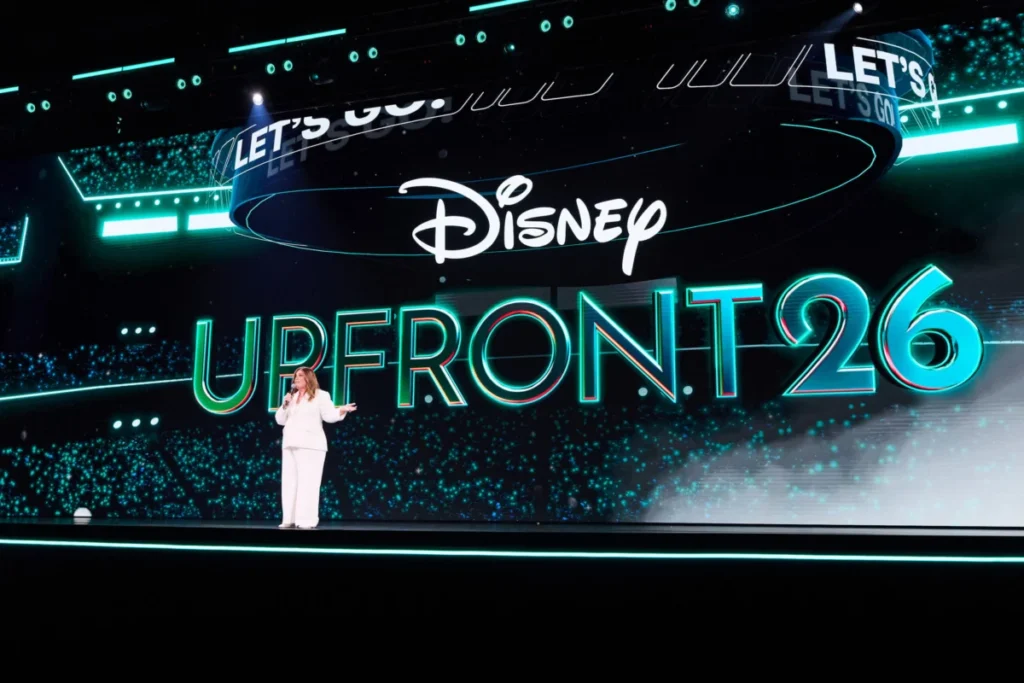
The financial disparity between Netflix and its competitors is stark. In 2025, Netflix reported an operating margin of 29.5%, a figure that reflects high efficiency and a matured business model. In contrast, legacy players like Disney are only now guiding investors toward a 10% operating margin for their DTC segments by fiscal 2026. This gap highlights the "first-mover advantage" Netflix enjoyed, allowing it to build a global infrastructure before the market became crowded with deep-pocketed competitors.
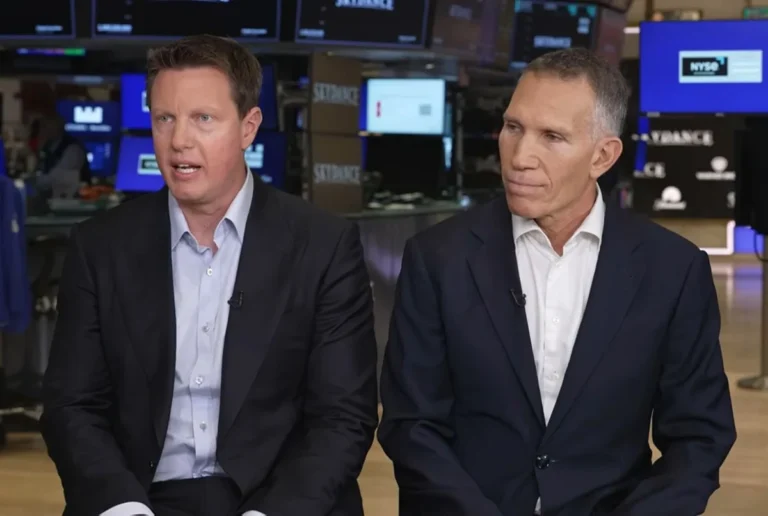
Analysts like Doug Creutz of Cowen note that the industry is now being judged by a new set of milestones. "It’s about whether you can get to a 10%, 15%, or 25% operating profit," Creutz stated. For many smaller players, reaching these heights remains an uphill battle. While Disney has shown steady progress toward profitability and Comcast’s Peacock has narrowed its losses, the road for companies like Warner Bros. Discovery (WBD) and Paramount has been more volatile, leading to frequent rumors of consolidation and asset sales.
A Chronology of the Streaming Evolution
To understand the current state of the market, one must look at the pivotal moments that led to this "Great Pivot":
- 2007–2013: The Early Inroads. Netflix transitions from a DVD-by-mail service to a streaming platform, followed by the launch of House of Cards in 2013, proving that digital platforms could produce prestige content.
- 2019–2020: The Launch of the "Plus" Era. The "Streaming Wars" begin in earnest with the launches of Disney+, Apple TV+, HBO Max (now Max), and Peacock. The COVID-19 pandemic accelerates subscriber growth as homebound consumers seek entertainment.
- 2022: The Wake-Up Call. Netflix reports its first quarterly subscriber loss in over a decade. The shockwaves wipe billions off media valuations and signal to the industry that the "growth at all costs" era is over.
- 2023–2024: The Monetization Push. Streamers begin implementing price hikes, introducing ad-supported tiers, and initiating crackdowns on password sharing. Bundling becomes a key strategy to reduce churn.
- 2025–Present: Consolidation and Profitability. The focus shifts to M&A (mergers and acquisitions) activity, such as Paramount’s pursuit of a merger with Skydance and potential ties with WBD, as companies realize that scale is the only path to survival.
The Advertising Revolution and the Return of the Commercial
Perhaps the most significant reversal in the streaming industry has been the embrace of advertising. For years, Netflix and other platforms marketed themselves as "ad-free" alternatives to the clutter of broadcast TV. However, the economics of the business have made advertising an essential revenue stream. Netflix introduced its ad-tier in late 2022, and by 2025, the company reported that ad revenue exceeded $1.5 billion, roughly 3% of its total annual revenue. Industry experts expect this figure to double within the next year.
The pivot to ads serves a dual purpose: it provides a lower-priced entry point for price-sensitive consumers and creates a high-margin revenue stream for the provider. Disney’s CEO Bob Iger has explicitly stated that the company is steering customers toward ad-supported plans because the "Average Revenue Per User" (ARPU) is often higher when subscription fees are combined with ad revenue.
This shift has effectively reinvented the traditional television model within a digital framework. While legacy media companies like Disney (via Hulu) and NBCUniversal (via Peacock) had advertising in their DNA from the start, the industry-wide adoption of ad tiers marks the end of the "commercial-free" era of premium digital video.
Consumer Fatigue and the Pricing Ceiling
As streaming services raise prices to appease Wall Street, they are increasingly testing the limits of consumer budgets. In the United States, a "full" bundle of the top streaming services can now cost significantly more than the old cable packages consumers once abandoned. This has led to the rise of "subscription fatigue," where users frequently cancel and resubscribe to services based on the availability of specific hit shows—a phenomenon known as "churn."
To combat churn, the industry has turned back to a familiar strategy: bundling. In 2024 and 2025, partnerships emerged between previously fierce competitors. Disney, Warner Bros. Discovery, and Fox announced sports-centric bundles, while others have paired streaming services with mobile phone plans or retail memberships like Amazon Prime and Walmart+. These bundles are designed to make the services "stickier," making it harder for consumers to justify canceling a service that is part of a larger value package.
However, the "ceiling" for pricing remains a concern. Alicia Reese, senior vice president of equity research at Wedbush, notes that while Netflix has successfully raised prices across all tiers, it must balance these increases against the perceived value of its library. "We’re going to find out how sticky services are if price continues to go up," Reese warned.
The Content Dilemma: Quality vs. Quantity
The final piece of the profitability puzzle is content spending. During the height of the Streaming Wars, companies spent tens of billions of dollars annually on original programming. This led to a "peak TV" era where hundreds of scripted shows were produced every year. In the new era of profitability, that spending is being reined in.
Legacy media companies are increasingly looking to license their content to third parties—including their rivals—to generate immediate cash. Warner Bros. Discovery, for instance, has begun licensing HBO titles to Netflix, a move that would have been unthinkable five years ago. This "arms dealer" strategy allows companies to monetize their libraries while focusing their own platforms on high-impact, "must-watch" tentpole releases.
Broader Implications for the Media Industry
The transition of streaming into a mature, profit-focused industry has profound implications for the broader media landscape. First, consolidation is inevitable. Smaller players that lack the global scale of Netflix or the diversified revenue streams of Disney (which benefits from theme parks and merchandising) may find it impossible to compete as standalone entities.
Second, the "tech-ification" of media is complete. Streaming is no longer a side project for media companies; it is the core of their business. This requires a different set of skills—data analytics, ad-tech integration, and global digital distribution—that traditional Hollywood studios have struggled to master.
Ultimately, the "love affair" between Wall Street and streaming has matured into a marriage of necessity. The initial excitement of digital disruption has been replaced by the rigorous demands of fiscal discipline. For Netflix, the future looks bright as it maintains its lead. For the legacy giants, the challenge remains: can they dismantle their old empires fast enough to build new ones that are actually profitable? The answer will determine the shape of global entertainment for the next decade.