The Economics of the Digital Audio Market
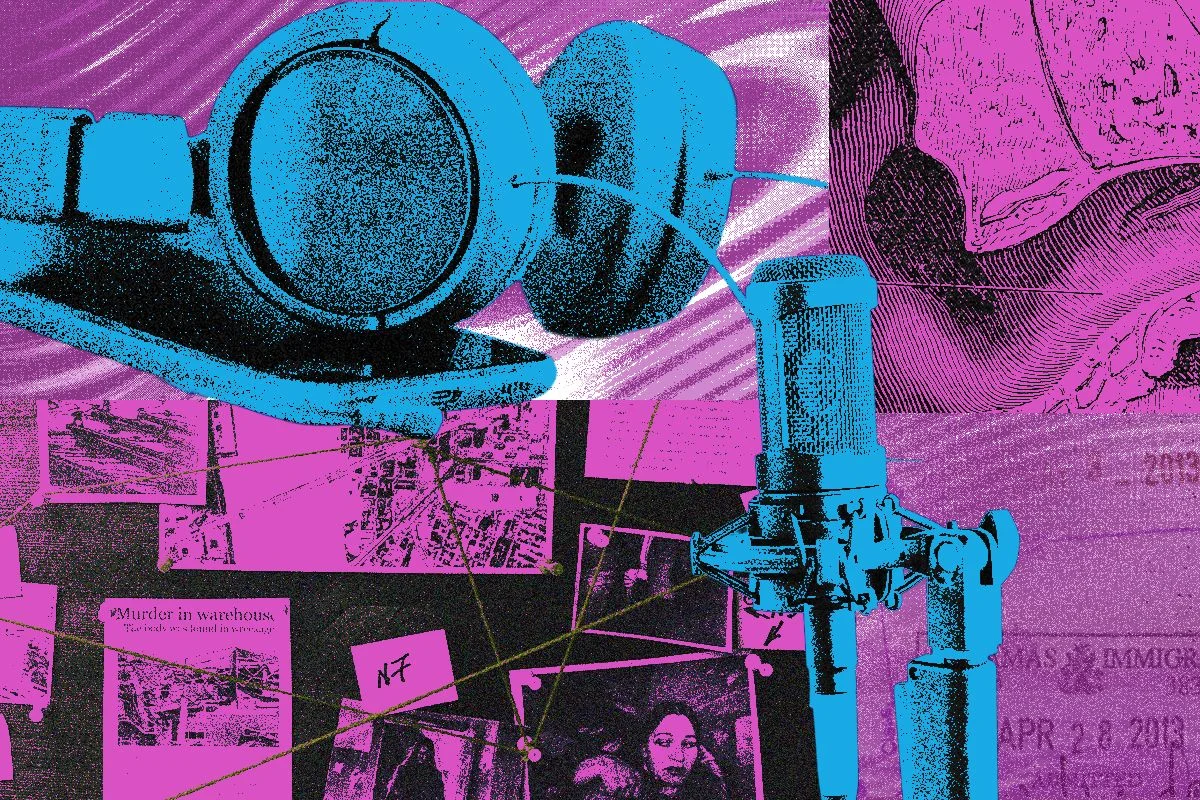
The financial infrastructure of podcasting has matured significantly since the medium’s inception in the early 2000s. Originally reliant on open RSS feeds and grassroots funding, the industry now utilizes a sophisticated multi-tiered revenue model. While free, ad-supported content remains the standard, a surge in premium subscription services has redefined listener loyalty.

Major players such as Audible, Pushkin Industries, and NPR have established "walled garden" ecosystems. For instance, Audible Plus, priced at approximately $9 per month, offers exclusive catalogs that integrate high-production podcasts with audiobooks. Similarly, Pushkin Plus and NPR Plus provide ad-free experiences and early access to episodes for a monthly fee. These models not only offer a better user experience but also provide a sustainable financial pipeline for creators in an era where traditional advertising rates can fluctuate based on platform algorithms.
Chronology of Technological and Societal Influence
The evolution of the medium is best observed through its impact on technology and societal discourse. The early 2010s saw the rise of the "explainer" and "investigative" formats, but by the mid-2020s, the focus shifted toward the ethical implications of artificial intelligence and the nuances of cybersecurity.
The Intersection of AI and Human Connection
Recent entries such as Flesh and Code, hosted by Hannah Maguire and Suruthi Bala, highlight a growing societal fascination with human-AI relationships. As AI chatbots become more sophisticated, podcasts have become the primary medium for exploring the emotional and ethical fallout of these digital unions. This mirrors a broader trend where technology no longer serves as a mere tool but as a participant in human social structures.

Cybersecurity and Investigative Reporting
In the realm of technology, Darknet Diaries by Jack Rhysider has become a staple for understanding the invisible wars of the 21st century. By documenting events like the NotPetya malware attack and various international wiretapping scandals, the show bridges the gap between technical expertise and public awareness. This investigative trend is further exemplified by The Dropout, which chronicled the rise and fall of Elizabeth Holmes and Theranos, serving as a cautionary tale for the "fake it until you make it" culture of Silicon Valley.

Investigative Journalism and the True-Crime Phenomenon
True-crime remains the most consumed genre in podcasting, though its focus has expanded from localized mysteries to global systemic issues. The genre has faced criticism for exploitation, yet certain productions have set a new bar for ethical reporting.

- The Outlaw Ocean: Ian Urbina’s reporting on lawlessness at sea represents a pinnacle of dangerous, high-stakes journalism. By exposing slave labor and environmental murder on the high seas, Urbina utilizes the intimate nature of audio to convey the gravity of crimes occurring beyond the reach of traditional law enforcement.
- Bone Valley: Hosted by Gilbert King, this series demonstrates the power of podcasting as a tool for judicial reform. By meticulously re-examining the 1987 murder conviction of Leo Schofield, the podcast provided the public pressure and evidence necessary to challenge decades of legal stagnation.
- Chameleon: Hollywood Con Queen: This series represents a shift away from violent crime toward psychological and financial manipulation, proving that investigative audio can be gripping without relying on the macabre.
The Democratization of Science and Economics
One of the most significant contributions of the podcasting era is the democratization of academic knowledge. Subjects once confined to lecture halls are now accessible to millions through conversational formats.

Science for the Masses
Shows like Ologies with Alie Ward and Hidden Brain with Shankar Vedantam have transformed how the public engages with scientific inquiry. By interviewing specialists in niche fields—ranging from volcanology to social psychology—these programs foster a culture of lifelong learning. This is complemented by The Infinite Monkey Cage, which uses a blend of physics and comedy to tackle existential questions, making complex theories palatable for a general audience.

Economic Literacy
Financial transparency has historically been a social taboo, but podcasts like What We Spend are dismantling these barriers. By interviewing ordinary citizens about their salaries and expenditures, the show provides a raw, data-driven look at modern economic survival. Similarly, NPR’s The Indicator provides rapid-fire analysis of market trends, allowing listeners to stay informed on global business shifts in under ten minutes a day.

The Resurgence of Audio Fiction and Cultural Commentary
As screen fatigue becomes a documented psychological phenomenon, audio fiction has experienced a massive resurgence. This "New Radio Drama" utilizes spatial audio and high-fidelity sound design to create immersive worlds.

The Fiction Frontier
Midnight Burger, a sci-fi drama set in a time-traveling diner, exemplifies the creative freedom inherent in the medium. Without the budget constraints of visual CGI, audio fiction like Alien: Out of the Shadows and Hello From the Magic Tavern can build vast universes that rely on the listener’s imagination. This format has proven particularly popular among younger demographics who seek narrative depth without the requirement of visual focus.

Cultural Critique and Humor
Comedy and celebrity interviews continue to serve as the industry’s backbone. SmartLess, hosted by Jason Bateman, Will Arnett, and Sean Hayes, utilizes the "surprise guest" format to humanize high-profile figures. Meanwhile, The Read with Kid Fury and Crissle West provides essential perspectives on pop culture through the lens of social justice and mental health, highlighting the medium’s role in amplifying marginalized voices.

The Impact of Sports and Music Documentation
Podcasting has fundamentally changed how fans consume sports and music history. The traditional 24-hour news cycle has been replaced by deep-dive analysis and long-form storytelling.

- Sports Rivalries: Programs like Sports Wars and The Bill Simmons Podcast provide a level of historical context that live broadcasts cannot match. In the UK, The Rest is Football with Gary Lineker and Alan Shearer offers an insider’s view of the professional game, blending tactical analysis with personal anecdotes.
- Music History: Bandsplain and Cocaine and Rhinestones serve as audio documentaries. The latter, which explores the history of country music, is noted for its rigorous research and ability to contextualize the music industry within broader American history.
Health, Wellness, and the Personal Narrative
The wellness industry, valued at over $4 trillion globally, has found a natural home in podcasting. However, the medium also serves as a critical tool for debunking the "junk science" often found in that same industry. Maintenance Phase is a leading voice in this regard, using research to dismantle weight loss fads and wellness scams.

Conversely, shows like The Courage to Change and My Wakeup Call focus on the psychological aspects of recovery and personal growth. These programs offer a form of "digital support group," providing listeners with the tools to navigate trauma and addiction through the shared experiences of others.

Broader Impact and Future Implications
The long-term implications of the podcasting boom suggest a permanent shift in the media hierarchy. Unlike radio, which is bound by geographic and temporal constraints, podcasts are global and evergreen. This has led to the "long-tail" effect, where niche content can find a dedicated audience regardless of its size.

However, the industry faces several challenges moving forward:

- Saturation: As the barrier to entry remains low, the "noise-to-signal" ratio is a concern for new creators.
- Monetization: While subscriptions are growing, the reliance on a few major platforms (Spotify, Apple, Amazon) for distribution creates a precarious environment for independent producers.
- AI Integration: The rise of AI-generated voices and scripts may threaten the "human connection" that currently defines the medium.
In conclusion, the current state of podcasting represents a sophisticated ecosystem of education, entertainment, and investigative rigor. From the lawless oceans to the inner workings of the human brain, the medium has proven to be the most versatile tool in the modern journalist’s arsenal. As it continues to evolve, its success will depend on the balance between technological innovation and the preservation of authentic, human storytelling. For the listener, the challenge remains one of discernment—finding the "expertly curated" voices in an ever-expanding sea of audio.