The independent horror landscape is poised for a significant disruption with the impending theatrical release of Frankie, Maniac Woman, the latest visceral offering from French genre filmmaker Pierre Tsigaridis. Set to debut in select U.S. theaters on April 24, 2026, the film promises an unflinching exploration of psychological breakdown fueled by societal pressures, as evidenced by its recently unveiled official trailer on April 12, 2026. Described by its creators and early viewers as a "nasty, wacky, extra violent, super gory" experience, the feature, produced by Two Witches Films, aims to deliver both intense genre thrills and poignant social commentary.
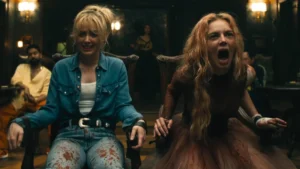
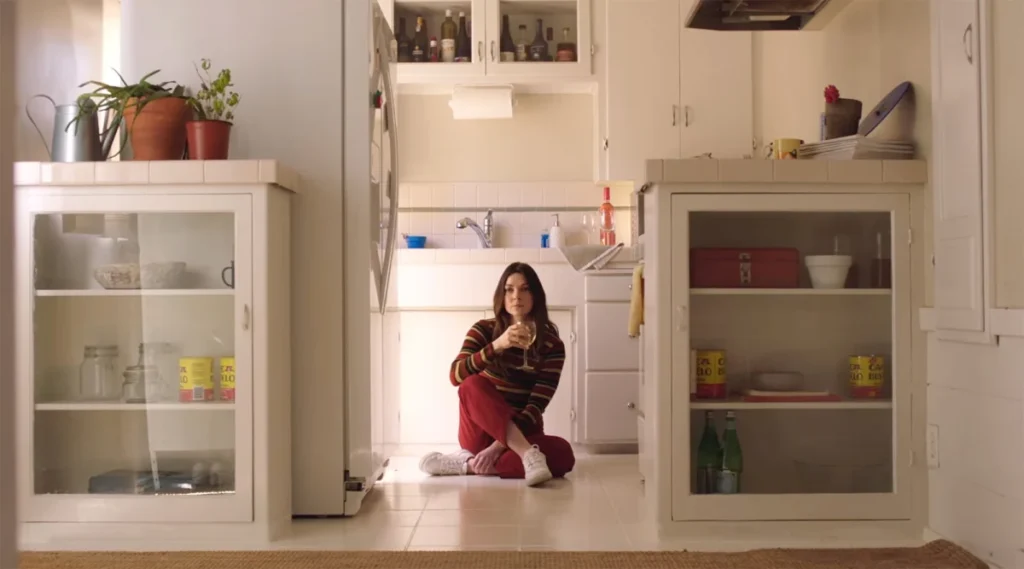
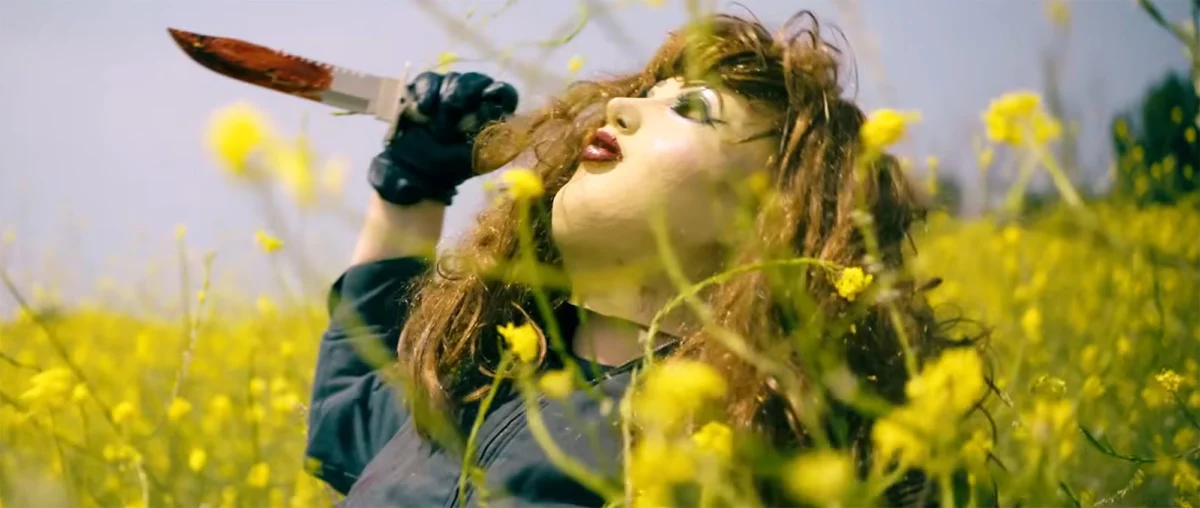
At its core, Frankie, Maniac Woman centers on Frankie Ramirez, an aspiring singer-songwriter navigating the cutthroat, image-obsessed, and often fat-shaming culture of the Los Angeles music business. Battling a complex web of childhood trauma and internalized misogyny, Frankie’s journey culminates in a violent snap, leading to bloody and unpredictable results. Dina Silva, who previously collaborated with Tsigaridis on his film Two Witches, takes on the titular role, spearheading a cast that also includes Stefanie Estes, Tim Fox, Jordan Debarge, Rocío de la Grana, Pierre Tsigaridis himself, and Daniella Mendoza. The film’s narrative draws comparisons to a unique blend of horror classics and contemporary thrillers, explicitly citing "a riff on Texas Chain Saw Massacre meets American Psycho with a dash of The Substance," suggesting a multi-layered approach to its horror.
Thematic Underpinnings: A Descent into Madness and Societal Critique
Frankie, Maniac Woman distinguishes itself by delving into profound psychological and sociological themes, transcending mere jump scares or gore for gore’s sake. The film posits itself as a sharp critique of modern societal maladies, channeling them through the extreme lens of horror.
The Pressures of the LA Music Industry
The Los Angeles music industry serves as a potent backdrop for Frankie’s unraveling. This environment, often romanticized, is depicted here in its brutal reality: a highly competitive arena where talent alone is frequently insufficient, and personal image, often sculpted by unrealistic and unhealthy standards, dictates success. For an aspiring singer-songwriter, the pressure to conform, to fit a mold dictated by industry executives and media trends, can be immense. The film highlights the pervasive issue of "fat shaming" within this culture, an insidious form of discrimination that marginalizes artists based on their physical appearance rather than their creative merit. This aspect of the narrative resonates deeply with contemporary discussions about body positivity and the often-toxic demands placed on individuals, particularly women, in public-facing roles. Frankie’s struggle against these external pressures is not merely a plot device but a critical examination of a system that can break individuals, pushing them towards desperation and, in her case, extreme retaliation.
Confronting Internalized Misogyny and Trauma
Beyond the external pressures, Frankie grapples with the equally destructive forces of internalized misogyny and unresolved childhood trauma. Internalized misogyny refers to the ways in which women absorb and perpetuate sexist ideas about themselves and other women, often leading to self-doubt, self-criticism, and a reinforcement of patriarchal norms. For Frankie, this could manifest as a struggle with self-worth, a constant battle against the voice in her head that echoes society’s demeaning messages. When combined with the legacy of childhood trauma, which can leave deep psychological scars affecting one’s ability to cope with stress, form healthy relationships, and maintain emotional stability, Frankie’s situation becomes a powder keg. The film explores how these internal battles, when compounded by external societal pressures, can lead to a breaking point, resulting in a dramatic and bloody catharsis. The opening quote from the trailer, "I don’t think I’m dramatic. Quite the opposite, actually. I mean, I can get a bit aggressive…," offers a chilling glimpse into Frankie’s self-perception, hinting at a disconnect between her internal turmoil and her outward presentation, and foreshadowing the violent transformation to come.
Pierre Tsigaridis: A Master of Modern Indie Horror

Pierre Tsigaridis, the French genre filmmaker behind Frankie, Maniac Woman, has been steadily carving out a niche for himself in the independent horror scene. His distinctive style, characterized by a willingness to explore the darker facets of human psychology through a visually arresting and often unsettling lens, has garnered him a dedicated following.
From "Two Witches" to "Traumatika": A Distinctive Vision
Tsigaridis’s previous works, Two Witches and Traumatika, serve as foundational texts for understanding his artistic trajectory. Two Witches, released in 2021, was a standout indie horror film that garnered attention for its unique narrative structure, unsettling atmosphere, and effective use of practical effects. It explored themes of witchcraft, obsession, and the generational transfer of dark power, establishing Tsigaridis as a director unafraid to blend psychological dread with supernatural elements. Traumatika, while less widely distributed, further solidified his reputation for crafting intense, character-driven horror that delves into psychological distress. These films demonstrated his skill in building suspense, crafting memorable visuals, and extracting powerful performances from his cast, often on limited budgets. Frankie, Maniac Woman appears to be a natural progression, taking the psychological intensity and character focus of his earlier works and applying them to a contemporary social critique, while ratcheting up the violence and thematic ambition.
The Collaborative Force: Dina Silva’s Dual Role
A notable aspect of Tsigaridis’s recent work is his collaboration with Dina Silva. Not only does Silva star as Frankie, but she is also credited as a co-writer and co-producer alongside Tsigaridis. This dual role suggests a deep creative partnership, allowing Silva to shape the character of Frankie from its inception, imbuing her with a nuanced understanding of her motivations and descent. Her previous collaboration on Two Witches likely fostered a strong creative synergy, enabling them to tackle the complex themes of Frankie, Maniac Woman with a shared vision. Such close collaboration between director and lead actor/writer is often a hallmark of successful independent cinema, allowing for a more cohesive and authentic artistic expression.
Genre Homage and Subversion: A Bloody Tapestry of Influences
The description of Frankie, Maniac Woman as a blend of Texas Chain Saw Massacre, American Psycho, and The Substance immediately signals its ambitious genre aspirations. Tsigaridis is not merely mimicking these influences but, according to early descriptions, "riffing" on them, suggesting a subversive and interpretive approach.
Echoes of "Texas Chain Saw Massacre" and "American Psycho"
The reference to Tobe Hooper’s seminal 1974 film, The Texas Chain Saw Massacre, evokes a sense of raw, unadulterated terror, a gritty realism, and a focus on ordinary individuals stumbling into unimaginable horror. This comparison suggests that Frankie, Maniac Woman might share a similar aesthetic of visceral dread, perhaps featuring a protagonist driven to a primal, violent state, or confronting a world that has become terrifyingly alien. The original film’s subtext about social decay and the decline of rural America could find a modern parallel in Tsigaridis’s critique of the urban music industry.
Conversely, the nod to Bret Easton Ellis’s novel and Mary Harron’s film adaptation of American Psycho introduces a different layer of horror: the meticulous, often darkly comedic, and deeply disturbing psychological portrait of a killer operating within the superficiality of high society. Patrick Bateman’s descent into depravity, fueled by consumerism, narcissism, and a warped sense of identity, finds an interesting counterpoint in Frankie. While Bateman’s misogyny is explicit, Frankie’s journey addresses internalized misogyny, suggesting a female protagonist who, instead of perpetuating patriarchal violence, becomes a victim of its systemic effects before potentially turning the tables in a horrific manner. This comparison implies a sharp satirical edge to Frankie, Maniac Woman, using extreme violence to expose the rot beneath a polished facade.
The Contemporary Edge: A Nod to "The Substance"
The inclusion of The Substance as a reference point is particularly intriguing given its recent prominence and critical acclaim in 2024. The Substance, directed by Coralie Fargeat, is a brutal body horror film that critiques societal beauty standards and the pressures on women to maintain youth and perfection, often through grotesque physical transformations. This contemporary reference firmly places Frankie, Maniac Woman within a modern context of socially conscious body horror. It suggests that Frankie’s transformation, both psychological and potentially physical, might be intertwined with themes of self-mutilation, extreme cosmetic alterations, or a literal manifestation of internal decay brought on by societal pressures. This fusion of classic slasher grit, psychological satire, and modern body horror positions Frankie, Maniac Woman as a potentially boundary-pushing film that is both a homage to its predecessors and a forward-thinking contribution to the genre.

The Grimmfest Premiere and Anticipated Reception
Frankie, Maniac Woman first premiered at the 2025 Grimmfest Horror Festival in the UK. Grimmfest is an annual genre film festival renowned for showcasing the best in new independent horror, often serving as a launchpad for films that go on to achieve wider recognition within the horror community. A premiere at such a prestigious festival is a significant endorsement, indicating that the film has already resonated with a discerning audience and critics within the horror sphere.
While specific critical reactions from Grimmfest 2025 are not widely available in this announcement, the film’s description as "an audiovisual assault; a wild, weird, unpredictable, bone-rattling rollercoaster ride, consistently visually inventive, frequently outrageous, and filled, like all of Pierre’s films, with his evident love of genre cinema, past and present," speaks volumes. This praise, likely from festival notes or initial reviews, suggests that the film successfully delivered on its promise of extreme content and thematic depth, captivating audiences who appreciate challenging and unconventional horror. The buzz generated from such a premiere often precedes a film’s broader theatrical or digital release, building anticipation among dedicated horror fans.
The Trailer’s Visceral Impact: Setting the Stage for Mayhem
The official trailer, released on April 12, 2026, serves as the primary visual introduction for a global audience, and its content underscores the film’s extreme nature. Described as "a nasty, wacky, extra violent, super gory trailer," it aims to convey the film’s uncompromising tone and visual style without holding back. This deliberate marketing strategy targets a specific segment of horror enthusiasts who seek out films that push boundaries in terms of gore and violence, often in service of a larger narrative or artistic vision.
The trailer likely features quick cuts, unsettling imagery, and a glimpse into Frankie’s escalating madness. The early quote, "I don’t think I’m dramatic. Quite the opposite, actually. I mean, I can get a bit aggressive…," acts as a pivotal moment, introducing Frankie’s distorted self-perception and foreshadowing her violent transformation. Such a trailer is designed not only to attract its target audience but also to serve as a warning to those who might be sensitive to graphic content, ensuring that viewers approach the film with appropriate expectations. Its impact is crucial in defining the film’s identity as a challenging, intense, and potentially controversial work within the horror genre.
The Landscape of Independent Horror: A Platform for Bold Narratives
Frankie, Maniac Woman enters a vibrant and increasingly diverse independent horror landscape. In recent years, indie horror has moved beyond its traditional role as a proving ground for new talent, evolving into a significant space for genre experimentation and profound social commentary. Films like Hereditary, Get Out, The Babadook, and Relic have demonstrated that horror can be both terrifying and intellectually stimulating, addressing complex themes such as grief, racism, mental illness, and generational trauma with sophisticated narratives.

Pierre Tsigaridis’s work, particularly with Frankie, Maniac Woman, aligns with this trend, using the visceral language of horror to dissect contemporary issues like body shaming, internalized misogyny, and the pressures of the entertainment industry. Independent productions, free from some of the commercial constraints of major studios, often have the liberty to be more daring, more graphic, and more thematically provocative. This freedom allows filmmakers like Tsigaridis to craft stories that might be deemed too extreme or niche for mainstream distribution, yet find a dedicated audience eager for challenging and thought-provoking horror experiences. The success of films like Frankie, Maniac Woman further solidifies the position of independent horror as a vital and innovative force in cinema.
Theatrical Release and Accessibility for Genre Fans
Two Witches Films’ decision to debut Frankie, Maniac Woman in select U.S. theaters starting April 24, 2026, is a strategic move for an independent horror film. While major blockbusters aim for wide releases, indie films often benefit from targeted theatrical runs that cater directly to their core audience. These limited engagements allow for critical buzz to build, provide an opportunity for dedicated fans to experience the film on the big screen, and generate word-of-mouth ahead of potential video-on-demand (VOD) or streaming releases.
For horror aficionados, the opportunity to see a film described with such extreme adjectives in a theatrical setting is often highly valued, enhancing the immersive and communal experience of genre cinema. Following its theatrical window, it is anticipated that Frankie, Maniac Woman will become available on various digital platforms, making it accessible to a broader audience who might not have access to the initial limited theatrical release. This phased distribution model is typical for independent horror, maximizing exposure while respecting the niche appeal of such a distinct and intense cinematic offering.
In conclusion, Frankie, Maniac Woman is poised to be a significant entry in the 2026 horror calendar. With Pierre Tsigaridis at the helm and Dina Silva delivering what promises to be a powerful performance, the film is set to deliver not only extreme genre thrills but also a sharp, uncompromising critique of societal pressures. Its blend of classic and contemporary horror influences, coupled with its unflinching exploration of trauma and misogyny, suggests a film that will resonate deeply with audiences seeking intelligent, visceral, and genuinely unsettling cinematic experiences. The question of "Anyone curious?" posed by its promoters is less an inquiry and more a challenge, daring viewers to confront the bloody, wacky, and ultimately profound journey of Frankie Ramirez.