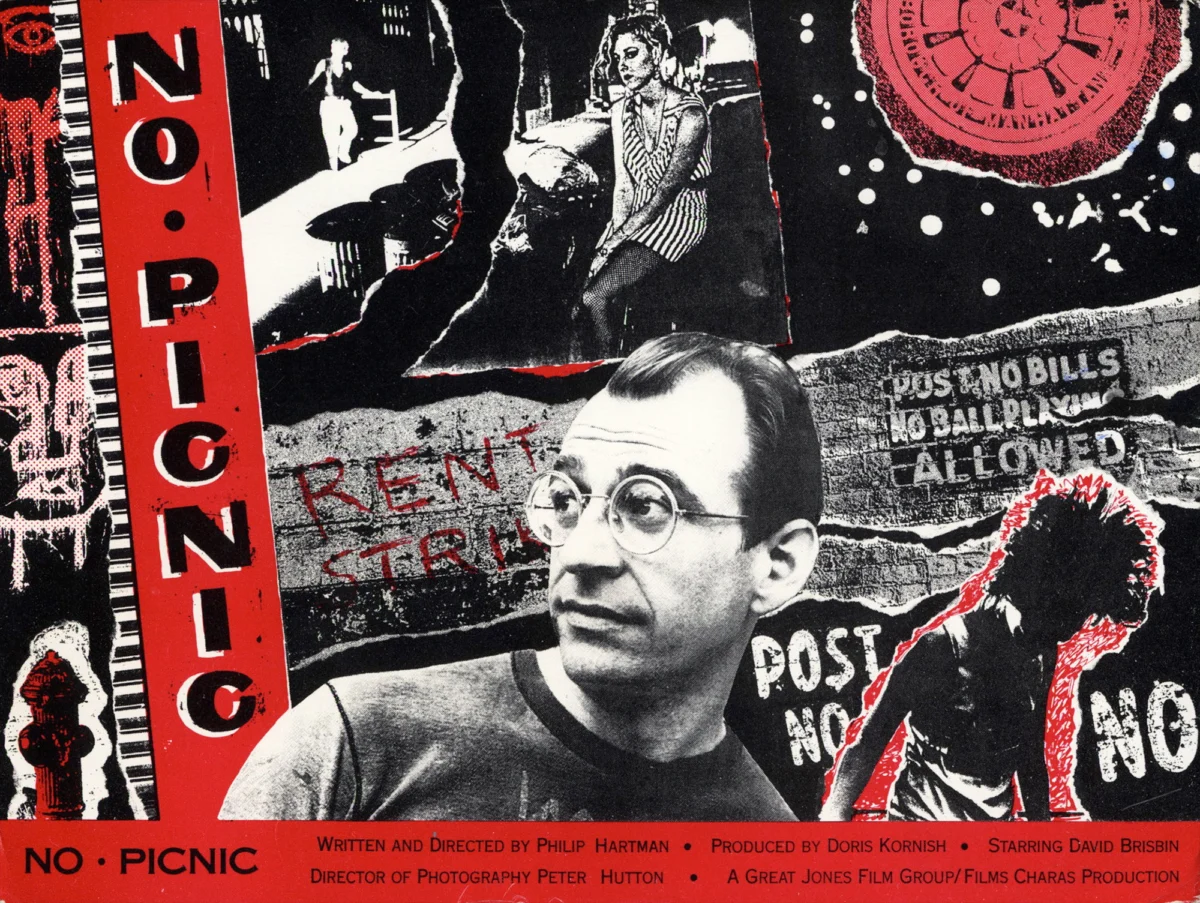
A poignant cinematic artifact from a bygone era of New York City is set to return to the silver screen, meticulously restored to its original glory. Philip Hartman’s 1987 independent film, No Picnic, a black-and-white ode to the raw, untamed spirit of the pre-gentrification East Village, will premiere its brand new 4K restoration at Film Forum in New York City starting April 17th, 2026. This re-release offers contemporary audiences a rare opportunity to immerse themselves in a vivid, albeit gritty, portrait of a neighborhood undergoing profound transformation, seen through the eyes of its disillusioned inhabitants.
A Resurgent Vision of a Vanished Era
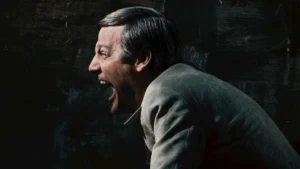
No Picnic is more than just a film; it is a meticulously crafted time capsule, preserving the aesthetic, socio-economic, and cultural milieu of the East Village circa 1985. The narrative centers on Macabee Cohen, portrayed with a deadpan melancholy by David Brisbin, a once-vibrant rock musician whose glory days have faded. Macabee now navigates the city in a dilapidated VW bus, supplying records to local jukeboxes, an increasingly anachronistic profession mirroring his own fading relevance. His beloved Lower East Side neighborhood is a cauldron of change: escalating real estate speculation, tenants embroiled in rent strikes, and a burgeoning art scene encroaching upon traditional dive bars. As Macabee poignantly observes, "in my own neighborhood, I felt like I was in the middle of a party that I hadn’t been invited to."
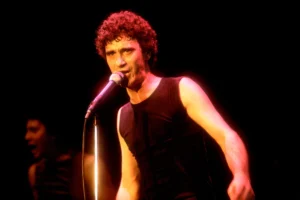
Macabee’s internal turmoil mirrors the external chaos of his surroundings. His personal life is adrift until the sudden appearance of a mysterious girl ignites an obsessive quest to find her. This pursuit evolves into a profound journey of self-discovery, encapsulated by his reflection: "I was looking for someone to save, to save myself." The film’s ensemble cast includes Myoshin, Anne D’Agnillo, and a young Luis Guzmán, with notable appearances from downtown luminaries such as Steve Buscemi, punk icon Richard Hell, and other fixtures of the era’s vibrant music and art scenes, including Rafik and Bleecker Bob. These cameos lend an undeniable authenticity, grounding the fictional narrative within the documented reality of the period.
The East Village: A Crucible of Counterculture and Contradictions (Circa 1985)
To fully appreciate No Picnic, one must understand the unique ecosystem of the East Village in the mid-1980s. This was a neighborhood teetering on the precipice of change, a complex mosaic of bohemian idealism, urban decay, and burgeoning artistic movements. Historically a haven for immigrant communities, by the 1970s and early 1980s, the East Village had become synonymous with affordable rents, abandoned buildings, and a thriving, often gritty, counterculture. Artists, musicians, writers, and performers, priced out of Greenwich Village and SoHo, flocked to the East Village, establishing a vibrant, albeit often impoverished, creative community.
This era witnessed the birth of the No Wave music scene, a raw, experimental offshoot of punk, and the flourishing of performance art spaces like The Pyramid Club, La Mama, and Performance Space 122. Dive bars such as CBGB, though technically just outside the East Village, were spiritual brethren, attracting the same crowd. Squatters occupied derelict buildings, creating makeshift communities, while drug use and crime were pervasive realities. The AIDS epidemic was also beginning to cast a long shadow over the community, disproportionately affecting its artistic and LGBTQ+ populations, adding another layer of fragility and urgency to the cultural landscape.

Simultaneously, the first tremors of gentrification were being felt. Real estate developers began to eye the neighborhood’s potential, sensing the impending shift from bohemian enclave to desirable urban living. This tension between preservation and progress, between artistic integrity and commercialization, forms the unspoken backdrop of Macabee Cohen’s wanderings. No Picnic expertly captures this liminal state, where every corner held both a promise and a threat, a fleeting moment before the relentless march of development irrevocably altered the neighborhood’s character.
Philip Hartman’s Cinematic Lens: Capturing Authenticity
No Picnic marks the feature film debut of American independent filmmaker Philip Hartman. His directorial vision for the project was deeply rooted in the desire to create an authentic, unfiltered portrayal of a specific time and place. Hartman, who would later direct Eerie in 1997, employed a neo-noir aesthetic, shot entirely in black and white. This stylistic choice was not merely an artistic flourish but a deliberate decision to enhance the film’s grittiness, evoke a sense of timelessness, and underscore the melancholic mood that pervades Macabee’s journey. The monochromatic palette strips away distractions, forcing the viewer to focus on the textures of the urban environment and the nuanced performances of the cast.
The cinematography by Peter Hutton, which earned the film the Best Cinematography award at the 1987 U.S. Film Festival (now known as Sundance), is central to No Picnic‘s evocative power. Hutton’s work imbues the East Village with a spectral quality, transforming its cheap tenements, dive bars, and derelict streets into a character in itself. His camera lingers on details, capturing the peeling paint, the flickering neon signs, and the shadows that dance across brick facades, creating a visual language that speaks volumes about the neighborhood’s decay and its inherent charm. Hartman’s collaborative approach, bringing in genuine figures from the downtown scene, further solidified the film’s commitment to capturing the essence of the era, blurring the lines between fiction and documentary.
The Narrative Thread: Macabee Cohen’s Quest for Meaning
At its core, No Picnic is a character study, a deeply personal exploration of alienation and the search for identity amidst a rapidly changing world. Macabee Cohen is a figure adrift, clinging to the fading echoes of his past as a rock musician. His work as a jukebox operator is a metaphor for his own existence – supplying the soundtrack to other people’s lives while his own remains silent. The film masterfully uses his wanderings through the East Village as both a literal and metaphorical journey. Each encounter, each dimly lit bar, each bustling street corner, contributes to his evolving understanding of himself and his place in a community that is slowly leaving him behind.
The arrival of the "mysterious girl in a striped dress" serves as the catalyst for Macabee’s awakening. She represents an elusive hope, a potential for connection in a world that feels increasingly disconnected. His obsession to find her transcends mere romantic pursuit; it becomes a quest for meaning, a desperate attempt to "save" someone else as a means of saving himself. This internal struggle resonates deeply, particularly for those who have experienced periods of personal and professional disillusionment. The film’s strength lies in its ability to render Macabee’s existential crisis universally relatable, despite its specific urban setting. The appearances by figures like Steve Buscemi, then an emerging actor synonymous with indie cinema, and Richard Hell, a punk icon who embodied the East Village’s rebellious spirit, further enrich the narrative, lending it a layered authenticity that few films achieve. They are not merely cameos but integral elements that anchor the film in its specific cultural moment.
The Journey to 4K: Preserving Cinematic Heritage

The re-release of No Picnic in a new 4K restoration is a significant event, highlighting the increasing importance of film preservation and the accessibility of cinematic history. For decades, many independent films, especially those from the 1980s, faced challenges in terms of archival and distribution, often existing only in fading prints or low-resolution digital copies. A 4K restoration involves a meticulous, multi-stage process that breathes new life into these invaluable works.
Firstly, the original film negatives are meticulously scanned at an ultra-high resolution (4000 pixels across the width of the frame), capturing every detail, grain structure, and subtle nuance. This digital capture is then subjected to extensive digital cleanup, where scratches, dust, and other imperfections accumulated over decades are painstakingly removed, frame by frame, without compromising the film’s original texture. Following this, a detailed color grading process (even for black-and-white films, which involve precise manipulation of luminosity, contrast, and tone) is undertaken, ensuring that the visual aesthetic aligns with the director’s original intent. The audio track also undergoes restoration, cleaning up hiss, pops, and other sonic disturbances to deliver a crisp, immersive sound experience.
The benefits of a 4K restoration are manifold. For No Picnic, it means audiences will experience the film with unprecedented clarity and detail, allowing them to fully appreciate Peter Hutton’s award-winning cinematography and Hartman’s deliberate artistic choices. It also ensures the film’s longevity, safeguarding its existence for future generations of cinephiles, historians, and artists. This effort by Film Forum and the restoration team underscores a commitment to recognizing and preserving independent cinema as a vital part of cultural heritage, ensuring that films like No Picnic, which might otherwise fade into obscurity, continue to resonate.
A Chronology of No Picnic‘s Legacy
The journey of No Picnic from a gritty indie production to a celebrated 4K restoration spans several decades, mirroring the very changes it documented:
- Mid-1980s (circa 1985): The film’s setting, capturing the vibrant, chaotic, and transitional period of the East Village.
- 1987: No Picnic is completed and premieres at the U.S. Film Festival (now known as the Sundance Film Festival), where it garners critical acclaim, notably winning the Best Cinematography award for Peter Hutton’s work. This marked its debut on the independent film circuit.
- July 1990: Following its festival run, the film receives a limited theatrical release, reaching a niche audience appreciative of its raw realism and unique perspective on New York City.
- Early 2020s (Inferred): The decision is made to undertake a comprehensive 4K restoration of No Picnic, recognizing its cultural significance and artistic merit, and likely spurred by renewed interest in archival independent cinema.
- April 17, 2026: The newly restored 4K version of No Picnic is set to open at Film Forum in New York City, marking a triumphant return to the big screen and making it accessible to a new generation of viewers.
Film Forum’s Curatorial Vision: Championing Independent Cinema
Film Forum occupies a unique and revered position within New York City’s cinematic landscape. As a non-profit cinema dedicated to exhibiting independent films, foreign art films, and classic American cinema in repertory programming, it has long been a bastion for serious cinephiles. Its decision to re-release No Picnic in 4K speaks volumes about the film’s enduring artistic and historical value.
A representative from Film Forum, if we were to infer their rationale, would likely emphasize the film’s invaluable role as a historical document. "Film Forum is committed to preserving and showcasing films that not only push artistic boundaries but also capture pivotal moments in our cultural history," they might state. "Philip Hartman’s No Picnic is a quintessential example of independent filmmaking from the 1980s, offering an unparalleled glimpse into the East Village during a period of intense flux. The 4K restoration ensures that this vital piece of cinematic and urban history can be experienced by contemporary audiences with the clarity and impact it deserves, sparking conversations about urban development, artistic communities, and the relentless march of time." This re-release aligns perfectly with Film Forum’s mission to offer a diverse and intellectually stimulating cinematic experience, reinforcing its reputation as a champion of independent voices and archival treasures.

Broader Implications: A Mirror to Urban Evolution and Artistic Resilience
The re-release of No Picnic carries significant broader implications beyond its immediate cinematic context.
-
Cultural Documentation: The film serves as an invaluable historical record of a lost New York City. For those who experienced the East Village of the 1980s, it offers a nostalgic, yet often melancholic, reflection. For new generations, it provides an authentic, unfiltered window into a bygone era that shaped much of the city’s contemporary identity. As neighborhoods across the globe grapple with similar issues of rapid development, films like No Picnic become crucial documents for understanding the human cost and cultural shifts inherent in urban evolution.
-
Gentrification Dialogue: The film’s central theme of an artistic community under siege by real estate speculation resonates powerfully with ongoing debates about gentrification worldwide. Macabee’s lament about feeling uninvited to a party in his own neighborhood is a sentiment echoed by countless residents facing displacement in rapidly developing urban centers today. No Picnic offers a historical lens through which to analyze the cyclical nature of urban change, the tension between economic progress and cultural preservation, and the commercialization of once-gritty artistic hubs.
-
Independent Cinema’s Enduring Power: No Picnic‘s return reaffirms the enduring significance of independent cinema. Unburdened by studio constraints, indie filmmakers like Hartman were free to explore niche realities, unconventional narratives, and raw aesthetics. The film stands as a testament to the power of low-budget filmmaking to capture authentic human experiences and critical social commentary, proving that artistic merit is not solely tied to financial scale.
-
The Revival Trend: This restoration is part of a growing trend of independent and cult films from the 1970s, 80s, and 90s receiving high-definition upgrades. This trend ensures that a wider canon of cinema, beyond mainstream blockbusters, is preserved and made accessible, enriching our understanding of film history and diverse storytelling.
-
New Audiences, Renewed Perspectives: The 4K re-release allows a new generation of filmgoers to discover No Picnic, providing them with a historical perspective on NYC and the independent film movement. It also offers older audiences a chance to revisit the film with fresh eyes, perhaps appreciating its nuances and historical foresight even more acutely in the context of today’s urban landscape.
In conclusion, Philip Hartman’s No Picnic, in its stunning 4K restoration, is more than a mere cinematic revival; it is a vital cultural re-evaluation. It invites audiences to revisit a pivotal moment in New York City’s history, to ponder the delicate balance between progress and preservation, and to appreciate the enduring power of independent film to capture the ephemeral essence of a place and its people. As the lights dim at Film Forum on April 17th, 2026, viewers will not just be watching a film; they will be stepping into a meticulously recreated past, rich with lessons for the future.