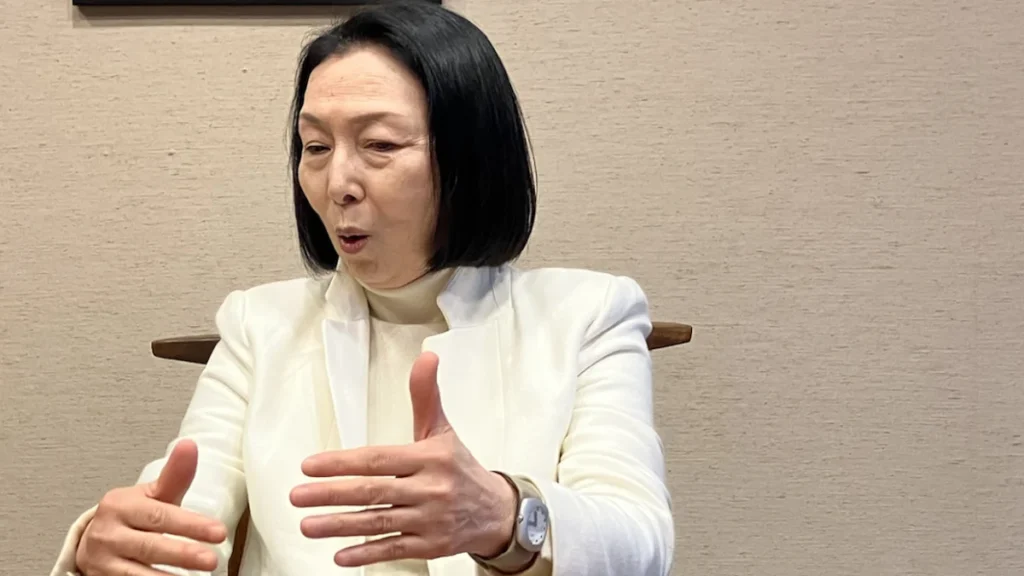


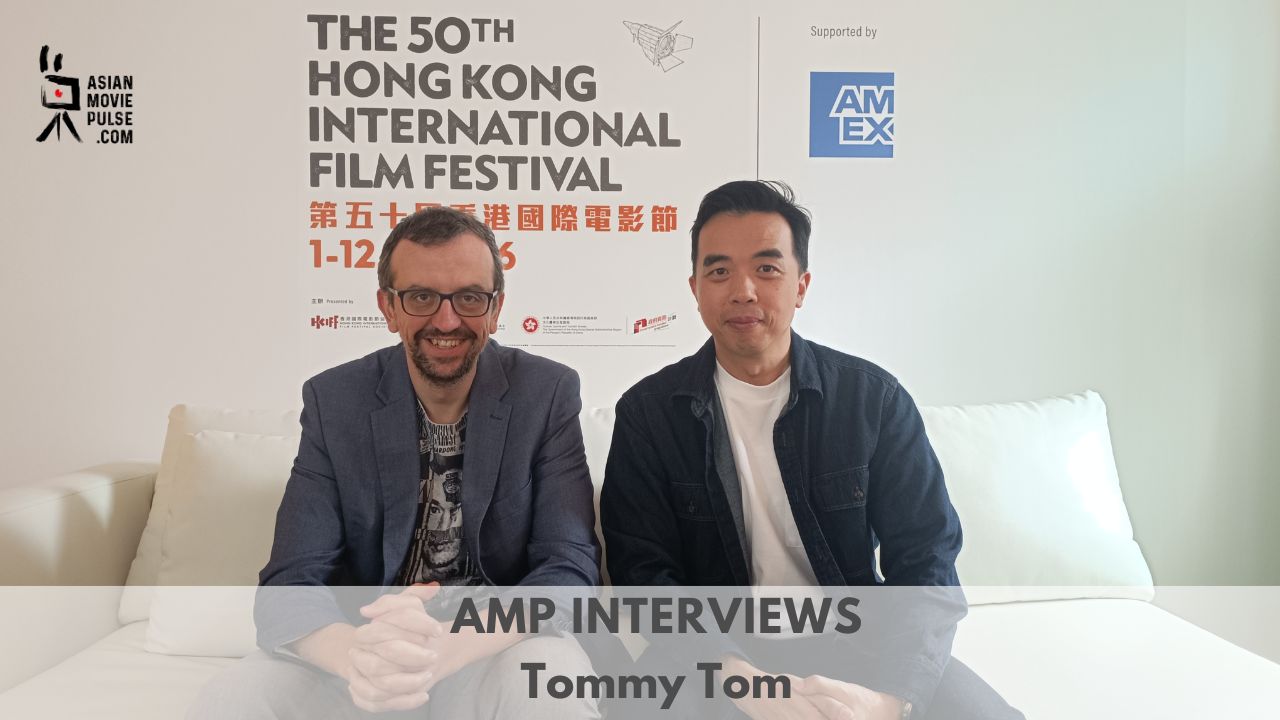
The Hong Kong International Film Festival, a venerable institution that has showcased the cinematic prowess of Asia for decades, once again served as a platform for emerging and established voices. Among the notable presentations at this year’s festival was Tommy Tom’s directorial effort, "Spare Queen," a character-driven drama that leverages the often-overlooked intricacies of bowling to explore the complexities of human connection. In an exclusive interview with Asian Movie Pulse during the festival, Tom delved into the creative genesis of his film, dissecting its thematic core—a story of two women whose bonds are strongest at their moments of greatest distance—and offering a candid perspective on the challenges of filmmaking in Hong Kong’s increasingly precarious industry.
The genesis of "Spare Queen" lies in director Tommy Tom’s personal affinity for bowling, a sport he describes as fundamentally a solitary battle against oneself. This introspection is mirrored in the film’s Chinese title, which directly translates to an "impossible split," a reference to the seven and ten pins that remain standing at opposite ends of the bowling lane after a standard throw. These seemingly insurmountable obstacles become a potent metaphor for the film’s central characters, portrayed by Stephy Tang and Chrissie Chau. Tom elucidates that the rare achievement of converting such a split is an unforgettable, yet ephemeral, victory. The pins are reset, their inherent distance reasserted, mirroring the fleeting yet impactful intersections of lives. "Spare Queen" captures this poignant paradox: two women who forge a profound, albeit temporary, connection in a singular moment, destined to diverge in their life trajectories. Despite the inevitability of separation, that brief convergence leaves an indelible mark, a testament to the enduring power of shared experience, however transient. The film’s concluding scene, as described by Tom, encapsulates this sentiment: the characters share a knowing glance, a silent acknowledgment of their shared history, before embarking on separate paths, each carrying the other’s memory within their hearts.
The "Impossible Split": A Metaphor for Fleeting Bonds
Tom’s personal connection to bowling underpins the film’s central metaphor. He began bowling as a solo pursuit, drawn to its self-contained nature, where neither teammates nor adversaries are necessary for engagement. As friendships formed around the lanes, the intrinsic appeal of bowling remained: a contest of self-mastery rather than external competition. This philosophy directly informed the narrative of "Spare Queen." Initially, Tom’s screenwriter expressed reservations, deeming a bowling-centric story potentially static and lacking in dramatic tension. Tom, however, countered that the true drama resides in the internal struggle, the bowler’s confrontation with the pins that remain after a failed attempt. The score of an opponent is irrelevant; the challenge is to address one’s own remaining obstacles.
This psychological framework became the bedrock of "Spare Queen." The two protagonists, burdened by deeply entrenched emotional baggage, tend to externalize blame for their predicaments. The film argues, through Tom’s directorial lens, that true progress necessitates confronting the self-inflicted wounds. Much like a bowler must face the remaining pins after an unsuccessful first roll, Tom’s characters can only move forward by acknowledging and addressing their unresolved issues. The act of avoidance perpetuates failure, while courage, even in the face of daunting odds, paves the way for a different, more hopeful outcome. This thematic resonance is particularly potent within the context of a film festival that often highlights narratives of resilience and self-discovery.
Crafting Visual Spectacle from a Solitary Sport
Translating the introspective nature of bowling into compelling cinematic language presented a unique challenge, which Tom and his cinematographer, Chris Lee Chi-wah, tackled with innovative visual strategies. They employed an array of unconventional camera angles, positioning equipment behind the pins and along the lane’s periphery. These perspectives offered audiences an intimate and rarely-seen view of the sport, surpassing even the immersive angles often seen in professional televised tournaments.
Beyond practical camera work, Tom integrated sophisticated computer graphics to capture moments that would be physically impossible to film. The judicious use of extreme slow motion, ultra-close-ups on the impact of ball and pins, and unusual trajectories of the rolling ball and scattering pins imbues the sport with a heightened sense of its inherent violence and precision. These stylistic choices are most pronounced in the film’s climactic competition, where the emotional stakes for the two women are at their zenith, amplifying the internal turmoil through externalized visual dynamism. The film’s presence at the Hong Kong International Film Festival, known for its diverse and visually experimental programming, makes these technical achievements particularly noteworthy.
A Quietly Devastating Strike: Unpacking a Pivotal Scene
A particularly poignant moment that resonated with the interviewer involves Stephy Tang’s character, who is seen silently contemplating the empty pin deck after achieving a strike late in the narrative. Tom confirms this scene as a pivotal emotional beat. For him, the pins symbolize the protagonist’s long-suppressed personal issues. By the time she reaches this crucial match, she has begun to internalize the necessity of confronting her past rather than continuing to flee. The clear lane, achieved through the strike, represents more than a victory in the game; it is a visual manifestation of her readiness to extricate herself from a damaging relationship and reclaim agency over her life.
Tom recounted his direction of Tang for this scene, emphasizing the character’s internal realization of seizing her destiny. The focus was on conveying a sense of inner control rather than overt emotional display. The result is a seemingly simple image that encapsulates a lifetime of hesitation culminating in a decisive moment of forward momentum. This nuanced portrayal is a hallmark of the festival’s commitment to character-driven storytelling.
From Animation to Blockbusters: Tom’s Cinematic Journey
Tommy Tom’s directorial career is informed by a diverse background, beginning with his training as an animator, inspired by Japanese masters such as Hayao Miyazaki and Katsuhiro Otomo. His studies in animation in Canada were followed by a return to Hong Kong, where he found employment in visual effects. This trajectory led him from behind a computer screen to a visual effects producer, placing him on the sets of major productions, including the celebrated martial arts epic "Kung Fu Hustle" and Quentin Tarantino’s iconic "Kill Bill" series.
This extensive experience in visual effects has directly shaped his approach to "Spare Queen." Operating within a more modest budget, Tom strategically concentrated his resources on a select number of crucial shots. The final championship sequence, in particular, showcases layered computer-generated imagery designed to heighten suspense and deepen the audience’s connection to the characters’ inner turmoil. Influenced by the high-impact commercial projects of his earlier career, Tom believes that the most impactful visual moments often serve as the narrative’s culmination, hence the deliberate allocation of a significant portion of his visual effects budget to the film’s conclusion. This pragmatic approach to visual storytelling is a testament to his adaptability and understanding of cinematic impact.
Casting Against Type and Cultivating On-Screen Friction
Tom’s casting choices for "Spare Queen" were deliberate, aiming to push his actors beyond their established personas. With Stephy Tang, he sought to move beyond her frequent portrayal of the "good girl" archetype. In "Spare Queen," Tang embodies a mistress and young mother who smokes, characteristics that diverge significantly from her personal life and on-screen image. Tom was eager to see her inhabit a more complex and morally ambiguous character.
Similarly, for Chrissie Chau, Tom envisioned a departure from her earlier roles where her characters often suffered at the hands of others. He cast her as a driven and successful businesswoman within the bowling world, a character possessing both formidable strength and profound vulnerability. The dynamic between these two women is predicated on the clash of their inherent strengths, simmering resentment, and buried empathy, creating a compelling dramatic tension.
Anson Kong, known for his contributions to the music and television industries, was cast as a character approximately ten years younger than Chau’s. Tom sought a performer who possessed physical attractiveness, demonstrable talent, and the maturity to convincingly portray a man who could capture the attention of a seasoned and accomplished woman. Adam Pak, with a background in fine arts, was chosen to play an artist whose outward charisma masks less admirable qualities. Pak’s distinctive look and artistic training made him, in Tom’s estimation, a natural fit for the role.
To amplify the on-screen hostility between Tang and Chau, Tom employed subtle directorial techniques, at times intentionally keeping them apart during the shooting schedule. He recalled physically positioning himself between them to limit casual conversation before intense scenes, thus preserving the raw emotional charge. For a pivotal confrontation involving a bowling ball, the actors were sequestered in separate tents to maintain the necessary tension. While they engaged in amicable conversation during lighter moments, Tom guarded the more emotionally charged sequences, ensuring that the resentment conveyed felt immediate and authentic. This meticulous approach to actor direction is vital in the nuanced storytelling often celebrated at film festivals.
The Toughest Days on Set: Navigating Budgetary and Logistical Hurdles
Working within the constraints of an eight million Hong Kong dollar budget, Tom frequently found himself needing to shoot seven to eight scenes per day to adhere to the tight production schedule. The cost of location rentals left no room for overruns or delays. Surprisingly, the film’s love scene, which Tom anticipated as a significant challenge for a first-time director, proceeded smoothly, a testament to the professionalism and preparedness of the lead actors.
The climactic championship sequence, however, proved to be a considerably more demanding undertaking. Filmed over four days in a Macau bowling center, this extended segment had to be meticulously pieced together around the fragmented availability of the cast. Tom was unable to shoot in chronological order, often filming one side of an interaction without all the necessary actors present. To maintain narrative coherence, he meticulously story-boarded the entire sequence as if it were an action set piece, holding the complex geography and rhythm of the scenes in his mind.
Equally taxing were the quiet, emotionally resonant scenes. One such moment involved a beach conversation where Tang’s character speaks to a young girl, a representation of her own younger self. Tom carefully guided Tang away from overt displays of emotion, encouraging her to internalize the feeling rather than externalize it through tears. The objective was to allow the audience to perceive the depth of what the character was holding back, rather than witnessing a conventional crying scene. This nuanced direction contributes to the film’s exploration of unspoken grief and resilience.

Releasing "Spare Queen" into a Fragile Market Landscape
Tommy Tom anticipates the theatrical release of "Spare Queen" in Hong Kong cinemas after the summer period, a strategic decision aimed at avoiding the intense competition of major blockbuster releases. He is candid about the current state of the Hong Kong film industry, acknowledging that while local audiences continue to patronize cinemas, only a select few films achieve substantial box office success, typically in the range of one hundred million Hong Kong dollars annually. Many critically acclaimed films, including a recent science fiction drama that Tom particularly admires, struggle to surpass ten million Hong Kong dollars at the box office.
On a practical level, a production with a budget of approximately eight million Hong Kong dollars requires a box office return in the low twenties of millions to break even—a target that few films manage to achieve. Tom notes that while this economic challenge is not unique to Hong Kong, it feels particularly acute within the territory. Nevertheless, he maintains that his primary responsibility as a filmmaker is to bring stories he believes deserve to be told to the screen. This commitment to artistic integrity in the face of economic headwinds is a recurring theme among filmmakers showcased at international festivals.
The Significance of Female Athletes in Sports Cinema
"Spare Queen" centers on female athletes within a genre that has historically been male-dominated. Tom observes that the majority of sports-themed films continue to focus on male competitors. His research and writing process for "Spare Queen" revealed numerous women who dedicate themselves to their respective sports with an intensity equal to, or exceeding, that of their male counterparts, yet they remain largely underrepresented in cinematic narratives.
With "Spare Queen," Tom aimed to address this disparity, even in a modest way. By focusing on two women whose personal lives, past decisions, and professional ambitions intersect on the bowling lanes, he hopes to offer audiences a glimpse into the sacrifices and internal struggles that female athletes navigate daily. This focus on underrepresented narratives aligns with the growing global emphasis on diversity and inclusion in filmmaking, a sentiment often championed by festival organizers.
Navigating the Shifting Sands of Hong Kong’s Film "Industry"
Looking beyond his current project, Tom is actively developing new scripts. However, he candidly admits the necessity of returning to commercial work to sustain himself financially. In his assessment, what was once a robust film industry in Hong Kong has transformed into a more fluid community of highly skilled individuals who can no longer rely solely on cinema for their livelihoods.
Many directors and crew members he knows hold full-time jobs elsewhere and pursue their creative endeavors during their limited free hours. He hesitates to label these pursuits as mere hobbies, given the rigorous training and professionalism still required. However, economic realities prevent most from treating filmmaking as their sole career path. Those who remain in the field do so out of a profound love for storytelling.
Tom remains optimistic about his prospects as a director. Early responses to "Spare Queen" have been varied, with some viewers deeply moved by its narrative and others less impressed. He accepts this spectrum of reception as an inherent part of presenting personal work to an audience. If the film resonates with a sufficient number of viewers, it may provide him with the opportunity to direct again, continuing his commitment to impactful storytelling in a challenging yet vital cinematic landscape. The Hong Kong International Film Festival, through its platform and programming, plays a crucial role in nurturing such voices and ensuring the continued vitality of regional cinema.