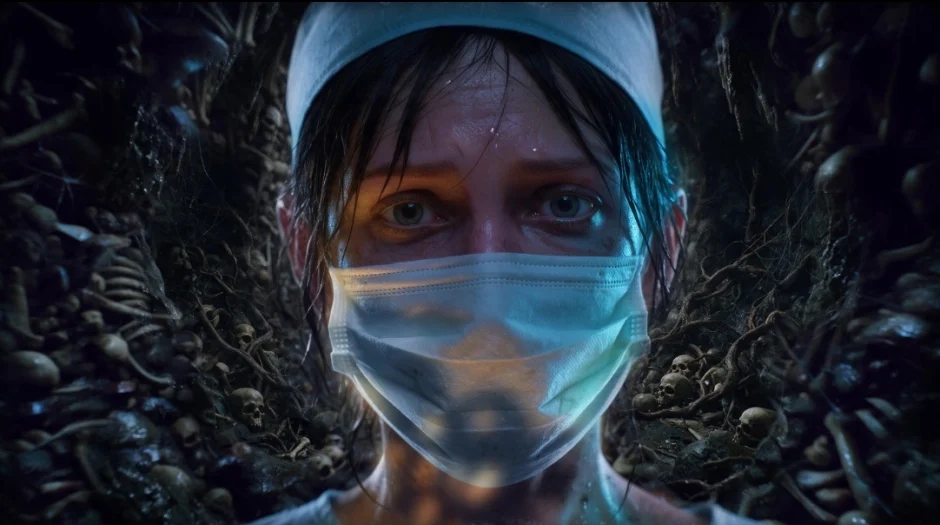
The upcoming theatrical release of The AI Doc: Or How I Became an Apocaloptimist on March 27 marks a significant milestone in the public discourse surrounding artificial intelligence. Directed by Academy Award winner Daniel Roher and codirector Charlie Tyrell, the documentary seeks to navigate the complex landscape of rapid technological advancement through a deeply personal lens. The film arrives at a time when the global community is grappling with the dual nature of AI: its potential to solve humanity’s most pressing problems and its capacity to disrupt the very foundations of society.
By securing rare sit-down interviews with the leading figures of the AI revolution—OpenAI CEO Sam Altman, Anthropic CEO Dario Amodei, and Google DeepMind CEO Demis Hassabis—the filmmakers have achieved a level of access that has eluded many other documentarians. This "Big Three" of the AI world rarely appears together in a single narrative, making the film a primary source of insight into the minds of those currently steering the development of Artificial General Intelligence (AGI). However, the documentary also highlights the inherent tensions between corporate messaging and the existential anxieties of the general public.
The Evolution of AI Media and the Quest for Access
The journey to produce The AI Doc reflects the broader struggle for transparency within the secretive world of Silicon Valley. Other filmmakers have faced significant hurdles when attempting to engage with these tech leaders. For instance, Adam Bhala Lough, the creator of the documentary Deepfaking Sam Altman, spent months attempting to secure an interview with the OpenAI CEO. After his inquiries were repeatedly ignored, Lough resorted to using a digital avatar and a chatbot trained on Altman’s speech patterns to simulate the conversation.
In contrast, Daniel Roher’s pedigree as the director of Navalny—the 2022 documentary following the late Russian opposition leader Alexei Navalny—likely provided the necessary gravitas to open doors. Despite this access, the film reveals a recurring pattern in the communication strategies of AI executives. When Roher asks Altman why the public should trust him to guide the acceleration of AI, Altman’s succinct response—"You shouldn’t"—serves as a pivotal moment in the film. It highlights a rhetorical technique common among tech leaders: acknowledging the gravity of their power while simultaneously offering no concrete mechanisms for accountability.
The production of the film coincided with a period of unprecedented growth in the AI sector. Since the public launch of ChatGPT in November 2022, OpenAI’s valuation has reportedly surged past $80 billion, while competitors like Anthropic have secured billions in funding from tech giants like Amazon and Google. This economic backdrop informs much of the documentary’s underlying tension regarding the concentration of wealth and power.
Chronology of the AI Gold Rush and Documentary Production
The timeline of The AI Doc parallels the most volatile period in AI history. The film was conceived and shot during a sequence of industry-defining events:
- Late 2022: The release of Large Language Models (LLMs) to the public triggers a global race for AI supremacy.
- Early 2023: Major tech corporations pivot their entire business models toward generative AI, leading to massive investments in compute power and data acquisition.
- Mid-2023: Prominent AI researchers, including "Godfathers of AI" Geoffrey Hinton and Yoshua Bengio, begin issuing public warnings about existential risks, citing concerns over bioweapons, autonomous warfare, and the loss of human control.
- Late 2023: The internal leadership crisis at OpenAI, which saw Sam Altman briefly ousted and then reinstated, underscored the fragile governance structures of the organizations building AGI.
- Early 2024: The AI Doc enters its final editing phase, incorporating the "apocaloptimist" framework to balance the extreme predictions of both doom and utopia.
This chronology is essential to understanding the film’s urgency. Roher frames the narrative through his own transition into fatherhood, wondering what kind of world his son will inherit. This personal stake serves as the emotional core of the documentary, grounding abstract technological concepts in the reality of human experience.
Technical Definitions and the Specter of AGI
A notable strength of the documentary is its commitment to clarity. Roher avoids the dense jargon typically associated with Silicon Valley, instead opting for plain language to define the stakes. A central theme is the pursuit of Artificial General Intelligence (AGI)—a theoretical point where an AI system can perform any intellectual task a human can, and eventually surpass human cognition.
While current models are primarily predictive text engines, the film explores the transition toward "agentic" AI—systems that can set goals and act upon the world. The documentary features Tristan Harris, cofounder of the Center for Humane Technology, who provides a sobering counterpoint to executive optimism. Harris notes that many experts in AI safety are so concerned about the trajectory of the technology that they question whether the current generation of children will even reach adulthood in a recognizable society.
Supporting data from various AI safety organizations suggests that Harris’s concerns are shared by a significant portion of the scientific community. A 2023 survey of 2,778 AI researchers found that while many see immense benefits, the median respondent estimated a 5% chance of human extinction or other similarly catastrophic outcomes resulting from high-level AI.
Official Responses and Corporate Strategy
The interviews with Altman, Amodei, and Hassabis reveal a unified front of "sober caution." These executives frequently compare the advent of AI to the development of nuclear weapons, suggesting that the technology is so powerful it requires a new global regulatory framework. However, critics argued in the film’s post-screening Q&A that this comparison serves a dual purpose: it emphasizes the importance of the technology (boosting company value) while suggesting that only the current leaders are equipped to handle such a "dangerous" tool (discouraging smaller competitors through heavy regulation).
Reid Hoffman, a prominent venture capitalist and early investor in several AI ventures, appears in the film to offer a more traditional techno-optimist view. He acknowledges that "unspecified harms" are inevitable but maintains that the potential to cure diseases and solve climate change outweighs the risks. The film notes that neither Mark Zuckerberg of Meta nor Elon Musk of X (formerly Twitter) agreed to be interviewed, despite their significant roles in the AI landscape.
Analysis of Economic Implications and Social Responsibility
The AI Doc does not shy away from the economic realities of the industry. Roher has been vocal during the film’s press tour, describing the current AI economy as a "Ponzi scheme" in interviews with outlets like Vanity Fair. This critique stems from the massive capital requirements of AI development, where billions are spent on hardware and energy, often without a clear path to profitability that doesn’t involve further rounds of investment or the exploitation of public data.
The documentary observes that the "unregulated AI gold rush" is driven by market incentives that prioritize speed over safety. This creates a "race to the bottom" where companies are disincentivized from implementing rigorous safety checks if doing so would allow a competitor to reach a milestone first. The film posits that this mania concentrates power in the hands of a very small circle of elites, potentially leaving the rest of the global population as mere observers to their own future.
Artistic Direction and the Human Element
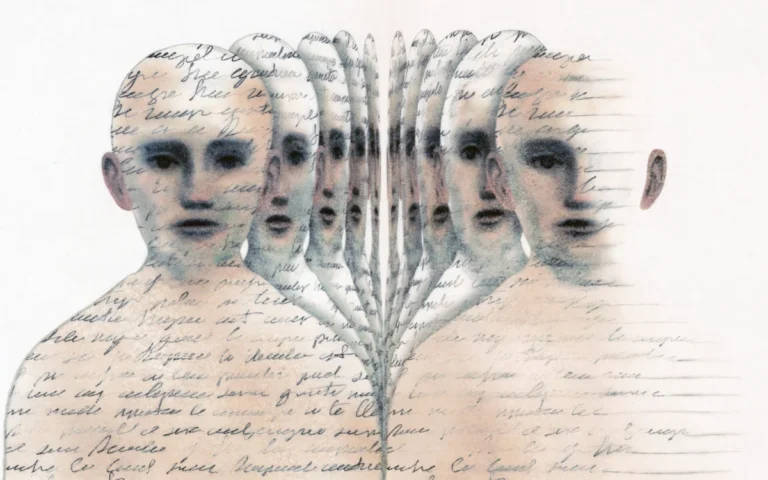
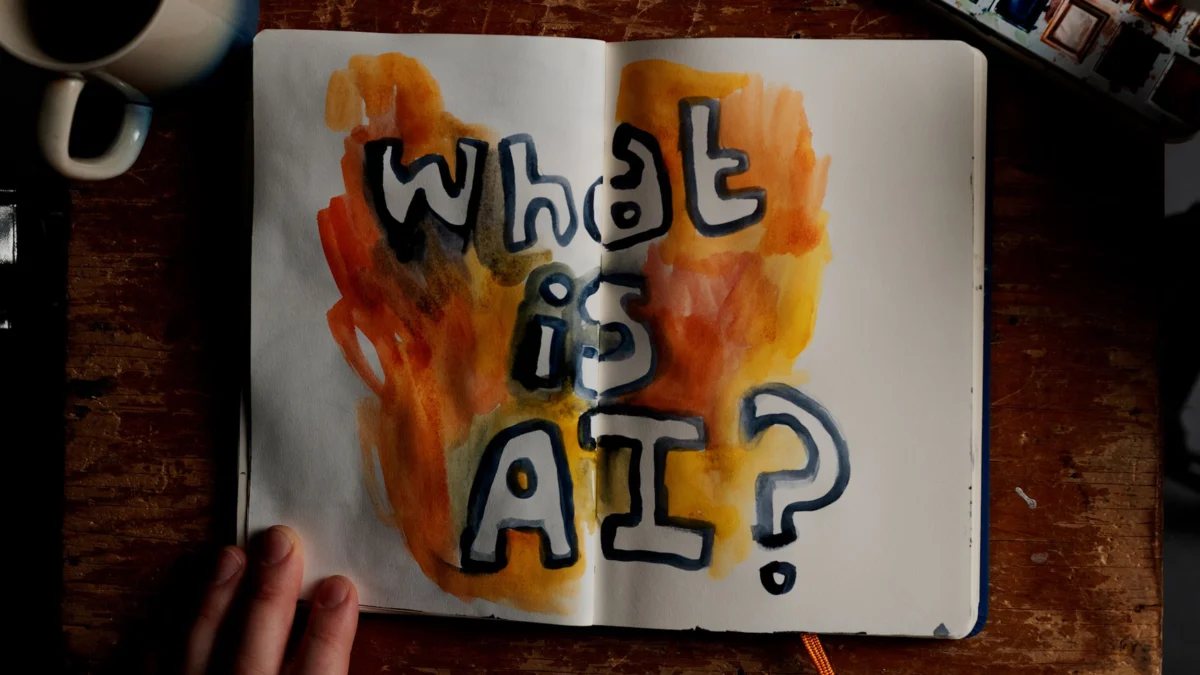
Visually, The AI Doc distinguishes itself from the sterile, high-tech aesthetic common in the genre. It features colorful drawings and paintings by Roher himself, alongside stop-motion sequences influenced by producer Daniel Kwan, the Oscar-winning codirector of Everything Everywhere All at Once. This creative choice serves to emphasize the "human" in the face of the "artificial."
The film concludes with a call to action, suggesting that the path of AI can still be influenced by collective human will. It draws parallels to grand historical projects like the construction of the Golden Gate Bridge, implying that societal progress is a matter of choice and governance rather than an inevitable technological drift.
Broader Impact and Industry Reception
Following a recent screening at the Academy Museum in Los Angeles, the production team emphasized that the film is intended to be the beginning of a larger conversation. Producer Ted Tremper and director Charlie Tyrell reiterated that the goal was not to provide all the answers, but to "raise the floor" of public understanding so that citizens can more effectively pressure their governments for regulation.
The documentary’s release comes at a critical juncture for AI policy. The European Union recently passed the AI Act, the world’s first comprehensive horizontal regulation on AI, while the United States has seen a flurry of executive orders and congressional hearings aimed at establishing "guardrails." The AI Doc serves as a cultural touchstone in this legislative period, reminding policymakers that behind the technical specifications and economic projections are real human anxieties about the future of work, education, and the definition of intelligence itself.
Ultimately, The AI Doc: Or How I Became an Apocaloptimist presents a paradox. It offers a platform to the architects of a new world while simultaneously questioning their right to build it. By weaving together personal narrative with high-stakes corporate drama, the film challenges the audience to move beyond passive observation and engage with the technology that may soon define every aspect of human life.