


During the inaugural Triple-i Initiative Showcase, a digital event dedicated to highlighting high-budget independent titles, Vancouver-based developer Klei Entertainment officially revealed Don’t Starve Elsewhere. This upcoming installment marks a significant milestone for the franchise, serving as the first major standalone multiplayer entry since the 2016 release of Don’t Starve Together. While the series has maintained a consistent presence through various expansions and updates over the last decade, Elsewhere represents a foundational shift in how players interact with the game’s notoriously unforgiving environments, introducing a verticality and mechanical depth previously unseen in the series.
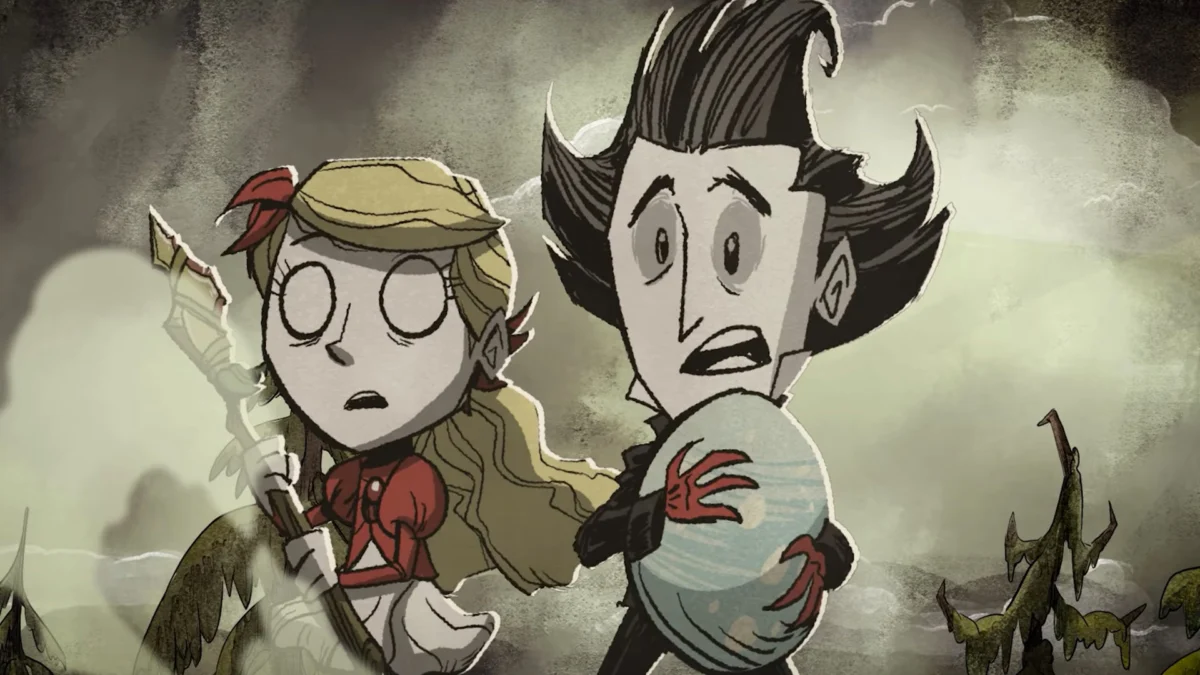
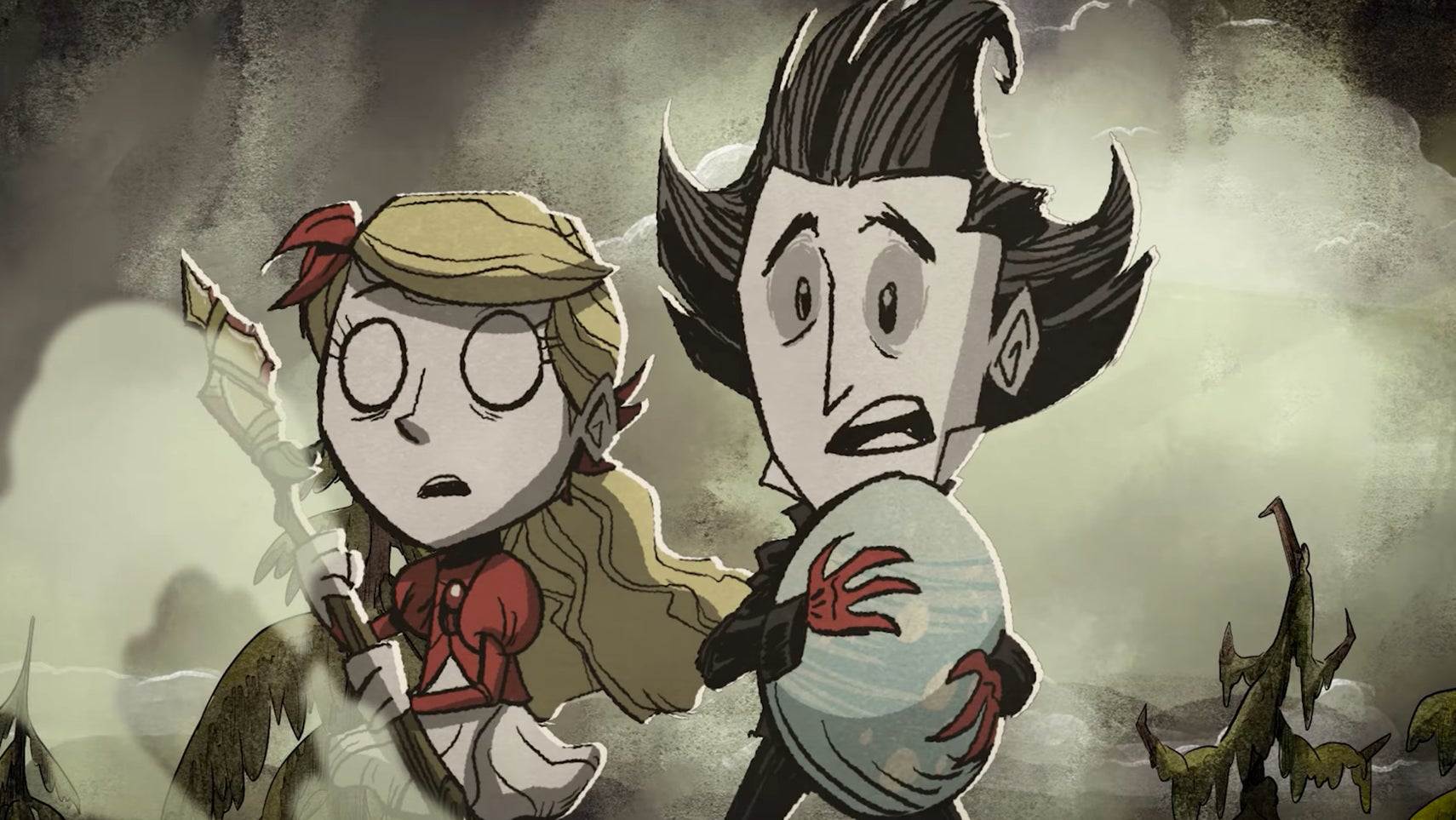
The announcement trailer, which debuted to a global audience of survival-genre enthusiasts, showcased the signature "Gothic-storybook" art style that has defined the series since its inception in 2013. However, the footage immediately highlighted the game’s primary innovation: a departure from the strictly flat, isometric planes of previous titles in favor of a "multi-tiered wilderness." This structural change introduces hills, mountains, and varied elevations that will force players to reconsider their exploration strategies and base-building layouts.
A Legacy of Survival: From 2013 to the Present
To understand the significance of Don’t Starve Elsewhere, one must look at the trajectory of the franchise and its developer, Klei Entertainment. The original Don’t Starve launched in April 2013, quickly becoming a sleeper hit due to its uncompromising difficulty, unique Tim Burton-esque aesthetic, and deep crafting systems. It was one of the early pioneers of the "roguelike survival" boom on Steam, challenging players to manage hunger, health, and a precarious "Sanity" meter while fending off eldritch horrors in the dark.
In 2014, Klei released the Reign of Giants expansion, followed by the tropical-themed Shipwrecked in 2015 and the civilization-focused Hamlet in 2018. However, the most transformative moment for the brand was the release of Don’t Starve Together (DST) in 2016. Originally intended as a multiplayer expansion, DST evolved into a standalone live-service platform that has received nearly a decade of continuous content updates.
The announcement of Don’t Starve Elsewhere suggests that Klei is ready to move beyond the technical limitations of the original game’s engine. By introducing a "multi-tiered" world, the developers are addressing one of the few remaining frontiers for the series: 3D spatial navigation within a 2D-animated framework.
New Mechanics and Environmental Hazards
The core gameplay loop of Don’t Starve—gathering resources, crafting tools, and surviving the night—remains the heartbeat of Elsewhere. However, the introduction of verticality changes the stakes. Players will no longer simply walk across a map; they must now navigate snow-capped peaks and "spelunk deep into winding cave systems" that exist on different physical levels.
Klei has confirmed several new biomes designed to test the limits of player cooperation:
- The Drenched Redwoods: A forest biome characterized by towering trees and relentless, torrential rainstorms. This environment will likely interact with the series’ existing "wetness" mechanic, which affects item durability and player body temperature.
- The Chilly Peaks: High-altitude zones that introduce freezing hazards and require specialized gear to traverse. The verticality suggests that climbing and descent will be as important as horizontal travel.
- The Tumultuous Seas: While Shipwrecked introduced naval travel, Elsewhere promises "rushing rivers and tumultuous seas," implying a more dynamic water system that integrates with the mainland geography.
Perhaps the most enigmatic addition is the "Cursed Fog." In previous titles, the primary environmental threat was the darkness of night, which summoned the invisible monster Charlie. The Fog appears to be a localized, drifting hazard that players can either flee from or enter at the risk of their sanity. Klei’s promotional materials pose a central question to the community: "Will you run from it, or risk your sanity to explore its secrets?" This suggests that the Fog may house high-tier resources or unique lore-related encounters that are inaccessible under normal conditions.
The Triple-i Initiative and Independent Innovation
The reveal of Don’t Starve Elsewhere took place within the context of the Triple-i Initiative, a collaborative effort by major indie studios including Klei, Red Hook Studios (Darkest Dungeon), and Evil Empire (Dead Cells). The initiative was formed to create a marketing platform for "Triple-I" games—independent titles that boast high production values and large player bases but remain outside the traditional AAA publishing ecosystem.
The inclusion of Don’t Starve Elsewhere as a headline announcement underscores Klei Entertainment’s position as a leader in the indie space. Since its acquisition of a majority stake by Tencent in 2021, Klei has maintained full creative autonomy, and Elsewhere appears to be the fruit of that stability, allowing the studio to take larger technical risks with a storied intellectual property.
Technical Evolution and Procedural Generation
Procedural generation has always been a cornerstone of the Don’t Starve experience, ensuring that no two "worlds" are identical. In Elsewhere, the complexity of this generation is expected to increase significantly. Generating a map that includes rivers, caves, and mountain ranges while maintaining the balance of resource distribution is a significant computational challenge.
Industry analysts note that the shift to a multi-tiered world likely requires a complete overhaul of the game’s pathfinding AI and collision systems. In the original titles, entities moved on a flat grid. In Elsewhere, enemies and players alike must account for height, which could introduce new combat mechanics such as high-ground advantages or falling damage—elements that were previously non-existent in the franchise.
Market Context and the Survival Genre
The announcement comes at a time when the survival genre is experiencing a massive resurgence. Titles like Valheim, Enshrouded, and Palworld have demonstrated a high market demand for cooperative survival games that offer both exploration and complex building systems.

Don’t Starve Elsewhere enters this competitive landscape with a significant advantage: a dedicated, decade-old fan base and a distinct visual identity that stands out against the many photorealistic or low-poly survival titles on the market. By leaning into its "strange and unforgiving" magic-filled world, Klei is positioning Elsewhere as the sophisticated, atmospheric alternative to more traditional survival sims.
Community Reaction and Official Statements
While Klei has been characteristically reserved regarding specific lore details, the community response has been overwhelmingly positive. On platforms like Steam and various gaming forums, fans have expressed particular interest in how the "multiplayer" aspect will be integrated. Unlike Don’t Starve Together, which was retrofitted for multiplayer, Elsewhere is being built from the ground up with a shared experience in mind.
In a brief statement accompanying the trailer, Klei Entertainment noted: "We wanted to take everything we’ve learned about survival over the last eleven years and apply it to a world that feels truly new. Elsewhere isn’t just a new map; it’s a new way to experience the dread and wonder of the Don’t Starve universe."
Release Timeline and Availability
As of the current announcement, Don’t Starve Elsewhere is confirmed for a PC release via Steam. A specific release date has not yet been provided, and the studio has not officially commented on console ports for PlayStation 5, Xbox Series X/S, or Nintendo Switch. Historically, Klei has utilized Early Access periods to refine their games based on player feedback—a strategy used successfully for Oxygen Not Included and the original Don’t Starve.
The Steam store page for the game is currently live, allowing users to "wishlist" the title. This is often a precursor to a more detailed gameplay deep-dive or an Early Access launch window announcement. Given the polish shown in the Triple-i trailer, industry insiders speculate that a playable alpha or beta version could be made available within the next twelve to eighteen months.
Conclusion and Future Outlook
Don’t Starve Elsewhere represents a bold step forward for Klei Entertainment. By introducing verticality and new environmental hazards like the Cursed Fog, the studio is challenging the conventions of its own most successful franchise. For a series that has survived for over a decade on the strength of its atmosphere and punishing difficulty, this new chapter promises to provide both veteran "survivors" and newcomers a fresh reason to fear the dark—and now, the heights. As development continues, the gaming industry will be watching closely to see if Elsewhere can capture the same lightning-in-a-bottle success that made its predecessors staples of the survival genre.