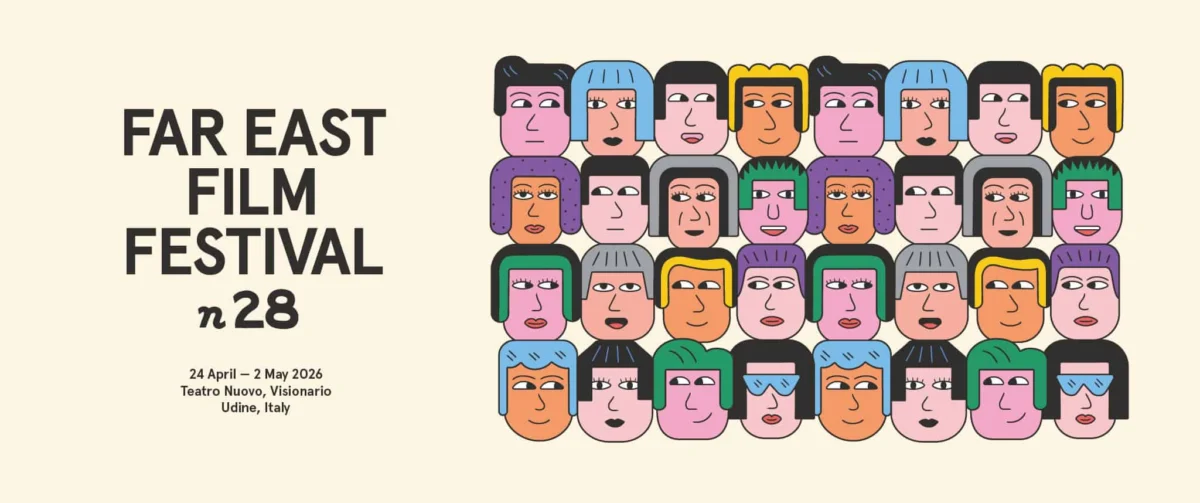
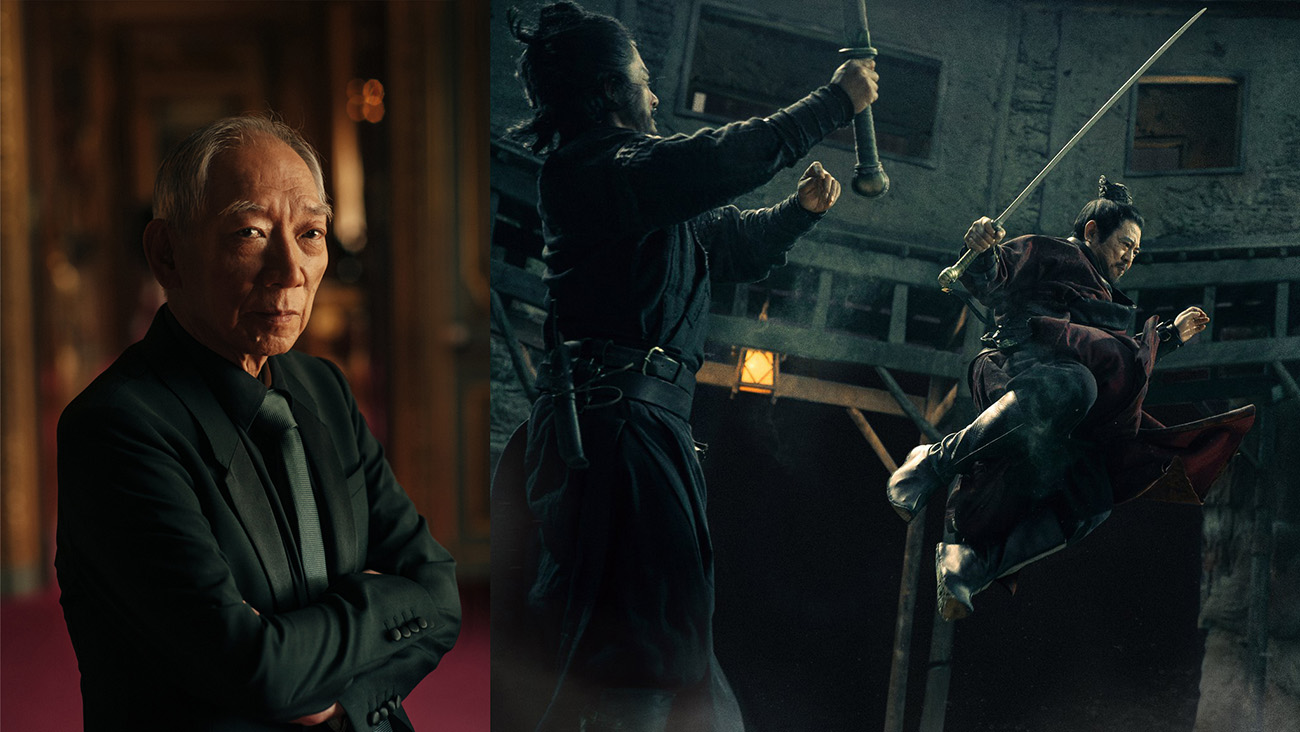
The Udine Far East Film Festival (FEFF), a globally recognized platform for Asian cinema, is set to bestow its prestigious Gelso d’Oro alla Carriera (Golden Mulberry Lifetime Achievement Award) upon the inimitable Yuen Woo-ping, a filmmaker and martial arts choreographer whose visionary work has indelibly shaped the landscape of action cinema for decades. This esteemed accolade celebrates a career that has not only redefined the visual and physical language of martial arts films but has also established Yuen as an international touchstone for cinematic excellence in action choreography. His journey, from his early prominence in Hong Kong to his global acclaim, underscores his pivotal role as both a director and the creative architect behind some of the most breathtaking and influential fight sequences in modern cinematic history.
A Legacy Forged in Motion and Vision
Yuen Woo-ping’s impact on cinema is profound and multifaceted. His innovative approach to martial arts choreography, characterized by its fluidity, athleticism, and gravity-defying artistry, transcended traditional genre boundaries. He possesses a unique ability to imbue action sequences with narrative depth and emotional resonance, transforming mere physical combat into compelling storytelling. This mastery has made him a sought-after collaborator for some of the world’s most celebrated directors, cementing his status as a true maestro of the cinematic fight.
His early career in Hong Kong laid the foundation for his groundbreaking work. Yuen’s contributions to films like Drunken Master (1978) were instrumental in catapulting Jackie Chan to international stardom, showcasing a dynamic and comedic style of kung fu that captivated audiences worldwide. This film, in particular, is often cited as a pivotal moment in the evolution of martial arts cinema, demonstrating Yuen’s knack for developing unique fighting styles tailored to his actors’ strengths and personalities. The film’s innovative use of props and its blend of humor with expertly executed action set a new benchmark.
The influence of Yuen Woo-ping extends far beyond Hong Kong’s borders. His unique vision and unparalleled skill caught the attention of Hollywood and independent filmmakers across the globe. This led to a series of high-profile collaborations that brought his distinctive choreography to an even wider audience. His work on Ang Lee’s Crouching Tiger, Hidden Dragon (2000) was a watershed moment, earning him an Academy Award nomination for Best Foreign Language Film and solidifying his international reputation. The film’s balletic fight sequences, set against breathtaking landscapes, introduced a new generation of Western audiences to the poetic beauty of wuxia cinema and Yuen’s genius.
Further solidifying his global reach, Yuen collaborated with Quentin Tarantino on Kill Bill: Vol. 1 (2003) and Vol. 2 (2004). These films showcased his ability to adapt his signature style to a more stylized and hyper-violent aesthetic, delivering iconic duels that have become etched in cinematic memory. The Bride’s showdown with the Crazy 88, for instance, is a masterclass in controlled chaos and visual storytelling. His work with the Wachowskis on The Matrix trilogy (1999-2003) was another monumental achievement, pushing the boundaries of visual effects and action filmmaking. The iconic "bullet time" sequences, while heavily reliant on technology, were conceived with Yuen’s understanding of physics and motion, creating a seamless blend of practical choreography and digital innovation.
The enduring vitality of Yuen Woo-ping’s artistry is further underscored by the Udine Far East Film Festival’s decision to present his latest project, Blades of the Guardians, as the closing film of its 28th edition. This choice highlights the festival’s commitment to showcasing both the rich history and the ongoing evolution of Asian cinema, and Yuen’s new film serves as a powerful testament to his continued creative prowess and his ability to inspire and captivate audiences across generations.
The Udine Far East Film Festival: A Beacon for Asian Cinema
The Udine Far East Film Festival, established in 1999, has carved out a unique and vital niche in the global film calendar. Held annually in Udine, Italy, it is the oldest and most important European festival dedicated to the cinema of the Far East. Its mission is to promote and celebrate the diverse cinematic traditions of Asia, from established masters to emerging talents. Over the years, FEFF has become a crucial bridge between Eastern and Western film industries, fostering cultural exchange and providing a platform for films that might otherwise struggle to find distribution in the West.
The festival’s commitment to showcasing a wide array of genres, from historical epics and contemporary dramas to thrilling action films and poignant documentaries, reflects the dynamism and breadth of Asian filmmaking. FEFF is renowned for its discerning selection of films, often premiering significant works that go on to achieve international acclaim. Its dedication to preserving and promoting Asian cinematic heritage, alongside its embrace of new trends, makes it a respected and anticipated event for filmmakers, critics, and cinephiles alike.
The Gelso d’Oro alla Carriera is the festival’s highest honor, reserved for individuals who have made extraordinary and lasting contributions to Asian cinema. Past recipients include luminaries such as John Woo, Bong Joon-ho, and Hou Hsiao-hsien, all of whom have left an indelible mark on the global film landscape. Yuen Woo-ping’s inclusion in this distinguished list is a fitting recognition of his unparalleled achievements and his transformative influence on the art of cinematic action.
Chronology of a Cinematic Revolution
Yuen Woo-ping’s journey in filmmaking spans over five decades, marked by consistent innovation and an unwavering dedication to his craft.
- 1960s-1970s: Yuen began his career as a stuntman and actor in Hong Kong martial arts films. He honed his skills under the tutelage of legendary figures in the industry, absorbing the nuances of traditional martial arts and their cinematic representation. This foundational period provided him with an intimate understanding of fight choreography from the ground up.
- Late 1970s: Yuen made his directorial debut and quickly gained recognition for his innovative fight sequences. His work on Drunken Master (1978) alongside Jackie Chan was a pivotal moment, showcasing a new, more dynamic and entertaining approach to kung fu. This film is widely credited with revitalizing the genre and launching Jackie Chan into superstardom.
- 1980s: Yuen continued to direct and choreograph, further developing his distinctive style. He helmed a number of successful martial arts films, solidifying his reputation within Hong Kong cinema. His collaborations during this period often involved pushing the boundaries of physical storytelling and incorporating inventive use of wirework and camera angles.
- 1990s: Yuen’s influence began to transcend Hong Kong. His choreography for Wong Kar-wai’s Ashes of Time (1994) demonstrated his ability to integrate martial arts into more arthouse-oriented narratives, adding a layer of philosophical depth to the action.
- 2000s: The turn of the millennium marked Yuen’s ascent to global superstardom. His work on Ang Lee’s Crouching Tiger, Hidden Dragon (2000) garnered international critical acclaim and an Academy Award nomination. This was swiftly followed by his iconic contributions to the Wachowskis’ The Matrix trilogy (1999-2003), which revolutionized action filmmaking in Hollywood. His collaborations with Quentin Tarantino on Kill Bill: Vol. 1 (2003) and Vol. 2 (2004) further cemented his status as a master choreographer.
- 2010s-Present: Yuen has continued to direct and choreograph, demonstrating his enduring creativity. His involvement in projects like The Grandmaster (2013), a Wong Kar-wai film that celebrated the life of Ip Man, and his directorial work on films like True Legend (2010) and his latest, Blades of the Guardians, attest to his sustained passion and relevance in the industry.
Supporting Data and Analysis
Yuen Woo-ping’s career is not just a testament to artistic talent but also to the economic and cultural impact of martial arts cinema. The global box office success of films he has been involved with, particularly those in the Hollywood sphere, demonstrates the significant commercial appeal of his work. For example, The Matrix trilogy grossed over $1.6 billion worldwide, with a substantial portion of its appeal attributed to its groundbreaking action sequences choreographed by Yuen. Similarly, Crouching Tiger, Hidden Dragon earned over $213 million globally, becoming the highest-grossing foreign-language film in U.S. history at the time of its release.
The influence of Yuen’s choreography can be observed in countless subsequent films across various genres. Filmmakers worldwide have emulated his techniques, from the use of wirework to create a sense of weightlessness to the intricate, multi-layered fight compositions. This widespread adoption has led to a homogenization of action sequences in some instances, but it also speaks volumes about the universality and effectiveness of Yuen’s innovations. His work has inspired a generation of choreographers and directors to think beyond conventional fight scenes, integrating them as integral narrative elements rather than mere spectacle.
The inclusion of Blades of the Guardians as the closing film of FEFF’s 28th edition is significant. It signals the festival’s ongoing commitment to showcasing contemporary Asian cinema that carries forward the legacy of masters like Yuen. The film’s reception at the festival will likely provide insights into current trends in Chinese martial arts cinema and Yuen’s continuing ability to adapt and innovate within the genre.
Official Responses and Inferred Reactions
While specific official statements from Yuen Woo-ping regarding the award are not yet public, it is highly probable that he will express his gratitude and honor at being recognized by a festival as esteemed as the Udine Far East Film Festival. Such an award from a European institution dedicated to Asian cinema would likely be seen as a profound affirmation of his life’s work and his global impact.
Festival organizers, in their announcement, have emphasized Yuen’s "indispensable role in shaping the visual and physical grammar of action films." This statement reflects a deep appreciation for his technical mastery and his artistic vision. It is likely that the festival’s artistic director and selection committee have long admired Yuen’s contributions, and this award represents a culmination of years of recognizing his influence on the cinema they champion.
One can infer that directors and choreographers who have collaborated with Yuen, or who have been directly inspired by his work, would likely express their congratulations. Ang Lee, for instance, might reflect on Yuen’s pivotal role in bringing the ethereal beauty of Crouching Tiger, Hidden Dragon to life. Similarly, filmmakers like Quentin Tarantino would likely acknowledge Yuen’s unique ability to craft unforgettable and visceral action. The broader film community, particularly those within the action and martial arts genres, will undoubtedly celebrate this well-deserved recognition of a true pioneer.
Broader Impact and Implications
The recognition of Yuen Woo-ping by the Udine Far East Film Festival carries significant implications for the perception and appreciation of martial arts cinema on a global scale. It elevates the genre beyond mere entertainment, highlighting the artistry, innovation, and storytelling power inherent in expertly choreographed action. This award reinforces the idea that action choreography is a legitimate and vital cinematic discipline, worthy of critical acclaim and academic study.
For the Udine Far East Film Festival, this honor further solidifies its position as a leading institution for the promotion of Asian cinema. By celebrating a figure of Yuen’s stature, FEFF attracts global attention and reinforces its commitment to showcasing the highest caliber of filmmaking from across the continent. The inclusion of his latest work underscores the festival’s forward-looking approach, bridging the legacy of a master with the future of the genre.
The award also serves as an inspiration to emerging filmmakers and choreographers, particularly those from Asia. Yuen Woo-ping’s journey from stuntman to legendary director and choreographer demonstrates that dedication, talent, and innovation can lead to global recognition and lasting impact. His story is a powerful reminder of the potential for Asian cinema to influence and captivate audiences worldwide, pushing the boundaries of storytelling and visual artistry.
In an era where visual effects often dominate action sequences, Yuen Woo-ping’s continued emphasis on practical choreography and human athleticism remains a vital counterpoint. His work serves as a testament to the power of human movement, skill, and creativity. The Gelso d’Oro alla Carriera is not just an award for past achievements; it is an acknowledgment of an enduring legacy that continues to inspire and shape the future of cinematic action. The Udine Far East Film Festival, by honoring Yuen Woo-ping, is not only celebrating a singular artist but also reaffirming the profound and lasting influence of Asian cinema on the global stage.