
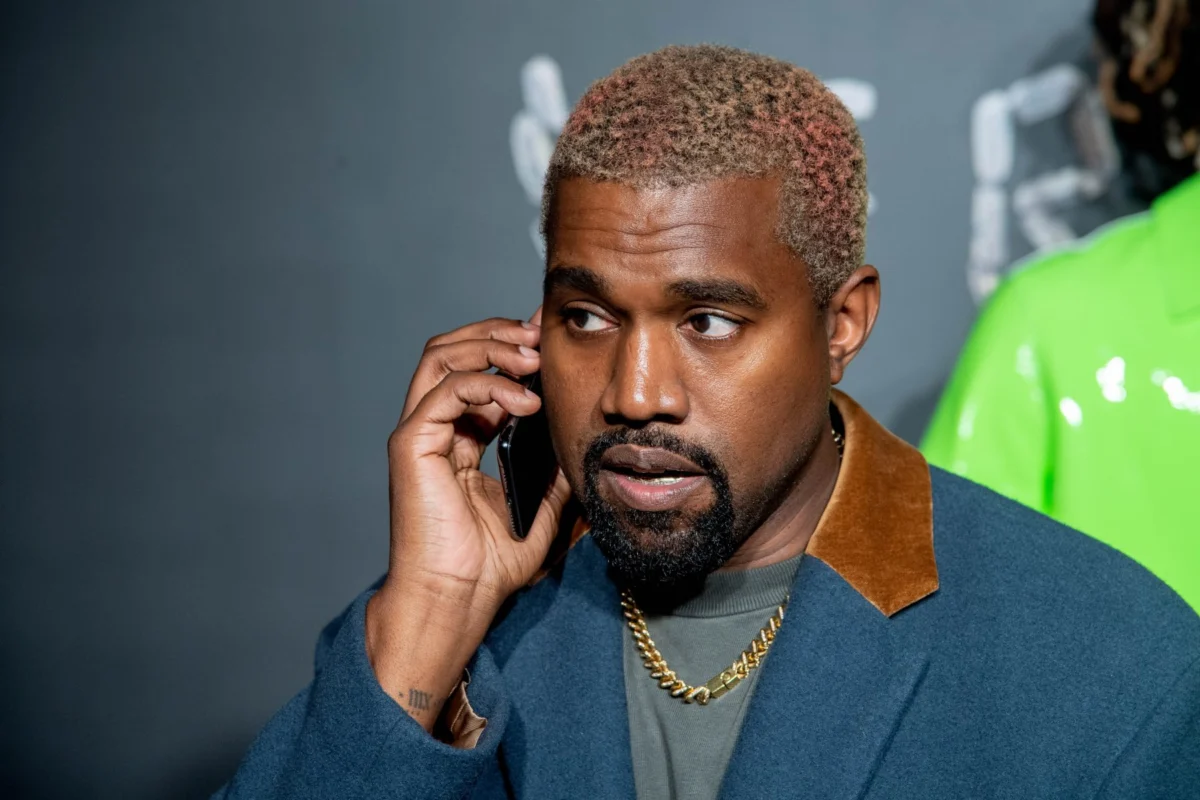
The anticipated headlining performance of Ye, formerly Kanye West, at the Wireless Festival in London has been thrown into disarray following a Tuesday announcement by the U.K. Home Office that the artist has been barred from entering the country. This development, occurring just over a week after Ye was initially confirmed as a headliner for three nights of the festival, has led to the subsequent cancellation of the entire Wireless Festival, a prominent annual music event. The festival’s organizers confirmed the cancellation on Tuesday, April 7, citing the Home Office’s decision as the decisive factor.
This swift turn of events marks a significant disruption for both the artist and the festival, which was slated to take place from July 10 to July 12. The ban comes amid a period of intense scrutiny for Ye, whose recent activities and public statements have drawn widespread criticism, particularly concerning allegations of antisemitism. The U.K. government’s decision to deny entry reflects a stance against individuals whose presence is deemed not conducive to the public good, a category that can encompass those who have engaged in hate speech or promoted extremist ideologies.
A Tumultuous Ten Days for Ye
The past ten days have been exceptionally eventful for Ye. On March 28, he released his latest album, "Bully," which has been met with mixed reviews and further debate regarding its lyrical content and thematic elements. Following the album’s release, Ye returned to the stage for a pair of highly publicized and sold-out shows at SoFi Stadium in Los Angeles on April 1 and April 3. These performances, intended to showcase his musical prowess and engage with his fanbase, were overshadowed by the escalating controversies surrounding his public persona and pronouncements.
The decision by the U.K. Home Office to deny Ye entry appears to be the culmination of a series of escalating pressures and public reactions. The festival’s organizers, despite initial support for providing Ye a platform, have found themselves in an untenable position as a result of the government’s intervention and the mounting backlash from various stakeholders.
The Domino Effect of Backlash
The momentum against Ye’s participation in Wireless Festival began to build significantly in the days leading up to the Home Office’s announcement. Public sentiment, amplified by media coverage and influential voices, turned increasingly critical. The London Mayor’s office and even the U.K. Prime Minister’s office were reported to have expressed concerns regarding Ye’s potential appearance. This elevated level of official and public disapproval created a ripple effect that impacted the festival’s broader ecosystem.
Primary sponsors, crucial for the financial viability of large-scale music events, began to withdraw their support. Reports indicated that major corporations, including Pepsi, a historically significant partner for Wireless Festival, initiated their disassociation from the event due to the controversy surrounding Ye. This financial and reputational pressure undoubtedly played a substantial role in the eventual decision-making process for the festival organizers.
A Stance of Defense and Calls for Forgiveness
Amidst the growing opposition, Wireless Festival organizer Melvin Benn initially released a statement defending the decision to include Ye on the festival lineup. Benn articulated a philosophy of offering second chances and promoting forgiveness in an increasingly divided world. His statement, made public prior to the Home Office’s ban, suggested a belief in redemption and the potential for art to foster positive change.
"Forgiveness and giving people a second chance are becoming a lost virtue in this ever-increasing divisive world and I would ask people to reflect on their instant comments of disgust at the likelihood of him performing (as was mine) and offer some forgiveness and hope to him as I have decided to do," Benn stated, expressing a personal commitment to offering Ye an opportunity to demonstrate growth and positive change through his music.
Ye’s Statement and a Plea for Understanding
In response to the mounting criticism and the potential consequences for his festival appearances, Ye himself released a statement on Tuesday morning. In this statement, he expressed a willingness to engage in dialogue with Jewish leaders and reiterated his intention to use his platform to promote unity, peace, and love. He acknowledged the limitations of words and pledged to demonstrate change through his actions.
"I know words aren’t enough — I’ll have to show change through my actions," Ye communicated, indicating an awareness of the gravity of the situation and a desire to address the concerns raised by his previous remarks and behavior. This statement was released on the same day that pre-sale tickets for the festival had reportedly sold out, highlighting the significant demand for his performance despite the controversies.
The Festival’s Demise and a Look Ahead
Hours after the pre-sale ticket sell-out, Wireless Festival made the official announcement of its cancellation. The decision to scrap the entire festival, rather than attempt to replace Ye as a headliner or proceed with a modified lineup, underscores the profound impact of the U.K. government’s ban and the broader reputational damage incurred. The festival, which has been a cornerstone of the U.K. summer music calendar, now faces an uncertain future.
For Ye, this ban represents a significant impediment to his international touring plans, particularly in Europe. While his European tour was scheduled to continue with a show in Reggio Emilia, Italy, on July 18, the U.K. ban raises questions about his ability to enter other countries and participate in future events. The situation highlights the complex interplay between an artist’s public persona, their controversial statements, and the legal and logistical ramifications for their professional endeavors.
A Chronology of Events
The rapid sequence of events leading to the cancellation of Wireless Festival and Ye’s U.K. travel ban can be traced through the following timeline:
- March 30: Ye (formerly Kanye West) is announced as a headliner for three nights at the Wireless Festival in London.
- March 28: Ye releases his album "Bully."
- April 1 & 3: Ye performs two sold-out shows at SoFi Stadium in Los Angeles.
- Leading up to April 7: Public backlash intensifies regarding Ye’s past statements and alleged antisemitism. Key figures, including the Mayor of London and representatives from the U.K. Prime Minister’s office, express concerns. Major sponsors like Pepsi begin to distance themselves from the festival.
- April 7 (Tuesday morning): Ye releases a statement expressing his willingness to meet with Jewish leaders and his desire to promote unity and peace through his music. Pre-sale tickets for Wireless Festival reportedly sell out.
- April 7 (Tuesday): The U.K. Home Office officially bars Ye from entering the United Kingdom.
- April 7 (Tuesday): Wireless Festival announces the cancellation of the entire event, citing the Home Office’s decision.
Broader Implications and Analysis
The barring of Ye from the U.K. carries significant implications, extending beyond the immediate cancellation of the Wireless Festival. It signals a more assertive stance by governments in scrutinizing individuals with a history of promoting hate speech or divisive ideologies, particularly when they seek to enter a country. This decision could set a precedent for how other nations approach similar situations involving public figures whose actions and words are deemed harmful.
For the music industry, this event underscores the evolving landscape of artist accountability. While artistic expression is often celebrated, there is an increasing expectation for artists to be mindful of the impact of their public statements and to face consequences when those statements cross ethical and legal boundaries. The financial and reputational risks associated with associating with artists embroiled in controversy are now more pronounced than ever.
The situation also highlights the power of public opinion and media influence in shaping the trajectory of major events. The swift and vocal condemnation of Ye’s alleged antisemitic remarks, amplified through various media channels, created a powerful force that ultimately contributed to governmental intervention. This demonstrates the growing agency of the public in holding individuals and organizations accountable for their choices.
The cancellation of Wireless Festival represents a substantial loss for the music community and for the fans who had anticipated the event. The economic impact of canceling such a large-scale festival, including lost revenue for vendors, staff, and the local economy, is also a considerable factor. The long-term impact on the festival’s reputation and its ability to secure future bookings remains to be seen.
Ultimately, the case of Ye’s U.K. ban and the subsequent Wireless Festival cancellation serves as a complex case study in the intersection of celebrity, social responsibility, government policy, and the evolving dynamics of public discourse in the digital age. The incident prompts ongoing reflection on the boundaries of free speech, the responsibility of public figures, and the mechanisms through which societies address and respond to harmful rhetoric.