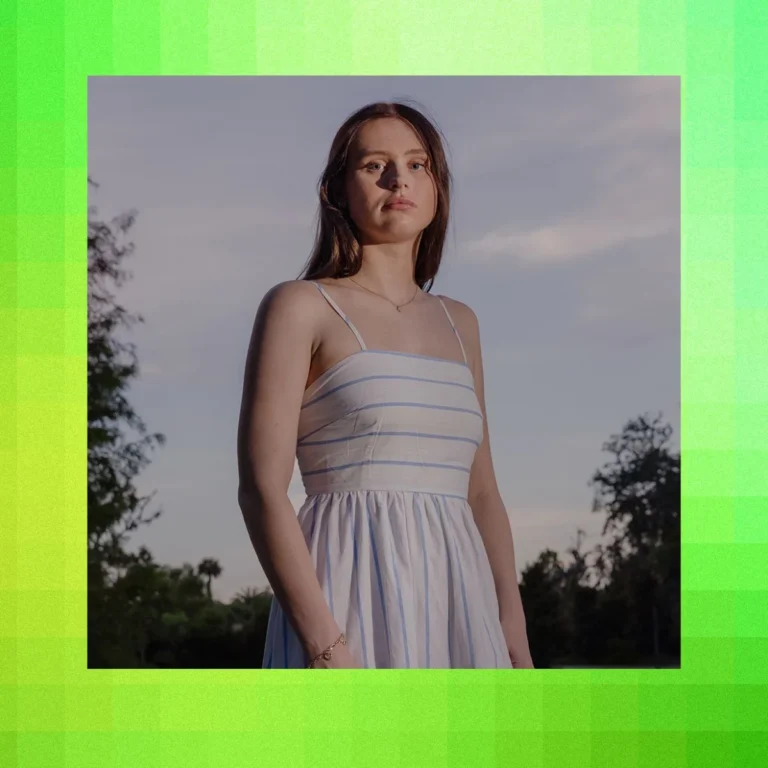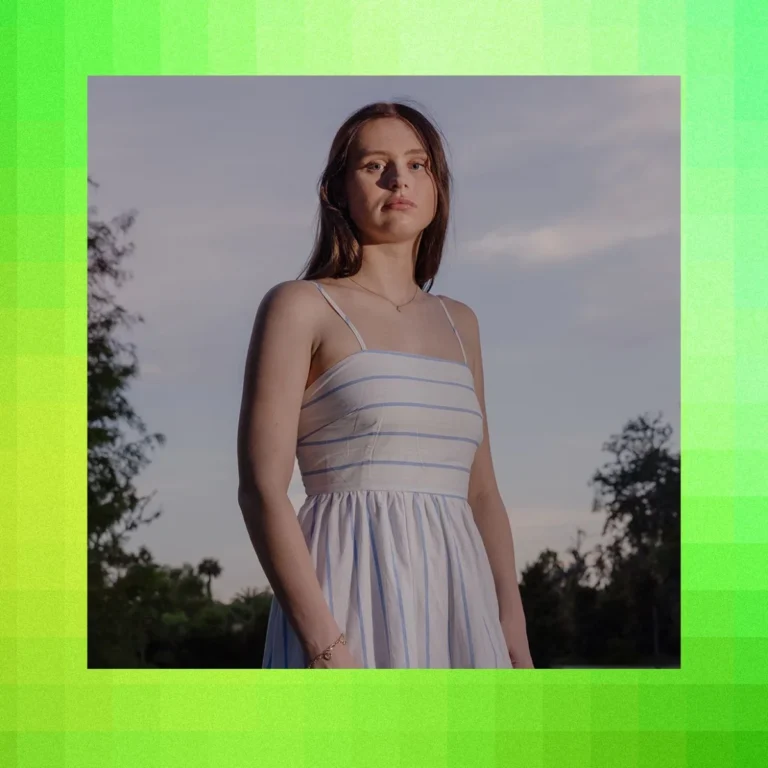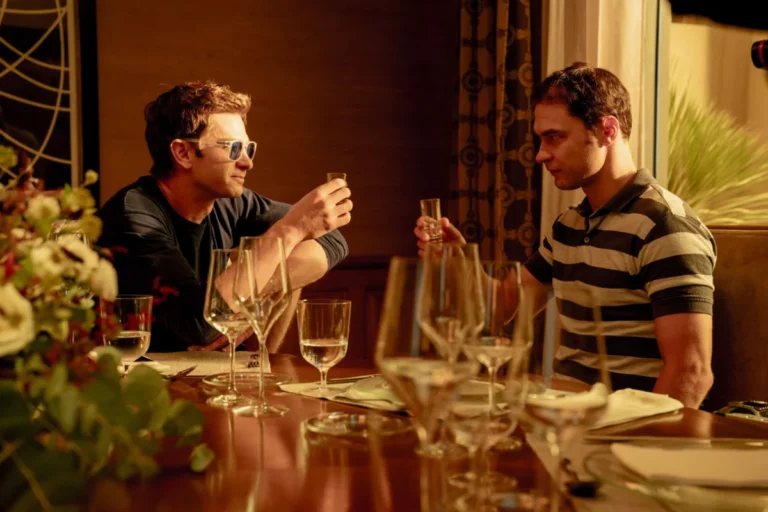
The documentary’s central narrative is framed by Roher’s impending fatherhood. As he and his wife, filmmaker Caroline Lindy, prepare for the birth of their first child, Roher embarks on a global quest to understand the world his son will inherit. This personal stake serves as the emotional anchor for a series of interviews with the architects of the modern AI revolution, including Sam Altman of OpenAI, Dario Amodei of Anthropic, and Demis Hassabis of Google DeepMind.
The Quest for Transparency in the AI Era
Securing an interview with Sam Altman has become a difficult feat for contemporary filmmakers. The documentary highlights this challenge by contrasting Roher’s success with the experience of Adam Bhala Lough, who recently produced Deepfaking Sam Altman. Lough, after months of ignored inquiries, resorted to using a digital avatar and a chatbot trained on Altman’s speech patterns to conduct a simulated interview. In contrast, Roher managed to secure sit-down sessions with the "Big Three" of the AI world: Altman, Amodei, and Hassabis.
Despite this level of access, the film has drawn attention for the perceived evasiveness of its subjects. When Roher questions Altman on why the public should trust him to manage a technology with the potential to reshape human civilization, Altman’s response—“You shouldn’t”—serves as a pivotal, if frustrating, moment in the film. This exchange encapsulates a recurring theme in the documentary: the leaders of the AI industry often acknowledge the gravity of their work while offering few concrete reassurances regarding oversight or accountability.
The filmmakers also reached out to Mark Zuckerberg of Meta and Elon Musk of X (formerly Twitter), though neither agreed to participate. Their absence highlights the competitive and often secretive nature of the "AI arms race," where proprietary models and strategic silence are frequently used to maintain market dominance.
Chronology of the AI Surge and Documentary Development
The development of The AI Doc coincided with one of the most transformative periods in technological history. The timeline of the film’s production mirrors the meteoric rise of generative AI:
- Late 2022: OpenAI releases ChatGPT, sparking a global frenzy and a massive influx of capital into Large Language Models (LLMs). This period serves as the starting point for Roher’s investigation.
- Early 2023: Anthropic, founded by former OpenAI executives Dario and Daniela Amodei, secures billions in funding from Amazon and Google, positioning itself as a "safety-first" competitor.
- Mid-2023: Roher begins conducting interviews, coinciding with his own personal journey toward fatherhood. During this time, industry leaders began signing open letters warning that AI could pose an "extinction-level risk" on par with pandemics and nuclear war.
- Late 2023: The "Altman Affair" occurs, in which the OpenAI board briefly ousted Altman over concerns regarding transparency, only for him to be reinstated days later following employee pressure. While not the primary focus of the film, this event provides critical context for the questions of trust raised by Roher.
- March 2024: The film premieres, arriving at a time when the European Union has passed the first comprehensive AI Act and the U.S. government is grappling with executive orders on AI safety.
Supporting Data: The Scale of the AI Revolution
To understand the stakes presented in The AI Doc, one must look at the data driving the industry. The documentary touches upon the concentration of wealth and power, a sentiment backed by current market trends. As of early 2024, the "Magnificent Seven" tech stocks (including Microsoft, Alphabet, and Meta) have seen their market caps swell by trillions of dollars, largely driven by AI optimism.
- Investment Figures: In 2023 alone, global investment in AI startups reached approximately $50 billion. Microsoft’s partnership with OpenAI involves a reported $13 billion investment, while Anthropic has secured commitments totaling over $7 billion.
- Computational Power: The "compute" required to train state-of-the-art models has been doubling roughly every six months, far outstripping Moore’s Law. This requires massive energy consumption and infrastructure, raising environmental concerns that the documentary briefly explores.
- Economic Impact: Reports from Goldman Sachs suggest that generative AI could automate up to 300 million full-time jobs globally, while simultaneously boosting global GDP by 7% over a ten-year period.
These figures provide the backdrop for the "apocaloptimism" mentioned in the title—a state of being where one recognizes the potential for total societal collapse while simultaneously hoping for a technological utopia.
Divergent Perspectives and Expert Warnings
The documentary features a spectrum of voices ranging from techno-optimists to proponents of "AI Risk" (x-risk). Tristan Harris, co-founder of the Center for Humane Technology, provides some of the film’s most sobering commentary. Harris argues that the current trajectory of AI development mirrors the early days of social media but with far higher stakes. He notes that some researchers in the field are so concerned about the technology’s impact on the social fabric and cognitive development that they doubt the viability of traditional education systems for the next generation.
On the other side of the spectrum, venture capitalist Reid Hoffman and other Silicon Valley figures present a vision of AI as a tool to solve "impossible" problems, such as curing cancer or reversing climate change. However, the film notes that these promises are often accompanied by a "modest shrug" when executives are asked about the internal mechanics of their models. The "black box" problem—where even the creators of an AI do not fully understand how it reaches certain conclusions—remains a central point of contention.
Visual Artistry and Production Influence
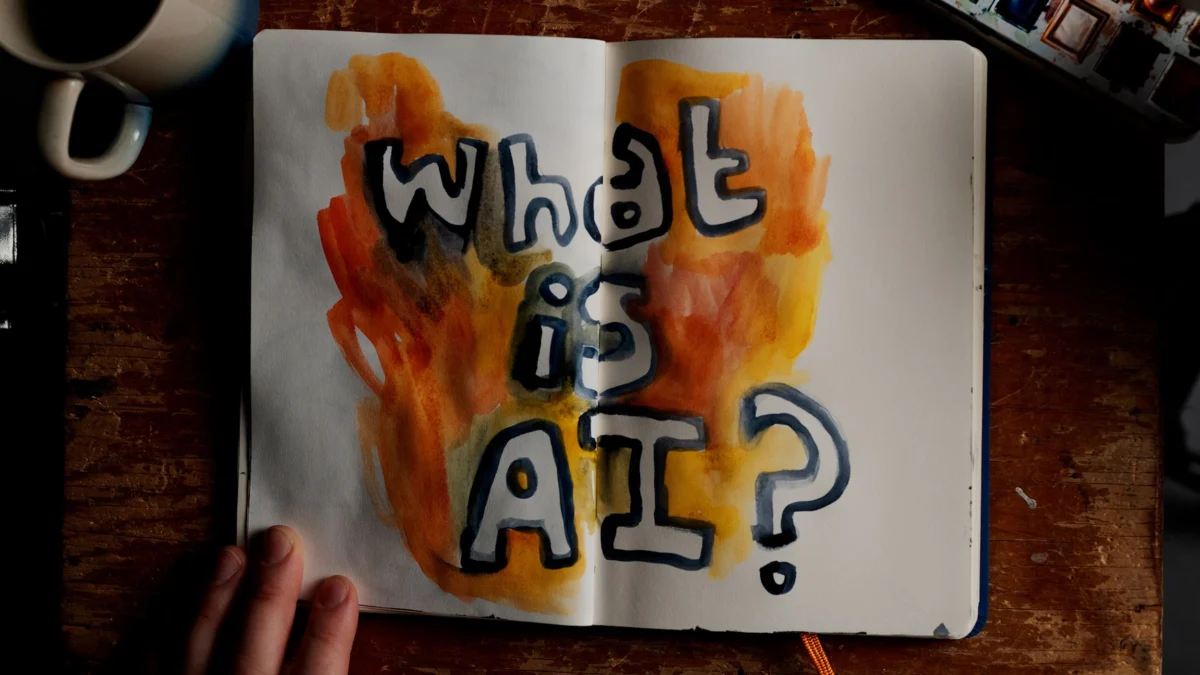
Visually, The AI Doc departs from the stark, clinical aesthetic often associated with technology documentaries. It incorporates colorful drawings and paintings by Roher himself, alongside whimsical stop-motion sequences. This creative choice is attributed in part to the influence of producer Daniel Kwan, the Oscar-winning co-director of Everything Everywhere All at Once.
The use of hand-drawn elements serves as a deliberate counterpoint to the synthetic nature of AI. It emphasizes human craftsmanship and the tangible world that Roher fears might be lost. This artistic approach aligns with the film’s conclusion, which seeks to find a "human-centric" path forward amid the digital noise.
Critical Analysis of Implications
The documentary has sparked debate regarding its "both-sides" approach to the AI revolution. While Roher has been vocal on the press circuit—recently describing the AI economy as a "Ponzi scheme" in an interview with Vanity Fair—the film itself takes a more conciliatory tone. It suggests that the general public holds the responsibility for steering the technology toward a safe harbor.
This shift in responsibility from the executives to the citizenry is a point of critical analysis. Critics argue that by framing the AI surge as an inevitable force of nature, rather than a series of deliberate corporate decisions, the film may inadvertently let the industry’s leaders off the hook. The comparison made in the film’s closing sequence—likening AI development to the construction of the Golden Gate Bridge—implies a collective achievement, yet observers note that the "AI gold rush" is largely driven by a small circle of elites who operate outside of traditional democratic oversight.
Furthermore, the film’s exploration of Artificial General Intelligence (AGI) is treated with a level of inevitability that some computer scientists find premature. While Altman and Hassabis speak of AGI as a looming milestone, the documentary spends little time investigating the technical hurdles or the possibility that current LLMs may reach a plateau before achieving human-level cognition.
Conclusion and Public Reception
Following a recent screening at the Academy Museum in Los Angeles, the production team, including Daniel Kwan and Tristan Harris, held a Q&A session to discuss the film’s goals. Kwan emphasized that the documentary is intended to be the "beginning of a conversation," urging audiences to "link arms" and face the uncertainty of the future together.
The documentary succeeds in humanizing a technical and often alienating subject, making the high-level debates of Silicon Valley accessible to a general audience. However, it leaves viewers with a "hazy" vision of positive change. As Roher concludes his journey by looking toward his son’s future, the film reinforces the idea that while the technological path is narrow and fraught with danger, human agency remains the only viable counterbalance.
As The AI Doc: Or How I Became an Apocaloptimist moves into general release, it stands as a historical marker of the moment humanity realized it was no longer the only intelligence on the planet, capturing the profound mixture of wonder and dread that defines the current era.