The latest comprehensive analysis of Netflix’s Top 10 viewership data reveals a dynamic and often contradictory landscape for the streaming giant. While a highly anticipated cinematic extension of a beloved British crime saga achieved remarkable success, a flagship live-action anime adaptation grapples with audience retention in its sophomore season. Meanwhile, a long-running romantic drama continues to demonstrate its consistent value, and a sci-fi epic inches closer to an all-time viewership milestone, underscoring Netflix’s multifaceted content strategy and the diverse preferences of its global subscriber base. This week’s report, spanning the critical three-day debut period for major films and the full seven-day tracking window for ongoing series, offers crucial insights into current streaming trends and the evolving economics of original content production.
Peaky Blinders: The Immortal Man Soars to Cinematic Heights
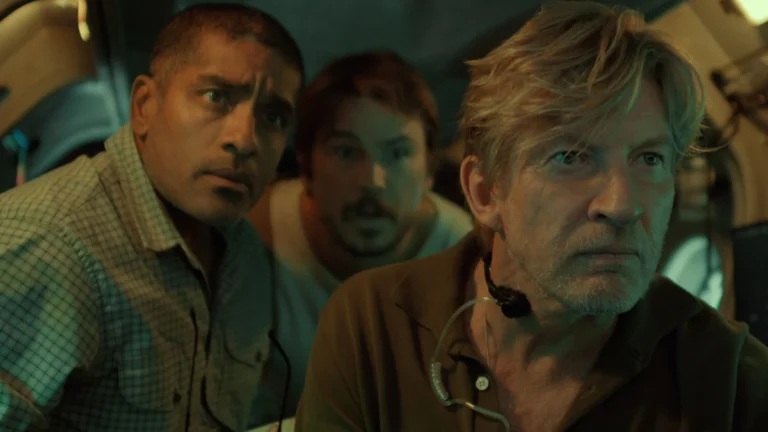
The most striking success story of the week comes from Peaky Blinders: The Immortal Man, a feature film continuation of the critically acclaimed British period crime drama. The movie, which picks up the narrative threads from the BBC and Netflix co-produced series, debuted with an impressive 25.3 million views in its opening three days. This stellar performance positions The Immortal Man as the third-largest English-language movie debut of the year on Netflix, a testament to the enduring appeal of the Shelby family saga and the strategic potency of extending popular series into cinematic formats.
The original Peaky Blinders television series, chronicling the exploits of Thomas Shelby (portrayed by Cillian Murphy) and his Birmingham gang in the aftermath of World War I, garnered widespread critical acclaim and a dedicated global fanbase across its six-season run. Its gritty storytelling, compelling characters, distinctive visual style, and evocative soundtrack, often featuring contemporary artists, made it a cultural phenomenon. For years, Netflix served as the international home for the series, building a loyal audience outside the UK, where it aired on the BBC. The decision to conclude the series with a feature film rather than a traditional seventh season was a calculated gamble by its creators, including Steven Knight, but one that appears to have paid off handsomely by providing a grand cinematic conclusion for its devoted viewers.
Industry analysts suggest that the film’s success highlights a growing trend in the streaming landscape: leveraging established intellectual property (IP) for standalone movie events. "The ‘barrier to entry’ for Peaky Blinders: The Immortal Man was significant," notes Sarah Jensen, a senior media analyst at StreamMetrics. "Prospective viewers needed to have followed six seasons of television to fully appreciate the film’s narrative and character arcs. Yet, its phenomenal debut demonstrates the power of a deeply invested fanbase and the effectiveness of a well-executed continuation." This strategy contrasts with many Netflix original films that aim for broad, immediate appeal. Instead, The Immortal Man catered to a pre-existing, highly engaged audience, converting their loyalty into impressive viewership numbers. The film’s performance outpaces several other series-to-movie transitions on the platform, including earlier British titles like Luther: The Fallen Sun and The Last Kingdom: Seven Kings Must Die, signalling a viable and potentially lucrative pathway for beloved series. The success of The Immortal Man could encourage Netflix to explore similar cinematic extensions for other popular, concluded or ongoing series with robust fan bases, offering a compelling alternative to traditional season renewals.
One Piece Season 2: A Mixed Voyage in Viewership
In contrast to the cinematic triumph, One Piece Season 2 is navigating choppier waters in terms of audience retention. Following an extensively hyped debut, the live-action adaptation of the iconic manga and anime series is tracking "notably behind" its freshman run. While initial curiosity propelled Season 1 to become one of Netflix’s most-watched new series of 2023, attracting millions globally and earning critical praise for its ambitious adaptation, Season 2’s second-week performance indicates a significant drop-off in audience engagement.
During its second week, One Piece Season 2 recorded 90.3 million hours viewed, translating to 11.1 million views. This represents a 33.70% decrease in viewing hours compared to its first full seven days. A more direct comparison to Season 1’s performance at a similar point in its lifecycle further illuminates this trend. Using a linear estimate derived from its reported Day 10 (37.8 million views) and Day 17 (47.8 million views) figures, Season 1 garnered an estimated 42.08 million views by Day 13. In stark contrast, Season 2 registered 27.9 million views by Day 13. This constitutes a substantial decline of approximately 33.7% in viewership from the previous season’s comparable period, raising questions about sustained audience interest.
The challenge of adapting beloved anime and manga into live-action formats is well-documented, with many attempts failing to capture the essence or audience of the original source material. One Piece Season 1 was a rare exception, largely praised by fans and critics for its faithful yet innovative approach that respected the original while making necessary adjustments for a new medium. Expectations for Season 2 were consequently high, fueled by the initial success and widespread discussions about the series’ potential longevity. However, the current data suggests that a significant portion of the initial curious audience from Season 1 has not returned for the sophomore outing, or is taking longer to engage with the new episodes.
"While a drop-off between seasons is a common pattern for many streaming series, the magnitude for One Piece Season 2 at this early stage warrants careful consideration," commented David Chen, a streaming analytics expert. "It’s not a catastrophic failure by any means, and 27.9 million views is still a respectable number for any series. However, it signals that the series hasn’t managed to convert a large segment of its initial viewers into long-term, committed fans at the same rate as Season 1, or that the initial novelty has worn off for some." This trend also casts a shadow over circulating rumors of One Piece receiving a massive 12-season order from Netflix. While the series continues to hold a position in the English TV Top 10 (Season 1 even reappeared at #4 this week with 4.4 million views, suggesting some viewers might be rewatching or catching up), the current trajectory does not align with the sustained, explosive growth typically associated with such ambitious, multi-season commitments. Netflix executives will likely be scrutinizing these numbers closely to understand audience engagement patterns and adjust future production strategies for this high-profile adaptation, which carries both immense potential and significant investment costs.
Virgin River: The Undisputed Queen of Comfort Viewing
Amidst the highs and lows of high-stakes blockbusters and adaptations, Virgin River Season 7 continues to quietly underscore its status as one of Netflix’s most reliably bankable shows. The romantic drama, known for its picturesque setting in a fictional Northern California town and comforting, character-driven narratives, proves its consistent appeal to a dedicated fanbase seeking emotional warmth and predictable storytelling.
In its second week, Virgin River Season 7 amassed 63.9 million hours viewed, translating to 7.7 million views. While these figures represent a slight dip – tracking approximately 15% down on Season 6’s equivalent period (an increase from the 11% reported in week one) and 32% down from the peak viewership of Season 4 a few years prior – the show’s overall performance remains robust. Its consistent popularity, particularly among its core demographic, led to an early renewal for Season 8, a clear indication of Netflix’s confidence in the series as a cornerstone of its "comfort watch" genre. This proactive renewal strategy signals the platform’s long-term commitment to proven performers.
Virgin River‘s success highlights the strategic importance of catering to niche but loyal audiences. In an era dominated by sprawling fantasy epics and gritty dramas, the show offers a warm, predictable, and emotionally engaging escape. This consistent, albeit not explosive, viewership provides a steady stream of engagement and subscriber retention, making it an invaluable asset for the streamer. "Shows like Virgin River are the unsung heroes of streaming platforms," stated Dr. Emily Thorne, a media consumption sociologist at the University of Media Studies. "They might not break global records or generate viral social media buzz, but their unwavering appeal to a specific demographic ensures predictable, sustained viewership, which is crucial for balancing the high-risk, high-reward nature of tentpole productions. These series foster a sense of loyalty and habit that is invaluable in the competitive streaming market." The early renewal for Season 8 is a testament to this strategic value, ensuring that fans of the tranquil Northern California town will have more stories to look forward to, reinforcing Netflix’s diverse content portfolio.
War Machine Nears All-Time Top 10 Milestone
The sci-fi epic War Machine continues its impressive run on Netflix, inching dangerously close to securing a coveted spot on the platform’s all-time Top 10 English-language movies list. In its third week of availability, the film added another 32.7 million hours viewed, accounting for 18 million views, despite experiencing a 59.43% drop from its peak viewership in previous weeks. This sustained performance highlights the "long tail" effect that can elevate certain titles weeks after their initial debut, accumulating substantial viewership over an extended period rather than solely relying on a strong opening weekend.
Currently, War Machine has accumulated 101.7 million views globally since its release, placing it just behind Damsel, which holds the tenth spot on the all-time list with 105.6 million views. The race is tight, and continued strong performance could see War Machine displacing Damsel in the coming weeks. This achievement, if realized, would underscore the film’s unexpected endurance and broad appeal, demonstrating that not all Netflix blockbusters are front-loaded successes. Its steady viewership over several weeks, even with decreasing weekly numbers, illustrates the platform’s ability to maintain audience engagement for popular titles through algorithmic promotion, strategic placement on the home page, and positive word-of-mouth recommendations among subscribers. The journey of War Machine exemplifies how a well-received film can continue to gain traction and solidify its place in Netflix’s historical performance metrics.
Notable Debuts and Disappointments Across the Platform
Beyond the headline-grabbing performances, this week also saw a mix of new releases and reappearing favorites across Netflix’s diverse catalog, reflecting varied audience reception.
On the English-language TV front, Love & Death, the acclaimed HBO limited series starring Elizabeth Olsen, made a significant re-appearance in the Top 10s across numerous new regions after its initial US Netflix debut last year. This highlights Netflix’s strategy of acquiring popular third-party content to bolster its offerings in specific territories where it might not have initially premiered, effectively expanding its global content library with proven hits. Similarly, Mark Rober’s CrunchLabs returned for its third season, clocking 2.9 million views. While a solid debut for the educational science series, it didn’t quite match Season 1’s 4 million views, suggesting a slight dip in enthusiasm or a more consolidated niche audience for the popular YouTube personality’s venture.
However, it was a less successful week for several other new Netflix releases. Titles like The Rise of the Red Hot Chili Peppers, Pokémon Horizons: Season 3: Rising Hope (Season 2), Unicorn Academy: Secrets Revealed, Mark Normand: None Too Pleased, and The Plastic Detox failed to break into the coveted weekly Top 10 lists. This indicates a challenging period for new documentaries and kids’ animated titles, genres that typically find consistent, if not blockbuster, audiences on the platform. The absence of these titles suggests they either struggled to capture initial attention, faced stiff competition from more established hits, or did not resonate widely enough to register in the highly competitive viewership metrics. This underscores the unpredictable nature of content consumption even within established genres.
Global Reach: International Originals Make Their Mark
Netflix’s unwavering commitment to international content was evident in the strong performance of several Non-English titles, showcasing the platform’s global appeal and diverse content strategy. The BTS THE COMEBACK LIVE | ARIRANG concert special debuted impressively at the top of the Non-English TV list with 13.1 million views, reflecting the immense global fanbase of the K-Pop phenomenon and the power of event-based programming to attract massive, immediate viewership. While specific details were noted to be covered in a separate report, its initial impact was undeniable.
From Brazil, Radioactive Emergency Season 1 made a robust debut with 3.8 million views. The intriguing artwork and compelling premise of the series clearly resonated with global audiences, positioning it just beneath some of Netflix’s heaviest-hitting Wednesday releases from the region in prior years. This success further solidifies Brazil as a key market for Netflix’s original content production and a source of compelling international narratives.
Conversely, Furies Season 2, subtitled Resistance, from France, experienced a decline in viewership compared to its predecessor. Despite adopting a popular strategy of rebranding seasons (similar to Love Is Blind or Berlin) to potentially revitalize interest, Season 2 managed 1.9 million views on its Wednesday debut, substantially lower than Season 1’s 2.7 million views upon its Friday release. This performance, particularly when stacked against other French series debuts on Wednesdays, suggests that the rebranding tactic alone was insufficient to significantly boost audience engagement or that the shift in release day impacted its initial reach.
In the Non-English film category, Made in Korea continued its strong run, topping the list with 6.7 million views in its second week, demonstrating sustained international interest. Border 2 also made a notable debut with 3.3 million views, further highlighting the diversity of international cinematic offerings finding an audience on the platform, ranging from thrillers to dramas and comedies produced across the globe. Other notable titles in the Non-English TV and film lists included That Night, Phantom Lawyer, and Dhurandhar, each contributing to Netflix’s expansive global content library.
Broader Implications and Future Outlook
This week