


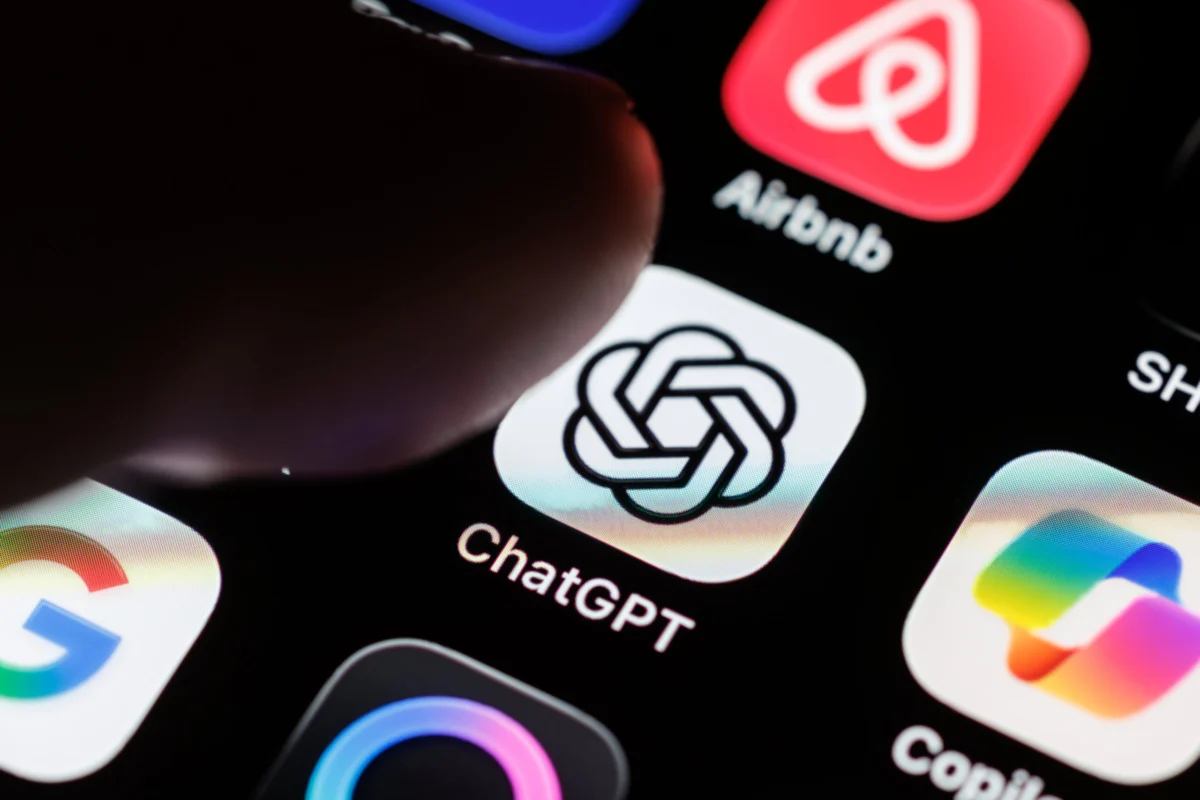
The intersection of generative artificial intelligence and the global advertising market has reached a critical point of friction as OpenAI, the developer of ChatGPT, navigates a cautious and deliberately slow introduction of its advertising platform. While the announcement of an ad-supported tier and conversational marketing tools was initially met with enthusiasm from the world’s leading marketing conglomerates, that excitement has increasingly turned into frustration among Madison Avenue executives. Sources familiar with the ongoing pilot programs indicate that the pace of implementation is failing to match the significant financial commitments required to participate, leading to concerns regarding the return on investment and the availability of actionable data in the burgeoning field of AI-driven search.
The tension highlights a fundamental cultural clash between the "move fast and break things" ethos of Silicon Valley and the structured, budget-driven cycles of global advertising agencies. As three of the world’s largest advertising firms—WPP, Omnicom, and Dentsu—participate in the initial testing phase, the industry is closely watching whether OpenAI can successfully transition from a subscription-based software provider to a dominant force in the $600 billion digital advertising ecosystem.
The Financial Threshold of the ChatGPT Ad Alpha
For major brands and their representative agencies, the entry price for OpenAI’s advertising experiment has been notably higher than historical industry standards for "alpha" or "beta" tests. While typical experimental ad placements on emerging platforms might require a five-figure commitment, OpenAI has reportedly requested between $200,000 and $250,000 from participating brands.
This capital is often drawn from two distinct sources within brand budgets: innovation funds, which are specifically earmarked for testing unproven technologies, or redirected allocations from established channels such as Google Search or Meta’s social platforms. The high barrier to entry was initially justified by the prestige of being an early adopter in what many analysts believe will be the next major shift in digital discovery. However, with the pilot program scheduled to conclude at the end of March, several agencies have expressed alarm that their full budget commitments are unlikely to be deployed.
The slow pace of ad delivery means that the massive volume of consumer interaction data expected by agencies has yet to materialize. While OpenAI has committed to returning unspent funds, the "opportunity cost" remains a significant grievance. Agencies argue that these funds could have been utilized for active campaigns on platforms with proven scale during the first quarter of the year.
A Chronology of OpenAI’s Commercial Evolution
To understand the current friction, it is necessary to examine the rapid evolution of OpenAI’s business model. Since the public release of ChatGPT in November 2022, the company has undergone several phases of monetization:

- The Subscription Phase (Early 2023): OpenAI launched ChatGPT Plus, a $20-per-month subscription model providing users with priority access and more advanced reasoning capabilities. This established a revenue stream independent of data harvesting or advertising.
- The Enterprise and API Phase (Mid-2023): The company expanded its focus to B2B services, allowing developers to build on top of its Large Language Models (LLMs) and offering enterprise-grade security for corporate users.
- The Search Integration (Late 2024 – Early 2025): OpenAI began testing "SearchGPT" and eventually integrated advanced web-browsing capabilities into the main ChatGPT interface, positioning itself as a direct competitor to traditional search engines.
- The Advertising Rollout (January 2026): OpenAI officially announced its intention to include ads within the ChatGPT interface, specifically targeting conversational queries that signal high commercial intent.
This progression marks a pivot from a pure utility tool to a discovery engine. By the time the advertising pilot was launched in early 2026, the industry expectations were at a fever pitch, fueled by the massive user base ChatGPT had accumulated—estimated to be over 200 million monthly active users globally.
Analyzing the Data: Momentum vs. Scale
Recent metrics suggest that while the rollout is slow, it is gaining exponential momentum. Data from the research firm Sensor Tower indicates that the number of ads served through ChatGPT increased by approximately 600% during the first two weeks of March compared to the beginning of the month.
However, this growth is coming from a very small baseline. Sensor Tower estimates that as of mid-March, ads have been served to only about 5% of ChatGPT’s mobile user base, an increase from a mere 1% at the start of the quarter. This "drip-feed" approach is central to OpenAI’s strategy but serves as the primary source of agency frustration.
From a technical perspective, the challenge of integrating ads into an LLM is far more complex than the keyword-matching systems used by Google. OpenAI must ensure that ads do not degrade the quality of the "reasoning" or "conversation" that users expect. If a user asks a complex coding question or a sensitive medical query, an intrusive or irrelevant ad could damage the brand’s reputation and the user’s trust in the AI.
Official Responses and Strategic Intent
OpenAI has defended its conservative approach, characterizing the slow rollout as an intentional effort to prioritize the user experience. In a statement provided to CNBC, a spokesperson for OpenAI noted that the current phase is focused on "learning and refining the experience for consumers" before a broader expansion. The company maintains that early signals from both users and brands are encouraging, citing "strong interest" from the global advertising community.
Industry reactions, however, are mixed. While Omnicom has remained silent on the matter and WPP declined to comment, the Japanese advertising giant Dentsu has taken a more pragmatic stance. Meredith Spitz, Dentsu’s EVP and Head of Paid Search, acknowledged the early stage of the program.
"So far, ad delivery is quickly building momentum, with volume increasing week-over-week as the environment scales," Spitz stated. She emphasized that Dentsu had set "realistic expectations" for its clients, viewing the program as a long-term evolution rather than a short-term lead generation tool. Dentsu’s perspective highlights the value of "conversational discovery," where ad relevance is aligned with highly precise user intent.

The Competitive Landscape: Anthropic, Google, and the Ad-Free Alternative
The friction between OpenAI and its advertisers is occurring against a backdrop of intense competition and philosophical divergence within the AI industry. OpenAI’s primary rival, Anthropic, has taken a starkly different approach. During the 2026 Super Bowl, Anthropic ran high-profile advertisements positioning its "Claude" AI as a superior, ad-free alternative, specifically criticizing the move toward commercializing AI responses.
Similarly, Perplexity AI, which was an early pioneer in the "AI search" space, recently made the strategic decision to remove ads from its platform after a period of testing in 2024, opting instead to focus on premium subscriptions and B2B integrations.
Meanwhile, the "incumbent" in this scenario, Google, remains the elephant in the room. Google is expected to generate an estimated $252 billion in search advertising revenue this year. While Google has integrated "AI Overviews" into its search results, it has the advantage of a decades-old, robust advertising infrastructure. Google has signaled that while it is not ruling out ads within its Gemini chatbot, it is currently focusing on maintaining its dominance in the traditional search results page where AI results complement, rather than replace, standard links.
The question for the industry is whether OpenAI’s cautiousness will allow Google to further entrench its lead, or if OpenAI’s methodical approach will result in a higher-quality advertising product that eventually commands premium pricing.
Long-term Implications for the Digital Ad Industry
Despite the current growing pains, financial analysts remain bullish on the long-term prospects of LLM-powered advertising. A recent research note from Truist identified 2026 as an "inflection year" for the sector. Analysts predict that OpenAI could generate just under $1 billion in ad revenue this year—a modest sum compared to Google—but forecast that this figure could skyrocket to over $30 billion by 2030.
The broader implications for the digital advertising ecosystem are profound:
- Shift from Keywords to Intent: Traditional search relies on specific keywords. Conversational AI allows brands to understand the intent and context of a user’s journey, potentially leading to much higher conversion rates.
- The Death of the "Click": In a conversational interface, the goal may not be to drive a click to a website, but to provide a brand-sanctioned answer or a direct purchase opportunity within the chat.
- Brand Safety Challenges: The unpredictable nature of generative AI poses risks. Agencies are demanding robust "negative intent" filters to ensure their ads don’t appear alongside controversial or hallucinated AI content.
- Data Attribution: Measuring the success of an ad that appears in the middle of a fifteen-minute conversation requires entirely new attribution models that the industry is still struggling to define.
As the March deadline for the current pilot program approaches, the advertising world is looking for OpenAI to "open the taps." The frustration currently felt on Madison Avenue is, in many ways, a testament to the perceived value of the platform. Advertisers are not complaining because the product is bad; they are complaining because they want more of it, faster. For OpenAI, the challenge will be to scale its commercial operations without alienating the user base that made it a household name. Whether they can strike that balance will determine if ChatGPT becomes the next Google or if it remains a niche tool in a fragmented AI landscape.