
Production is officially underway on a brand-new series adaptation of Maria Dąbrowska’s literary masterpiece, Nights and Days, a project that marks a significant investment by Netflix in Polish classic literature. With cameras currently rolling on set, the eight-part series is slated for a 2027 release, promising to bring one of the most revered narratives in Central European history to a global audience. The production, helmed by director Kamila Tarabura, represents a high-profile attempt to bridge the gap between traditional literary prestige and modern streaming consumption.
The Literary Foundation: A Cultural Pillar
Maria Dąbrowska’s original tetralogy, published between 1932 and 1934, is widely regarded as a cornerstone of 20th-century Polish literature. Set against the backdrop of the late 19th and early 20th centuries, the novel chronicles the lives of the Ostrzenski and Niechcic families during a time when Poland remained partitioned, absent from the map of Europe. The work is lauded for its psychological depth, its meticulous depiction of social strata, and its examination of the domestic struggles that defined the era.
The decision to adapt this specific work carries significant weight. For decades, the narrative has been ingrained in the Polish national consciousness, most notably through Jerzy Antczak’s 1975 film adaptation, which received an Academy Award nomination for Best Foreign Language Film. By greenlighting this new iteration, Netflix is not merely creating a period drama; it is engaging in a cultural dialogue with a legacy piece of media that has previously set the gold standard for Polish cinema.
Production Timeline and Development
The development of this project has been a long-term strategic move for Netflix’s Central and Eastern European (CEE) division. While early rumors of a high-end period drama began circulating in late 2025, the official confirmation from the streaming giant arrived in January 2026. Following months of pre-production, casting, and set design—essential for a series requiring authentic period-accurate locations—production officially commenced on September 24, 2026.
According to reports, the production team has utilized various locations in and around Tarnów, Poland, to capture the atmosphere of the rural countryside and the specific architectural constraints of the late 1800s. The production schedule is expected to span several months, with the latter half of 2026 dedicated to principal photography. Post-production is projected to occupy the entirety of 2027, allowing for the meticulous color grading and sound design required to evoke the historical aesthetic of the era.
Creative Vision and Narrative Direction
Director Kamila Tarabura, known for her ability to navigate complex emotional landscapes, is spearheading the series. She is joined by screenwriters Marta Bacewicz and Katarzyna Tybinka, who are tasked with condensing the vast scope of the four-part novel into a cohesive eight-episode television format.
Tarabura has publicly positioned the series as a modern, humanistic exploration of the source material. Her vision emphasizes the dichotomy between the myth of romantic idealism and the reality of long-term companionship. In a recent statement, Tarabura noted that the series serves as a reflection on the "eternal battle between expectations and reality," highlighting that at its core, the story is about the labor involved in sustaining a relationship. This thematic focus suggests that while the costumes and setting will remain historically faithful, the emotional pacing will be tailored to resonate with contemporary audiences who value internal character development over mere period-piece spectacle.
The Ensemble Cast
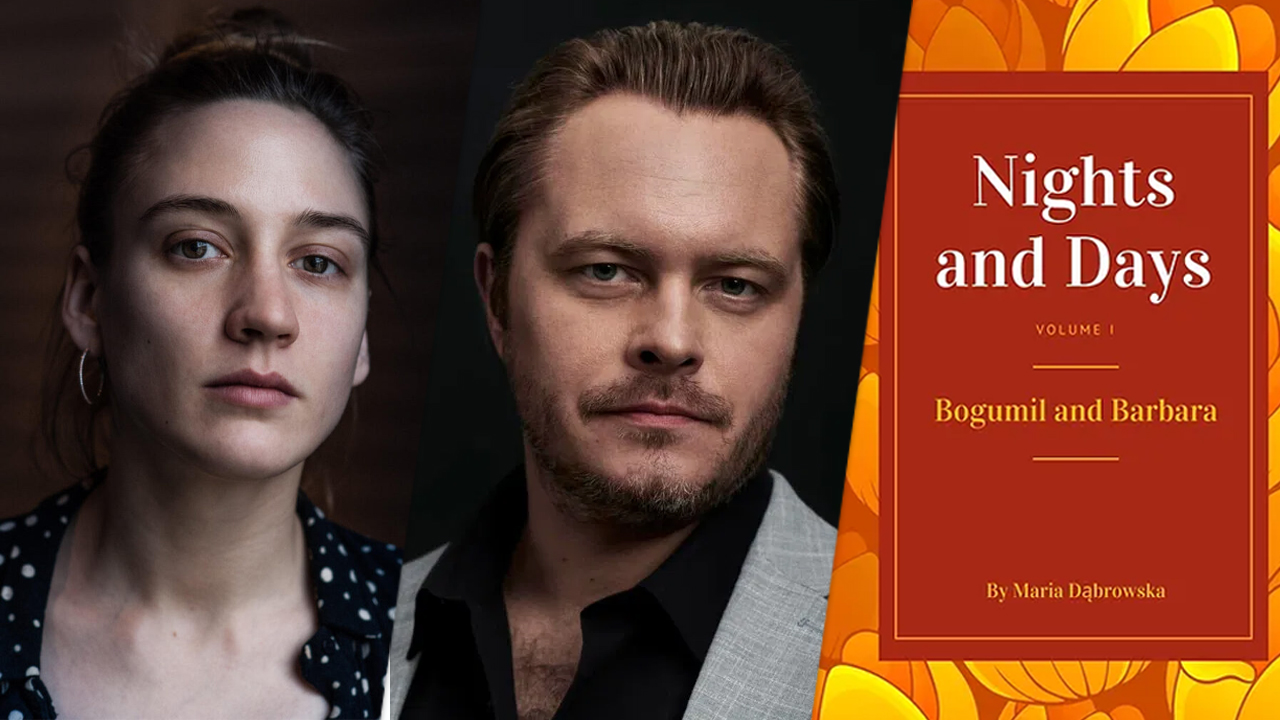
The casting of Tomasz Schuchardt and Jaśmina Polak is a calculated choice by the production team. Both actors have established strong portfolios within the Netflix ecosystem, providing the series with a sense of continuity for the platform’s subscribers.
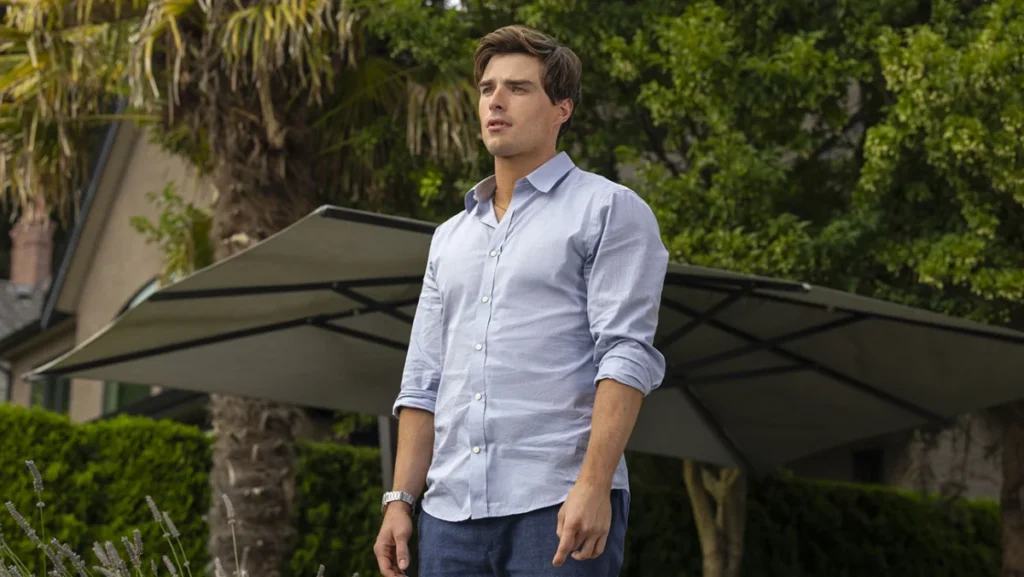
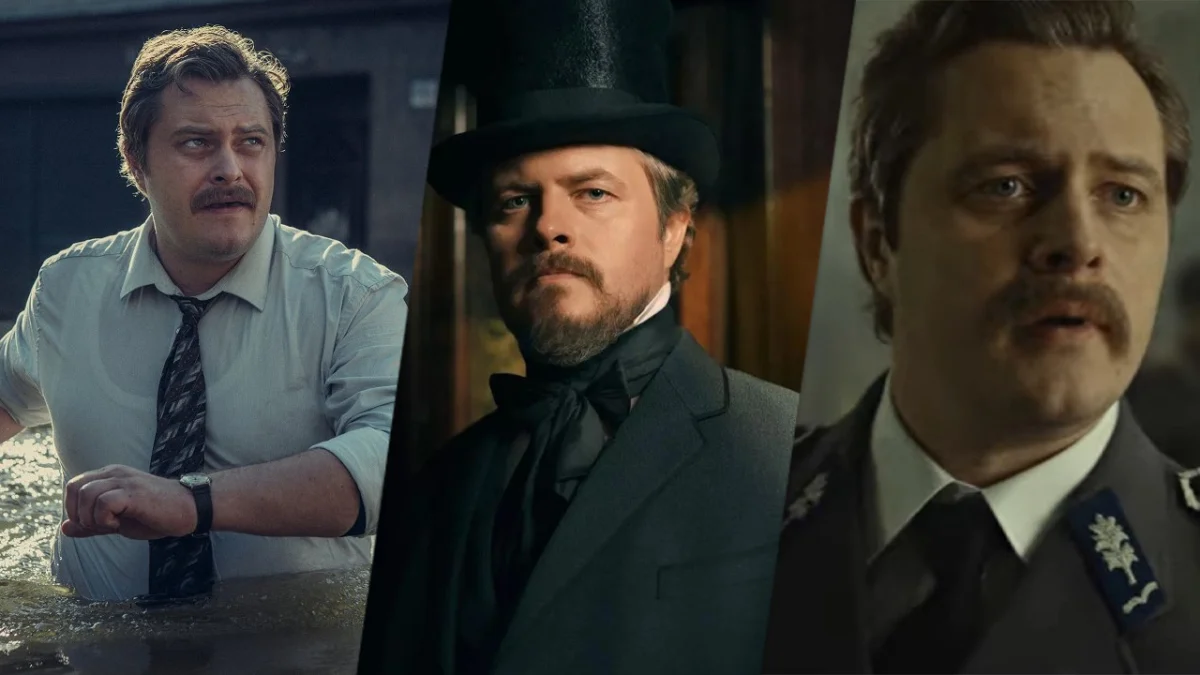
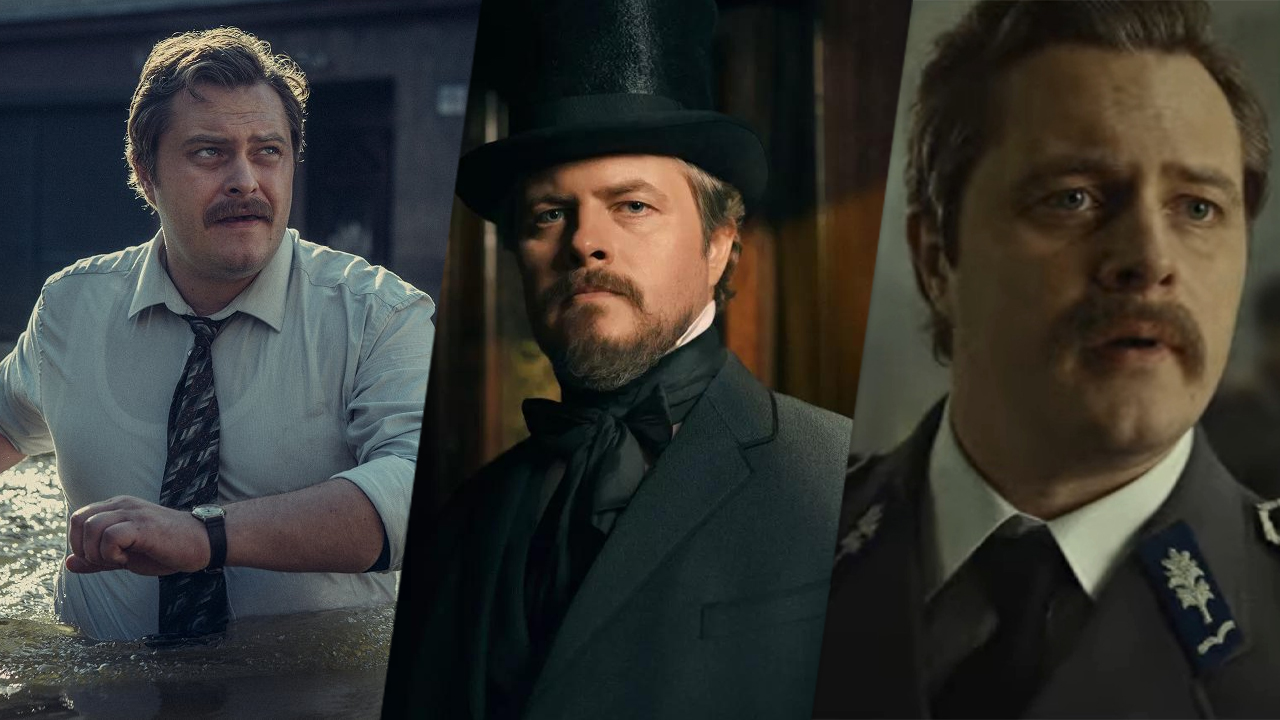
Tomasz Schuchardt, cast as the modest yet resilient Bogumił Niechcic, has become a staple of Polish Netflix Originals. His prior work in acclaimed series such as High Water and the biographical drama Operation Hyacinth demonstrates a range suitable for the nuanced, stoic nature of Bogumił. His ability to portray complex moral ambiguity will be tested in his portrayal of a man who finds fulfillment in the land and his work, despite the societal pressures of his time.
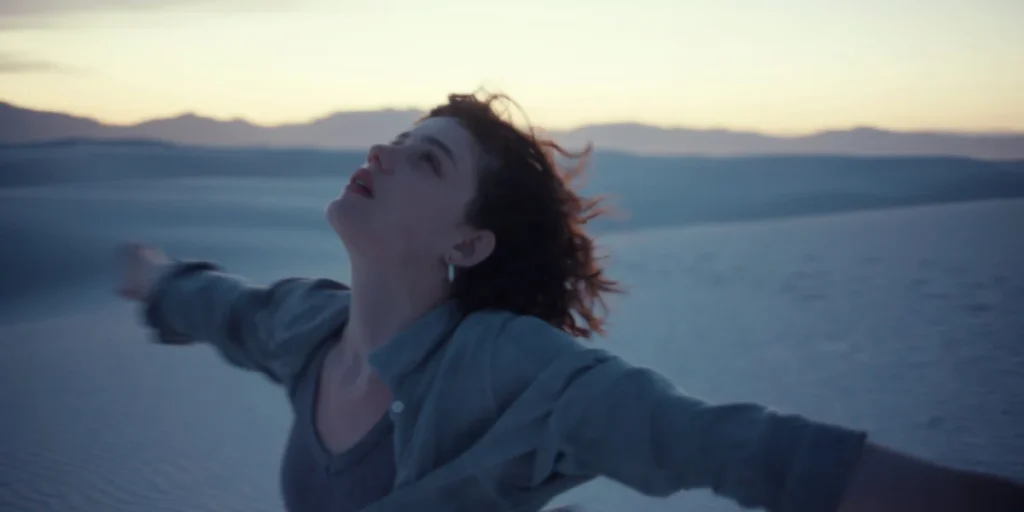
Jaśmina Polak, taking on the role of the spirited and often restless Barbara Niechcic, brings a different energy to the production. Having appeared in projects like The Thaw and the political drama Hounds Hill, Polak is tasked with portraying one of Polish literature’s most difficult protagonists: a woman who is simultaneously a victim of her circumstances and a source of her own unhappiness. The chemistry between Schuchardt and Polak is expected to be the anchor of the eight-episode run, as the narrative arc requires them to age and evolve alongside the changing political landscape of the late 19th century.
Strategic Significance for Netflix CEE
The investment in Nights and Days is part of a broader strategy by Netflix to double down on local-language content that possesses deep historical roots. Łukasz Kłuskiewicz, Netflix’s Program Director for Central and Eastern Europe, has been vocal about the importance of these "treasuries of stories." By leveraging the "contemporary sensitivity" of a younger generation of filmmakers, the platform aims to revitalize classic narratives for audiences who might otherwise bypass them in favor of more contemporary genres.
This strategy serves two purposes:
- Retention and Engagement: By producing high-quality adaptations of well-known national literature, the platform cements its status as a vital part of the local cultural landscape, encouraging long-term subscriptions among domestic viewers.
- Global Export: Period dramas have historically performed well on the international stage. The success of similar European series—such as those produced in the UK, Spain, or Germany—shows that a high-budget, well-acted historical drama has the potential to find an audience far beyond its country of origin, provided the emotional stakes are universal.
Thematic Analysis: Why This Story, Why Now?
The plot of the series centers on Barbara Ostrzeńska, a noblewoman who, upon seeing her romantic prospects dissolve, marries the pragmatic, land-managing Bogumił. The story spans three decades of their lives. In an era where "period-core" aesthetics and psychological character studies are trending in television, the choice of Nights and Days is timely.
The series explores themes that are arguably more relevant today than ever: the burden of economic class, the struggle for self-actualization within a restrictive societal framework, and the quiet, often uncelebrated work required to maintain a marriage over decades. By focusing on these elements, the series avoids becoming a mere museum piece. Instead, it invites the audience to view the 19th-century struggle through a lens of modern introspection.
Looking Ahead to 2027
While there is currently no firm release date, industry analysts suggest that a late 2027 premiere would align with Netflix’s typical cycle for high-end European dramas. The eight-episode structure provides ample room for the writers to explore the depth of Dąbrowska’s character studies, avoiding the rushed pacing often associated with feature-length adaptations of sprawling literary works.
As filming continues, the industry will be watching to see how Tarabura and her team balance the weight of the 1975 film’s legacy with the demands of a streaming-first distribution model. The production is a testament to the fact that, even in an era of rapid technological change, the hunger for profound, character-driven storytelling remains constant. With its combination of established talent, a respected source text, and the backing of one of the world’s largest production budgets, Nights and Days is positioned to be one of the most significant Polish television events of the decade.
For fans of the original novel, the challenge will be to see if the series can capture the "soul" of the characters while navigating the complexities of a modern adaptation. For new audiences, it represents an invitation into a world that, despite its distance in time, mirrors many of the struggles inherent in the human condition today.