

As October arrives, global streaming platforms experience a measurable surge in viewership for horror, thriller, and psychological cinema. Industry metrics historically indicate a 35% to 50% year-over-year increase in on-demand streaming for the genre during the fourth quarter, driven by seasonal consumer demand for Halloween-themed content. Curating a retrospective selection spanning the last 50 years allows audiences to observe the evolution of cinematic fear, moving from practical-effects body horror to psychological dread and sophisticated folk narratives.
Major subscription services, including Netflix, Hulu, Prime Video, and The Criterion Channel, have updated their libraries to feature a balanced mix of historical milestones, international crossover hits, and contemporary critical darlings. Media analysts attribute this cross-generational curation strategy to shifting demographic demands, as modern viewers increasingly seek out diverse subgenres that transcend traditional jump-scare formulas.
Historical Evolution of Modern Cinematic Horror
The past five decades of horror cinema reflect broader cultural anxieties, technological advancements, and shifts in audience psychology. During the late 1970s and 1980s, filmmakers relied heavily on practical creature effects and visceral body horror to mirror anxieties surrounding biological vulnerability and scientific overreach. Landmark releases from this era, such as David Cronenberg’s 1986 iteration of The Fly and Ken Russell’s 1980 psychological exploration Altered States, established physical transformation as a primary vehicle for terror.
As the genre transitioned into the 21st century, thematic priorities shifted toward slow-burn psychological tension, societal alienation, and supernatural folklore. Films like Jonathan Glazer’s Under the Skin (2013) and Ari Aster’s Midsommar (2019) redefined audience expectations by replacing overt jump scares with atmospheric dread, lingering soundscapes, and unsettling visual compositions. This maturation of the medium has expanded the genre’s commercial appeal, drawing critical acclaim from mainstream institutions and prestigious film festivals alike.
Contemporary Innovations and International Contributions
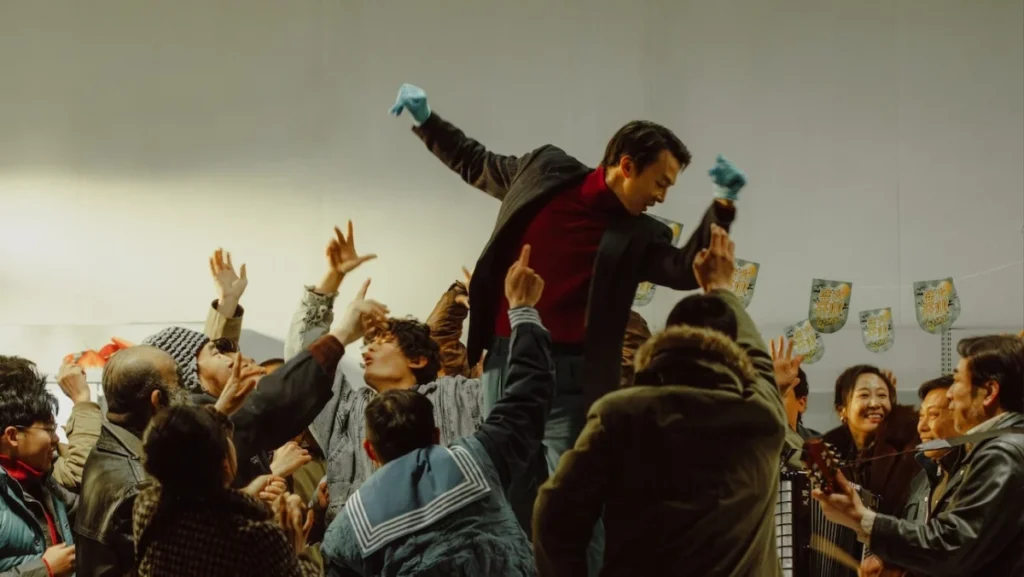
Recent additions to digital catalogs demonstrate the globalized nature of modern horror production. International directors continue to inject fresh structural mechanics into established tropes, most notably demonstrated by Yeon Sang-ho’s 2016 South Korean zombie masterwork, Train to Busan. By trapping characters within the confined, claustrophobic environment of an express train, the film utilizes high-speed tension to deliver sharp sociological commentary on class hierarchy and human desperation under duress.
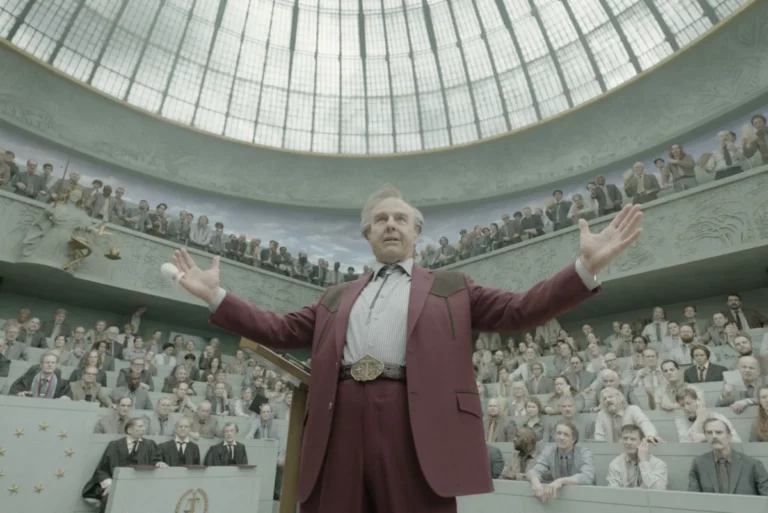
Similarly, the animation sector has pushed visual boundaries through projects like the concluding chapter of the Mononoke trilogy, which merges traditional Japanese folklore with kaleidoscopic parchment-watercolor aesthetics. In the domestic market, contemporary independent debuts such as Zach Cregger’s Barbarian have proven that original screenplays can successfully subvert standard narrative expectations, keeping audiences off balance through structural pivots and sharp social observations.
Curated Streaming Selections: Detailed Analysis
To assist viewers in navigating available digital inventories, film critics and industry catalogers have highlighted several standout titles currently streaming across major platforms:
Barbarian (Hulu)
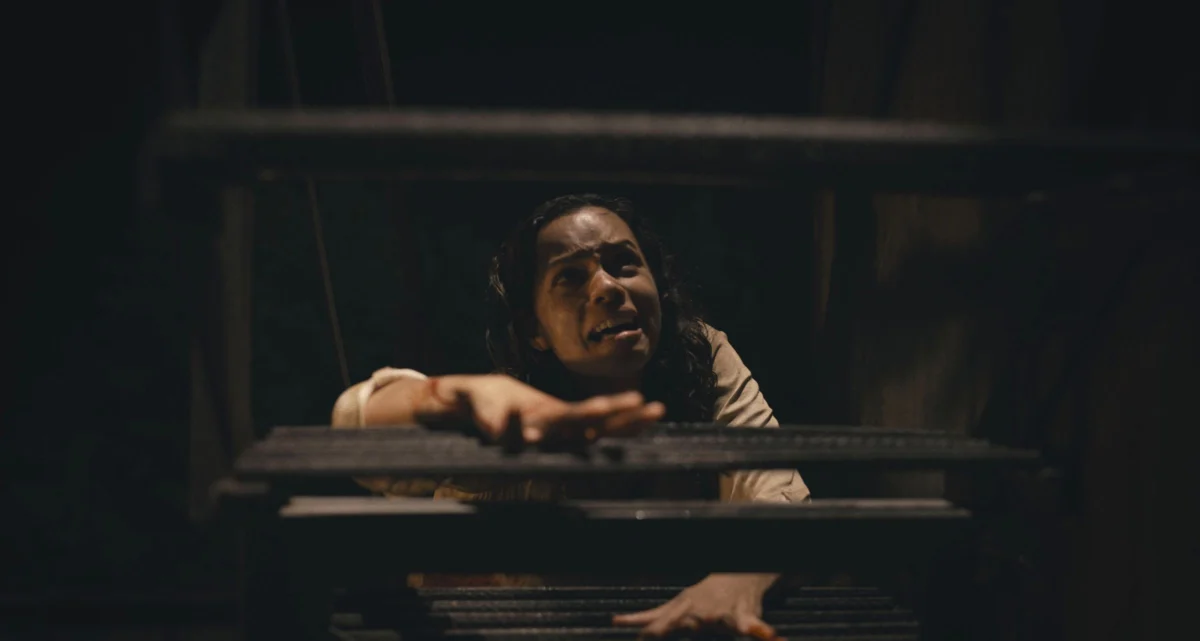
Written and directed by Zach Cregger, this 2022 feature follows Tess (Georgina Campbell), who discovers her rented Airbnb in a declining Detroit neighborhood is accidentally double-booked with Keith (Bill Skarsgård). Rather than following standard urban thriller trajectories, the film continually shifts perspectives and genre conventions. Cregger, transitioning from a background in comedy, constructs a tightly paced narrative that examines modern urban safety, systemic neglect, and psychological trauma. Critical reception upon release emphasized its ability to confound predictive viewing habits, cementing its status as a cornerstone of contemporary indie horror.
Under the Skin (Netflix)
Jonathan Glazer’s 2013 science fiction film casts Scarlett Johansson as an unnamed extraterrestrial entity navigating the urban and rural landscapes of Scotland. Utilizing a minimalist narrative structure and hidden documentary-style cameras for several initial interaction sequences, the film creates an atmosphere of profound alienation. Accompanied by Mica Levi’s abrasive, dissonant musical score, Under the Skin avoids conventional exposition, inviting viewers to interpret its abstract commentary on human vulnerability, identity, and predatory observation.
Midsommar (Prime Video)
Ari Aster’s 2019 folk horror feature follows a grieving American student, Dani (Florence Pugh), who joins her estranged boyfriend and his academic peers at a remote midsummer festival in Hälsingland, Sweden. Operating in broad daylight, the film contrasts brightly saturated pastoral imagery with escalating psychological terror and ritualistic violence. Acclaimed filmmaker Jordan Peele famously remarked on the film’s uniquely distressing visual language. Box office metrics confirmed its commercial viability, grossing over $48 million globally against a modest production budget, thereby solidifying the viability of upscale, auteur-driven horror in commercial distribution.
Train to Busan (Digital Platforms)
Director Yeon Sang-ho’s high-octane zombie thriller chronicles passengers fighting for survival aboard a KTX bullet train from Seoul to Busan as a catastrophic viral outbreak sweeps the nation. Beyond its precise action choreography and relentless pacing, the film functions as a biting allegory for late-stage capitalism, social Darwinism, and institutional self-preservation. Earning nearly $100 million worldwide, the film revitalized the international zombie subgenre and inspired a robust expanded universe, including the animated prequel Seoul Station and the standalone sequel Peninsula.
Altered States (The Criterion Channel)
Ken Russell’s 1980 psychedelic horror film stars William Hurt as Dr. Eddie Jessup, a psychophysiologist whose experiments combining sensory deprivation tanks and powerful hallucinogens cause his physical body to devolve through evolutionary stages. Based loosely on the real-world research of neuroscientist John C. Lilly, the production utilizes avant-garde visual effects and disorienting sound design to simulate psychological overload. While initially a modest box-office performer, the film has achieved enduring cult status for its uncompromising exploration of identity dissolution and existential inquiry.
Colossal (Digital Platforms)
Directed by Nacho Vigalondo, this 2016 production blends dark comedy, personal drama, and kaiju tropes. Anne Hathaway stars as Gloria, an unemployed writer struggling with alcoholism who returns to her hometown, only to discover that her erratic behavior directly synchronizes with a giant monster terrorizing Seoul. The film serves as an inventive metaphorical examination of personal accountability, toxic relationships, and the unintended ripple effects of addiction, earning praise on the international festival circuit for its tonal agility.
Mononoke The Movie III: The Curse of the Serpent (Netflix)
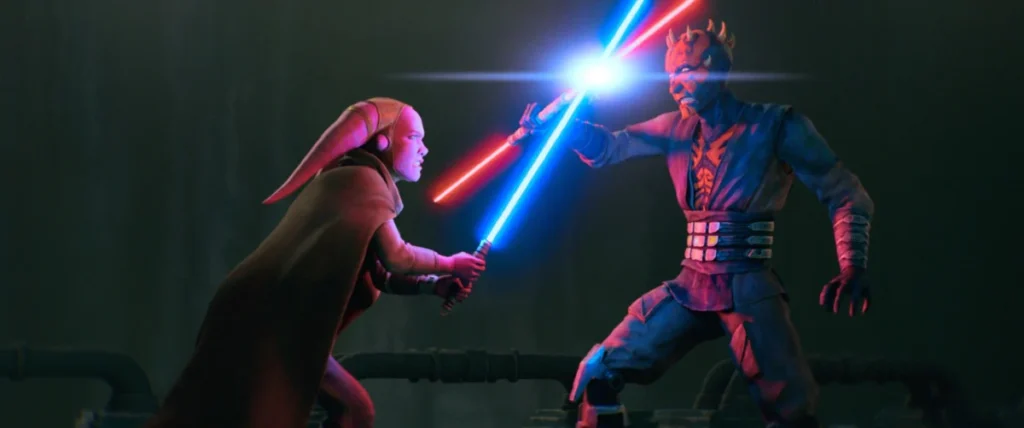
The concluding installment of the animated trilogy directed by Kenji Nakamura follows the enigmatic Medicine Seller into the politically charged environment of the Edo-period Imperial Palace. Utilizing a distinctive digital animation style that mimics traditional Japanese watercolor scrolls, the production explores systemic corruption and malevolent spirits born of human emotional trauma. Despite minor real-world casting controversies surrounding the Japanese voice cast, the English-language dub has been widely praised for maintaining the atmospheric tension and artistic integrity of the overarching narrative.
The Fly (Prime Video / Hulu)
David Cronenberg’s 1986 science-fiction horror classic reimagines the 1958 original, casting Jeff Goldblum as brilliant scientist Seth Brundle, whose teleportation experiment inadvertently splices his DNA with a common housefly. Driven by Chris Walas’s Academy Award-winning practical makeup effects, the film chronicles a tragic physical and psychological deterioration. Film historians frequently cite Cronenberg’s adaptation as a masterclass in using body horror to explore themes of aging, disease, and the irreversible consequences of scientific hubris.
The Social Network (Digital Platforms)
While nominally classified as a biographical drama directed by David Fincher and written by Aaron Sorkin, this chronicle of Facebook’s founding frequently elicits comparisons to psychological horror due to its bleak depiction of social isolation and corporate ruthlessness. Jesse Eisenberg’s portrayal of Mark Zuckerberg emphasizes a predatory ambition that permanently alters global interpersonal communication. Analysts note that retrospective viewings of the film resonate strongly with contemporary concerns regarding digital surveillance, platform capitalism, and the erosion of privacy, framing the modern digital landscape as an ongoing societal cautionary tale.
Market Implications and Seasonal Viewing Trends
Streaming service data consistently demonstrates that October remains the single most lucrative month for catalog acquisitions within the horror sector. Content providers leverage these legacy and contemporary titles not only to capture immediate holiday engagement but also to drive long-term subscriber retention. As distribution models increasingly favor on-demand accessibility over theatrical exclusivity, the enduring popularity of both foundational milestones and modern indie thrillers ensures that cinematic fear will remain a cornerstone of digital entertainment consumption for the foreseeable future.